








In an era increasingly defined by the fusion of comfort and style, Birkenstock sandals, particularly the iconic ‘Arizona’ style, have firmly established themselves at the forefront of the enduring "dad sandal" trend. This remarkable resurgence has seen the German footwear brand transcend its counter-cultural roots to become a ubiquitous symbol of warm-weather fashion. However, a recent assessment by an independent ratings system has deemed the brand "Not Good Enough" across critical sustainability metrics, prompting a focused search for ethical and environmentally conscious alternatives that align with evolving consumer values.
The Unprecedented Rise of Birkenstock: From Counter-Culture to High Fashion
Birkenstock’s journey from a niche, orthopaedic footwear item to a global fashion phenomenon is a compelling narrative in itself. Once considered a fashion faux-pas, synonymous with utilitarianism and bohemian subcultures, these chunky sandals have orchestrated a dramatic comeback. By 2026, the brand’s trajectory indicates continued ascent, propelled by a confluence of powerful cultural and commercial forces. Social media platforms have amplified its visibility, transforming the sandals into aspirational lifestyle accessories. Celebrity endorsements, often showcasing high-profile figures integrating Birkenstocks into diverse outfits, have further cemented their style credentials. A pivotal moment arrived with their prominent appearance in the 2023 "Barbie" movie, a cultural touchstone that introduced the brand to a new generation of consumers and solidified its place in mainstream pop culture.
Beyond mass market appeal, Birkenstock has strategically elevated its brand perception through high-fashion collaborations. Partnerships with avant-garde designers like Rick Owens and luxury houses such as Valentino have successfully repositioned the sandal within haute couture, demonstrating its versatility and design potential. This strategic pivot continued with the launch of a bridal collection in collaboration with designer Danielle Frankel earlier this year, an audacious move that further diversified its market reach. More recently, the brand has even ventured into lifestyle products with the introduction of its own line of nail polish, signaling a broader ambition to become a holistic lifestyle brand rather than solely a footwear manufacturer. This multi-faceted expansion illustrates a brand adept at leveraging cultural moments and strategic partnerships to maintain relevance and growth in a highly competitive market.
The global footwear market, valued at approximately $350 billion in 2023 and projected to grow steadily, has seen comfort footwear carve out a significant and expanding segment. Within this segment, sandals represent a crucial component, driven by both seasonal demand and the year-round appeal of relaxed aesthetics in many regions. Birkenstock’s dominance in this niche underscores its commercial prowess, yet this success now faces scrutiny through the lens of corporate responsibility.
Deconstructing Birkenstock’s "Not Good Enough" Rating
Despite its soaring commercial success and cultural cachet, Birkenstock’s sustainability record presents a stark contrast, casting a shadow over its otherwise stellar performance. According to a recent, comprehensive rating review by Good On You, an independent assessment platform, Birkenstock has been evaluated as "Not Good Enough" across all three core pillars of sustainability: people, planet, and animals. This assessment is based on a rigorous methodology that examines a brand’s impact across its entire supply chain.
For the "Planet" category, the primary concern identified was a significant lack of lower-impact materials in Birkenstock’s product lines. While the brand is known for its cork footbeds, a relatively renewable resource, its broader material usage, particularly in the uppers and outsoles, often relies on conventional materials with higher environmental footprints. The assessment likely points to a limited adoption of certified organic cotton, recycled synthetics, or innovative bio-based alternatives that are increasingly available and utilized by more sustainable brands. Furthermore, the brand’s manufacturing processes, energy consumption, and waste management practices are not sufficiently transparent or robust enough to earn a higher rating, indicating potential gaps in reducing carbon emissions, water usage, and landfill waste.
Regarding "People," the rating highlights issues pertaining to worker welfare and fair labor practices. A critical factor in the "Not Good Enough" designation is the absence of robust evidence demonstrating the payment of living wages across its supply chain. The fashion industry, particularly in manufacturing hubs, is frequently criticized for exploitative labor practices, including low wages and poor working conditions. A brand’s commitment to social responsibility is measured by its transparency in supply chain auditing, efforts to empower workers, and verifiable policies ensuring fair compensation and safe environments. The lack of sufficient public data or verifiable commitments in these areas for Birkenstock suggests that while they may comply with local minimum wage laws, they may not be actively ensuring a wage that allows workers to meet basic needs, a key benchmark for ethical labor.
On the "Animals" front, the "Not Good Enough" rating indicates insufficient animal welfare regulations or the use of animal-derived materials without clear, verifiable ethical sourcing. While cork is plant-based, other components of Birkenstock sandals, or elements within their broader product range, may utilize leather or other animal products. The absence of stringent policies for animal welfare, such as certifications for responsible leather sourcing (e.g., from tanneries that meet specific environmental and ethical standards) or clear commitments to avoid mulesing in wool (if applicable to other products), contributes to this lower score. In an age where vegan alternatives and cruelty-free practices are increasingly prioritized by consumers, a brand’s stance on animal welfare is a significant determinant of its overall ethical standing.
The Ethical Imperative: Why Sustainability Matters in Footwear
The detailed findings of Birkenstock’s rating are not isolated but reflect a broader industry trend where consumer awareness of ethical and environmental issues is rapidly escalating. A 2023 study by the Fashion Retail Academy in London revealed that 65% of consumers consider a brand’s sustainability credentials when making a purchase, a figure that has steadily increased over the past five years. This shift is particularly pronounced among younger demographics, who are more likely to seek out brands that align with their personal values. The comfort footwear market, historically focused on ergonomics and durability, is now under pressure to integrate these ethical considerations into its core offering.
The traditional footwear industry faces significant environmental challenges, including reliance on non-renewable resources, energy-intensive manufacturing, chemical pollution from tanning and dyeing processes, and vast amounts of post-consumer waste. The production of a single pair of leather shoes, for instance, can involve substantial water consumption and generate considerable carbon emissions. Furthermore, the human cost in global supply chains, often hidden from view, includes issues like forced labor, child labor, and unsafe working conditions, particularly in developing countries.
In response, the sustainable fashion movement has gained considerable momentum, advocating for transparency, circularity, and ethical practices across the entire lifecycle of a product. This includes the adoption of lower-impact materials (e.g., organic cotton, recycled plastics, innovative plant-based leathers), fair labor certifications, renewable energy use in manufacturing, and design for longevity and recyclability. Brands that commit to these principles are increasingly gaining market share as consumers actively seek to minimize their environmental footprint and support equitable labor practices.
Navigating the Market: Criteria for Sustainable Sandal Selection
For consumers who appreciate the iconic style and foot-contouring design of Birkenstocks but are seeking more ethically aligned options, the market for sustainable alternatives is growing. The original Birkenstock design, with its anatomically shaped footbed, dates back hundreds of years in German orthopaedic tradition, focusing on support and comfort rather than merely a flat insole. This functional design principle has inspired numerous conscious brands to create similar styles while adhering to higher standards of social and environmental responsibility.
When evaluating sustainable alternatives, several key criteria come into play:
- Materials: Prioritize brands using certified organic, recycled, upcycled, or innovative plant-based materials (e.g., apple leather, pineapple leather, cork, hemp). Transparency about material sourcing is crucial.
- Labor Practices: Look for evidence of fair wages, safe working conditions, and ethical treatment of workers throughout the supply chain. Certifications like Fair Trade are strong indicators.
- Manufacturing Processes: Brands that utilize renewable energy, minimize water and chemical use, and have robust waste reduction programs are preferable.
- Longevity and Durability: The most sustainable product is one that lasts. Brands committed to quality craftsmanship and repairability reduce the need for frequent replacements.
- Transparency: A truly sustainable brand will be open about its practices, challenges, and progress, often providing detailed information on its website or through third-party certifications.
It is paramount to reiterate the principle of conscious consumption: the most sustainable item is often the one already owned. Therefore, consumers are encouraged to continue using their existing Birkenstocks until they are no longer serviceable. Exploring second-hand markets also offers an excellent sustainable option. New purchases should be reserved for genuine need, ensuring that any new acquisition reflects a commitment to supporting brands that champion ethical and environmental stewardship.
Spotlight on Ethical Alternatives: Brands Leading the Way
The search for sandals that marry comfort, style, and a strong ethical compass has yielded a diverse array of brands. These companies are not only replicating the beloved Birkenstock aesthetic but are also setting new benchmarks for responsible production.
ESSÄN: Crafting Classics with Conscience
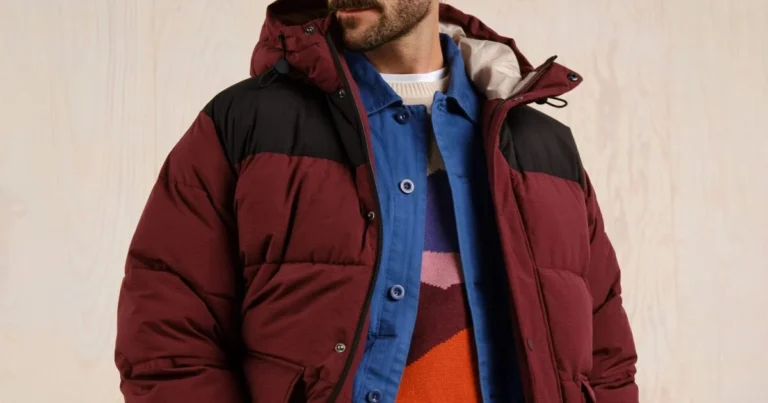
Founded in 2016 by Marre Muijs, ESSÄN emerged as a direct response to the fashion industry’s prevalent issues of overproduction and transient trends. Muijs’s vision was to create a brand that prioritizes thoughtful craftsmanship over rapid consumption, focusing on enduring classics rather than fleeting seasonal collections. ESSÄN limits its production runs, ensuring that demand closely matches supply and minimizing the risk of unsold inventory ending up in landfills. Their commitment extends to employing low-waste cutting techniques, maximizing material utilization and reducing textile waste at the manufacturing stage. By eschewing the traditional fashion calendar in favor of a single, permanent collection, ESSÄN promotes a timeless aesthetic that encourages longevity and reduces the perceived obsolescence of styles. This approach aligns perfectly with the principles of a circular economy, emphasizing durability and conscious design.
Elk: Australian Design Meets Ethical Production
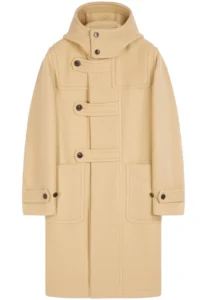
A pioneer of independent Australian design, Elk was established in Melbourne in 2004. The brand’s design ethos is a harmonious blend of simplicity, innovation, and sustainability. Elk produces bi-annual collections, carefully curated to reflect a balance between contemporary trends and timeless appeal. Their commitment to ethical production is central to their operations, with transparent practices in their supply chain. While maintaining a minimalist aesthetic, Elk actively seeks to incorporate lower-impact materials and ensure fair working conditions for those involved in their manufacturing processes. The brand’s extensive sizing, ranging from AU sizes 6-18, also reflects an inclusive approach, catering to a broader consumer base.
Up-Fuse: Transforming Waste into Opportunity
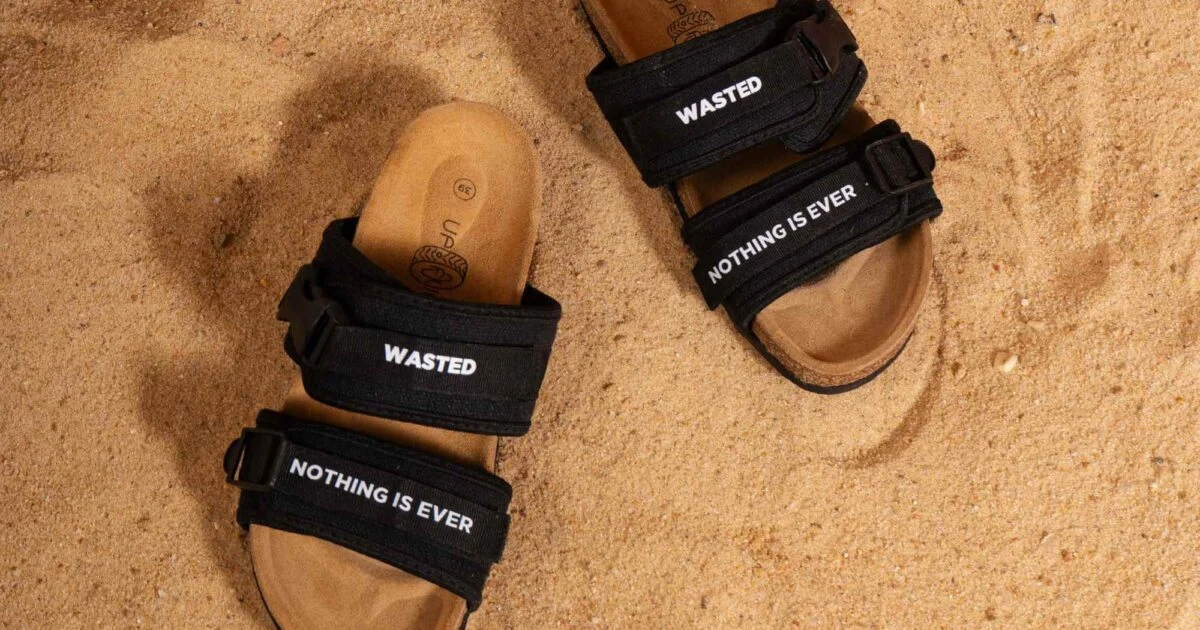
Up-Fuse is a Cairo-based social enterprise that embodies the philosophy that "one’s trash is another’s fabric." This innovative brand promotes an eco-conscious lifestyle by transforming plastic waste into unique, durable products. What sets Up-Fuse apart is its profound social mission: the brand actively collaborates with Syrian, Ethiopian, and Sudanese female refugees in Egypt. Through this partnership, Up-Fuse not only provides meaningful employment opportunities and fair wages but also empowers marginalized communities, offering them economic independence and skills development. Their products, including sandals that echo the comfort and style of Birkenstocks, are not merely eco-friendly but also carry a powerful narrative of social impact and community upliftment, making them a truly conscious choice.
Spell: Bohemian Spirit with Responsible Roots
Spell, an Australian fashion brand, draws its inspiration from the romanticism of far-off places, the charm of vintage treasures, and the nostalgia of childhood memories. Known for its bohemian aesthetic, Spell is equally committed to responsible production. Their garments, including footwear, are proudly designed and sampled in Byron Bay, Australia, with production handled in carefully selected factories worldwide. The brand prioritizes ethical manufacturing, working closely with its global partners to ensure fair labor practices and environmental responsibility. Spell’s commitment to sustainability is integrated into its vibrant design philosophy, proving that style and ethics can coexist. Most garments are available in sizes 2XS-2XL, promoting inclusivity in their sizing.
Vesica Piscis: Vegan Innovation from Spain
Hailing from Spain, Vesica Piscis is a dedicated vegan footwear brand that stands out for its strong commitment to both animal welfare and environmental sustainability. The brand utilizes a high proportion of lower-impact materials in its shoes, actively seeking out innovative alternatives to traditional leather and synthetic components. A key aspect of their sustainable approach is the use of renewable energy in their manufacturing processes, significantly reducing their carbon footprint. Furthermore, Vesica Piscis operates on a made-to-order basis. This production model is highly effective in minimizing waste, as it prevents the overproduction of inventory and ensures that each shoe is created specifically for a customer, thereby reducing dead stock and resource consumption. Their diverse range of shoes, available in sizes 36-46, caters to a broad customer base seeking ethical and stylish vegan options.
Agazi: Plant-Based Footwear from Poland
Agazi, a vegan footwear brand based in Poland, offers a comprehensive range of shoes, including sneakers, heels, flat shoes, and sandals, all meticulously crafted from non-animal-derived materials. The brand is at the forefront of material innovation, incorporating unique plant-based alternatives such as hemp, apple skin leather, and grape-based alternative leathers. These materials not only offer a cruelty-free option but also often come with a significantly lower environmental impact compared to traditional leather production. Agazi’s commitment to entirely vegan and sustainable materials makes it an exemplary choice for consumers prioritizing animal welfare and ecological responsibility in their footwear decisions.
The Broader Implications for the Fashion Industry
The emergence of these conscious alternatives to established brands like Birkenstock signals a significant shift in the fashion industry. It underscores a growing demand for transparency, ethical sourcing, and environmental responsibility, moving beyond mere aesthetics. This trend places increasing pressure on legacy brands to re-evaluate their supply chains, material choices, and labor practices. Brands that fail to adapt risk losing market share to more agile and ethically aligned competitors.
The collective efforts of brands like ESSÄN, Elk, Up-Fuse, Spell, Vesica Piscis, and Agazi demonstrate that it is possible to combine desirable design with rigorous sustainability standards. Their success stories provide a blueprint for a more responsible future for footwear and the broader fashion industry. Consumers, empowered by information from independent rating systems, are increasingly becoming agents of change, using their purchasing power to support a more equitable and sustainable world. This evolving landscape suggests that the era of comfort fashion is not just about personal ease, but also about collective conscience, demanding that beloved styles are matched by unwavering ethical integrity.
Editor’s note
Feature image via Up-fuse, all other images via brands mentioned. Good On You publishes the world’s most comprehensive ratings of fashion brands’ impact on people, the planet, and animals. Use our directory to search thousands of rated brands.
We updated this article on 11 May 2026. Our editors frequently make updates to articles to ensure they’re up to date. We refreshed our selection of products to ensure we’ve got top picks from brands with recent ratings.