



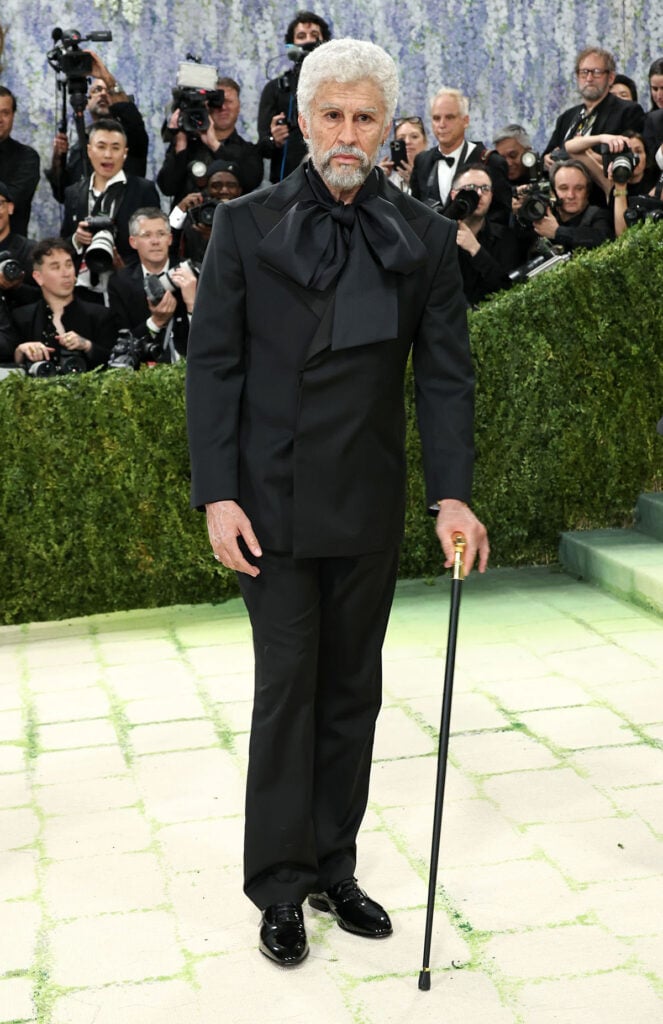
The first Monday in May 2026 marked a pivotal moment for the Metropolitan Museum of Art’s Costume Institute, as the annual Met Gala unveiled its most conceptually ambitious theme to date: Costume Art. While the red carpet is traditionally a parade of avant-garde textiles and architectural silhouettes, Puerto Rican superstar Bad Bunny—born Benito Antonio Martínez Ocasio—shifted the focus from the garment to the wearer’s physical form. Arriving in a state of total physical transformation, the artist bypassed traditional glamour to embody "the aging body," a core pillar of the 2026 exhibition. His appearance, defined by hyper-realistic prosthetics and a custom collaboration with global retailer Zara, represented a sophisticated intersection of performance art, high-fashion branding, and cinematic special effects.
The Conceptual Framework of Costume Art
The 2026 Costume Institute exhibition, titled "Costume Art: The Human Canvas," was designed to explore how the physical body serves as the ultimate medium for fashion. Curators partitioned the exhibition into four distinct galleries: the naked body, the classic body, the pregnant body, and the aging body. This thematic structure encouraged attendees to look beyond the fabric and consider the biological and temporal realities of human existence.
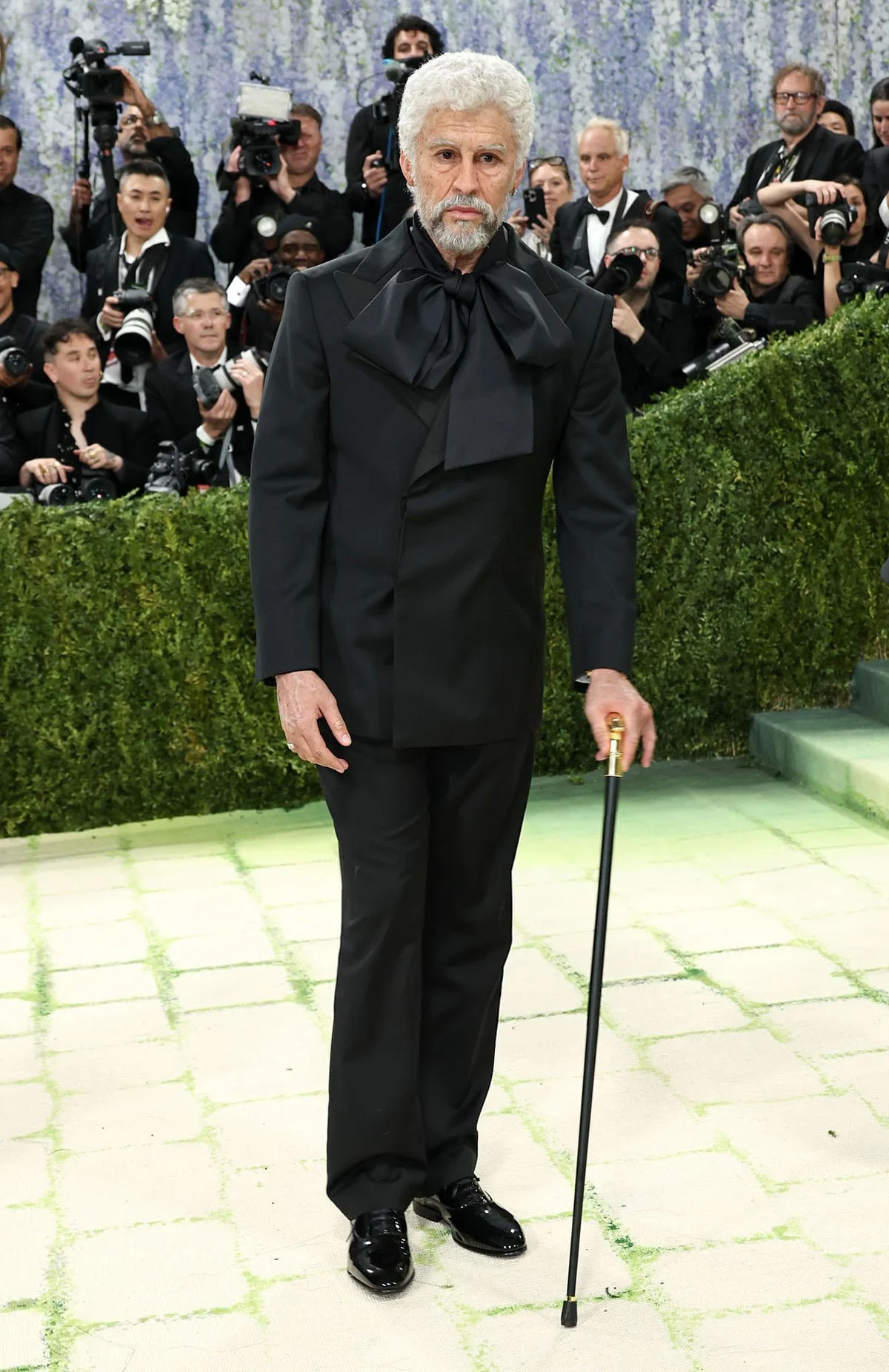
Bad Bunny’s decision to interpret the "aging body" segment was viewed by industry analysts as a bold subversion of the "fountain of youth" narrative typically celebrated in celebrity culture. By presenting himself as a man several decades his senior, complete with thinning silver hair, a weathered beard, and the stooped gait of an elder, the artist engaged with the theme on a visceral level. The look was not merely a costume but a narrative exploration of mortality and the passage of time, themes that have increasingly permeated his recent musical and visual output.
Technical Execution and the Artistry of Mike Marino
The success of the transformation rested heavily on the technical execution of the prosthetic work. To achieve a look that remained convincing under the high-intensity flashes of the paparazzi and the scrutiny of ultra-high-definition cameras, Bad Bunny enlisted the expertise of renowned special effects makeup artist Mike Marino. Marino, the founder of Prosthetic Renaissance, is widely recognized for his transformative work in films such as The Batman and The Whale, as well as his long-standing collaboration with Heidi Klum for her annual Halloween spectacles.
The prosthetic application was a multi-hour process that involved layering medical-grade silicone appliances over the artist’s face, neck, and hands. Every detail was meticulously rendered, from the asymmetrical distribution of age spots and sun damage to the subtle broken capillaries around the nose and the thinning texture of the skin on the back of the hands. Unlike traditional theatrical makeup, which can appear "cakey" or stiff, Marino’s work allowed for full muscular movement, enabling Bad Bunny to maintain a range of expressions throughout the evening.

To complete the persona, the artist utilized a functional wooden cane and adopted a slower, more deliberate pace on the famous Met steps. When asked by reporters about his preparation for the evening, Bad Bunny quipped that it had taken him "53 years to get ready," a comment that highlighted the temporal commitment of the character study he had undertaken.
The Zara Partnership: From Fast Fashion to Bespoke Craft
One of the most discussed aspects of Bad Bunny’s 2026 Met Gala appearance was his choice of designer. For the second major time in a calendar year, the artist collaborated with Zara, the Spanish flagship brand of the Inditex group. This partnership follows their successful debut at the Super Bowl LX halftime show earlier in February 2026, where the artist wore custom performance gear designed by the retailer’s specialized atelier.
For the Met Gala, Zara produced a custom black suit that emphasized classic tailoring and understated elegance. The ensemble featured a sharp-shouldered blazer and slim-cut trousers, paired with a silk shirt featuring a lavallière tie-neck. The choice of a black-on-black palette served as a deliberate neutral backdrop, ensuring that the viewer’s attention remained fixed on the prosthetic transformation of the artist’s face and hands.
The inclusion of Zara on the Met Gala red carpet signifies a broader shift in the fashion landscape. Traditionally the domain of historic French and Italian couture houses, the Met Gala has increasingly opened its doors to global commercial giants seeking to prove their "design muscle" through one-off, bespoke creations. By choosing Zara over a traditional luxury label, Bad Bunny continued his career-long trend of democratizing high fashion and challenging the elitist structures of the industry. It also reinforced his loyalty to a brand that shares his Hispanic roots, as Zara’s parent company is headquartered in A Coruña, Spain.
Chronology of the Evening and Public Reception
The unveiling of the look followed a carefully managed timeline designed to maximize social media impact.
- 5:30 PM EST: The first arrivals began at the Metropolitan Museum of Art. Early looks focused on the "naked body" theme, with several celebrities opting for sheer fabrics and anatomical sculptures.
- 7:15 PM EST: Bad Bunny’s motorcade arrived at the museum. Initial glimpses from fan-captured footage showed an unrecognizable figure exiting the vehicle, sparking immediate speculation online.
- 7:30 PM EST: The artist stepped onto the red carpet. The initial reaction from the press gallery was one of confusion, followed by realization as the artist’s signature mannerisms became apparent.
- 7:45 PM EST: Bad Bunny conducted a brief interview with Vogue’s red carpet hosts, where he discussed the collaboration with Mike Marino and the intention behind honoring the aging process.
- 8:00 PM EST: High-resolution close-ups of the prosthetics began circulating on global news wires, with makeup enthusiasts and film industry professionals praising the technical precision of the work.
The public response was overwhelmingly positive, with fashion critics noting that Bad Bunny had provided one of the most literal and successful interpretations of the "Costume Art" theme. By moving beyond the "pretty" aesthetic of typical red carpet dressing, he solidified his reputation as a conceptual artist who views his public appearances as an extension of his creative body of work.
Historical Context: Bad Bunny’s Met Gala Evolution
To understand the significance of the 2026 look, it is necessary to look at Bad Bunny’s history with the event. Since his debut, the artist has used the Met Gala to challenge gender norms and cultural expectations.
- 2022 (In America: An Anthology of Fashion): He wore a cream-colored Burberry boiler suit-gown with puffed sleeves and his hair styled in a traditional tiara, blending masculine workwear with feminine Victorian silhouettes.
- 2023 (Karl Lagerfeld: A Line of Beauty): He opted for an all-white Jacquemus ensemble featuring a backless suit jacket and a 26-foot floral train, paying homage to Lagerfeld’s love of camellias while subverting the traditional tuxedo.
- 2024 (The Garden of Time): He appeared in a custom Maison Margiela Artisanal look by John Galliano, featuring raw-edged fabrics and a theatrical hat, leaning into the "Sleeping Beauties" theme with a focus on decay and fragility.
The 2026 "Aging Body" look represents the culmination of this evolution. It moved from exploring gender (2022) to volume (2023) to texture (2024), and finally to the biological reality of the human form itself (2026).
Industry Implications and the Future of Red Carpet Dressing
Bad Bunny’s 2026 appearance is likely to have lasting implications for how celebrities approach the Met Gala and other high-profile events.
First, it validates the use of prosthetic artistry as a legitimate tool for high fashion. While often relegated to the world of cinema or costume parties, the integration of professional SFX (Special Effects) into a gala setting suggests that the "red carpet look" is moving toward "character performance." This may encourage other stars to experiment with physical alterations—such as temporary tattoos, skin-texture manipulation, or facial structural changes—to meet the demands of conceptual themes.
Second, the success of the Zara collaboration highlights the diminishing gap between "fast fashion" brands and "high fashion" prestige. When a brand like Zara can successfully execute a look for one of the world’s biggest stars at the most exclusive event in fashion, it forces a reevaluation of what constitutes "luxury." The value in Bad Bunny’s look was not derived from the price of the fabric, but from the intellectual rigor of the concept and the technical skill of the makeup application.
Conclusion
The 2026 Met Gala will be remembered for its challenging theme, but Bad Bunny’s contribution stands as its most definitive statement. By transforming into an elderly version of himself, the artist did more than just wear a suit; he engaged in a profound dialogue with the Costume Institute’s exploration of the human body. Through the precision of Mike Marino’s prosthetics and the strategic partnership with Zara, Bad Bunny proved once again that he is a master of the visual medium, capable of using his own likeness to provoke thought, celebrate the inevitable passage of time, and redefine the boundaries of the red carpet. As the exhibition "Costume Art: The Human Canvas" continues its run through the summer of 2026, the image of a silver-haired, cane-wielding Benito will undoubtedly remain its most enduring symbol.