






The 2026 Met Gala, held at the Metropolitan Museum of Art in New York City, served as a definitive turning point for menswear, signaling a departure from traditional evening attire in favor of avant-garde archival pieces, art-historical references, and subculture-driven narratives. As the annual benefit for the Costume Institute, the event centered on the "Costume Art" exhibition, a theme that encouraged attendees to explore the intersection of garment construction and fine art. While the gala has historically been dominated by high-fashion womenswear, the 2026 arrivals demonstrated that menswear now commands equal media impact value (MIV) and critical attention.
Historical Context and the Evolution of the Met Gala Theme
The 2026 theme, "Costume Art," focused on the technical mastery of designers and the preservation of fashion as a legitimate art form. This focus allowed male attendees to move beyond the standard black-tie tuxedo, which has faced increasing criticism for being repetitive in high-fashion contexts. In recent years, the Costume Institute has seen a steady rise in the complexity of menswear, influenced by the late Virgil Abloh’s work at Louis Vuitton and the rise of gender-fluid silhouettes in global fashion houses.
The event, chaired by a rotating committee of cultural icons, raised an estimated $22 million for the Costume Institute’s operations and acquisitions. The 2026 iteration specifically highlighted the importance of archives, with several high-profile guests opting for historical garments rather than newly commissioned pieces, emphasizing sustainability and the enduring relevance of 20th-century design.
Archival Mastery and Anatomical Illusions
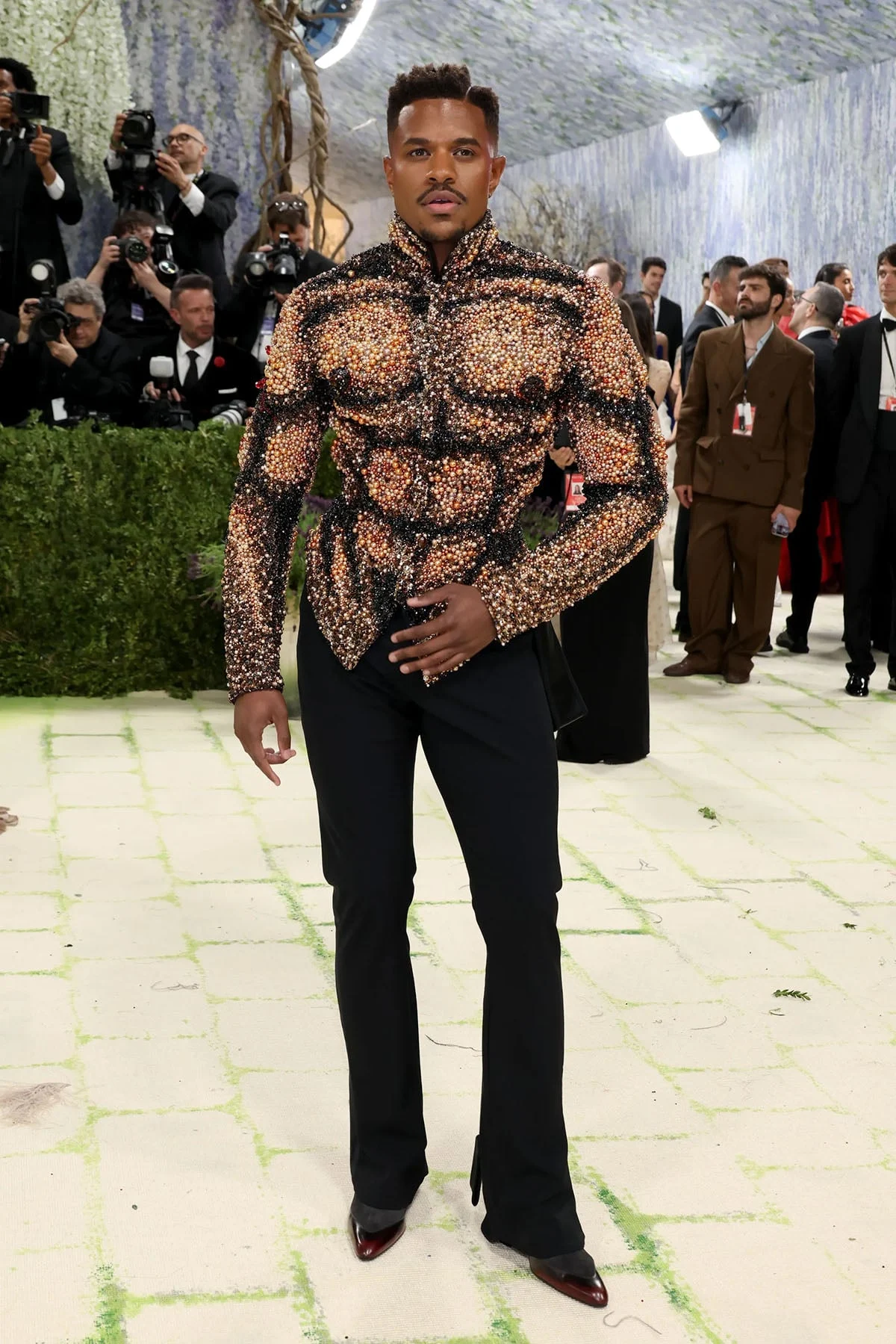
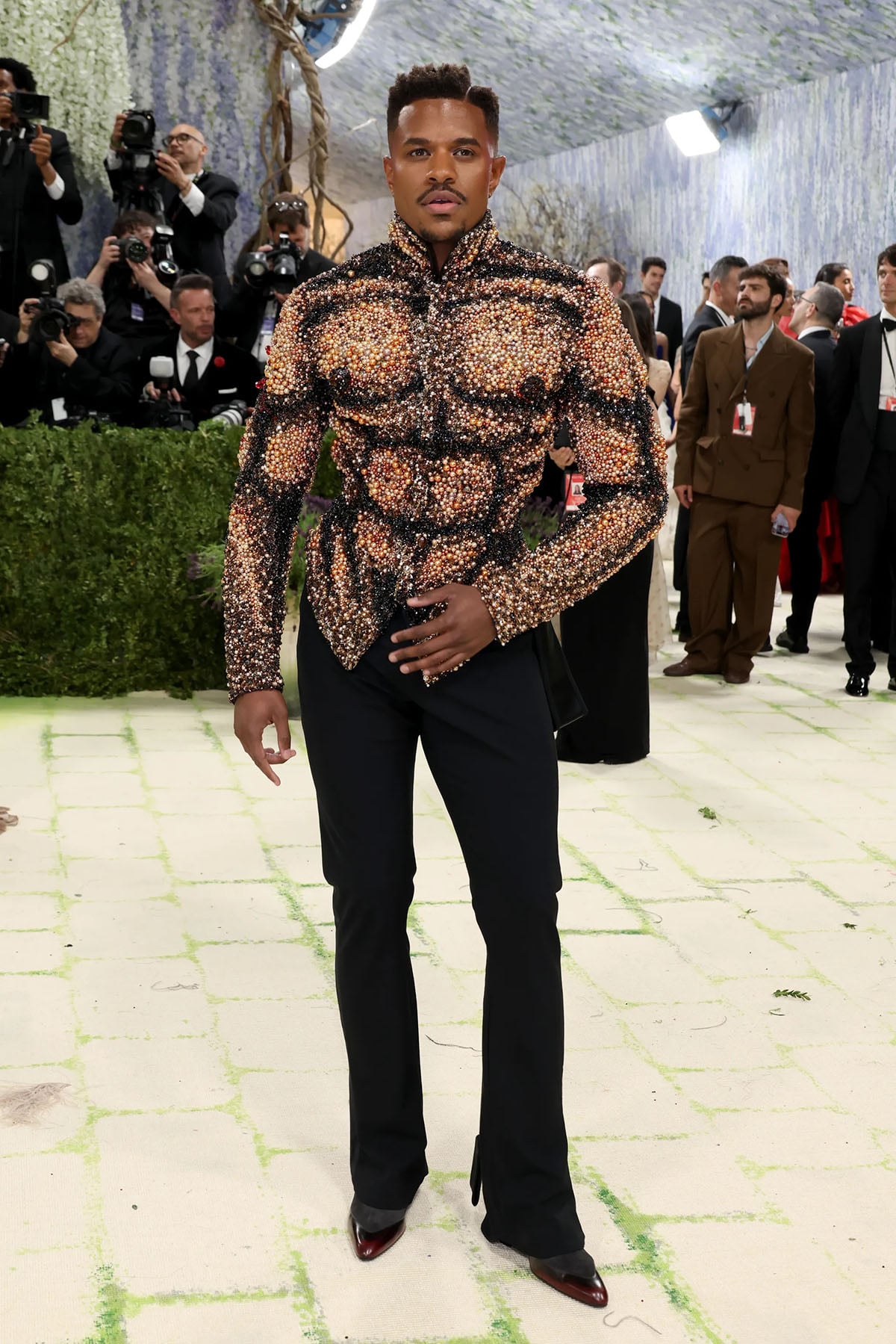
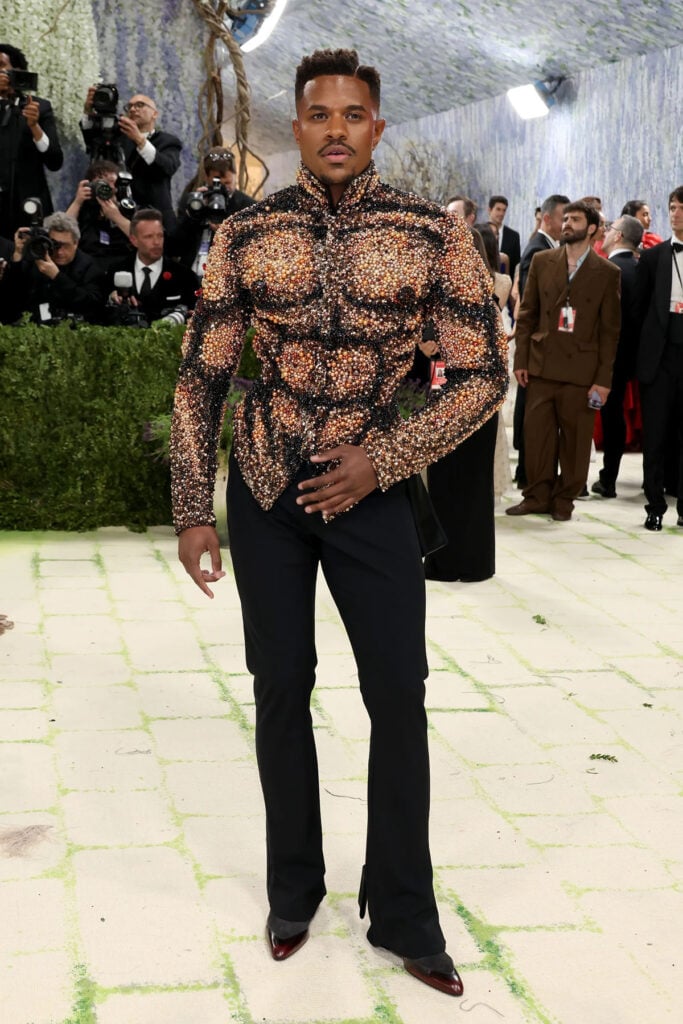
Jeremy Pope provided one of the evening’s most technically significant moments by wearing a look from the Vivienne Westwood MAN Autumn-Winter 1996/97 collection. The choice underscored the trend of "archival hunting," where celebrities and stylists source rare pieces to showcase historical depth. The ensemble featured a corseted jacket densely embroidered with an array of pearls, glass beads, sequins, and crystal embellishments.
The garment was designed to function as an anatomical study, using black contouring and strategic bead placement to create the illusion of a sculpted, muscular torso. Industry analysts noted that this look bridged the gap between armor and anatomy, a recurring motif in the "Costume Art" exhibition. The precision of the fit and the inclusion of flared trousers and sharply pointed shoes ensured that the archival piece felt contemporary rather than a mere costume. This particular look was cited by fashion historians as a tribute to the late Vivienne Westwood’s ability to subvert traditional masculinity through theatrical tailoring.
Reinterpreting Heritage: The Balenciaga Influence
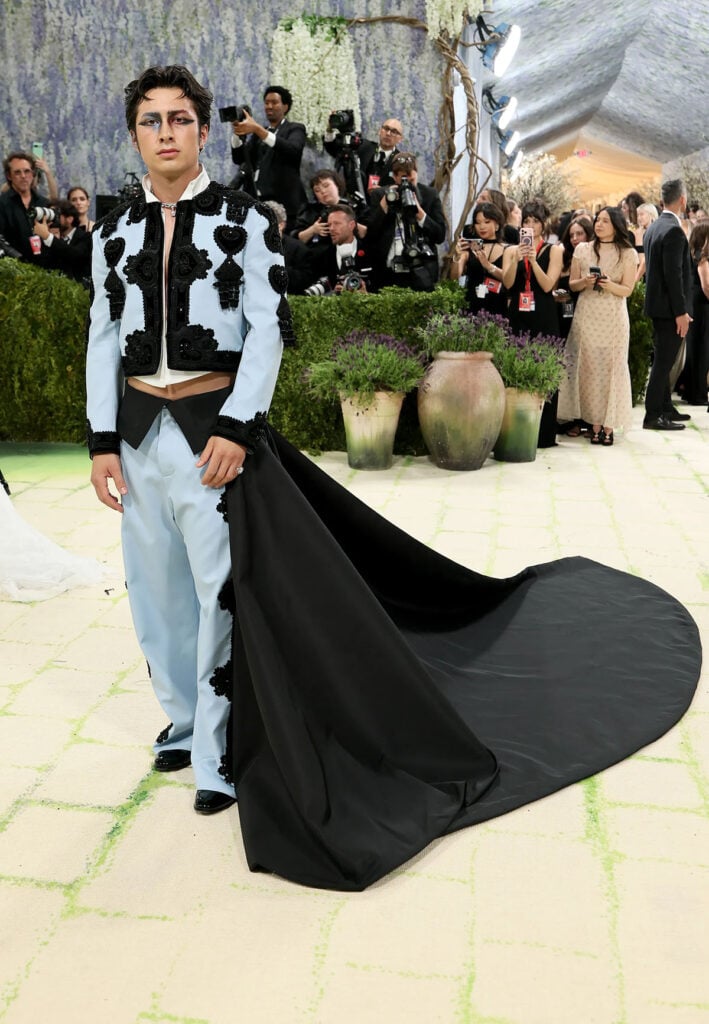
Hudson Williams, representing Balenciaga, showcased a custom pale blue matador-inspired suit. The design was rooted in the house’s deep history, specifically drawing from a 1947 bolero jacket designed by the founder, Cristóbal Balenciaga. The inclusion of a sweeping black cape and intricate black embroidery highlighted the brand’s ongoing effort to modernize its mid-century silhouettes.
The look was a collaboration that engaged with the archives through a theatrical lens, contrasting the softness of the powder blue fabric with the severity of the black cape. However, the styling of the look—which included an exaggerated smoky eye—sparked debate among fashion critics. While some viewed the makeup as a necessary performative element for the Met Gala’s "camp" sensibilities, others suggested that the strength of the tailoring alone was sufficient to convey the intended narrative.
The Intersection of Art History and Tailoring
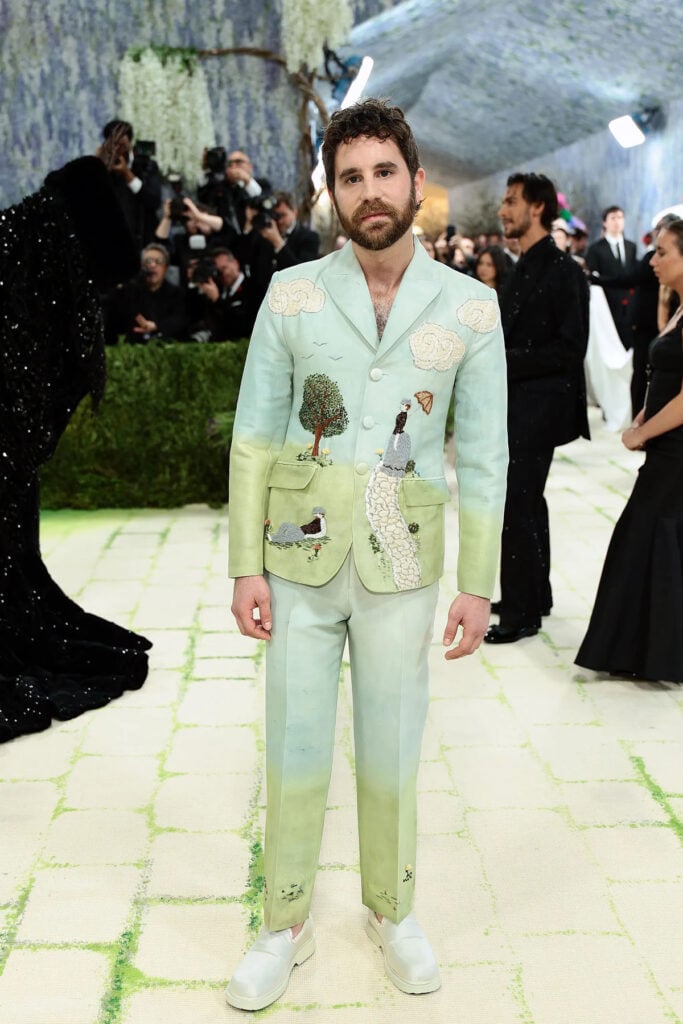
The 2026 red carpet saw a literal interpretation of the "Costume Art" theme through garments inspired by famous paintings. Ben Platt arrived in a hand-painted and embroidered suit by Tanner Fletcher. The garment was inspired by Georges Seurat’s pointillist masterpiece, A Sunday Afternoon on the Island of La Grande Jatte, which was also featured as a reference point within the exhibition itself.
The suit utilized faded mint tones and painterly embroidery to mimic Seurat’s signature technique. By opting for white shoes to maintain a light color palette, the ensemble avoided the visual weight often associated with traditional suits. This approach demonstrated a growing trend where menswear acts as a canvas for fine art, moving away from structural experimentation toward decorative storytelling.
Similarly, Patrick Schwarzenegger utilized surrealism as his primary inspiration. Wearing a custom Public School look influenced by Salvador Dalí, Schwarzenegger’s ensemble featured exaggerated leather shoulders and a sweeping coat. The inclusion of a cane, gloves, and a pencil mustache directly referenced Dalí’s eccentric personal image. Critics observed that the look successfully navigated the line between surrealist art and wearable fashion, avoiding the pitfalls of becoming a caricature.
Subculture Narratives and Queer Iconography
The 2026 Met Gala also provided a platform for exploring subculture-driven menswear. Luke Evans wore a custom leather ensemble from Palomo Spain, a designer known for challenging gender norms. The look drew heavily from the illustrations of Tom of Finland and biker iconography, incorporating studded detailing and "Ass-Air" trousers with a signature back opening.
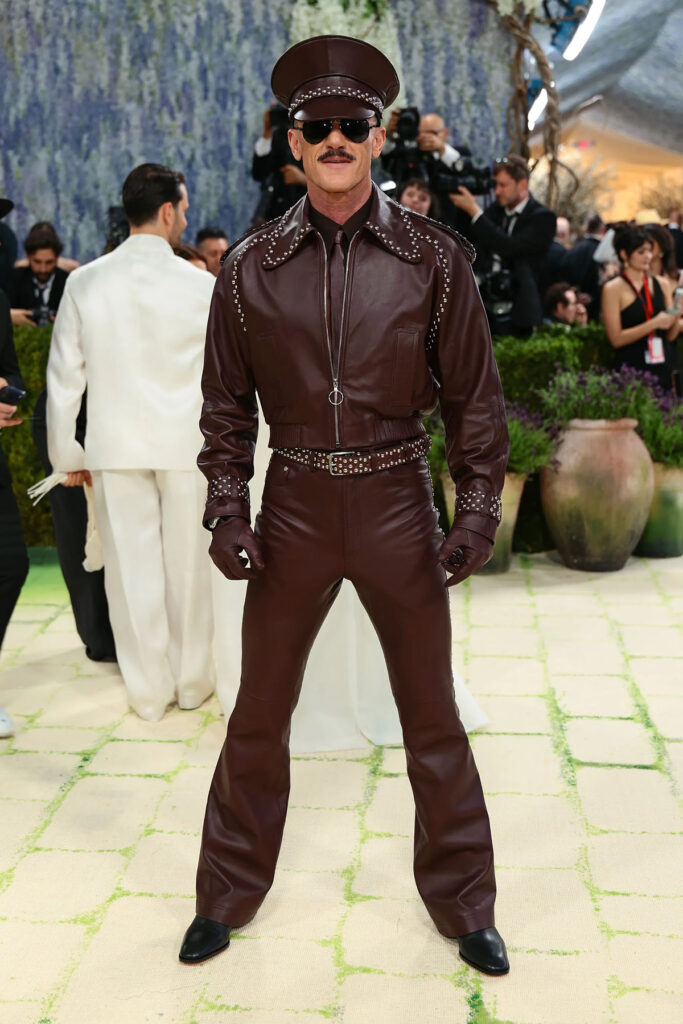
This commitment to leather culture and queer-coded uniforms represented a significant shift in what is considered "appropriate" for a formal gala. The hyper-fitted silhouette and glossy finish served as a reminder of the Met Gala’s role as a space for radical self-expression and the celebration of marginalized fashion histories.
Romeo Beckham also engaged with leather-centric themes, though through a different historical lens. His Burberry look was inspired by the self-portraits of photographer Robert Mapplethorpe. By layering a cropped leather jacket over elongated tailoring, the design referenced Mapplethorpe’s fascination with leather as a symbol of youthful rebellion and artistic uniform. The monochromatic look was accessorized with De Beers jewelry, adding a layer of high-fashion refinement to the gritty subcultural reference.

Legacy and Performance: The Michael Jackson Influence
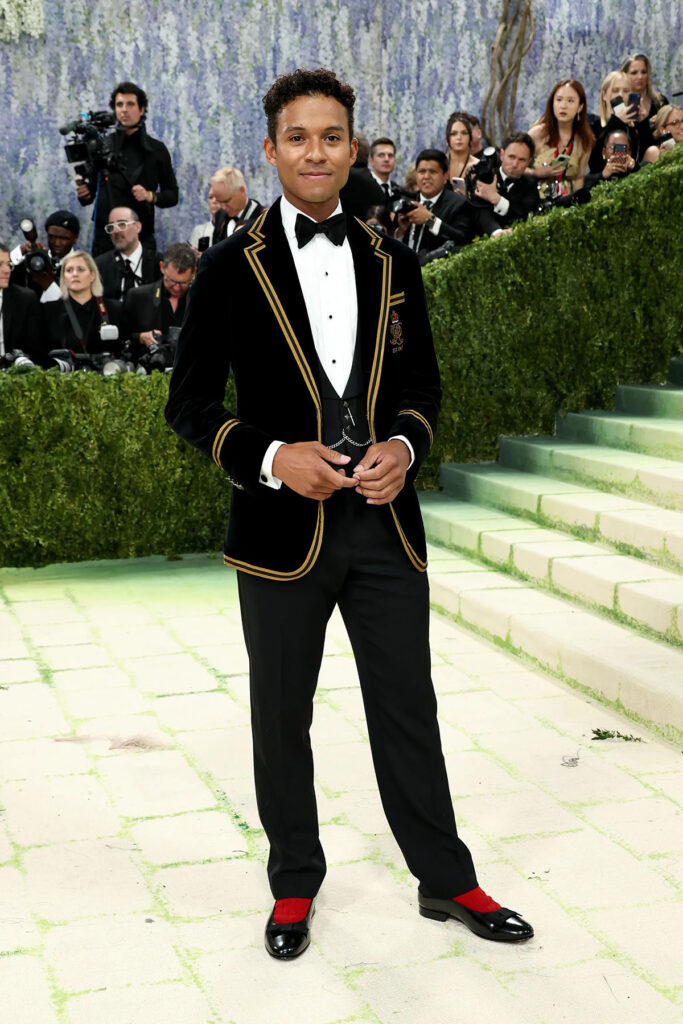
Jaafar Jackson’s appearance in Ralph Lauren tailoring highlighted the intersection of celebrity legacy and fashion. Jackson, who is set to portray his uncle Michael Jackson in an upcoming biographical film, wore a gold-trimmed velvet blazer that evoked the late King of Pop’s military-inspired stage costumes.
The most discussed element of the look was the pairing of red socks with ballet flats. This combination served as a direct nod to the history of dance and performance, specifically Michael Jackson’s ability to use footwear to highlight footwork during choreography. This "Michael Jackson Effect" demonstrated how menswear can be used to signal professional roles and personal heritage simultaneously.
Classicism vs. Experimental Volume
While many opted for historical or artistic themes, others experimented with volume and texture. Jon Batiste wore a custom ERL look that was described by observers as "Duvet Haute Couture." The oversized, padded white ensemble created a striking, cloud-like silhouette on the red carpet. While the look was praised for its boldness, some critics suggested that a more streamlined trouser would have provided a more balanced aesthetic.
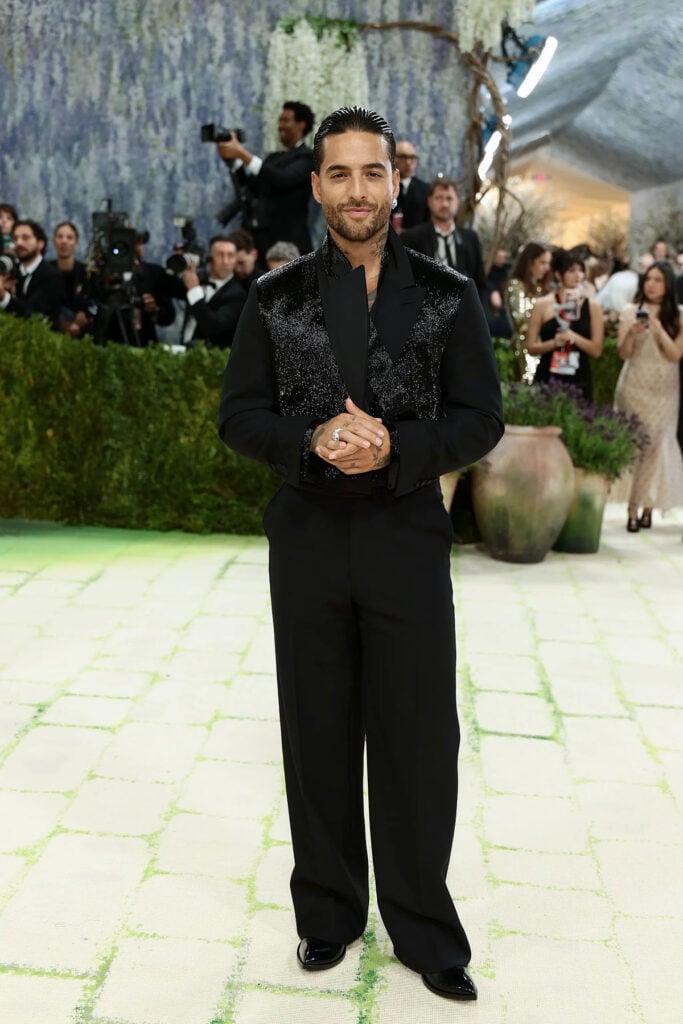
In contrast, Stanley Tucci and Maluma represented the enduring power of refined tailoring. Tucci, wearing custom Etro, opted for a hunter-green velvet tuxedo. The choice of dark green provided a subtle but effective alternative to standard black, emphasizing the richness of the fabric. Maluma wore an all-black embellished look by Tom Ford by Haider Ackermann. The garment featured a shimmering finish that provided a sense of "blackout glamour," proving that even within the confines of traditional suits, material innovation can create a significant visual impact.

Broader Impact and Industry Implications
The 2026 Met Gala confirmed that menswear has entered a new era of complexity. The reliance on archival pieces from designers like Vivienne Westwood and Cristóbal Balenciaga suggests a growing valuation of "fashion as history" among male celebrities. Furthermore, the integration of fine art references—from Seurat to Dalí—indicates that the modern male red carpet attendee is increasingly viewed as a curator of culture.
Data from social media monitoring firms indicated that menswear accounted for approximately 42% of the total digital conversation surrounding the 2026 gala, a record high. This shift is expected to influence upcoming retail trends, with a predicted rise in demand for velvet, leather-tailoring hybrids, and artisanally embroidered jackets.

As the Costume Institute exhibition opens to the public, the garments seen on the red carpet will serve as a contemporary prologue to the historical items housed within the museum. The 2026 Met Gala proved that menswear is no longer a secondary consideration but a primary driver of the event’s artistic and commercial success.