









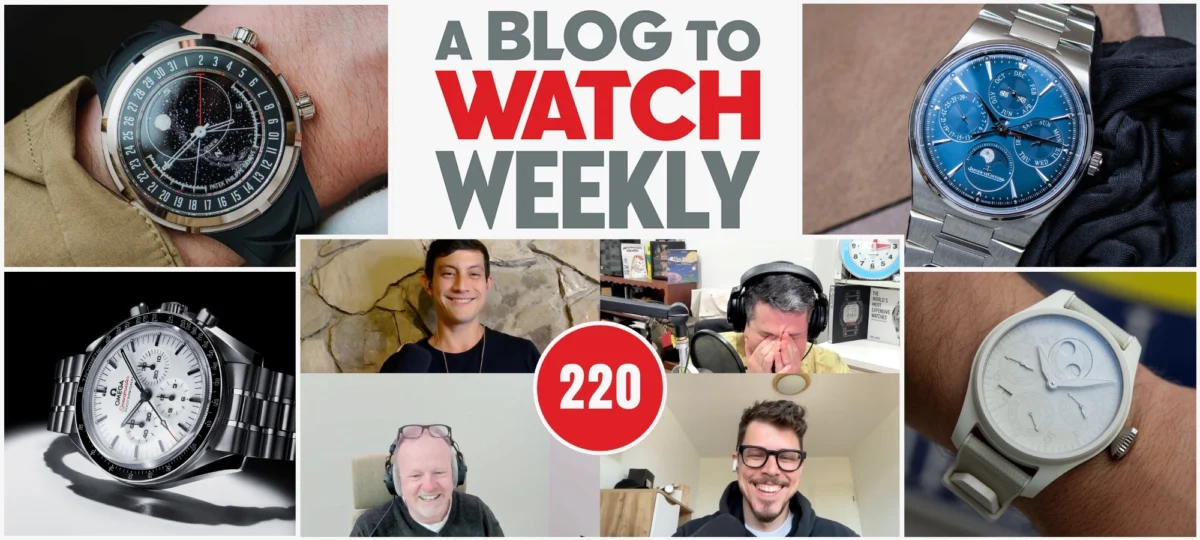
The watch industry is at a critical juncture, grappling with an unprecedented surge in pricing that is increasingly alienating enthusiasts. This week on aBlogtoWatch Weekly, the editorial team dissects this complex issue, contrasting the relentless price hikes by established luxury brands with the compelling value proposition offered by a thriving ecosystem of microbrands. The discussion delves into the economic forces underpinning events like the Windup Watch Fair, the growing momentum of smaller brands, and the long-term sustainability of current luxury watch strategies. Furthermore, the team scrutinizes one of the most talked-about releases from Watches and Wonders: the IWC fully luminous ceramic perpetual calendar, humorously dubbed "the 80K hockey puck," igniting a broader conversation about extravagance, functional complications, and the rationale behind premium pricing.
The Great Price Divide: Luxury’s Ascent and Microbrands’ Rise
For years, collectors and enthusiasts have observed a discernible upward trend in the pricing of new timepieces, particularly from heritage luxury maisons. While increased material costs, enhanced craftsmanship, and the incorporation of complex complications can justify some price adjustments, the magnitude of these increases has become a focal point of debate. Many argue that this pricing strategy, while potentially profitable in the short term by targeting a high-net-worth clientele, risks alienating the very core demographic that has fostered the watch community’s enduring passion.
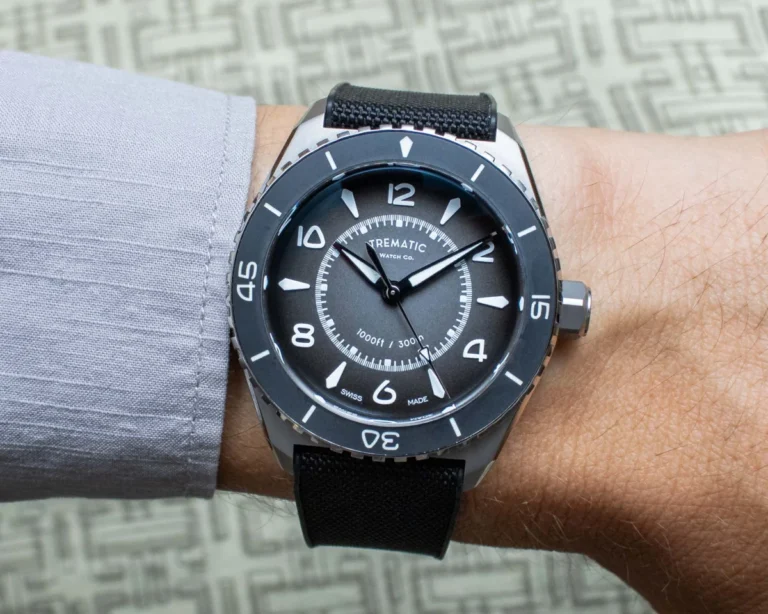
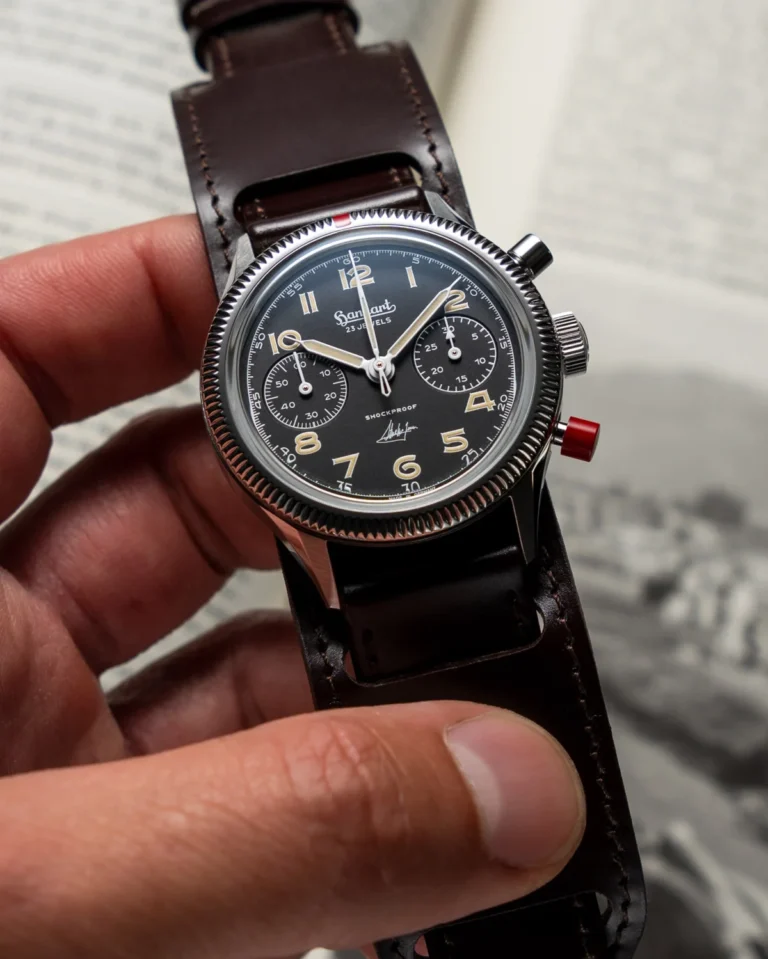
The success of microbrands offers a stark counterpoint. These agile companies, often operating with leaner overheads and direct-to-consumer models, have demonstrated that it is possible to deliver well-designed, high-quality timepieces at accessible price points. Events like the Windup Watch Fair, a prominent showcase for independent watchmakers, have become crucial platforms for these brands to connect directly with consumers. The sustained growth and enthusiastic reception of such events underscore a significant market demand for watches that offer tangible value without the premium associated with established luxury branding. Data from industry reports suggest a growing segment of the market actively seeks out value-for-money, with online forums and watch enthusiast communities frequently highlighting the exceptional offerings from smaller, independent brands.
The economic models employed by these independent brands often involve meticulous supply chain management, limited batch production, and a keen understanding of digital marketing to bypass traditional retail markups. This has allowed them to invest more in the product itself, delivering features and finishes that were once exclusive to much higher price brackets. The implications for the broader industry are significant; established brands face increasing pressure to justify their premium pricing and demonstrate genuine innovation rather than relying solely on brand heritage.
The "80K Hockey Puck": A Symbol of Audacious Luxury
The recent Watches and Wonders exhibition, a premier event in the horological calendar, provided a stage for both conservative elegance and audacious innovation. Among the latter, IWC Schaffhausen’s release of a fully luminous ceramic perpetual calendar has captured significant attention, not least for its striking aesthetic and substantial price tag, which has led to the informal moniker "the 80K hockey puck." This timepiece, clad entirely in a luminescent ceramic material, represents a bold statement in material science and design.
The perpetual calendar complication itself is a testament to mechanical ingenuity, capable of tracking the date, day, month, and year, including leap years, without requiring manual adjustment until the year 2100. When combined with an entirely luminescent case and dial, the effect is visually arresting, particularly in low-light conditions. However, the ¥80,000 price point (assuming this is a placeholder for a high price, as no specific currency was provided) has inevitably sparked discussion. This prompts questions about the balance between groundbreaking innovation, the cost of advanced materials and manufacturing, and the perceived value to the consumer.
The fascination with glow-in-the-dark watches, or timepieces with enhanced luminescence, is not new. The development of Super-LumiNova and other phosphorescent compounds has enabled watchmakers to create dials that offer exceptional legibility in the dark, a practical feature that has also become a stylistic element. However, the application of this technology to an entire ceramic case, coupled with a perpetual calendar, pushes the boundaries of what is conventionally offered.
Debating Luxury Excess and Calendar Complications
The "80K hockey puck" serves as a catalyst for a broader debate about luxury watch pricing and the value of certain complications. The question arises: are brands like IWC simply leveraging their esteemed status and technological prowess to command higher prices, or is there a genuine, quantifiable increase in value that justifies the significant investment?
While annual calendars, which require adjustment once a year (typically on March 1st), are complex mechanisms, perpetual calendars are considered the pinnacle of mechanical date-tracking. Their intricate engineering and the rarity of their inclusion in watchmaking justify a premium. However, the "80K hockey puck" pushes this premium to new heights, prompting a re-evaluation of what constitutes a reasonable price for such a feature, especially when combined with experimental materials.

This discussion also touches upon the concept of "luxury excess." Is the fully luminous ceramic case an essential feature that enhances the watch’s functionality and appeal, or is it an extravagant embellishment designed to create a talking point and command a higher price? The brand’s strategy here could be interpreted as an attempt to appeal to a segment of the market that values exclusivity, groundbreaking technology, and bold design, even at a significant cost.
The sustainability of this approach is a subject of ongoing speculation. While the ultra-high-net-worth segment of the market may absorb such prices, a broader enthusiast base might find these offerings increasingly unattainable, leading to a disconnect between brands and their traditional following. The success of microbrands, offering accessible innovation, suggests a potential market shift towards brands that prioritize value and community engagement.
Ripley’s Report from Windup Weekend San Francisco
Adding a tangible dimension to the discussion of independent watchmaking, Ripley’s firsthand account from Windup Weekend in San Francisco offers valuable insights into the current landscape. This event, a cornerstone for independent watch brands in the United States, typically showcases a diverse array of timepieces, fostering direct interaction between brand representatives and potential customers. Such gatherings are instrumental in building brand loyalty and providing immediate feedback on new designs and concepts.
The growing momentum of smaller brands, as evidenced by the continued success and expansion of events like Windup, suggests a significant shift in consumer preferences. Enthusiasts are increasingly seeking out unique designs, compelling backstories, and direct engagement with the people behind the watches. This trend challenges the traditional retail model and highlights the power of community and online engagement in the modern watch market.
The Brand Wheel of Death and Bluetooth Blues
The recurring segment, "Brand Wheel of Death," humorously symbolizes the cyclical nature of brand trends and consumer interest, with another brand seemingly succumbing to the vagaries of market attention or strategic missteps. This highlights the competitive and dynamic environment of the watch industry, where even established names can face challenges if they fail to adapt or connect with contemporary consumer desires.
David’s struggles with Bluetooth technology and podcasting, while a lighter note, subtly underscores the technical infrastructure that underpins modern media dissemination. The reliance on such technology for audio content delivery means that any disruptions can impact the reach and accessibility of these discussions, a minor but illustrative example of the technological dependencies in today’s communication landscape.
Broader Impact and Future Implications
The conversations on aBlogtoWatch Weekly this week touch upon fundamental questions about the future trajectory of the watch industry. The widening gap between luxury pricing and accessible value, the innovative yet polarizing nature of high-end novelties, and the enduring appeal of independent watchmaking all point towards a market in flux.
For established brands, the challenge lies in balancing their heritage and premium positioning with the need to remain relevant and accessible to a diverse audience. This may involve a more nuanced pricing strategy, increased focus on innovative yet practical complications, and a greater emphasis on community building. The success of microbrands serves as a potent reminder that passion, craftsmanship, and value can resonate deeply with consumers, irrespective of brand legacy.
The long-term implications of the current pricing trends remain to be seen. If luxury watch prices continue to outpace wage growth and perceived value, the market could bifurcate further, with a shrinking segment of ultra-high-net-worth individuals dominating the high-end, while the broader enthusiast base gravitates towards more accessible and value-driven options. The industry’s ability to navigate this delicate balance will undoubtedly shape its landscape for years to come. The discussions on aBlogtoWatch Weekly provide a critical platform for dissecting these trends, fostering informed dialogue, and anticipating the evolution of the horological world.