




Devi’s journey into the public eye began not with a meticulously planned viral campaign, but through organic engagement that quickly caught the attention of traditional media. Her initial brush with widespread recognition occurred last year, during the highly contested New York City mayoral primary. Devi, a vocal supporter of then-candidate Zohran Mamdani, a progressive Democratic Socialist, became inadvertently labeled a "hot girl for Zohran." This moniker, though never self-applied, was bestowed upon her by the right-leaning New York Post, which, in a characteristic move, sought to deride her for what it perceived as an out-of-touch liberal elitism—specifically, her candid admission of not recognizing acclaimed actor Wallace Shawn during a campaign event. The incident underscored the Post‘s strategy of framing progressive youth as detached from mainstream reality, a narrative that would foreshadow future confrontations with Devi.
The Rise of a Political Fashion Critic
Devi’s online presence, which seamlessly integrates elements of classic fashion content with sharp political analysis, has amassed hundreds of thousands, and often millions, of views across her platforms. Her content frequently delves into the intricate intersection of fashion and politics, a concept she passionately articulates: "Fashion and politics are the two things I’m always thinking about… At this point, I should tattoo ‘fashion is political’ on my forehead." This philosophy forms the bedrock of her unique brand of commentary, challenging the notion that personal style exists in a vacuum separate from broader societal and ideological currents.
Her videos explore a diverse range of topics, from dissecting the controversial history of designers like Elena Velez, whom she describes as a "far-right bigot," to analyzing the role of "looksmaxxing" at Demna’s Gucci debut, and even asserting why "you can’t be a Republican and dress like Carolyn Bessette Kennedy." These critiques are often interspersed with direct political statements, such as a post boldly declaring, "Abolishing ICE is the moderate position," reflecting her deep-seated progressive convictions. Amidst this, Devi also shares glimpses into her life as a fashion intern in New York City, though she strategically withholds the name of the brand she works for—a poignant indicator of the level of harassment she has faced from conservative elements online.
The White House Correspondents’ Dinner Controversy
The most recent catalyst for widespread media attention, and subsequent conservative backlash, stemmed from Devi’s fashion analysis of this year’s White House Correspondents’ Dinner (WHCD). The WHCD, an annual gala where journalists, politicians, and celebrities converge, is traditionally a high-profile event for showcasing sartorial elegance and political power. Devi, however, chose to peel back the layers of designer veneer, exposing the less glamorous origins of some attendees’ attire.
Through meticulous "digging," Devi revealed that Erika Kirk, wife of Fox News contributor Charlie Kirk, wore a gown sourced from the clearance rack at Saks Fifth Avenue. More notably, she uncovered that Jennifer Rauchet, wife of Fox News host Pete Hegseth, opted for a dress purchased from Temu, an e-commerce platform known for its ultra-low-cost goods. These revelations, shared across TikTok and X, quickly went viral, igniting a firestorm. The implications of these findings were multi-faceted: they challenged the perception of affluence and discernment often associated with public figures at such events, and they subtly underscored a perceived disconnect between the conservative elite and the aspirational image they often project.
The choice of Temu, in particular, resonated strongly. Temu, a Chinese-owned online marketplace, has rapidly gained popularity for its aggressively low prices, often raising questions about product quality, labor practices, and sustainability. For a dress from such a platform to appear at an event as prestigious as the WHCD, Devi implied, spoke volumes about the wearer’s priorities and taste, especially when contrasted with the typical high-fashion ensembles. Devi posited that this style of commentary "riles people up" because "it’s hard for people to comprehend that right-wing women have bad taste because they have less proximity to people with good taste." She noted that while the concept is readily accepted regarding "MAGA makeup," translating this understanding to clothing choices is a larger, ongoing project for her content.
Right-Wing Media’s Counterattack
The reaction from conservative media was swift and severe. In the days following Devi’s WHCD critiques, the New York Post once again "laid into her," employing its characteristic aggressive tone to discredit her. The Daily Mail, a British tabloid with a significant online presence in the U.S., went further, publishing its own scathing online article and dedicating a full page in its print edition to attacking the 18-year-old. The Daily Mail‘s headline branded her a "Lefty ‘Cheap’ Shot," an obvious attempt to diminish her critique as petty and politically motivated, while simultaneously implying a hypocritical stance given her own engagement with fashion. This media onslaught, however, seemed to embolden Devi rather than deter her. "They keep trying to character assassinate me, but it’s not working – they’re making me sound cool," she stated, demonstrating a resilience often seen in Gen Z creators who navigate intense online scrutiny.
The sustained focus from prominent right-wing publications on an 18-year-old social media critic highlights a broader culture war dynamic. Devi, a young, Brown woman with unapologetically left-wing views, represents a demographic that often challenges traditional power structures and conservative narratives. By scrutinizing the fashion choices of conservative figures, she inadvertently weaponizes the very superficiality often dismissed by political commentators, transforming it into a vehicle for social and political critique.
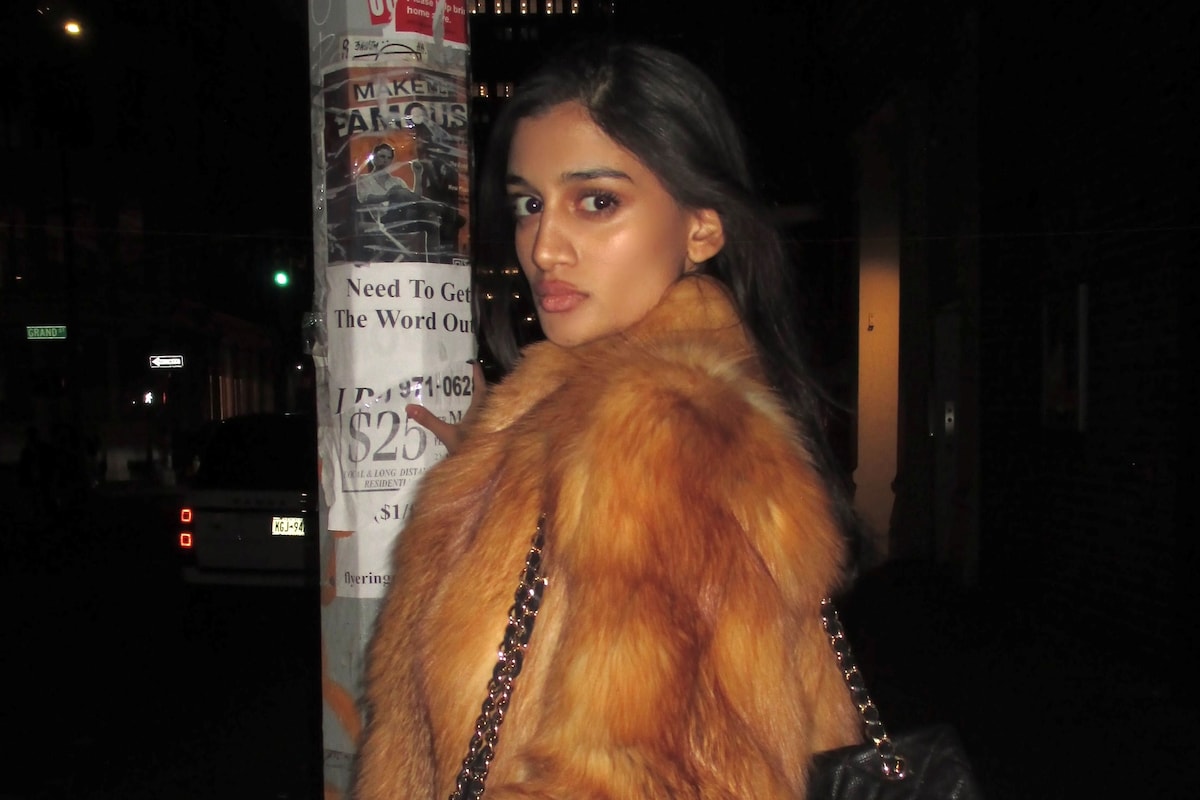
Fashion as a Political Statement: Givenchy and Gramsci
Devi’s core argument, that "fashion is political," underpins her entire content strategy. She aims to educate her audience, particularly "the girls," to "know their Givenchy and their Gramsci!" This playful yet profound statement references Antonio Gramsci, the influential Italian Marxist philosopher who explored concepts of cultural hegemony—how dominant ideologies are maintained through cultural institutions and everyday practices, including aesthetics and style. By linking high fashion (Givenchy) with critical theory (Gramsci), Devi suggests that clothing is never just fabric and thread; it is a powerful form of social signaling, imbued with meaning, status, and political alignment.
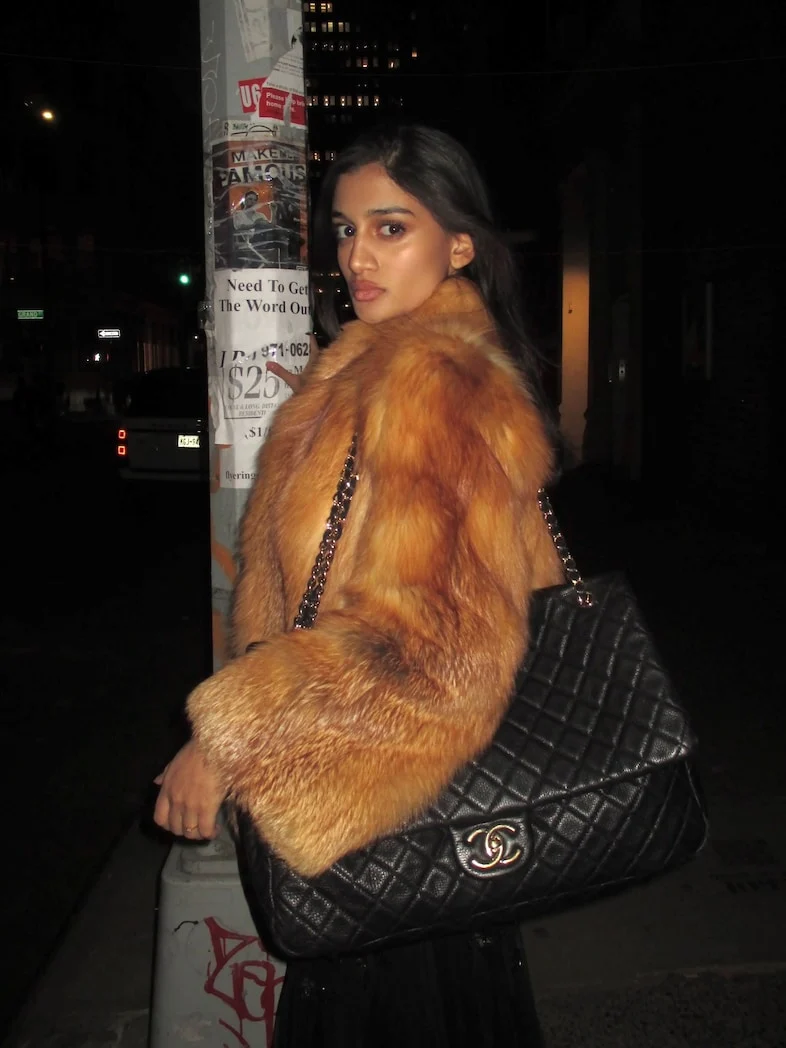
She argues that in an era where "the right wing has been making every effort to rebrand themselves as fashionable"—citing examples like the Bezos Met Gala—it becomes crucial to "correct the narrative." Her content serves as a counter-hegemonic force, exposing the often-unspoken codes and contradictions within political aesthetics. When critics accuse her of hypocrisy for professing left-wing politics while engaging with luxury items like vintage Chanel, Devi counters by emphasizing that every sartorial choice is a form of social signaling, inextricably linked to the political climate.
Personal Journey and Professional Aspirations
Beyond her online persona, Ella Devi is an English & Philosophy student at Parsons School of Design, a prestigious institution renowned for its fashion and design programs. Her immersion in the fashion world began remarkably early, having worked in the industry since the age of 14. Her inaugural experience was with a small, independent brand, which, like many nascent ventures in the challenging economic climate, has since become defunct. Despite its short lifespan, this early role provided valuable exposure, securing talent placements for the brand with figures like Addison Rae and SZA. This early, hands-on experience cemented her path, transforming a nascent interest into a professional pursuit.
Devi attributes much of her professional growth and resilience to her online "fashion network," particularly women she has connected with on X. These "industry elders," some only in their twenties, provide crucial guidance in an industry that can be notoriously demanding for young women. This digital mentorship highlights the evolving nature of professional development in the age of social media, where traditional hierarchical structures are supplemented by peer-to-peer online communities.
Her personal style is as distinct as her commentary, described as "a little ironic and over-the-top, like a caricature of a teenage girl from the early 2010s." She frequently incorporates vintage Marc Jacobs and draws inspiration from old Red Valentino lookbooks. A self-proclaimed admirer of Blair Waldorf’s "absolutely ridiculous" outfits from Gossip Girl, Devi finds joy in an aesthetic that is both playful and deliberate. Her fashion icons, however, reveal a deeper intellectual current: Joan Didion, the iconic American writer known for her incisive prose and minimalist chic, and Rama Duwaji, a stylist and creative consultant celebrated for her sophisticated taste. This blend of high-brow intellectualism, pop culture nostalgia, and ironic self-awareness encapsulates Devi’s multifaceted identity.
Broader Implications and Future Outlook
Ella Devi’s emergence signals a significant shift in the landscape of political and cultural commentary. She represents a new generation of digital creators who are unafraid to challenge established narratives, leveraging social media platforms to deliver nuanced, often provocative, analysis directly to a massive audience, bypassing traditional media gatekeepers. Her ability to translate complex political ideas through the accessible lens of fashion demonstrates the increasing fluidity between different cultural spheres.
Her ongoing clashes with right-wing media also underscore the intensifying culture wars in the United States. Devi, a young, articulate, and ethnically diverse voice from the left, becomes a convenient target for outlets seeking to portray progressive viewpoints as radical, hypocritical, or out of touch. However, her defiant response—that these attacks only make her "sound cool"—suggests that such smear campaigns may be losing their intended effect on younger audiences who are more accustomed to online scrutiny and less swayed by traditional media narratives.
In five years, Devi anticipates more of the same, albeit on an amplified scale. "Given that I undergo a right-wing smear campaign every six months, in five years I’ll probably have ten more smear campaigns under my belt," she quips. This outlook reflects not only her realism but also her unwavering commitment to her mission. As the political and fashion worlds continue to intertwine, Ella Devi stands as a compelling figure, carving out a unique space where style meets substance, and where the superficial can be profoundly political.