




Architectural Context and Venue Significance
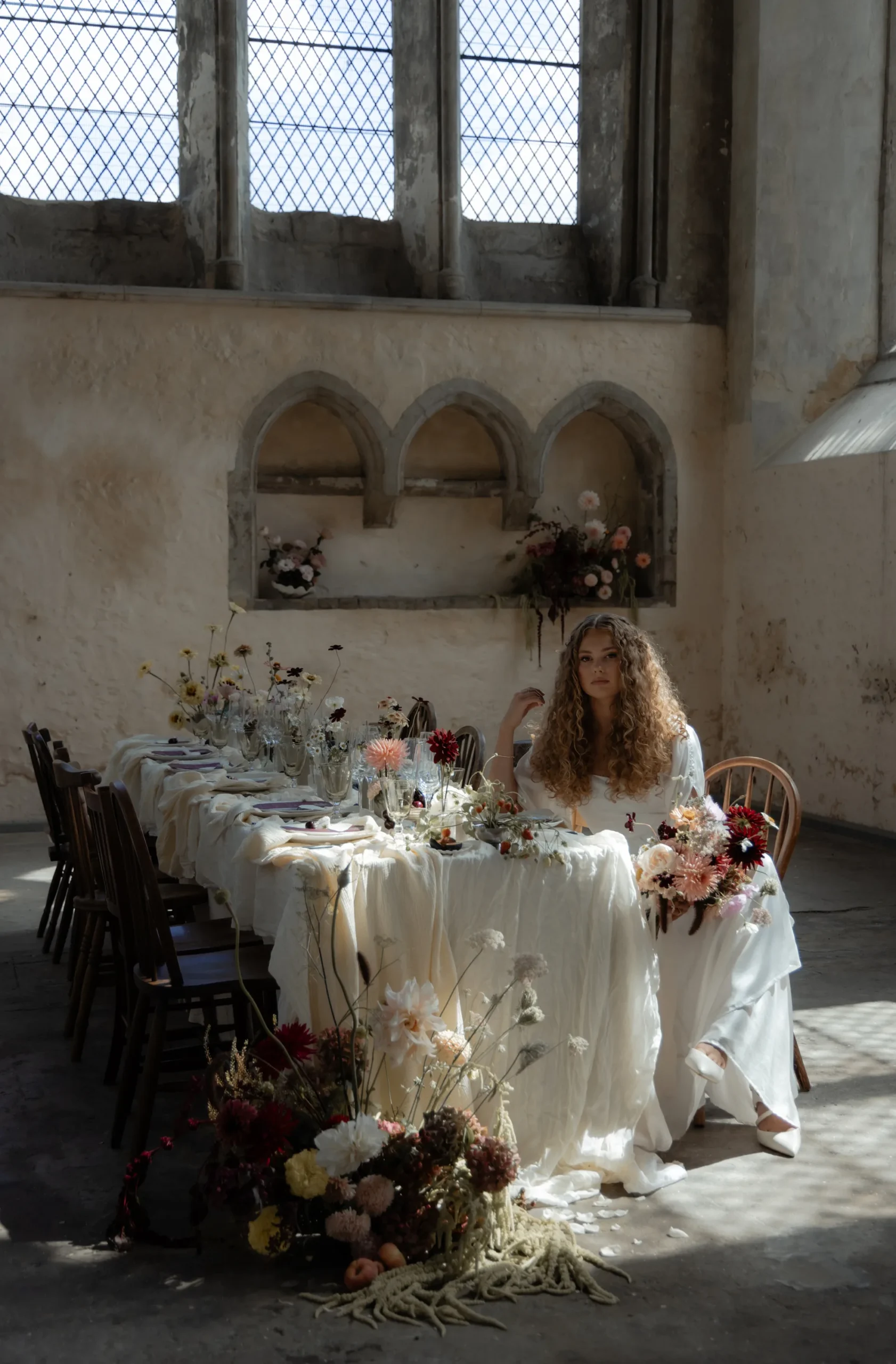
The selection of The Guildhall in Chichester as the primary location for this editorial was a strategic choice dictated by the building’s unique structural history. Managed by The Novium Museum, The Guildhall is a Grade I listed building situated in the heart of Priory Park. Its origins date back to the 13th century when it was constructed as the chancel of a Franciscan friary. The venue is characterized by its soaring ceilings, vast windows, and unpolished stone walls, which provide a neutral yet deeply textured backdrop for high-end bridal styling.
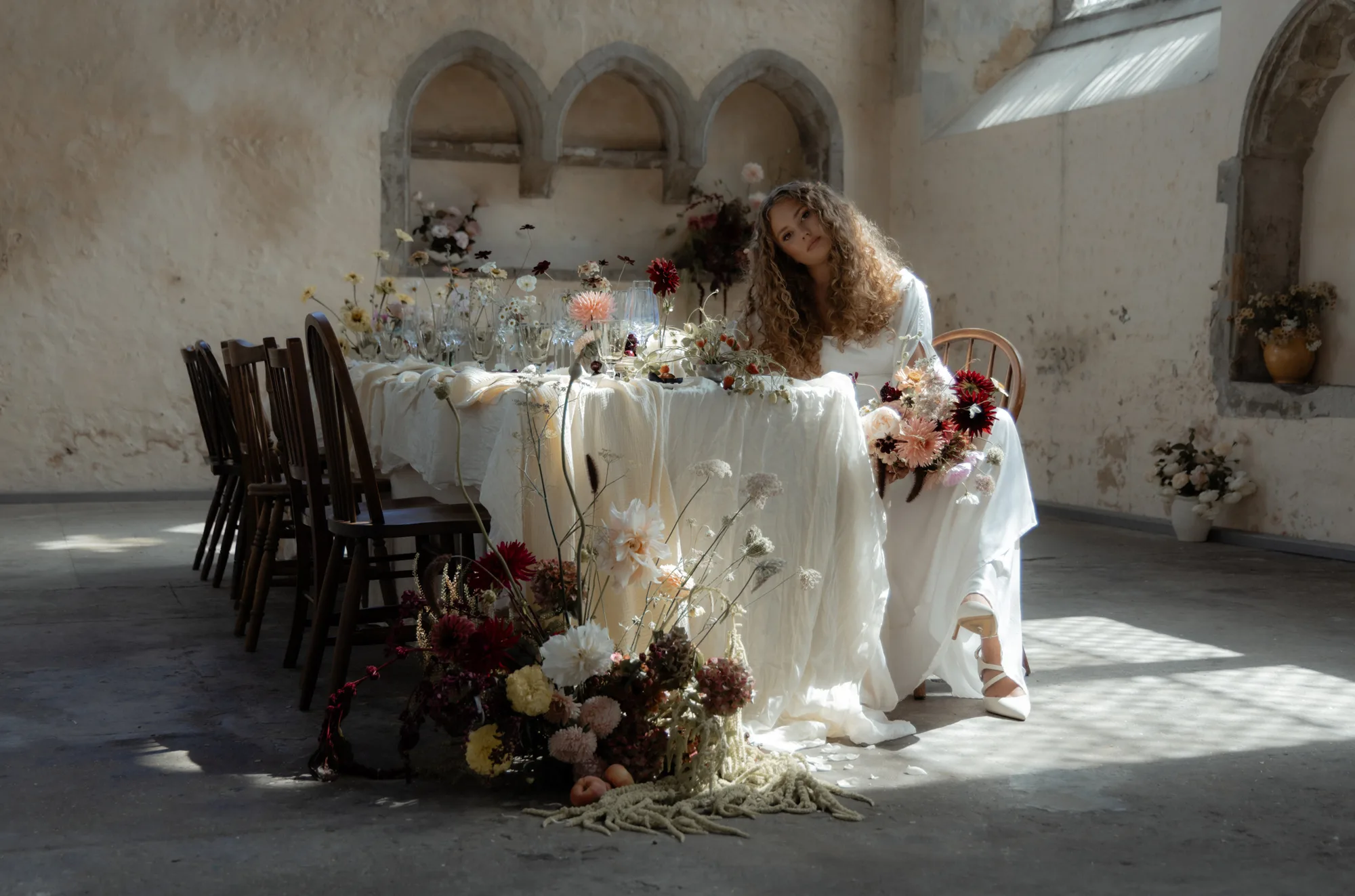
From a design perspective, the venue’s "raw" state allowed the creative team to build layers of visual storytelling without the interference of modern decorative distractions. The architectural scale of the building—specifically its height and the way natural light filters through the Gothic-style windows—complemented the "ethereal and grounded" mood sought by the organizers. For the wedding industry, the use of such heritage sites underscores a growing trend where couples seek "quiet luxury" and historical depth over traditional, highly manicured ballroom settings.
The Pre-Raphaelite Aesthetic: A Revival of Romanticism
The creative vision for the shoot was explicitly inspired by the Pre-Raphaelite movement of the mid-19th century. This artistic style, characterized by its attention to detail, rich color palettes, and romanticized depictions of nature and folklore, has seen a resurgence in the 2024-2025 bridal season. The editorial translated these classical elements into a modern wedding context through several key design pillars:
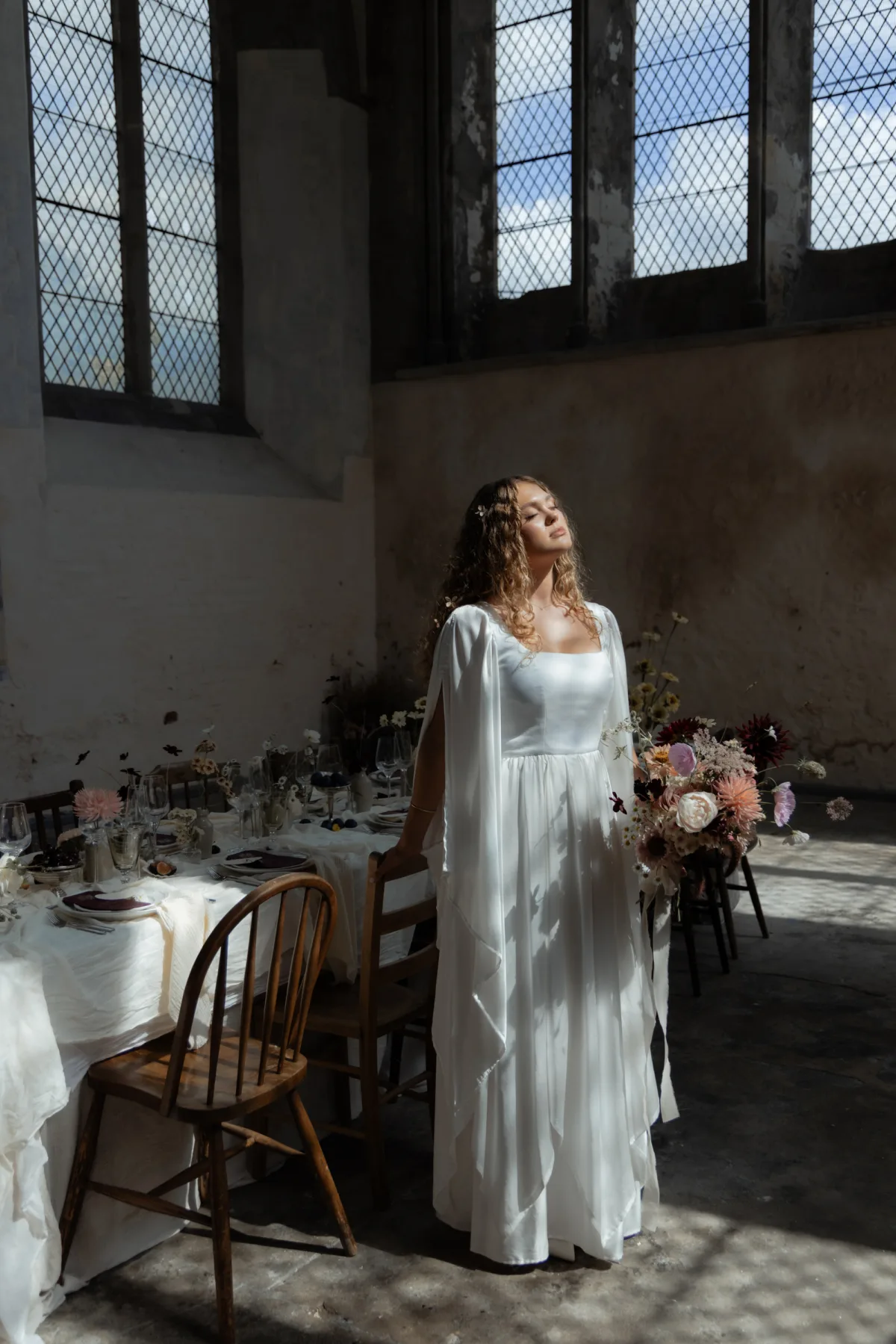
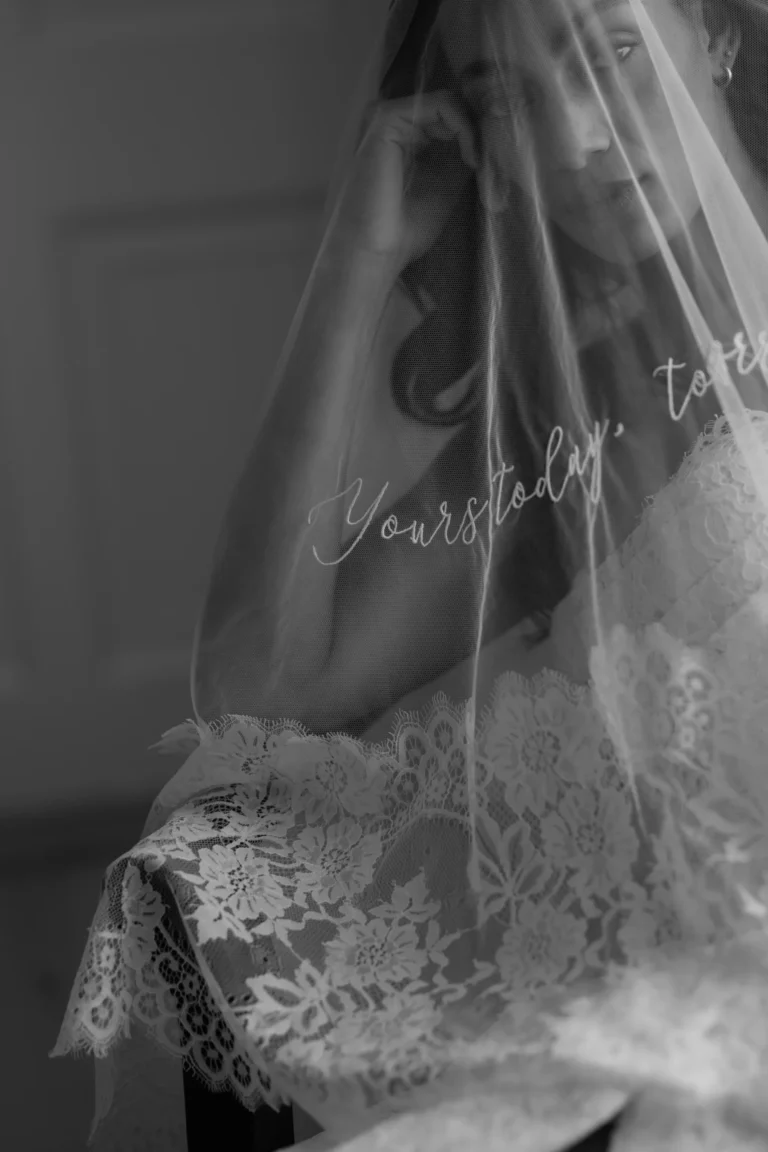
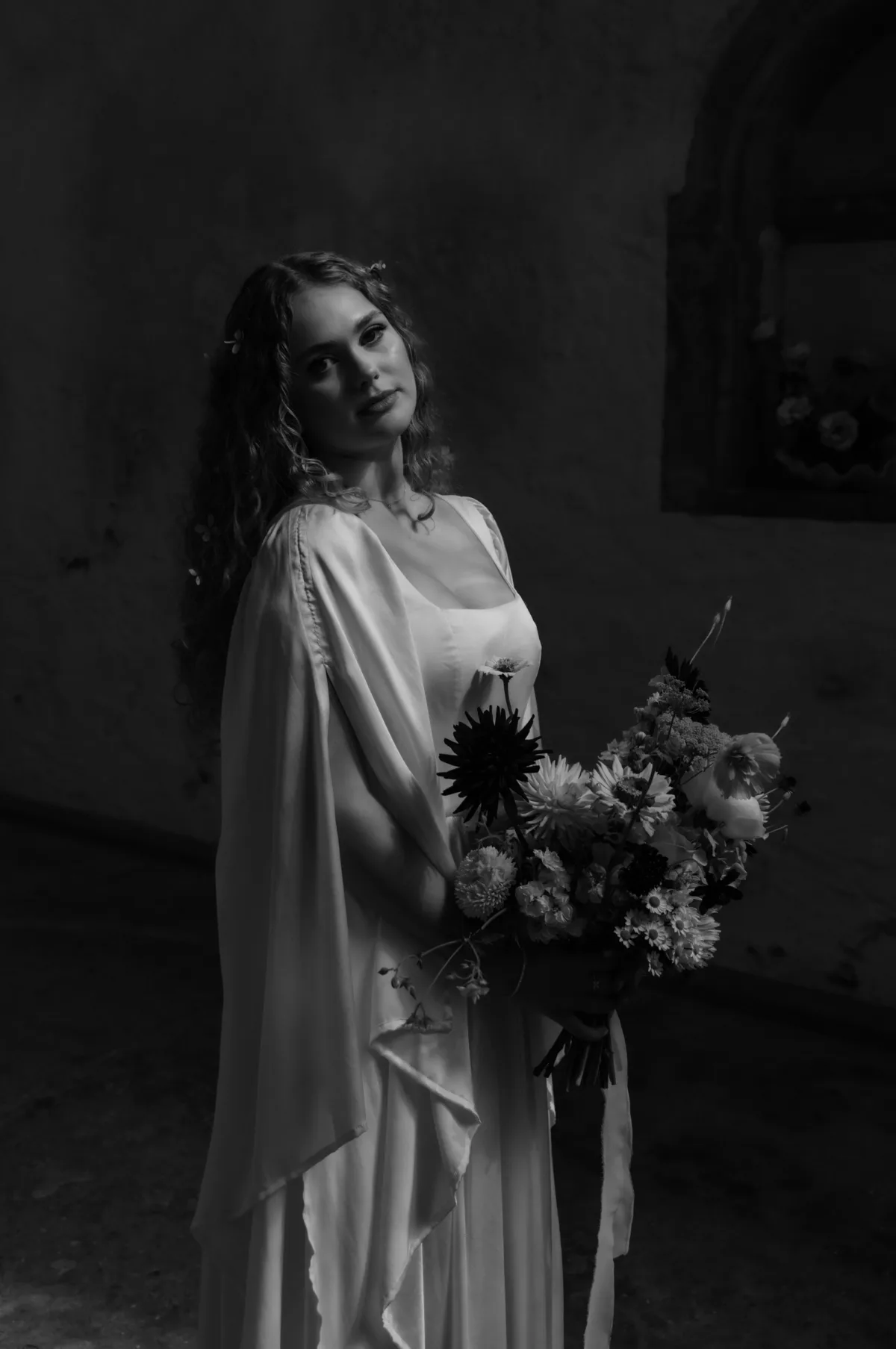
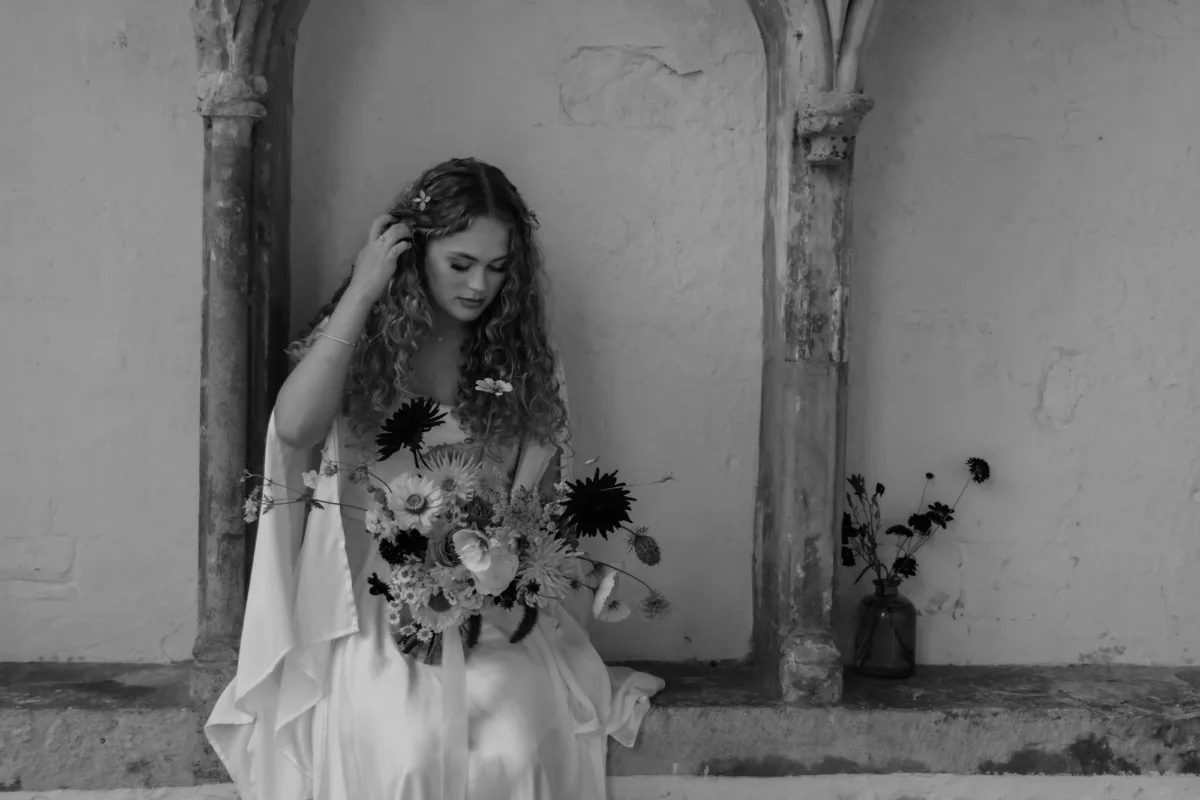
- Fluidity of Movement: The bridal gowns selected for the shoot were chosen for their layered, lightweight fabrics. These materials were designed to catch the light and respond to the model’s movement, mimicking the flowing drapery found in the paintings of Dante Gabriel Rossetti and John Everett Millais.
- Unstructured Beauty: Moving away from the rigid "polished" bridal looks of previous decades, the hair styling featured large, wild curls. This "untamed" approach aligns with the Pre-Raphaelite ideal of natural, effortless beauty, providing a stark contrast to the structured stone environment of The Guildhall.
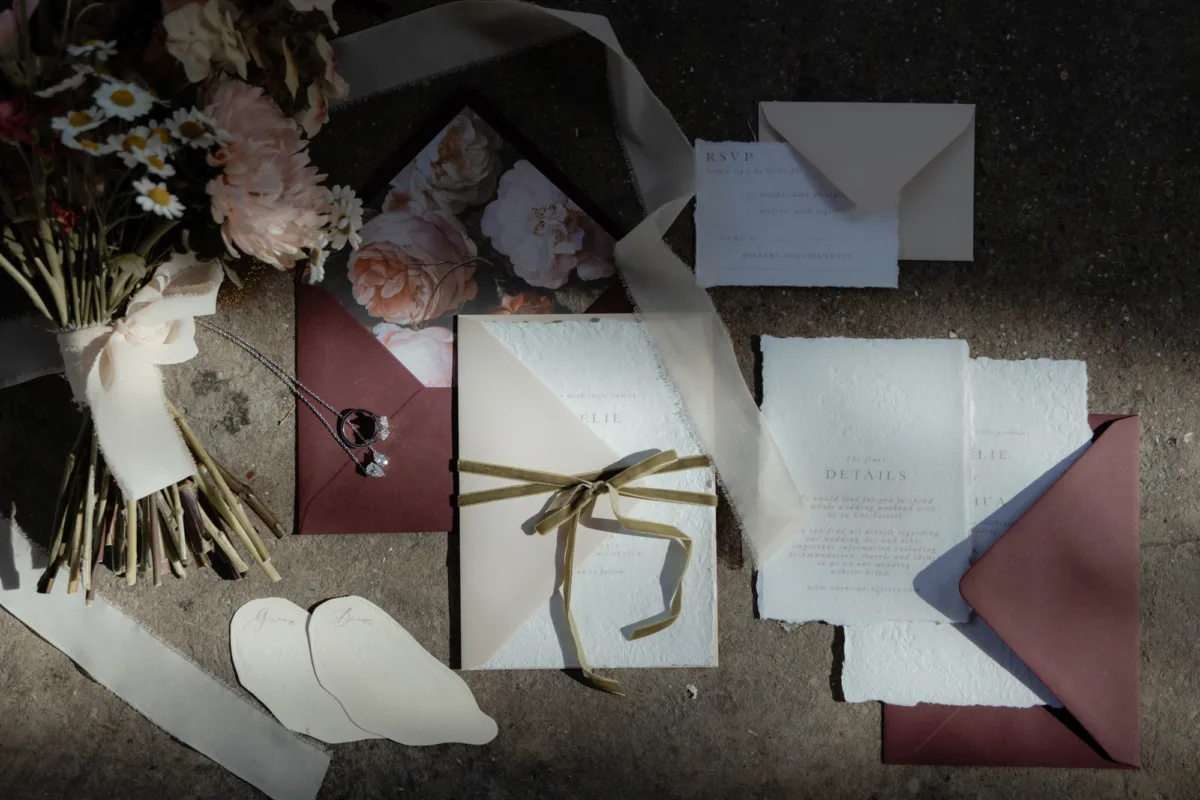
- Color Theory: While the base palette consisted of airy creams and butter yellows, the introduction of deep plum accents provided a "dramatic statement" that prevented the aesthetic from appearing overly monochromatic. This use of dark jewel tones to anchor lighter pastels is a hallmark of the Romantic era’s visual language.
Technical Execution: The Resurgence of 35mm Film
A pivotal element of this editorial’s success was the integration of 35mm film photography alongside digital captures. Photographer Lucy Fergusson intentionally wove film shots into the final collection to achieve a specific "softness and grain" that digital sensors often struggle to replicate authentically.
In a professional journalistic analysis of the current photography market, the return to analog film is more than a nostalgic trend; it is a response to the "over-sharpened" nature of modern mobile and digital imagery. The chemical process of film photography creates a unique color science and a "timeless, painterly quality" that enhances the storytelling aspect of a wedding. By utilizing film, Fergusson was able to capture the movement of the gowns and the delicate textures of the flowers with a level of organic depth that supports the Pre-Raphaelite theme. This dual-format approach allows photographers to provide the speed and reliability of digital files while offering the soul and artistic character of analog media.
Styling and Floral Artistry: Collaborative Innovation
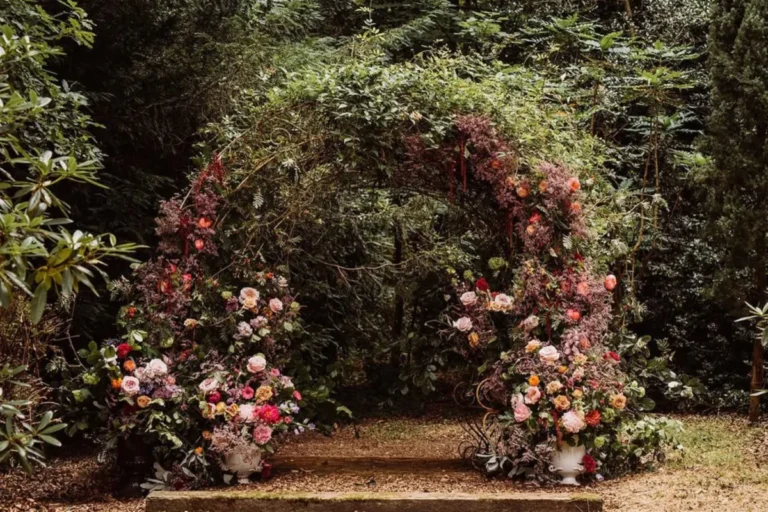
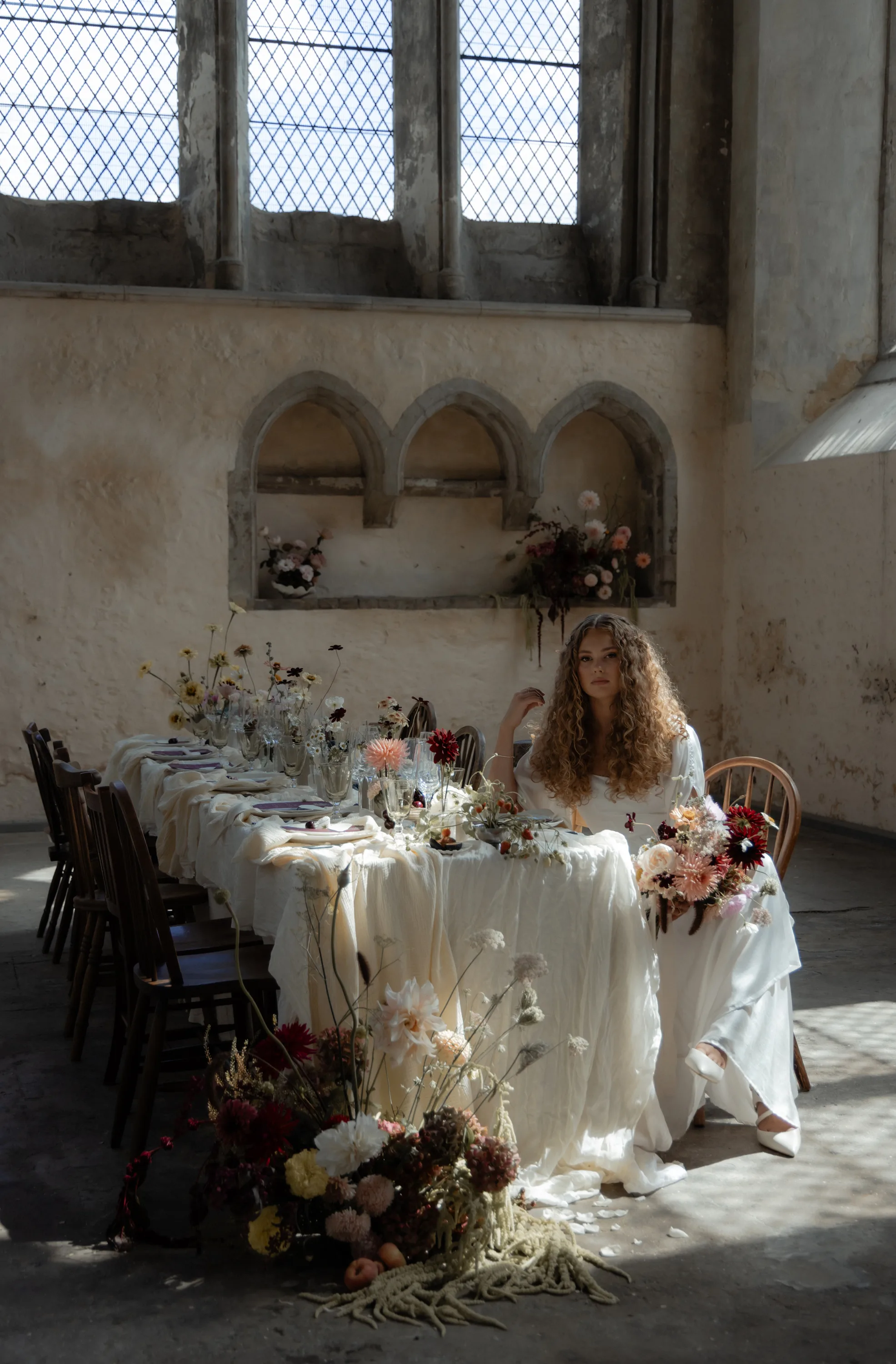
The editorial’s atmosphere was further defined by the contributions of Whimsy’s Floral Design and the styling firm Luna And The Lane. The floral arrangements were designed to look "abundant" yet natural, avoiding the stiff geometry of traditional bouquets. Instead, the flowers appeared as though they were part of the building’s internal landscape, climbing up plinths and cascading over dining tables.
Sally, representing Luna And The Lane, detailed the meticulous process of balancing the venue’s historic weight with a "light and airy" tabletop design. The team utilized a mix of tactile materials:
- Textiles: Draped fabrics were used on both dining tables and ceremony plinths to soften the hard edges of the stone floor.
- Tableware: A combination of clay, glass, and porcelain was selected to provide an earthy, grounded feel.
- Furniture: Vintage wooden chairs were incorporated to maintain a sense of organic continuity, ensuring the setup did not feel "over-curated" or artificial.
This "layered" styling approach is indicative of a broader shift in the wedding industry toward "experiential design," where the goal is to create a cohesive environment that feels like a "love story couples can simply step into," rather than a series of disconnected decorative elements.
Supplier Profiles and Regional Impact
The success of the Chichester editorial highlights the concentration of creative talent within the South East of England. Lucy Fergusson Photography, based in West Sussex, has established a reputation for "editorial wedding photography" that emphasizes honest documentary storytelling. Her inclusion in elite wedding directories reflects a high standard of professional excellence and a commitment to the "warmth and soul" of wedding imagery.
Whimsy’s Floral Design and Luna And The Lane also represent a tier of suppliers who prioritize bespoke, concept-driven work over mass-market trends. By collaborating on high-concept editorials like the one at The Guildhall, these small businesses contribute to the local economy and elevate the profile of West Sussex as a premier destination for heritage weddings.
Implications for the Modern Wedding Industry
The "A Whimsical and Romantic Pre-Raphaelite Inspired Bridal Editorial" offers several insights into the future of the wedding market:
- The Value of Authenticity: There is a clear move toward "soulful and deeply personal" celebrations. Couples are increasingly looking for ways to make their weddings feel like a living piece of art rather than a standard event.
- Heritage Venues as Blank Canvases: The Guildhall project proves that historic sites do not need to be "modernized" with heavy decor. Instead, their "raw, unpolished character" can be the primary asset of the wedding’s design.
- The Hybrid Media Model: The use of both film and digital photography is becoming a standard for high-end weddings, providing couples with a comprehensive archive that is both functional and artistic.
In conclusion, the editorial at The Guildhall is a masterclass in how to synthesize history, art, and modern bridal trends. By drawing inspiration from the Pre-Raphaelite movement and utilizing the unique textures of a 13th-century friary, the creative team has produced a body of work that is both timely and timeless. For the broader industry, it serves as a reminder that the most compelling wedding stories are those that are told through a lens of atmosphere, feeling, and a deep respect for the environment in which they unfold. As the wedding sector continues to evolve, the integration of analog techniques and heritage-focused design will likely remain at the forefront of luxury bridal aesthetics.