








The first quarter of 2026 has brought to light a critical assessment of the fashion and beauty industry’s commitment to sustainability, with Good On You, a leading ethical rating platform, releasing its latest findings. Out of 362 brands evaluated between January and March, a mere 8% — just 28 labels — achieved a coveted "Good" or "Great" rating. This stark figure underscores a persistent transparency deficit and a lag in responsible practices across a significant portion of the global market. Amidst this challenging landscape, three Australian brands distinguished themselves, with one, Goodnap, soaring to an impressive 98 out of 100 points, highlighting pockets of excellence within the broader industry. These high-scoring brands, along with others receiving top marks, offer a beacon for consumers seeking to align their purchasing power with their values, providing essential bookmarks for future sustainable investments in clothing and jewellery.
The Imperative of Brand Ratings: Good On You’s Mission and Methodology
Since its inception in 2015, Good On You has positioned itself as the backbone of informed sustainable consumerism. Its mission is clear: to empower individuals to discover and support ethical fashion and beauty brands globally. In an industry often plagued by opaque supply chains and the pervasive practice of "greenwashing," Good On You analysts undertake the meticulous task of "reading between the seams." This involves a rigorous evaluation process that uncovers brands causing harm, exposes misleading sustainability claims, and champions those genuinely committed to positive impacts on people, the planet, and animals.
The methodology employed by Good On You is both comprehensive and transparent, relying exclusively on publicly available information. This crucial stipulation means that if a brand’s environmental policies, labour practices, or animal welfare commitments are not accessible for public scrutiny, they cannot be factored into its rating. This approach incentivises transparency, pushing brands to openly share their progress and challenges. Each month, analysts rate new brands and meticulously review existing ratings, ensuring that the information provided to consumers remains accurate, up-to-date, and reflective of a brand’s ongoing journey towards sustainability. This dynamic assessment is accessible through Good On You’s dedicated app and online directory, providing real-time insights to a growing community of conscious shoppers.
Q1 2026 Performance Snapshot: A Call for Greater Accountability
The first quarter of 2026 presented a sobering reality check for the industry. Of the 362 fashion and beauty brands subjected to Good On You’s stringent rating system, the overwhelming majority failed to meet the benchmarks for the highest accolades. The 8% figure for "Good" and "Great" scores—translating to just 28 brands—reveals a significant gap between industry aspirations and actual performance. This outcome is not an anomaly but rather a reinforcement of long-standing patterns observed by Good On You.
The primary reasons for brands failing to achieve higher ratings are twofold: either they are demonstrably not implementing sufficient responsible practices across their operations, or they are failing to disclose the actions they are taking. In an era where consumer demand for ethical sourcing and production is surging, this lack of transparency is a critical impediment to progress. The consequence of this opacity is direct: brands that do not publicly share their environmental footprint, labour conditions, or material sourcing details cannot be adequately assessed, often resulting in lower scores regardless of their internal efforts. This underscores the profound impact of public disclosure as a cornerstone of genuine corporate responsibility in the modern fashion landscape.
The Disparity: Small Innovators Outpace Large Incumbents
A consistent and striking pattern observed in Good On You’s ratings, reaffirmed in Q1 2026, is the superior performance of smaller brands compared to their larger counterparts. All of the top-rated brands highlighted in this quarter are independent, smaller-scale enterprises, while a significant proportion of the worst-rated entities are large, established corporations. This dichotomy presents a crucial point of analysis: despite possessing vastly greater purchasing power, influence, and resources to effect systemic change, bigger businesses frequently fall short of the expected levels of transparency and positive impact.
This phenomenon can be attributed to several factors. Smaller brands often begin with sustainability embedded in their core mission, allowing for greater agility, direct oversight of supply chains, and a more intimate connection with their values. They can implement ethical practices from conception, choosing lower-impact materials, local manufacturing, and fair labour practices without the burden of legacy infrastructure or complex global networks. Conversely, large corporations, with their intricate, often fragmented supply chains spanning multiple continents and numerous subcontractors, face immense challenges in achieving full transparency and implementing comprehensive ethical reforms. The sheer scale of their operations can make traceability a daunting, costly, and protracted endeavour.
A spokesperson for Good On You, reflecting on these findings, might comment, "The Q1 2026 results once again highlight a critical industry challenge: while smaller, mission-driven brands are demonstrating impressive commitment and transparency, many larger players continue to lag. This isn’t just about consumer choice; it’s about holding powerful entities accountable. We urge larger brands to leverage their significant influence to drive systemic change, rather than merely paying lip service to sustainability without public verification." This ongoing disparity reinforces the notion that true ethical leadership often emerges from agile, purpose-driven entities, putting pressure on industry giants to recalibrate their priorities and accelerate their sustainability agendas.
Spotlight on Excellence: The Top 5 Sustainable Brands of Q1 2026
The first quarter of 2026 brought forth a collection of brands that exemplify dedication to ethical practices, setting a high standard for the industry. Good On You’s latest assessment celebrates five brands that either received outstanding initial ratings or significantly improved their existing scores. Notably, three of these top performers hail from Australia, showcasing the nation’s growing influence in the sustainable fashion and jewellery sectors.
-
Goodnap: A Model of Ethical Sleepwear (98/100 Points)
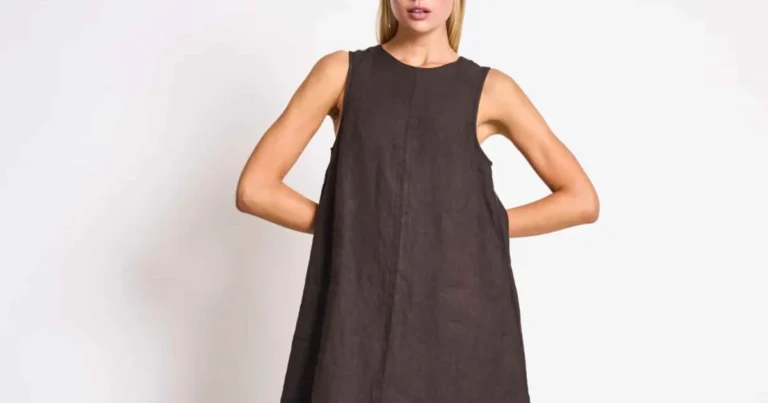
Topping the list with an exceptional score of 98 out of 100 points is Goodnap, an Australian brand revolutionising sleepwear. Goodnap’s commitment extends beyond mere comfort, deeply integrating social and environmental responsibility into its core operations. The brand specialises in crafting exquisite linen and organic cotton restwear, materials chosen for their lower environmental impact, including reduced water consumption and absence of harmful pesticides compared to conventional alternatives. What truly sets Goodnap apart is its profound social mission: garments are handcrafted by survivors in Cambodia, offering them dignified employment opportunities that are crucial for rebuilding their lives. This commitment to equitable employment ensures fair wages, safe working conditions, and skills development, fostering economic independence and empowerment within vulnerable communities. Goodnap demonstrates that luxurious comfort can coexist with profound social impact, making it a true leader in ethical production. -
Serpent and the Swan: Crafting Conscious Jewellery
Hailing from Sydney, Australia, Serpent and the Swan has earned high marks for its deeply personal and ethically crafted jewellery. This brand stands out for its meticulous approach to creating keepsake items, including necklaces, rings, bracelets, and earrings, all imbued with a sense of bespoke artistry. A cornerstone of Serpent and the Swan’s sustainability ethos is its exclusive use of recycled fine metals. This practice significantly reduces the environmental impact associated with new metal mining, which often involves habitat destruction, water pollution, and high energy consumption. Furthermore, every piece is handcrafted to order, minimising waste from overproduction and ensuring a unique connection between the artisan, the material, and the wearer. Serpent and the Swan exemplifies how luxury and personal expression can be achieved through responsible sourcing and traditional craftsmanship. -
BJ’s PJs: Australian Comfort with a Conscience
Another Australian success story, BJ’s PJs, was founded with the clear mission to create minimal, comfortable, and supportive lounge and sleepwear, all while upholding robust sustainability standards. The brand’s dedication to lower-impact materials is evident in its product lines, carefully selecting fabrics that reduce environmental strain. Crucially, BJ’s PJs commits to local manufacturing within Australia, a strategic choice that significantly reduces the carbon footprint associated with long-distance shipping and supports local economies. The brand also distinguishes itself through its diligent tracing of most of its supply chain, providing greater transparency and accountability for its production processes. Catering to a diverse customer base, BJ’s PJs offers its comfortable garments in an inclusive size range from XS to 4XL, demonstrating a commitment to both environmental and social equity. -
All We Remember: US Innovation in Gender-Neutral Fashion
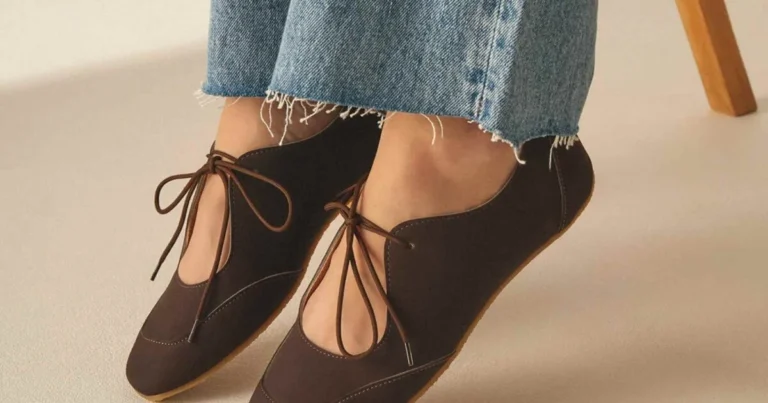
From the United States, All We Remember emerges as a brand founded on the principle that "marrying innovative design and responsible ecological production is the best way forward." This philosophy permeates its entire collection, which features gender-neutral clothing designed for versatility and longevity. The brand prioritises the use of lower-impact materials, carefully selected to minimise environmental harm throughout their lifecycle. Furthermore, All We Remember champions local manufacturing, a practice that not only reduces transportation emissions but also supports skilled labour within its community. By focusing on timeless, inclusive designs and conscientious production, All We Remember offers a compelling vision for the future of fashion—one that values both style and ecological integrity. -
Purusha People: Activewear Blending Style and Sustainability
Purusha People, a brand that has seen an improvement in its already high score, continues to impress with its range of activewear. Known for adding dainty, intricate details to its garments, Purusha People offers functional and stylish pieces for an active lifestyle. The brand’s commitment to sustainability is rooted in its use of organic plant-based materials. These natural fibres are not only gentle on the skin but also on the planet, avoiding the harsh chemicals and intensive resource use often associated with conventional synthetic activewear. Designed to wick away sweat while maintaining a comfortable "chill" factor, Purusha People’s creations support both physical practice and environmental principles. The brand further promotes inclusivity by stocking its pieces in sizes from XS to 4XL, ensuring that sustainable activewear is accessible to a broader audience.
The Shadow Side: Brands Earning the ‘We Avoid’ Rating
While some brands are making commendable strides, a significant portion of the industry continues to fall short. In the first quarter of 2026, Good On You assigned its lowest score, "We Avoid," to 113 out of the 362 brands rated—a concerning 31%. These brands demonstrate insufficient commitment to people, the planet, or animals, primarily due to a critical lack of transparency or a verifiable absence of concrete action across their supply chains. A score of zero against Good On You’s methodology signifies a complete failure to provide public information regarding their environmental, labour, or animal welfare policies and impacts.
Among these 113 brands, five stood out for their particularly egregious lack of transparency, receiving a definitive zero score:
- Urban Revivo
- Gerry Weber
- Documents Beauty
- Gas Jeans
- Cotton & Silk
These ratings serve as a stark warning to consumers and a clear call to action for the brands themselves. In an age where information is readily available, a complete lack of public disclosure is often interpreted as an unwillingness to be accountable, raising legitimate concerns about their actual practices.
Broader Implications for the Fashion Industry: A Shifting Paradigm
The findings from Good On You’s Q1 2026 ratings carry significant implications for the broader fashion and beauty industries, signalling a paradigm shift towards greater accountability and conscious consumerism.
Consumer Empowerment and Informed Choices: The proliferation of accessible rating platforms like Good On You empowers consumers like never before. With clear, concise, and independently verified information, individuals can make purchasing decisions that align with their ethical values, directly influencing market demand. This growing awareness is fostering a more discerning consumer base that prioritises sustainability alongside style and price. The ease of checking a brand’s rating through an app or directory transforms every purchase into a statement of values, moving beyond superficial trends to foundational ethics.
Industry Accountability and Competitive Pressure: The public disclosure of ratings exerts considerable pressure on brands to improve their practices. A low score can deter potential customers, impacting sales and brand reputation. Conversely, high scores offer a distinct competitive advantage, attracting a growing segment of environmentally and socially conscious shoppers. This dynamic encourages brands to invest in more sustainable materials, implement fairer labour practices, and enhance supply chain transparency, not just for ethical reasons but also for commercial viability. The race to the top for sustainability is becoming as crucial as the race for market share.
The Future of Fashion: Towards a Transparent and Responsible Ecosystem: The consistent pattern of small, mission-driven brands leading the charge, while larger corporations struggle with transparency, points to an urgent need for systemic change. While scaling ethical production presents inherent challenges, the expectation from both consumers and regulatory bodies is for major players to leverage their vast resources to drive comprehensive reforms. This includes investing in innovative sustainable technologies, establishing robust traceability systems, and fostering genuinely equitable relationships with their global workforce. The insights from Q1 2026 highlight that the future of fashion is inextricably linked to its ability to become truly transparent, regenerative, and socially just. As the conversation around climate change and social equity intensifies, such ratings will become indispensable tools for guiding both industry evolution and consumer engagement.
Good On You’s ongoing work underscores the critical role of independent analysis in shaping a more responsible fashion landscape. As analysts continue to rate and review, the call for transparency and concrete action resonates louder than ever, urging every brand, big or small, to contribute positively to people, the planet, and animals.
Editor’s Note: Feature image by Serpent and the Swan, all other images via brands mentioned. Good On You publishes the world’s most comprehensive ratings of fashion and beauty brands’ impact on people, the planet, and animals. Use their directory to search thousands of rated brands.