







The global sustainable fashion sector finds itself at a critical juncture in April 2026, grappling with formidable economic headwinds and shifting geopolitical landscapes. While the relentless churn of fast fashion trends continues to dominate, a powerful counter-narrative of resilience and innovation is being forged by smaller, ethically-driven brands committed to reshaping the industry for the better. This month, despite challenges that have seen prominent sustainable fashion entities struggle or even close, a spotlight shines on the crucial developments and advancements by brands championing conscious consumption and ethical production.
The Shifting Sands: Economic Pressures on Sustainable Fashion
Recent announcements have cast a pall over the sustainable fashion community, underscoring the severe pressures facing the movement. Fashion Revolution, a cornerstone advocacy group, revealed the closure of its UK headquarters, citing funding difficulties. Simultaneously, Mila.Vert, a highly-rated sustainable brand celebrated for its ethical practices, announced its cessation of operations. These instances are not isolated but symptomatic of a broader economic malaise impacting the sector. Statements from both organizations pointed to escalating costs and a challenging funding environment, mirroring the broader global economic instability.
Governments worldwide, facing immediate fiscal pressures, have, in many instances, demonstrably shifted focus away from ambitious climate goals and the reduction of fossil fuel reliance. This pivot has direct consequences for sustainable businesses, often reliant on supportive policy frameworks, grants, and consumer incentives that are now dwindling. Concurrently, ongoing geopolitical crises have triggered significant spikes in material costs, shipping expenses, energy prices, and export tariffs. For small and medium-sized enterprises (SMEs) in the sustainable fashion space, these increased operational burdens are often insurmountable, eroding already slim margins. Consumers, too, are feeling the pinch, with the rising cost of living leading to reduced discretionary spending, particularly on higher-priced sustainable alternatives. Data from a recent consumer sentiment survey indicates a 12% drop in spending on ethical fashion items compared to the previous year, with price sensitivity identified as the primary deterrent for 60% of respondents.
Historical Perspective and Future Outlook: A Pendulum of Progress
While the current climate may feel discouraging, a recent comprehensive report titled "Ride the Waves" by the prominent think tank Futerra offers a crucial historical perspective, suggesting that progress in sustainable movements rarely follows a linear path. The report meticulously documents that the pendulum of progress has been swinging between periods of rapid advancement and temporary setbacks since as far back as the 1960s. "There’s always been upwaves and downwaves," states Solitaire Townsend, co-founder of Futerra, in a recent interview. "The current slump in media coverage and investment will track back up again, we suspect, in early 2027, driven by renewed policy focus and technological breakthroughs."
Futerra’s analysis highlights that previous "downwaves" in environmental and social movements were often correlated with global recessions, energy crises, or shifts in political priorities. However, each downturn eventually paved the way for a stronger resurgence, often fueled by increased public awareness, more robust scientific consensus, and innovative solutions emerging from periods of constraint. This historical context provides a beacon of hope, suggesting that the current challenges, while significant, are part of a larger, cyclical progression towards a more sustainable future. The report’s projection for a recovery by early 2027 is predicated on anticipated global economic stabilization and the increasing recognition of climate change as an existential threat requiring urgent, coordinated action.
Spotlight on Resilience: Innovations in Sustainable Fashion this April 2026
Against this backdrop of economic uncertainty, numerous independent and pioneering brands continue to push the boundaries of ethical production and innovative design. This April, we celebrate five such developments that not only offer tangible alternatives for conscious consumers but also embody the spirit of resilience and progress within the sustainable fashion industry. These brands, meticulously vetted by our rigorous ratings system, exemplify the "Good" and "Great" standards we uphold, proving that ethical fashion is not only possible but also deeply desirable.
1. Triarchy’s ‘Great’ Western-Inspired Ranchero Denim Collection
Leading the charge in sustainable denim innovation, Triarchy, a brand consistently rated ‘Great’ for its environmental and labor practices, has unveiled its new Western-inspired Ranchero collection. Renowned for its commitment to plastic-free stretch denim, Triarchy continues to redefine industry standards. The Ranchero line is crafted entirely from 100% organic cotton, a choice that significantly reduces the environmental footprint compared to conventional cotton. Organic cotton cultivation avoids synthetic pesticides and fertilizers, thereby protecting soil health, biodiversity, and water quality. It also typically requires substantially less water, with estimates suggesting up to 90% less water usage in rain-fed organic systems compared to irrigated conventional cotton.
A standout feature of the Ranchero collection is its innovative plaid pattern, achieved through advanced laser technology rather than traditional, chemical-intensive dyeing processes. This method drastically cuts down on water consumption and the discharge of harmful chemicals into wastewater, addressing a major environmental concern in denim production. Traditional denim finishing can involve dozens of hazardous chemicals and millions of liters of water per year for a single factory. Triarchy’s approach demonstrates a tangible step towards cleaner production. The collection, featuring a skirt, jacket, and jeans adorned with intricate appliqué detailing, evokes a timeless, rugged elegance. Its design longevity, coupled with its robust, organic materials, positions these pieces as enduring staples rather than fleeting trends, appealing to consumers like Kacey Musgraves who value both style and substance.
2. Pangaia’s Rain-Fed European Linen Summer Line-Up
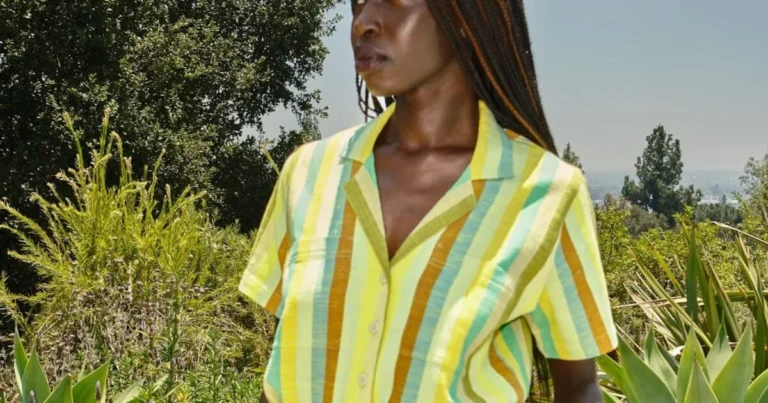
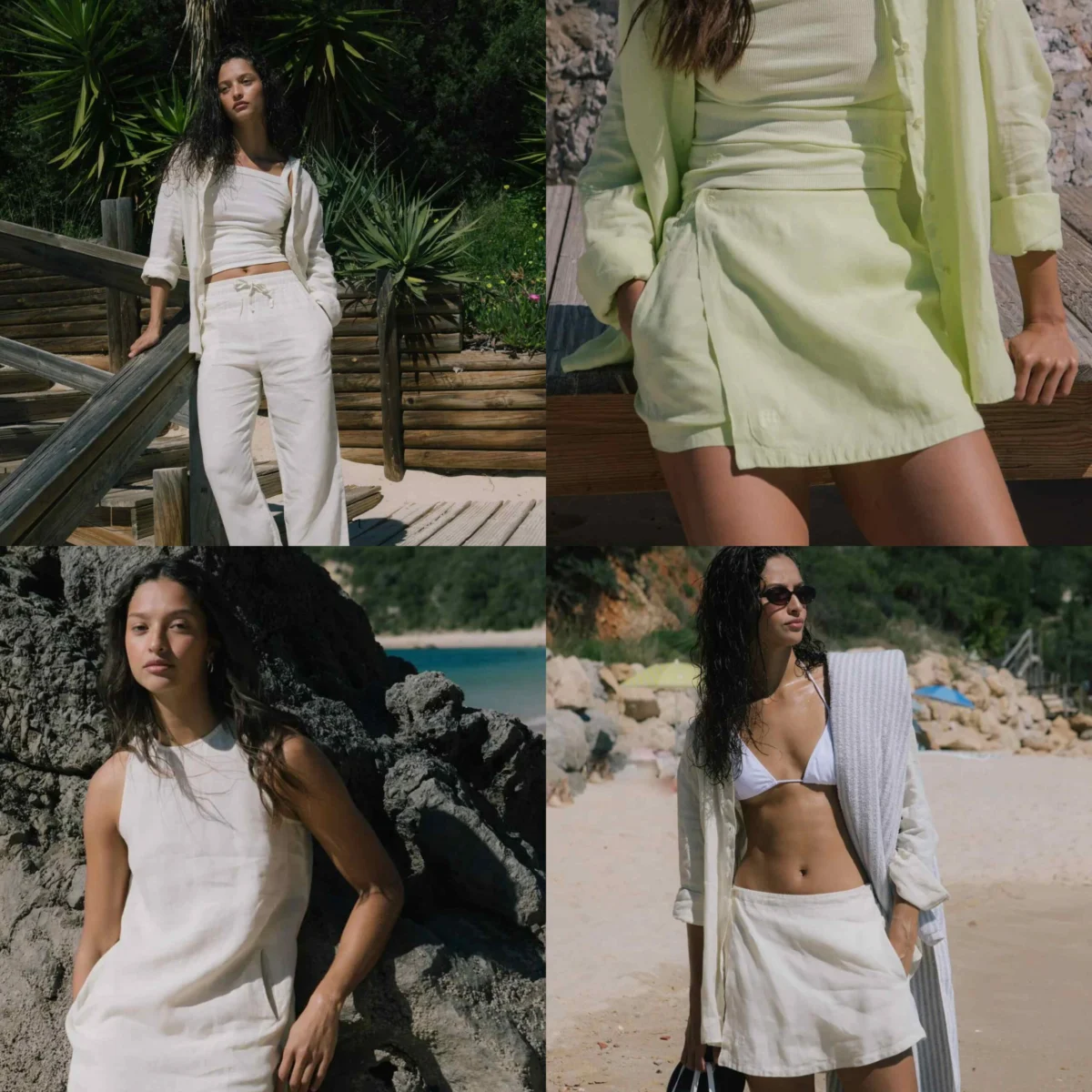
Pangaia, a brand consistently earning a ‘Great’ rating for its science-backed materials and transparent supply chains, has launched its summer collection prominently featuring rain-fed European linen. Linen stands as one of the most environmentally benign fibers available, celebrated for its minimal impact and inherent benefits. Derived from the flax plant, linen requires significantly less water and fewer pesticides than cotton, and crucially, it can thrive in poor soil conditions, often without the need for irrigation. The "rain-fed European linen" designation by Pangaia highlights a commitment to sourcing practices that minimize water abstraction and support regional agriculture, further reducing its ecological footprint.
Beyond its environmental credentials, linen offers exceptional comfort and functionality for the wearer. Its natural fibers are highly breathable, quick-drying, and possess superior temperature-regulating properties, making it an ideal choice for warmer climates. This inherent durability and comfort align perfectly with Pangaia’s philosophy of creating "materials science company" products that last. The new collection emphasizes timeless basics, cut in comfortable, minimalist shapes designed to serve as foundational pieces in any wardrobe. This focus on enduring design and high-quality, sustainable materials directly counters the disposability of fast fashion, encouraging consumers to invest in versatile items that will remain relevant and wearable for many seasons to come. This approach helps to extend garment life cycles, which is critical in reducing textile waste, a global issue seeing approximately 92 million tons of textile waste generated annually.
3. Bario Neal Co-owner Page Neal Demystifies Jewellery Industry Greenwashing
In commemoration of Earth Day this April, Page Neal, co-owner and designer of the ‘Great’-rated ethical jewellery brand Bario Neal, provided invaluable insights into navigating the complex world of jewellery sustainability. Her recent interview serves as essential reading for anyone seeking to understand the nuances of ethical sourcing and production in a sector often plagued by opacity and greenwashing. Neal meticulously explained how smaller, independently owned labels like Bario Neal often possess a distinct advantage over larger, publicly owned corporations in achieving genuine ethical practices. Without the immense pressure to maximize quarterly profits, smaller brands can prioritize costly but ethical sourcing, invest in transparent supply chains, and foster direct relationships with artisans and miners, ensuring fair labor practices and environmental stewardship.
Neal delved into critical questions surrounding popular "sustainable" claims, particularly regarding lab-grown diamonds and recycled metals. While lab-grown diamonds are often marketed as a superior ethical choice, Neal highlighted the importance of understanding the energy intensity of their production, urging consumers to inquire about the energy sources used in their creation (e.g., renewable vs. fossil fuels). She also cautioned against accepting "recycled metal" at face value, emphasizing that the ethical credential depends heavily on the purity of the recycled material, the energy used in the recycling process, and the origin of the scrap metal itself. Without rigorous standards and transparency, claims can easily become superficial. Neal’s intervention empowers consumers with the knowledge to critically assess marketing claims and make truly informed decisions, advocating for a deeper understanding of the entire lifecycle of a product, from raw material extraction to finished good. This educational effort is particularly timely as the global jewelry market, valued at over $270 billion, increasingly faces scrutiny over its environmental and social impact.
4. Jiwya’s Plant-Based Fibres Runway Collection
Good On You’s editors first took note of Jiwya after seeing Collective Fashion Justice founder Emma Håkansson sporting one of their distinctive woven jackets. In March, the ‘Great’-rated brand took to the prestigious stage of Paris Fashion Week, a significant platform, to unveil its latest collection. What set this showcase apart was Jiwya’s unwavering commitment to an entirely plant-based approach – a collection devoid of any synthetic dyes, threads, or fibers, and unequivocally free from animal-derived materials. This radical commitment positions Jiwya at the forefront of the vegan and truly sustainable fashion movement.
Now available on its website, the gender-neutral line is a testament to the beauty and versatility of natural materials and traditional craftsmanship. Each garment features plant-based dyes, hand-embroidered detailing, and materials that are both hand-spun and hand-woven. This meticulous process not only imbues each piece with unique character but also supports artisan communities, preserving invaluable traditional skills and providing sustainable livelihoods. By eschewing synthetics, Jiwya tackles the pervasive issue of microplastic pollution from clothing and ensures that their garments are biodegradable at the end of their long life. The collection’s emphasis on heirloom quality and timeless design encourages a paradigm shift in consumer behavior: investing in pieces that are meant to be cherished and worn for years, if not decades, fundamentally challenging the fast fashion cycle of disposability. The use of traditional methods also significantly reduces the energy footprint associated with industrialized textile production, offering a holistic approach to sustainability.
5. The Handmade Dresses in Dilli Grey’s New Collection
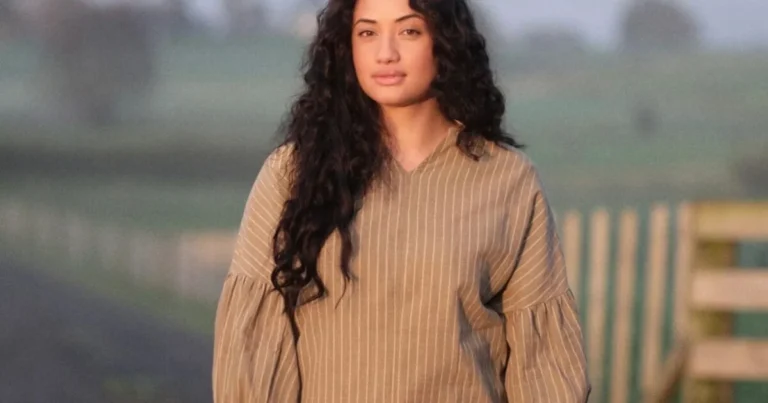
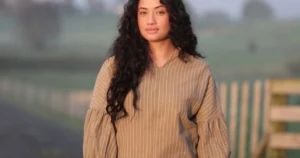
Dilli Grey’s new collection of dresses offers a vibrant celebration of artisanal craftsmanship and cultural heritage. Each dress is beautifully patterned using traditional block printing techniques, a labor-intensive art form passed down through generations. These garments are produced in small batches by skilled artisans across Jaipur, Lucknow, and Delhi in India, regions renowned for their textile traditions. The brand’s commitment to visiting these production sites every season underscores its dedication to transparency, ethical labor practices, and fostering direct, respectful relationships with its artisan partners. This hands-on approach ensures fair wages, safe working conditions, and the preservation of vital cultural crafts.
Beyond their undeniable aesthetic appeal, these dresses serve as powerful conversation starters, highlighting the critical importance of preserving traditional techniques and upholding labor justice within the global fashion industry. In an era dominated by mass production and mechanized processes, Dilli Grey’s dedication to handmade goods represents a defiant stance against industrial uniformity. It champions the value of human skill, time, and artistry, providing an economic lifeline to communities that might otherwise see their crafts disappear. The small-batch production model also inherently reduces waste and overproduction, common pitfalls of the fast fashion industry. By investing in a Dilli Grey dress, consumers are not merely purchasing an item of clothing; they are supporting a sustainable ecosystem that values people, planet, and cultural heritage, contributing to a more equitable and diverse fashion landscape.
Broader Impact and Implications for the Future
The collective efforts of brands like Triarchy, Pangaia, Bario Neal, Jiwya, and Dilli Grey offer a compelling counter-narrative to the current challenges facing sustainable fashion. Their innovations in material science, transparent supply chains, ethical labor practices, and commitment to timeless design demonstrate that a better industry is not only possible but actively being built. These brands exemplify the "upwaves" that Futerra’s report describes, representing crucial pockets of progress that will likely fuel the broader recovery predicted for 2027.
The implications of their work extend beyond individual sales. They serve as blueprints for larger industry players, proving that sustainable and ethical practices can be integrated into viable business models. Their success, even in a difficult economic climate, sends a powerful message to investors, policymakers, and consumers alike: investing in genuine sustainability yields long-term value, both environmental and social. The ongoing consumer education efforts, such as Page Neal’s demystification of greenwashing, are vital in fostering a more discerning market that demands transparency and accountability.
Looking ahead, the resilience demonstrated by these brands is critical. While government support and global economic recovery are significant factors, the sustained demand from conscious consumers and the continued innovation from dedicated brands will be the ultimate drivers of the sustainable fashion movement’s resurgence. The lessons learned during this period of economic strain will likely forge an even stronger, more resilient, and more innovative sustainable fashion industry in the years to come, confirming Futerra’s optimistic outlook for early 2027 and beyond.
Editor’s Note: Feature image via Dilli Grey, all other images via brands mentioned. Good On You publishes the world’s most comprehensive ratings of fashion and beauty brands’ impact on people, the planet, and animals. Use the directory to search thousands of rated brands.