







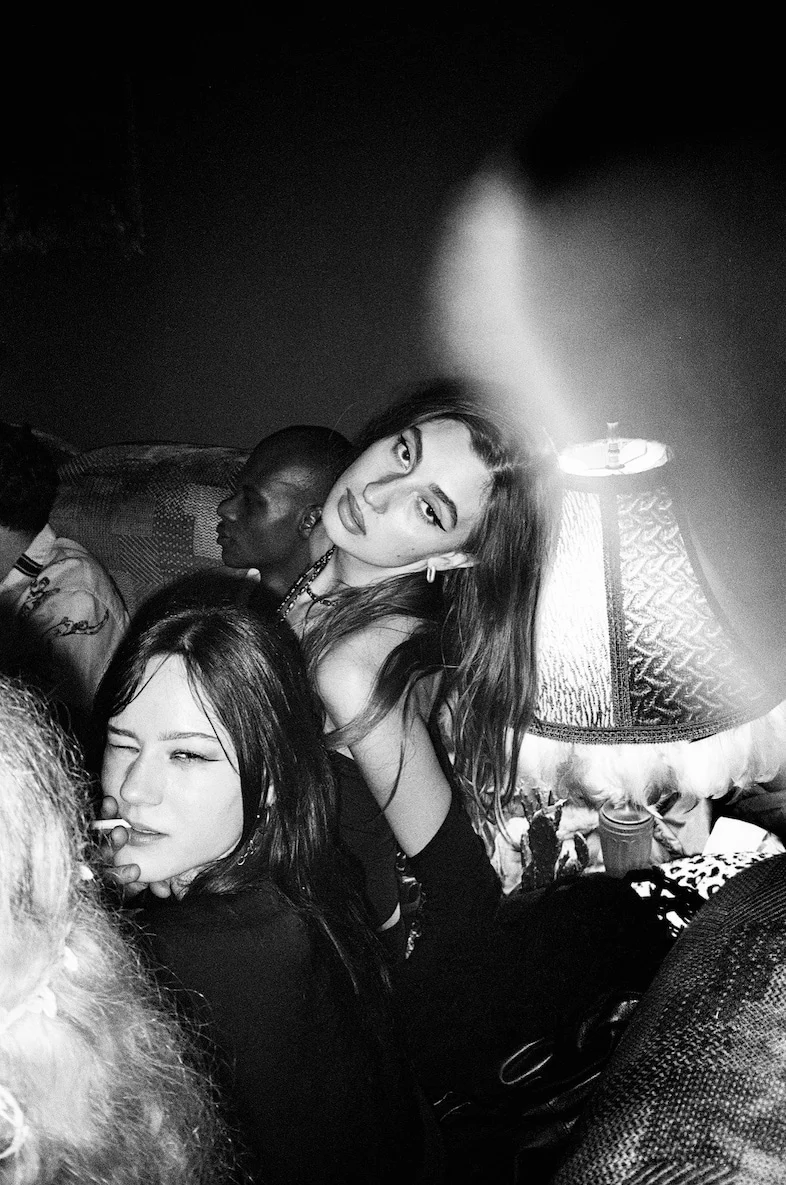
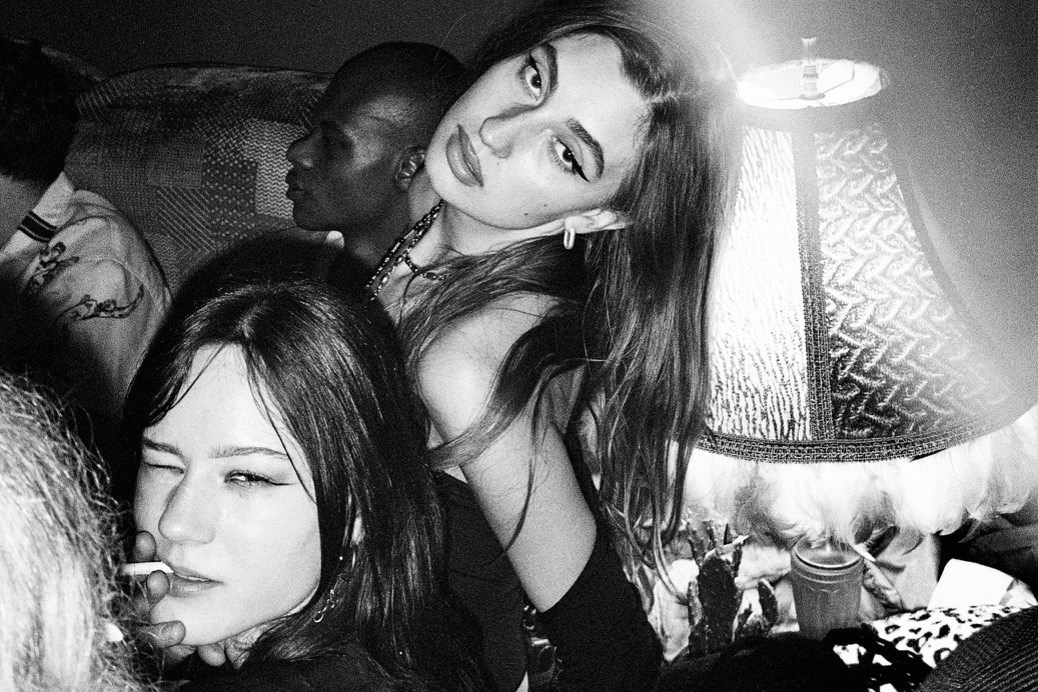
In February 2026, the pulsating heart of London’s nightlife found itself in an unexpected labyrinth. A journey to Lost, the capital’s most talked-about club of the preceding six months, began not with intent but with a friend’s persuasive invitation. The destination: a former Odeon cinema in W1, transformed into a sprawling, dark, and disorienting space designed to immerse. Upon entry, the ritual was immediate and firm: phones locked away in pouches, enforcing a strict no-phones policy. The price of admission, £30, initially raised an eyebrow, but the allure of the experience, and the promise of an extended stay until 5 am thanks to Lost’s late license, ultimately swayed the decision. This personal anecdote, while illustrative, merely scratches the surface of a complex, evolving narrative surrounding London’s club culture – a landscape simultaneously grappling with significant closures and an undeniable resurgence of creative energy and community-driven initiatives.
The Rise and Imminent Fall of Lost: A Microcosm of London’s Nightlife Flux
Lost quickly established itself as a cultural phenomenon on Shaftesbury Avenue, drawing London’s diverse fashion, music, and club scenes under one roof. Its distinctive features included unreleased lineups, fostering an element of surprise, and crucially, the enforced absence of phones and social media. This policy, a deliberate counterpoint to the pervasive digital gaze, was a significant draw, encouraging genuine connection and presence. "We’ve become so used to one-room warehouses, because that’s all we’ve had access to," notes Bambi, co-founder of the club night-cum-collective Opia. "Lost is more curated – a night with story." Indeed, its programming extended beyond traditional DJ sets, incorporating cinema rooms screening films like Gaspar Noé’s Climax, literary readings by the Soho Reading Series, and even karaoke nights courtesy of Anthem Karaoke Club. An early event featured Mark Ronson playing a late 2000s-inspired set for his book launch, solidifying Lost’s reputation as a venue offering more than just a dancefloor. Boludo, the other half of Opia, humorously observed that Lost allowed "a queer girl who’s a club classic feel her oats," highlighting its inclusive and liberating atmosphere.
Despite its undeniable success and cultural impact, whispers of Lost’s closure have been persistent, with new rumours suggesting its doors will shut permanently by early June. This impending closure, following earlier unsubstantiated reports after New Year’s Eve, underscores a critical vulnerability within London’s nightlife ecosystem. Even the most celebrated and innovative venues often operate on precarious ground, subject to lease terminations, redevelopment plans, and the relentless pressures of urban real estate. The irony of its name, "Lost," will soon resonate on a deeper level as the physical space itself is redeveloped – a common narrative where many of the capital’s larger clubs occupy buildings or land ultimately owned by property developers, their existence often inherently temporary.
A Broader Crisis: The Bleeding of London’s Nighttime Economy
The story of Lost’s potential demise is not isolated; it echoes a broader, more disheartening trend across the United Kingdom. Recent reports paint a grim picture, indicating that more than one in four late-night venues have shuttered across the UK since 2020. This alarming statistic, confirmed by reports in February 2026, points to a crisis exacerbated by a confluence of factors including the lingering effects of the COVID-19 pandemic, a spiralling cost-of-living crisis, punitive business rates, and relentless gentrification.
London, despite its reputation as a global cultural hub, has been particularly hard hit. Beloved institutions face uncertain futures: Rowan’s in Finsbury Park, a cherished bowling alley and late-night spot, is under threat from a new housing development; the cult venue Moth Club is fighting a serious battle against closure, with over 27,000 emails reportedly sent to Hackney Council in its defence; and the iconic East London drag karaoke bar K-Hole recently ceased operations. Furthermore, the number of bars and clubs holding a 24-hour alcohol license has plummeted by two-thirds in just two years, severely impacting the city’s ability to foster a truly round-the-clock cultural offering. These closures are not merely the loss of brick-and-mortar establishments; they represent the erosion of vital cultural spaces, economic contributors, and community anchors.
The Green Shoots of Resurgence: Innovation Amidst Adversity
Yet, amidst this landscape of loss, a defiant spirit of renewal and innovation is taking root. For every venue that closes, another door seemingly opens, or an existing space is reimagined. Gaffe, a vibrant club, recently relocated from Wandsworth to Tottenham, demonstrating resilience and adaptability. Club Cheek has emerged as an independent live venue and club in Brixton, nurturing local talent. Perhaps most notably, Palais, on the corner of Rye Lane, has returned after nearly 15 years of closure. Once a notoriously "grotty" spot, it has been reborn – less "ketamine den," more sophisticated cocktail bar, reflecting evolving tastes and perhaps a strategic pivot to survive.
Beyond these physical spaces, a proliferation of innovative parties and collectives across the city signals a vibrant resurgence. DJ Oluwa MP.4, a prominent figure in London’s queer scene at just 20, observes an "almost overwhelming amount of choice" compared to Paris, where he lived last year. He highlights the constant novelty in London’s queer underground, citing trans-run parties like Michelle’s Party and Arize, intimate 40-person gatherings, and even illicit squat raves. "People in London are going out to dance and sweat, not chat or smoke a fag. They want to let loose their emotions from the week," Oluwa notes, suggesting a profound shift in club-goers’ motivations towards visceral, authentic release.
This sentiment of experimentation and genuine engagement is exemplified by nights like The Landing Strip’s first edition at Ormside Projects. Featuring a pole erected under a single spotlight for improvised dance to live sets by artists like Klein and Spresso (one of Mica Levi’s bands), it epitomized a new wave of atmospheric and musical innovation. This "Bermondsey Triangle" – encompassing Ormside, Venue MOT, and Avalon Café – is fast becoming a crucible for such creative ventures.
Redefining Queer Spaces and Cross-Cultural Connections
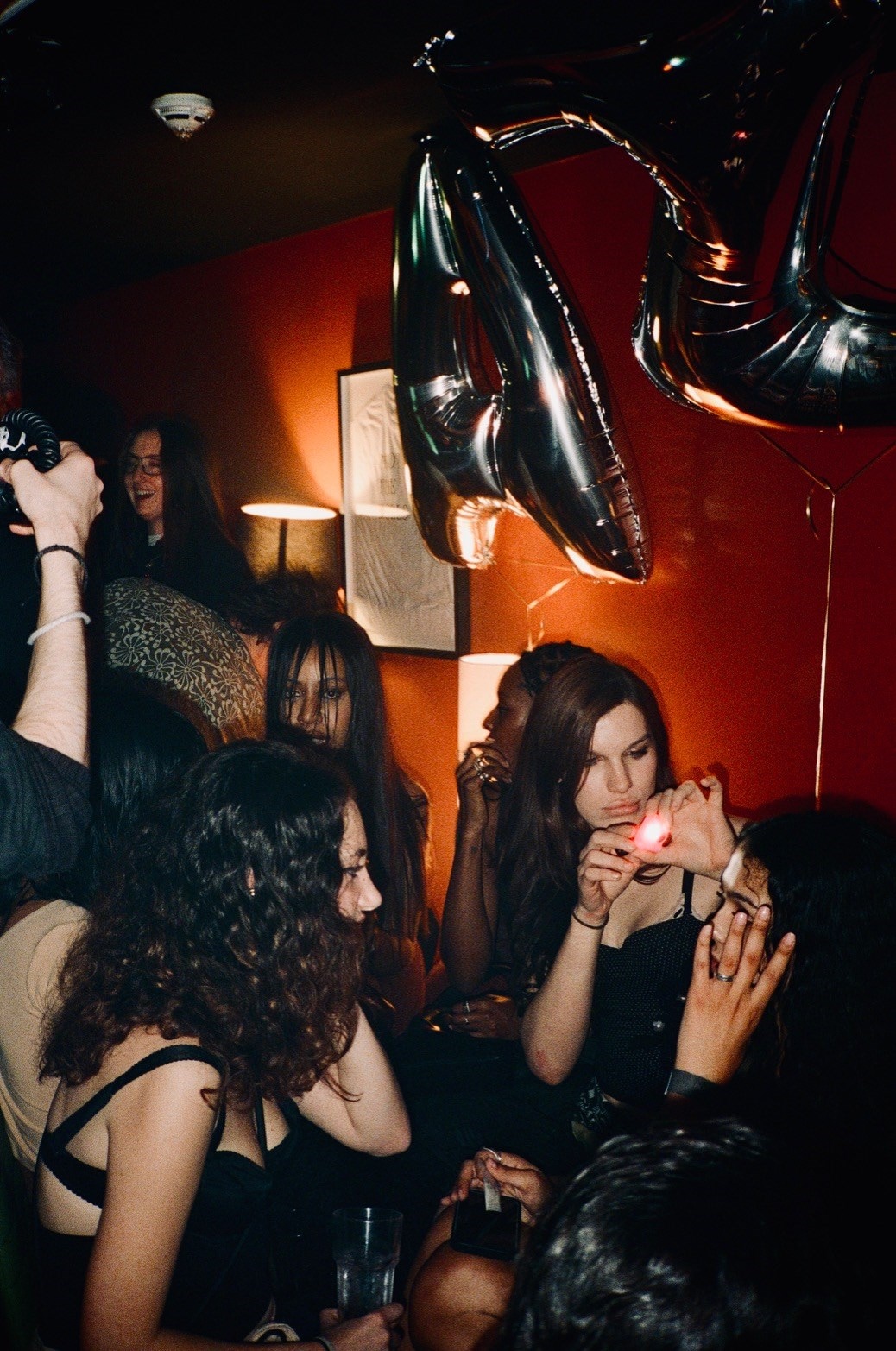
The queer scene, in particular, showcases this dynamism. At MOT, the inaugural event of The Baroness, a new lesbian pop-up, featured a life-sized inflatable lesbian pub in a car park, drawing around 250 attendees. Co-founders Sel Elwen (also behind Switch Rising) and Phia Bowden conceptualized this "comical thing" as a lighthearted yet serious commentary on the lack of dedicated lesbian spaces south of the river. This initiative reflects a broader shift, moving away from the "splintering along identity lines" observed five to ten years ago, towards a resurgence of fluidity. Popular queer raves like Riposte, Club Are, and Playbody are increasingly focusing on connection and shared experience over strict demographic identification. Oluwa MP.4 confirms this: "It’s more mixed – although you generally know the vibe from who’s running it or the line-up," indicating that curation and concept now often dictate the audience.
This blurring of boundaries extends beyond the queer scene. Wolf Gillespie’s cult club night Post Party deliberately curates eclectic lineups, featuring drill artists, indie bands, and electronic music on the same bill. Acts like the Femcels, rapper sinn6r, and punk outfit Jeanie and The White Boys have graced its stage. Gillespie established Post Party to combat the "isolation of groups" and foster unexpected connections. "There’s strength in being with your people, but there’s also something important about [coming together] when the world is getting scarier," he explains, highlighting the communal power of shared musical experiences in turbulent times.
Similarly, James Massiah’s Adult Entertainment offers varied lineups of poets and musicians in an informal, hierarchy-free setting. With no security and free entry, attendees sit on the floor, listening to readings. A recent event saw 300 people pack into Dalston’s Café OTO for 30 readings over three hours, proving that amidst short attention spans, there’s a profound hunger for intentional, shared cultural moments. Massiah articulates a guiding philosophy: "Hedonism is important, but I think people are looking for something more intentional right now. I think we’re entering an era that’s less about losing yourself and more about finding yourself." He sees poetry and music as crucial "nexus points" in a disconnected age, fostering new insights and connections beyond mere escapism.
Economic Realities: The Unseen Struggle for Sustainability
Despite the cultural vibrancy, the underlying economic challenges remain formidable. Statistics reveal that 68% of young people report reducing their nights out due to the current economic climate. This impacts venues and organizers directly. Venue owners face escalating rents, spiralling overheads, and the constant threat of being pushed out of central locations. Websites like "Is My Pub F*cked?" starkly illustrate how rising costs, particularly business rates, imperil long-standing London pubs. These financial pressures inevitably trickle down to event organizers and, consequently, to the consumers.
Sel Elwen from The Baroness acknowledges the pervasive issue of high ticket prices. "Running nights myself, it’s almost impossible to make tickets cheap if you want to pay everyone fairly. It’s hard to put on a night because profit margins on drinks are crazy, which is why they’re so expensive." Wolf Gillespie echoes this frustration, noting the stark contrast with cities like New York or LA, where venues often provide budgets for events. "In London, every venue wants loads of money up front; it doesn’t help young people coming up. If the [cost] is a grand-plus, I don’t even reply to the email. Who could pay that?"
The sustainability of a career in nightlife is a significant concern. The Opia duo, Bambi and Boludo, candidly admit to a "tumbleweed moment" when asked about it. While they’ve built a strong identity through their meta-ironic hosting style and collaborations with fashion brands, they acknowledge the limitations. "After brat summer we were on a high – like, literally high," laughs Boludo, "But then it went silent. Last year was the driest Pride season ever." They conclude that "there’s no way for raves to exist without some sort of external endeavour, whether that’s merch, brand collabs, or [partnerships with] cultural institutions. You have to do something to live off." This highlights the need for diversified income streams and robust support structures for cultural producers.
Policy and the Future: Towards a 24-Hour City
Recognizing these systemic issues, the London Mayor convened a Nightlife Taskforce last year. Comprised of sector experts, its aim was to democratize policy-making, tackle declining footfall and closures, and shift away from top-down governance. In February 2026, the Taskforce published a comprehensive report recommending a strategic move towards a 24-hour city. Key proposals included later licenses, improved late-night transport options, and expanded late-night food offerings. Crucially, nearly 70% of young people surveyed indicated that better late-night transport would encourage them to stay out longer, directly linking infrastructure to economic and cultural vitality.
Dan Beaumont, owner of the long-standing queer venue Dalston Superstore, views the report as a pivotal step in "changing of the dynamic between authority and nightlife, this infantilising relationship they have with us – it recognises nightlife as a cultural force." He notes that while deregulation is often associated with conservative policies, in the current climate, removing licensing barriers is one of the few effective levers. A pan-London approach, he argues, is essential to prevent promoters and venue owners from being at the mercy of disparate local council regulations. Most significantly, the report’s suggestion to create a Nightlife Future Fund, specifically to support innovative nightlife projects led by underrepresented communities, could be a game-changer, offering vital financial lifelines to grassroots initiatives.
While the report is currently a set of recommendations, its implementation could significantly ease practical challenges for those working in nightlife. Oluwa MP.4 articulates the common frustration: "I find it so annoying when parties start at 9 pm and finish at 2 or 3 am – how am I getting home? I’m not about to pay £30 to get around right now. I live in Croydon." A truly 24-hour city would not only boost the nightlife economy but also improve the quality of life and accessibility for countless individuals.

Conclusion: A Delicate Balance of Hope and Precarity
"On balance, nightlife is an optimistic place right now," asserts Dan Beaumont, tempering his enthusiasm with a cautionary note about the "influx of private equity capital that’s inflating bits of the nightlife economy and is creating a bubble." He stresses the imperative to protect the grassroots, recognizing that "nightlife is where much of UK culture is born." Wolf Gillespie echoes this sentiment, finding optimism in the expanding reach of events like Post Party, attracting audiences from across the UK. "You don’t get a Mowa or a Fakemink without people partying. The best moments at Post Party are when you know the person on stage is so talented, and there’s a 100 per cent chance there’s another one in the crowd too." This underscores the intrinsic value of nightlife as a crucible for emerging talent and cultural innovation.
Lost, with its phone ban and eclectic programming, perfectly encapsulated London nightlife’s current yearning for spontaneity, eclecticism, and genuine human connection. Its impending closure, however, serves as a poignant reminder that even amidst this vibrant renaissance, the fundamental challenges of economic sustainability, urban development, and policy support persist. The narrative of London’s nightlife in 2026 is one of a delicate balance: a tenacious spirit of creativity and community thriving against a backdrop of systemic pressures. As Lost prepares to take on a new irony, the city’s dynamic cultural landscape will undoubtedly continue to evolve, with new venues and concepts rising to capture the imagination, forever searching for a sustainable future for its irreplaceable nocturnal pulse.