





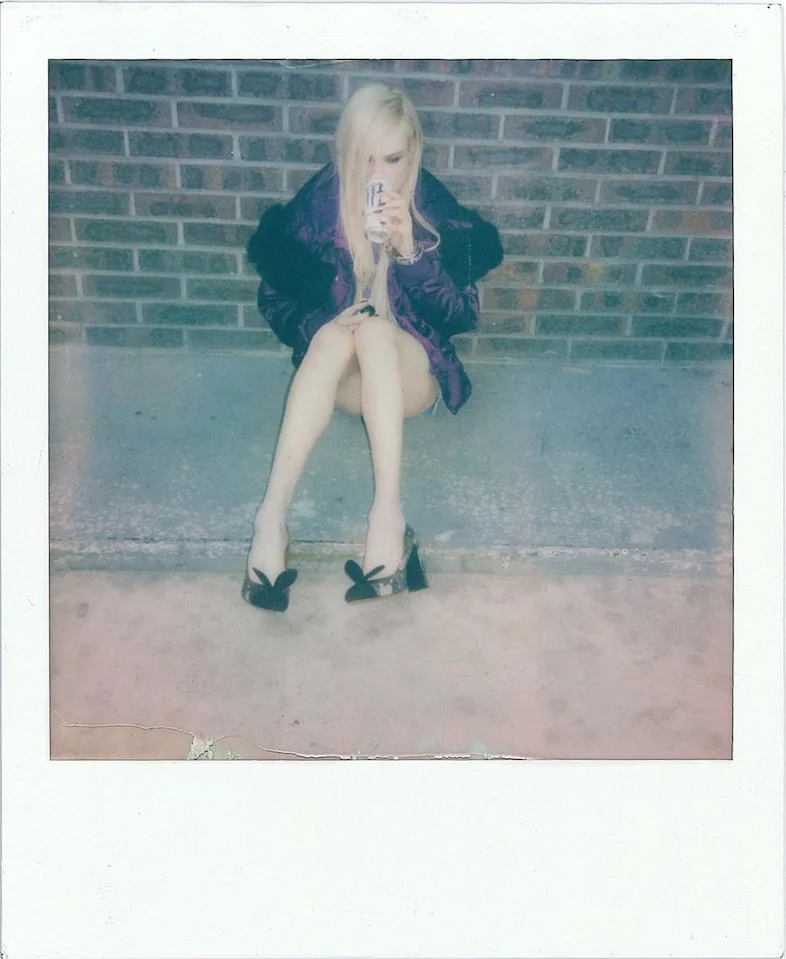
The highly anticipated music video for Kim Petras’s latest single, "Jeep," released today, May 6, 2026, ahead of her forthcoming album Detour, offers a kaleidoscopic journey into a distinctly European-filtered vision of American youth culture. Directed by Leonie Miller-Aichholz, the visual narrative is a meticulously crafted "Americana Tumblr fantasy," a concept designed to explore the fascinating disconnect between digitally curated online imagery and real-world experience. The video is a vibrant tapestry woven from iconic early 2010s references, including the ubiquitous Skippy Peanut Butter, Jeffrey Campbell Litas, pastel-hued cigarettes, whimsical Marc Jacobs mouse flats, tinsel hair, Brandy Melville-style layered fashion, dreamlike pastel sunsets, an abundance of festival wristbands, and Froot Loops presented in their signature "hyper-American e-colors." This visual lexicon forms the backbone of a narrative that seeks to materialize a place that exists less in geographical reality and more in the collective imagination of a generation of European adolescents who constructed their understanding of the United States through algorithm-filtered images, meticulously assembled moodboards, and countless hours of late-night digital exploration.
The Genesis of "Jeep": A Cross-Cultural Narrative
The conceptual bedrock of the "Jeep" music video emerged from a pivotal conversation between Petras and Miller-Aichholz. As the director recounts, Petras shared an anecdote about a date with an American man, during which she complimented his vehicle by saying, "Nice Jeep," only for him to take offense at her misidentification of his truck’s specific brand. This seemingly minor linguistic misstep, common in regions like Germany where "Jeep" is often used as a generic term for any utility vehicle, akin to Americans using "Kleenex" for tissues, served as a profound catalyst. Miller-Aichholz explains, "That kind of sparked the idea of how Europeans have certain ideas about America that are probably far from reality, built from what we see online, and how a lot gets lost in translation." This cultural chasm, she notes, ultimately results in "some sort of hybrid world that isn’t American and isn’t European — it’s a mix of both with a lot of internet sprinkled on top." This insight highlights the pervasive influence of digital media in shaping cross-cultural perceptions, often creating idealized or distorted versions of reality that become deeply ingrained in a generation’s psyche. The video thus functions as a meta-commentary on the digital age’s impact on global cultural exchange, where filtered realities supersede authentic encounters, leading to a unique, often romanticized, synthesis of disparate cultural elements.

Deconstructing the "Americana Tumblr Fantasy"
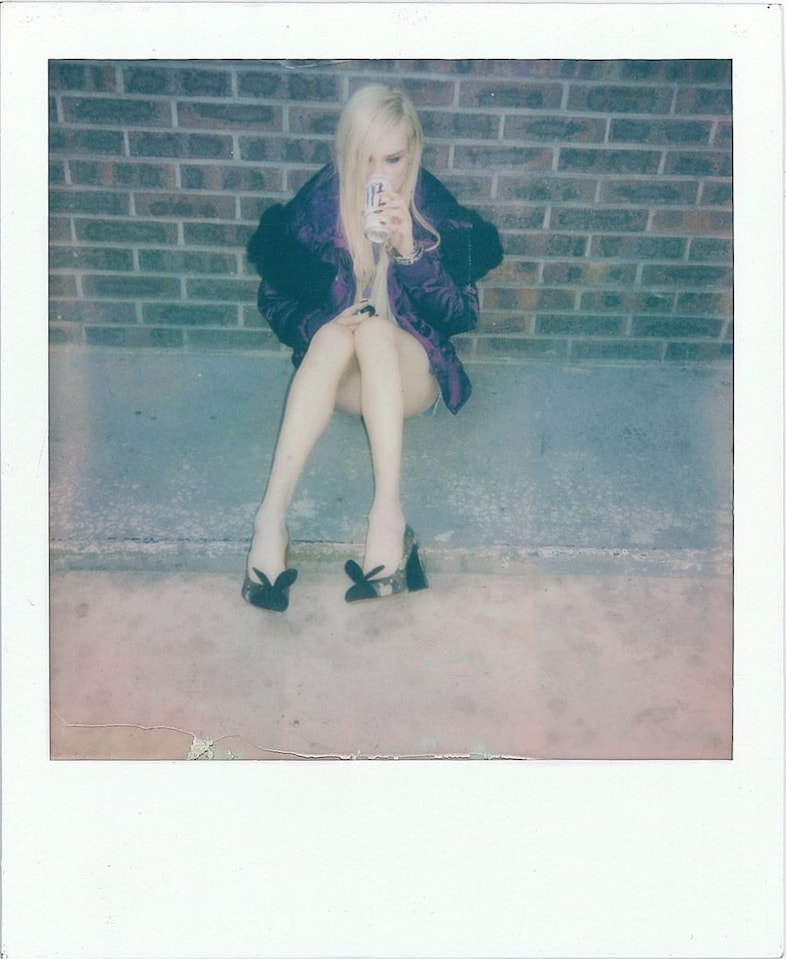
The aesthetic of the "Americana Tumblr fantasy" is not merely a collection of props but a deliberate semiotic exercise. Each element chosen for the video carries specific cultural weight, representing fragments of a highly curated digital experience that resonated deeply with a particular demographic during the early to mid-2010s. The inclusion of Skippy Peanut Butter speaks to an idealized American childhood, often depicted in media. Jeffrey Campbell Litas, with their distinctive towering platforms, were a hallmark of alternative fashion blogs and solidified a specific indie-pop aesthetic. Colorful cigarettes, while a nod to youthful rebellion, also evoke a stylized, almost cinematic version of Americana, far removed from public health realities. Marc Jacobs mouse flats provided a quirky, playful luxury that was aspirational yet accessible through the lens of internet fashion. Tinsel hair and Brandy Melville-style layering were quintessential fashion trends amplified by Tumblr’s visual-first platform, signifying a carefree, effortlessly cool vibe. Pastel sunsets and festival wristbands encapsulated the romanticized freedom and escapism associated with American summer culture, often seen through highly saturated and filtered photography. Finally, Froot Loops, with their vibrant "hyper-American e-colors," symbolize a sugary, almost artificial, yet undeniably appealing aspect of American consumerism, frequently depicted in aesthetically pleasing still-life compositions online. These references are not chosen at random; they are meticulously selected signifiers of an era where digital platforms like Tumblr allowed users to construct and inhabit idealized versions of reality, particularly those pertaining to foreign cultures. The video’s visual language serves as a historical document, capturing the essence of a bygone digital aesthetic and its profound influence on global youth identity.
Behind the Lens: Leonie Miller-Aichholz’s Vision and Location Choices
The execution of this intricate fantasy required a meticulous approach to location scouting and set design, a task that Leonie Miller-Aichholz embraced with strategic precision. Instead of seeking out actual American locations, which would have contradicted the video’s core premise of a European interpretation of America, Miller-Aichholz opted for settings that could be molded into this hybrid vision. The primary outdoor filming took place "literally in the middle of nowhere in France." This choice was deliberate, designed to tap into what Miller-Aichholz playfully terms "Potato Europe" – landscapes so generic and unassuming they could, with the right styling and framing, convincingly pass for a nondescript American countryside. This anonymity allowed the crew to project the Tumblr aesthetic onto a neutral backdrop, enhancing the sense of a constructed, rather than discovered, reality.
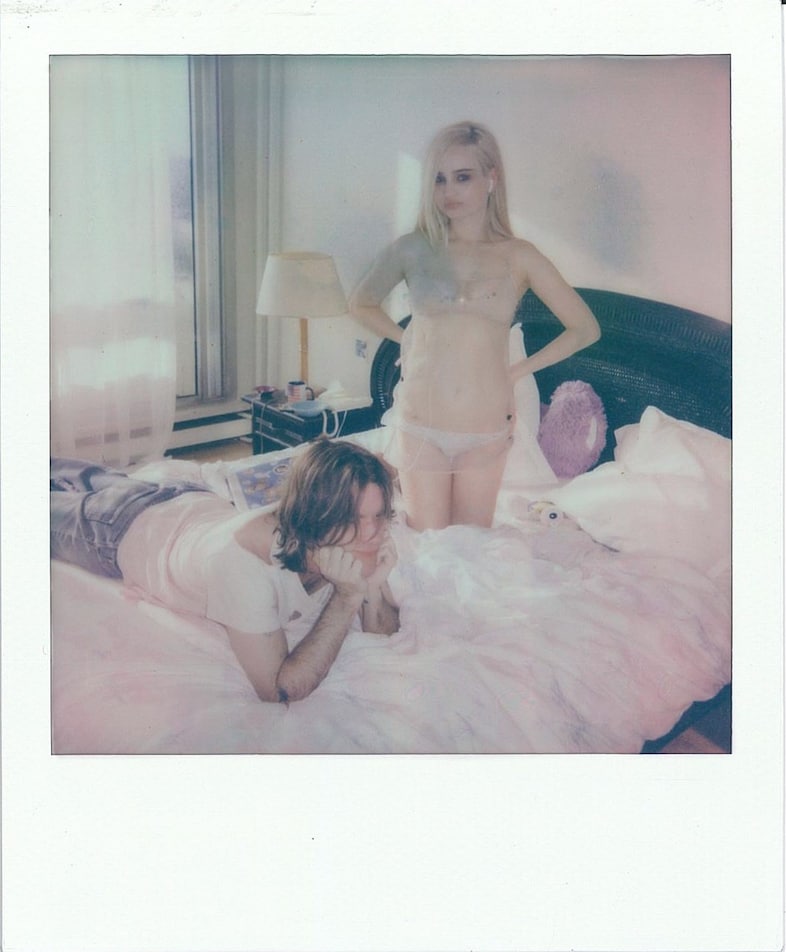
Equally crucial was the selection of the indoor location: a deliberately "unglamorous Paris apartment." This decision actively subverted the stereotypical, luxurious image of Paris, which would have clashed with the video’s down-to-earth, internet-infused narrative. By choosing a space that lacked conventional Parisian charm, Miller-Aichholz ensured that the interior scenes contributed to the overall sense of a "hybrid world" – a European setting stripped of its distinct cultural markers to better serve the fabricated American fantasy. This artistic choice underscores the director’s commitment to portraying "young people being stuck in random towns, accessing the American Tumblr fantasy online and interpreting it in their own way." The contrast between the filtered online ideal and the mundane European backdrop creates a poignant visual commentary on aspiration versus reality.
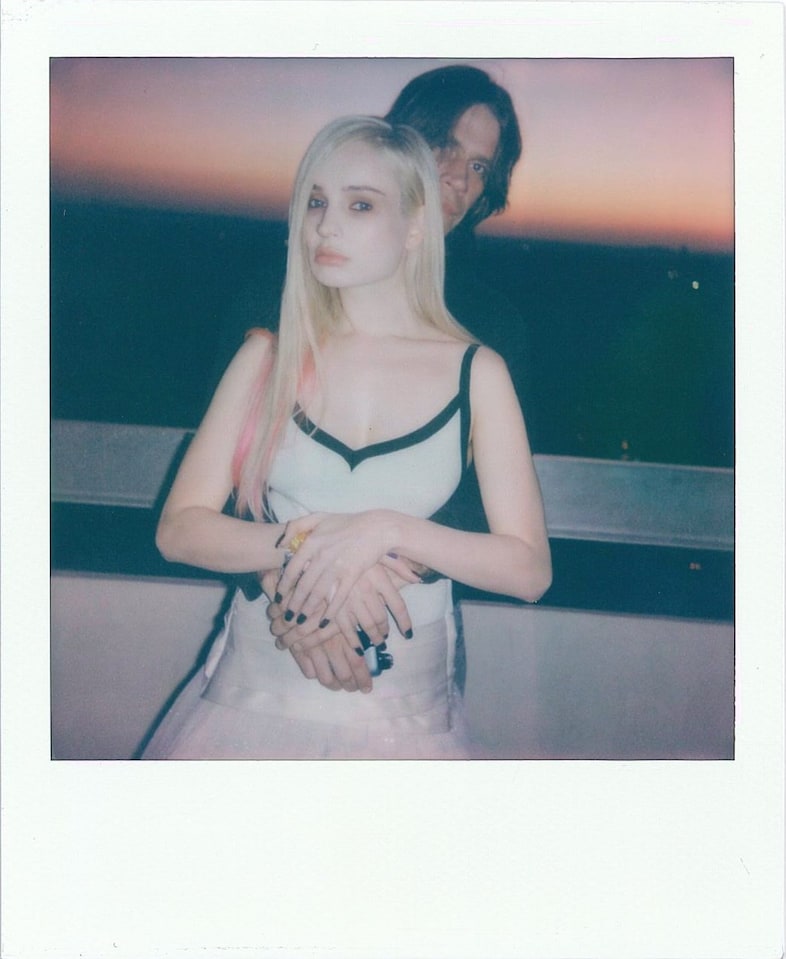
Among the many carefully composed shots, Miller-Aichholz singles out the balcony scenes featuring Kim Petras in an August Barron princess dress with pink dip-dye hair, with her love interest, Aaron, subtly "lurking in the background smoking cigarettes," as her favorite. This particular sequence, she notes, felt like "the Tumblr fantasy coming alive in real time," perfectly encapsulating the blend of fairytale idealism and gritty, youthful realism that defined the aesthetic. The princess dress moment, she adds, always resonates with the dreamlike quality of the era.
Beyond the grander visual statements, Miller-Aichholz also highlights a subtle detail she hopes eagle-eyed viewers will catch: the purple Maybelline mascara. "I really can’t say why, but that was an it-piece to own at the time," she explains, pondering whether Americans shared this specific affinity. This small, specific beauty product, deeply embedded in European youth culture of the era, serves as a testament to the granular level of detail employed in crafting this authentic "hybrid world." It’s these specific, almost insider, cultural markers that truly anchor the video in its stated premise of a European-filtered American dream.
The Digital Canvas: Nostalgia for a Bygone Internet Era
Miller-Aichholz’s reflections on the "peak Tumblr era" extend beyond mere aesthetics; they delve into a broader commentary on the evolution of online interaction and the nature of digital dreaming. She posits that "the peak Tumblr era allowed for such dreaming. We were essentially vision-boarding constantly. There’s not much dreaming happening online today. We know too much, see too much and most interactions are monetized." This observation underscores a significant shift in the digital landscape. Tumblr, particularly in its heyday, was a largely non-commercial, highly visual platform that fostered creativity, self-expression, and the collective construction of identity through curated images and text. It was a space for genuine discovery and the uninhibited exploration of aesthetics, often devoid of the overt monetization and algorithmic pressures that dominate contemporary social media.
The platform offered a relatively innocent and exciting space where users felt they were "discovering something bigger," a sense of shared community and exploration that has largely diminished. This collective experience, Miller-Aichholz argues, is what now fuels the nostalgia for that period. "It’s an experience we shared as a generation, and now share the nostalgia for it. We probably just miss feeling together." This sentiment resonates deeply with many who witnessed the internet’s transition from a frontier of unbridled creativity to a more structured, often performative, and commercially driven environment. The "Jeep" video, therefore, is not just a music video; it’s a cultural artifact that taps into a widespread yearning for a simpler, more imaginative digital past, reminding viewers of a time when online spaces felt more communal and less transactional. This perspective offers a valuable sociological lens through which to view the project, highlighting its relevance beyond just entertainment.
"Jeep" in Kim Petras’s Evolving Discography
"Jeep" arrives as a pivotal single in Kim Petras’s already impactful career, signaling a nuanced thematic direction for her upcoming album, Detour. Known for her brand of high-energy, infectious pop music, often infused with a sense of playful rebellion and emotional vulnerability, Petras has carved out a unique space in the contemporary music scene. Her earlier works frequently explored themes of love, desire, and identity with a bold, unapologetic flair, earning her a devoted global fanbase and critical acclaim, particularly within the LGBTQ+ community, where she is celebrated as a trailblazing transgender artist.
Thematically, "Jeep" represents a subtle yet significant evolution. While still retaining Petras’s signature pop sensibilities, its conceptual depth—exploring cultural misinterpretation and digital fantasy—adds a layer of introspection and social commentary. This move suggests that Detour might delve into more complex narratives, reflecting on the broader human experience in an increasingly interconnected yet often misunderstood world. It positions Petras not just as a purveyor of catchy pop anthems but as an artist capable of engaging with deeper cultural dialogues. The single’s title itself, rooted in a story of miscommunication, hints at an album that might explore themes of journey, re-evaluation, and the unexpected paths one takes in life, both literally and metaphorically. This artistic trajectory allows Petras to broaden her appeal while maintaining the authentic voice that has defined her career.
Broader Cultural Implications and Artistic Resonance
The "Jeep" music video transcends its function as a promotional tool, emerging as a significant cultural statement that contributes to ongoing dialogues about globalization, digital identity, and the fluid nature of cultural exchange. By meticulously reconstructing a "Tumblr Americana fantasy" through a European lens, the video offers a potent commentary on how online platforms mediate and often distort our understanding of foreign cultures. It underscores the power of digital imagery to create pervasive, shared fantasies that, while not entirely real, profoundly influence perceptions and aspirations.
The video’s resonance is likely to be multifaceted. For those who came of age during the peak Tumblr era, it will evoke a powerful sense of nostalgia, inviting them to reflect on their own experiences of constructing identity and worldview through curated online content. For younger audiences, it offers a window into a foundational period of internet culture that predates the dominance of TikTok and Instagram, providing historical context for contemporary digital aesthetics. Artistically, "Jeep" challenges conventional music video narratives by prioritizing conceptual depth and cultural commentary over straightforward storytelling. It exemplifies how music videos can serve as platforms for nuanced social observation, pushing the boundaries of visual storytelling in popular music.
Moreover, the project subtly critiques the homogenizing forces of globalization while simultaneously celebrating the creative synthesis it can inspire. The "hybrid world" depicted in "Jeep" is neither purely American nor purely European; it is a unique creation born from the internet’s capacity to blend and remix cultural elements. This makes the video a pertinent piece of art for an era increasingly grappling with questions of authenticity, representation, and the blurred lines between the digital and the real. Its release is poised to spark conversations about how we consume and interpret culture in a hyper-connected world, cementing Kim Petras and Leonie Miller-Aichholz’s collaboration as a thoughtful and visually compelling contribution to contemporary pop culture. The implications extend to how artists navigate an oversaturated digital landscape, suggesting that authenticity, even if it’s the authenticity of a curated fantasy, can still captivate and provoke meaningful reflection.