








The modern fashion industry, particularly the pervasive phenomenon known as fast fashion, has emerged as a significant global concern due to its extensive and multifaceted damage to the planet, exploitation of workers, and adverse impacts on animal welfare. This explainer delves into the genesis and mechanisms of fast fashion, providing a comprehensive analysis of its detrimental effects and outlining pathways toward more sustainable consumption patterns.
From Durability to Disposability: A Historical Shift in Clothing Consumption
For centuries, clothing was a valuable commodity, meticulously crafted and cherished for its durability. Shopping for garments was an infrequent necessity, often dictated by seasonal changes or the physical outgrowing of existing attire. This paradigm began to shift noticeably in the 19th century with the advent of the Industrial Revolution, which introduced transformative technologies like the sewing machine. These innovations mechanized textile production, making clothes easier, quicker, and considerably cheaper to manufacture. Dressmaking shops proliferated, catering to an expanding middle class, yet this progress was often built on the foundations of worker exploitation.
The emergence of "sweatshops" during this period introduced familiar safety and labor concerns. A stark reminder of these early industrial hazards was the catastrophic Triangle Shirtwaist Factory fire in New York City in 1911. This tragedy claimed the lives of 146 garment workers, predominantly young female immigrants, trapped in unsafe conditions. The factory’s doors were locked to prevent theft and unauthorized breaks, and fire escapes were inadequate, leading to a horrifying loss of life that galvanized labor reform movements and highlighted the human cost of cheap clothing even then.
The mid-20th century saw fashion evolve into a potent form of personal expression, particularly in the 1960s and 70s, fueling a desire for more diverse and expansive wardrobes. However, the true acceleration towards fast fashion began in the 1980s. Major retailers such as Zara and H&M pioneered new manufacturing models, initially outsourcing garment production locally before moving operations further afield to regions in Asia where labor and real estate costs were dramatically lower. This globalized supply chain, driven by a relentless pursuit of efficiency and cost reduction, laid the groundwork for the modern fast fashion behemoth.
By the 1990s and 2000s, these brands had scaled their offshore manufacturing significantly, becoming ubiquitous fixtures in shopping malls and high streets worldwide. Their business model centered on rapidly replicating high-fashion looks from catwalks and celebrity culture, producing them cheaply and making them accessible to the masses. This phenomenon normalized frequent, impulse purchases, creating a culture where staying "on-trend" meant constantly acquiring new items.
The illusion of affordable, endless fashion was shattered for many in 2013 with the devastating collapse of the Rana Plaza clothing manufacturing complex in Bangladesh. This horrific incident killed over 1,134 workers and injured thousands more, exposing the perilous conditions under which fast fashion garments were produced. The global outcry that followed brought the hidden human cost of a $5 T-shirt into sharp focus, forcing consumers and advocacy groups to question the ethical foundations of the industry. The anniversary of the Rana Plaza collapse is now commemorated annually as Fashion Revolution Week, a global movement urging greater transparency and accountability within the fashion supply chain, prompting consumers to ask, "Who made my clothes?" and "What’s in my clothes?"
Defining Fast Fashion: Speed, Price, and Transience
Fast fashion is characterized by its business model of rapidly producing inexpensive, trendy clothing inspired by contemporary catwalk designs or celebrity styles. The primary objective is to move the newest looks from design to retail shelves at breakneck speed, allowing consumers to purchase them at the peak of their popularity. This system encourages a mentality of disposability, where garments are often worn only a handful of times before being discarded. It actively promotes the notion that "outfit repeating" is a fashion faux pas, pressuring individuals to constantly update their wardrobes to remain relevant. This cycle of overproduction and overconsumption has cemented the fashion industry’s position as one of the world’s most significant polluters.
Key indicators that a brand operates within the fast fashion model include:
- Frequent New Collections: New styles arriving in stores weekly or even daily, far exceeding traditional seasonal drops.
- Extremely Low Price Points: Garments priced so cheaply that their true cost in terms of labor and environmental impact seems implausible.
- Perceived Obsolescence: Items designed with poor quality materials and construction, ensuring a short lifespan.
- Reliance on Synthetic Materials: A heavy dependence on cheap, fossil-fuel-derived fabrics like polyester, nylon, and acrylic.
- Aggressive Marketing: Constant promotion of new trends and sales, encouraging continuous purchasing.
- Lack of Supply Chain Transparency: Obscurity regarding manufacturing locations, labor practices, and material sourcing.
The Multi-Layered Impact of Fast Fashion
The repercussions of fast fashion extend across environmental, social, and animal welfare domains, creating a complex web of detrimental effects.
1. Polluting Our Planet: An Environmental Catastrophe
The imperative to minimize costs and accelerate production in fast fashion often leads to severe environmental compromises. The industry is a prodigious polluter of clean water, largely due to its extensive use of cheap, toxic textile dyes. Ranked among the largest industrial polluters of water globally, alongside agriculture, fashion’s dyeing processes release vast quantities of hazardous chemicals into rivers and oceans, impacting ecosystems and human health. Greenpeace’s "Detoxing Fashion" campaigns have consistently pressured brands to eliminate these dangerous chemicals from their supply chains, highlighting the urgent need for cleaner production methods.
The choice and management of textiles further exacerbate fast fashion’s environmental footprint. Polyester, derived from fossil fuels, is a cornerstone fabric for its low cost and versatility. However, its production contributes significantly to global warming, and each wash releases microplastic fibers into waterways, adding to the alarming levels of plastic pollution in our oceans. Estimates suggest that synthetic clothing is responsible for 35% of primary microplastic pollution in the oceans. Even natural fibers, when produced at the scale demanded by fast fashion, pose severe problems. Conventional cotton, for instance, requires colossal amounts of water and pesticides, particularly in major producing countries like India and China. This intensive cultivation contributes to severe drought risks, depletes water basins, and creates intense competition for resources between industrial and local communities.
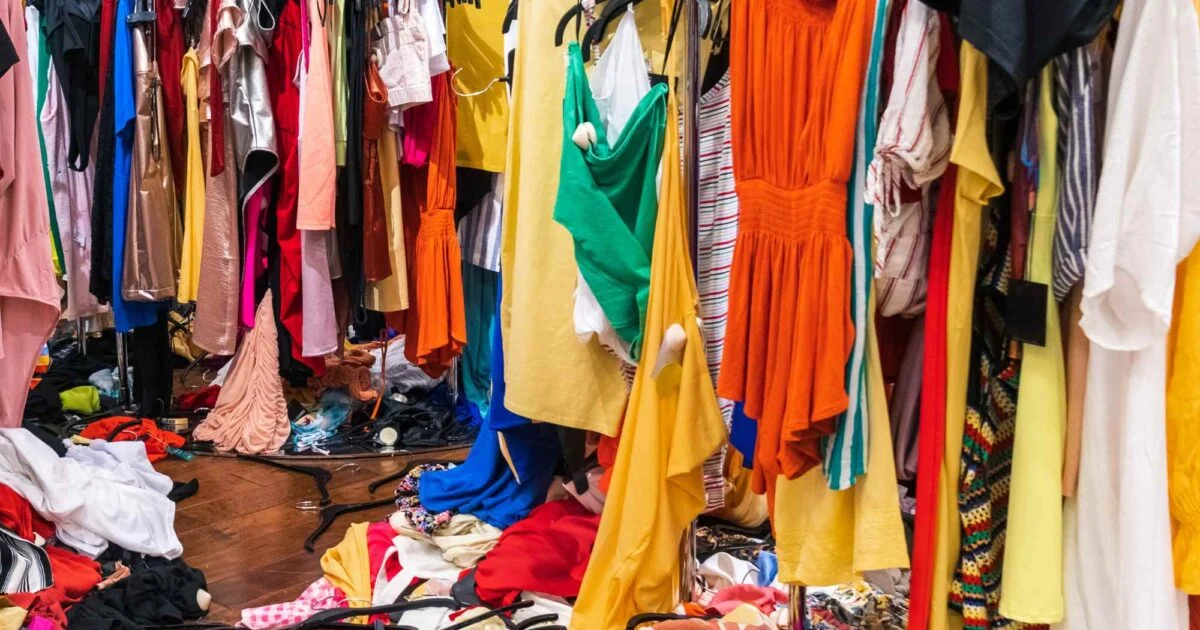
The relentless focus on fleeting trend cycles and the encouragement of excessive consumption culminate in staggering amounts of textile waste. With poor quality garments quickly discarded in favor of the next trend, or simply falling apart, landfills are overflowing. While precise global figures are challenging to ascertain, the sheer scale of the problem is graphically illustrated by illegal textile waste dumps, such as those in Chile’s Atacama Desert. Here, an estimated 39,000 tonnes of discarded clothing accumulate annually, forming a pile so immense it is visible from space. This waste contributes to greenhouse gas emissions as materials decompose and often ends up being incinerated, releasing further pollutants.
Beyond waste, the high demand for raw materials fuels land clearing and deforestation, particularly for cattle ranching associated with leather production. This leads to declining biodiversity and soil quality. Leather processing itself is highly resource-intensive, involving toxic chemicals like chromium in tanning, which can contaminate water sources and pose health risks to workers and surrounding communities.
2. Exploiting Workers: The Hidden Human Cost
The human cost of fast fashion is profound and often hidden. Garment workers, predominantly women in developing countries, endure dangerous working conditions, meager wages, and a severe lack of fundamental human rights. The relentless pressure from fast fashion brands on suppliers to produce more for lower costs directly translates into exploitation at the factory floor. Workers are frequently denied living wages, forced to work excessive hours, face unsafe environments, and are often prevented from forming unions to advocate for their rights. For instance, reports indicate that garment workers in Bangladesh, a major manufacturing hub, earn wages significantly below the recognized living wage, trapping them in cycles of poverty.
Furthermore, the fast fashion model thrives on brands’ reluctance to commit to long-term partnerships with supplier factories. This instability hinders financial planning for critical investments in worker safety, environmental upgrades (like switching to clean energy), and overall factory improvements. Further down the supply chain, farmers cultivating cotton or other raw materials are frequently exposed to toxic pesticides and brutal practices, leading to devastating impacts on their physical and mental health, a crisis powerfully depicted in the documentary "The True Cost."
3. Harming Animals: A Neglected Dimension
Animals are directly and indirectly impacted by the fast fashion industry. In aquatic and terrestrial environments, toxic dyes and microfibers released into waterways are ingested by wildlife, accumulating in food chains with devastating consequences for biodiversity and ecosystem health.
When animal-derived products like leather, fur, and wool are incorporated into fashion, animal welfare is often severely compromised. The demand for cheap animal products can lead to unethical sourcing and inhumane treatment. Scandals have repeatedly exposed instances where real fur, including that of cats and dogs, has been mislabeled and sold as faux fur to unsuspecting consumers, highlighting a pervasive lack of transparency and ethical oversight. Practices such as mulesing in the wool industry, where skin is removed from sheep to prevent flystrike, also raise significant animal cruelty concerns.
4. Coercing Consumers: The Mental and Financial Toll
Fast fashion’s insidious influence extends to consumers themselves, fostering a "throwaway culture" driven by two primary factors: the intentional built-in obsolescence of poorly made products and the accelerated pace of trend cycles. This creates a constant sense of inadequacy and the belief that one must continuously shop to stay current, leading to chronic dissatisfaction and financial strain. The psychological impact of this consumerist treadmill can be significant, promoting impulsive buying over thoughtful, long-term investments.
Moreover, fast fashion brands have faced significant criticism for intellectual property infringement. Numerous independent designers have alleged that major retailers illegally mass-produce their unique designs at scale, undermining creative integrity and ethical competition within the industry.
The Road Ahead: Towards a Sustainable Fashion Future
Despite the entrenched nature of fast fashion, there is a growing global movement advocating for systemic change. As consumer awareness of the industry’s true costs increases, so too does the pressure on brands and governments to act.
Greenwashing vs. Genuine Sustainability:
Many fast fashion retailers have attempted to mitigate public criticism by introducing "sustainable" initiatives, such as in-store garment recycling schemes or small "eco-collections." However, these efforts are often superficial and constitute "greenwashing." Data reveals that a minuscule fraction—as low as 0.1%—of all clothing collected by charities and take-back programs is actually recycled into new textile fibers. Such initiatives fail to address the core problem of overproduction and overconsumption. Labeling items as "organic" or "recycled" without full transparency on a brand’s entire material mix and supply chain can be misleading, creating a false sense of environmental responsibility. True sustainability within the fashion industry necessitates a fundamental overhaul of the fast fashion business model itself.
The Role of Generations and Policy:
While there is hope that younger generations, particularly Generation Alpha, might drive a more significant shift towards sustainable consumption, historical patterns suggest caution. Millennials and Generation Z, despite expressing strong environmental concerns, are currently significant drivers of the ultra-fast fashion economy, patronizing brands like SHEIN and Temu, which have pushed the boundaries of speed and cheapness to unprecedented levels. It is a collective responsibility to address current problems rather than deferring solutions to future generations.
Crucially, the onus does not lie solely with individual shoppers. There is a strong and growing push for governmental and industry-wide regulations. Governments globally are increasingly tabling and passing policies aimed at holding fast fashion brands accountable for the entire lifecycle of their garments, from production to disposal. These regulations often mandate extended producer responsibility (EPR) schemes, promoting circularity by making clothes easier to reuse, repair, and recycle. Such policy interventions are vital in the face of a looming climate catastrophe. Industries like fashion, which contribute alarmingly to waste and carbon emissions, must be regulated to meet global targets, such as limiting warming to 1.5°C as outlined by The Paris Agreement in 2015. While current regulations are still evolving and critics argue they do not go far enough, they represent a crucial step in the right direction.
Empowering Consumers: Shifting Habits for a Better Future
Individual action, when combined with systemic change, holds immense power. The timeless advice from British designer Vivienne Westwood, "Buy less, choose well, make it last," encapsulates a powerful strategy for sustainable fashion.
- Shift Consumption Habits: The first step is to reduce overall consumption. This can involve rediscovering and restyling existing wardrobes, participating in clothing swaps with friends, or building a versatile "capsule wardrobe." For special occasions, renting outfits offers a sustainable alternative to single-wear purchases.
- Choose Well: Prioritizing high-quality garments made from lower-impact materials is essential. Understanding the pros and cons of different fiber types, as detailed in comprehensive material guides, empowers informed choices. Embracing second-hand shopping through thrift stores, consignment shops, or online platforms significantly reduces demand for new production. Supporting transparent and ethically rated sustainable brands provides a positive alternative.
- Make It Last: Extending the lifespan of clothing through proper care, following laundry instructions, mending repairs, and wearing items until they are genuinely worn out is crucial. At the very end of their life, responsible recycling or disposal minimizes environmental impact.
Further Education and Sustainable Alternatives:
Becoming educated on the pervasive issues within fast fashion is a critical step in any consumer’s journey towards more sustainable choices. Resources such as documentaries, investigative reports, and ethical fashion guides provide invaluable insights. Exploring the principles of "slow fashion"—an antithesis to fast fashion—which prioritizes quality, durability, ethical production, and timeless design, offers a holistic pathway forward.
Several brands are actively championing this slower, more circular, and sustainable approach to fashion:
- Afends: Born in Byron Bay, Australia, Afends is a responsible brand leading the way in hemp fashion, drawing inspiration from the environment, streetwear, and surf culture. They advocate for hemp, even purchasing farmland to grow their own crops. (Sizes XS-XL).
- Q for Quinn: Offers sustainable, non-toxic, and eczema-friendly clothing for all ages, made using organic and responsibly sourced materials.
- ISTO.: A Portuguese brand dedicated to creating timeless, trans-seasonal staple items. They prioritize quality over quantity, use organic materials, and are transparent about the true cost of their garments. (Sizes XS-XL).
- tentree: This Canadian brand plants ten trees for every item purchased, aiming to regenerate ecosystems and create planting jobs globally. Their Earth-first approach ensures fair working conditions and the use of lower-impact and recycled materials. (Sizes XS-XL).
- Goodnap: Produces linen and organic cotton restwear, handcrafted by survivors rebuilding their lives through dignified work in Cambodia.
- Artknit Studios: Creates timeless knitwear from 100% lower-impact materials, responsibly made by Italian artisans. Their focus on anti-waste practices and certified, locally-sourced fibers aligns with their motto of "buy less, buy better." (Sizes XS-XXL).
- Outland Denim: An Australian brand that makes premium denim jeans and clothing, offering employment opportunities and training to women rescued from human trafficking in Cambodia. (US sizes 22-34).
- Harvest & Mill: Produces basics grown, milled, and sewn exclusively in the US, supporting American organic cotton farmers and local sewing communities. Their undyed and unbleached garments significantly reduce water and energy use, and their cultivation of diverse cotton varieties bolsters biodiversity. (Sizes S-XL).
- Mashu: A British sustainable vegan accessories label specializing in handbags. Their "Good" environmental rating is achieved through crafting exteriors with vegan leather alternatives and interiors from recycled polyester vegan suede.
- ARTICLE22: Creates unique jewelry handcrafted in Laos from recycled materials derived from Vietnam War bombs, plane parts, and other aluminum scraps. The brand provides sustainable income for local artisans, supports bomb clearance efforts, and contributes to community development. (Sizes S-XL).
The challenges posed by fast fashion are immense, but through informed consumer choices, robust governmental regulation, and a collective commitment to ethical and sustainable practices, a more responsible and equitable future for the fashion industry is attainable.