









The contemporary professional landscape, characterized by dynamic shifts between hybrid and fully in-office work models, has fundamentally reshaped sartorial expectations. While the rigidity of past decades’ dress codes has largely receded, the imperative to present a polished and professional image remains. Crucially, this evolution now intertwines with an escalating global awareness of environmental and social responsibility, pushing sustainable choices to the forefront of consumer consciousness. This guide aims to equip professionals with the knowledge and resources to cultivate a workwear wardrobe that is both impeccably styled and environmentally sound.
The Shifting Landscape of Professional Attire
For generations, the office uniform was synonymous with the power suit. Think back to the 1990s or even earlier, where tailored suits, crisp shirts, and polished shoes were the undisputed standard across virtually all industries. This unwavering adherence to formal attire reflected a corporate culture built on hierarchy and tradition. However, the dawn of the 21st century brought with it a gradual democratization of the workplace. The rise of tech startups, creative industries, and a general cultural shift towards comfort and individuality began to erode these strictures.
By 2026, office dress codes are significantly more flexible and nuanced, often dictated by sector and company culture rather than a universal standard. Professionals in finance or law may still gravitate towards a business-formal or business-casual aesthetic, favoring two-piece suits, tailored separates, and classic shirting. Conversely, those in creative studios, marketing agencies, or non-profit organizations often find more relaxed attire, such as premium jeans, casual blazers, and sophisticated knitwear, entirely appropriate. Despite this spectrum of formality, a common thread persists: the need to appear "put-together." Regardless of the specific dress code, a thoughtful, well-maintained appearance conveys competence, respect, and attention to detail. This foundational principle now extends to the provenance and environmental footprint of one’s attire.
The Environmental Imperative: Why Sustainable Workwear Matters
The fashion industry is a significant contributor to global environmental degradation, with estimates suggesting it accounts for up to 10% of global carbon emissions, more than international flights and maritime shipping combined. This alarming statistic underscores the urgency of integrating sustainability into every aspect of our consumption, including our professional wardrobes.
Fast Fashion’s Footprint: A Closer Look
The allure of fast fashion—characterized by low prices, rapid trend cycles, and widespread availability—often presents an initial "easy win" for consumers. However, this apparent convenience comes at a steep environmental and social cost. Garments produced under this model are frequently made from cheap, synthetic fabrics like virgin polyester, often utilizing unsustainable manufacturing processes that involve excessive water usage, toxic dyes, and exploitative labor practices.
The lifecycle of a fast fashion garment is notoriously short. Studies indicate that consumers typically wear a fast fashion item only a handful of times before discarding it. This contributes massively to textile waste, with the equivalent of one garbage truck of textiles landfilled or incinerated every second globally. In the United States alone, the Environmental Protection Agency (EPA) reported that textile waste amounted to 17 million tons in 2018, with only 14.7% being recycled. The rapid deterioration of these items, often due to poor quality fabrics and construction, necessitates frequent replacement, perpetuating a cycle of overconsumption and waste. Furthermore, cheap synthetics, while durable in some contexts, lack the refined aesthetic and comfort of higher-quality natural fibers, often looking "scruffy" quickly and fitting poorly due to rushed design and manufacturing shortcuts.
The Economic Value of Longevity: Cost-Per-Wear
While items from more sustainable brands often command a higher upfront price point, this initial investment is frequently offset by superior durability, timeless design, and ethical production standards. A garment designed for longevity, made from quality materials, and constructed with care, will withstand years of wear and repeated laundering, maintaining its appearance and structural integrity. This translates into a significantly lower "cost-per-wear" over time, making sustainable choices a more economically sound decision in the long run. For instance, a fast fashion blazer costing $50 and worn 5 times before falling apart has a cost-per-wear of $10. A sustainable blazer costing $250 but worn 100 times over several years has a cost-per-wear of $2.50. This simple metric powerfully illustrates the economic advantage of investing in quality.
Building a Conscientious Workwear Capsule
The cornerstone of a sustainable workwear strategy is mindful consumption. This philosophy, often summarized as "buy less, but better," encourages a deliberate approach to wardrobe building, prioritizing quality, versatility, and longevity over fleeting trends and disposable fashion.
The "Buy Less, But Better" Philosophy
Embracing this principle means shifting away from impulse purchases towards intentional acquisitions. It involves thoughtful consideration of how new items will integrate into an existing wardrobe. A curated color palette, for example, ensures that separates can be effortlessly mixed and matched, maximizing the utility of each piece and enabling a smaller, more efficient collection of clothes to yield a greater variety of outfits. This approach not only reduces environmental impact but also streamlines daily dressing, fostering a sense of sartorial ease and confidence.
Strategic Sourcing: Beyond New Purchases
The most sustainable garment is always the one already in your closet. Before considering any new purchase, a thorough review of one’s existing collection is paramount. Often, overlooked pieces can be rediscovered, restyled, or even tailored to refresh their appeal.
When new items are genuinely needed, prioritizing pre-loved options is the next most impactful choice. The secondhand market has experienced explosive growth, fueled by both environmental consciousness and economic practicality. Platforms like eBay, Vinted, and Vestiaire Collective offer extensive selections of high-quality, pre-owned professional attire, allowing consumers to acquire designer pieces or well-made basics at a fraction of their original cost, simultaneously diverting textiles from landfills. This circular approach extends the lifespan of garments, drastically reducing their environmental footprint.
Finally, when purchasing new, selecting brands committed to sustainable practices is crucial. This involves researching their material sourcing, manufacturing processes, labor ethics, and overall transparency. Many online directories and certification bodies now exist to help consumers navigate this complex landscape.
The Power of Natural and Innovative Fibers
The choice of fabric profoundly impacts a garment’s sustainability profile and its performance in a professional setting. Synthetic fabrics, derived from fossil fuels, are a primary concern. Beyond their non-renewable origins and energy-intensive production, they contribute to the pervasive problem of microplastic pollution. Every wash cycle of a synthetic garment releases microscopic plastic fibers into waterways, eventually entering oceans and food chains. Moreover, cheap synthetics often lack the natural drape, breathability, and luxurious feel of plant-based alternatives, diminishing a garment’s aesthetic appeal and comfort over time.
For office wear, prioritizing natural and lower-impact materials is key:
- Organic Cotton: Cultivated without synthetic pesticides, fertilizers, or genetically modified organisms, organic cotton significantly reduces environmental harm compared to conventional cotton, which is one of the most pesticide-intensive crops globally. It offers breathability, softness, and durability, making it ideal for shirts, blouses, and light trousers.
- Linen: Derived from the flax plant, linen is celebrated for its strength, breathability, and excellent temperature-regulating properties. It keeps the wearer cool in warm environments and provides a layer of warmth when needed, making it suitable for a range of office climates. Linen production typically requires less water and fewer pesticides than cotton, especially when organically grown. Its characteristic texture adds a sophisticated, understated elegance to blazers, trousers, and dresses.
- Hemp: Similar to linen, hemp is a highly sustainable fiber known for its remarkable strength and durability. It requires minimal water and no pesticides to grow, and it enriches the soil. Hemp fabric is breathable, resistant to UV light, and softens beautifully with wear, making it an excellent choice for durable, comfortable professional garments.
- Recycled Wool: Utilizing pre- or post-consumer wool waste, recycled wool diverts textiles from landfills and significantly reduces the environmental impact associated with virgin wool production, including land use and animal welfare concerns. Wool’s natural resilience, warmth, and breathability make it perfect for sweaters, cardigans, and tailored pieces, providing comfort in varying office temperatures.
- Tencel Lyocell and Modal: These are branded forms of lyocell and modal fibers, derived from sustainably managed wood pulp (typically eucalyptus or beech trees). They are produced using a closed-loop system that recycles water and solvents, making their production significantly less impactful than traditional viscose (rayon). Tencel and Modal are renowned for their exceptional softness, smooth drape, and breathability, offering a luxurious feel that is ideal for elegant dresses, skirts, and blouses that require a refined flow.
- Bamboo Viscose: While conventional bamboo viscose production can be chemically intensive, advancements have led to more sustainable processes. When sourced responsibly, bamboo offers excellent breathability, softness, and moisture-wicking properties.
Consulting comprehensive material guides, such as the Good On You ultimate guide to materials, can serve as an invaluable resource for discerning consumers seeking to make informed fabric choices.
Curating Your Sustainable Professional Wardrobe: Key Pieces and Brands
Building a sustainable workwear collection involves selecting versatile, high-quality pieces that can be dressed up or down and interchanged seamlessly. The following examples represent brands highly rated for their commitment to ethical and sustainable practices, offering a range of garments and accessories suitable for diverse professional environments.
Core Apparel for the Conscious Professional
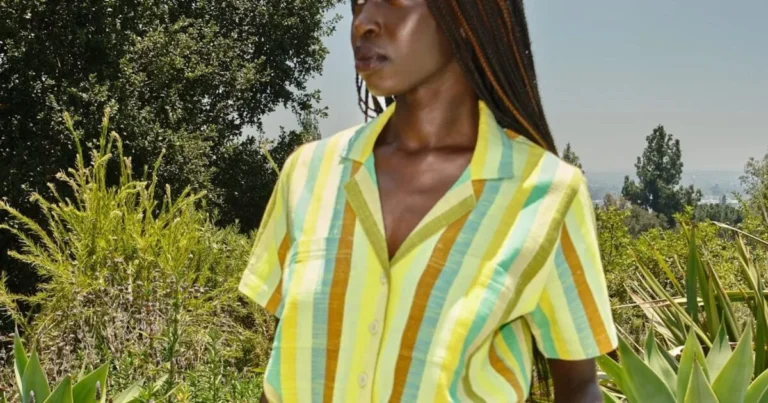
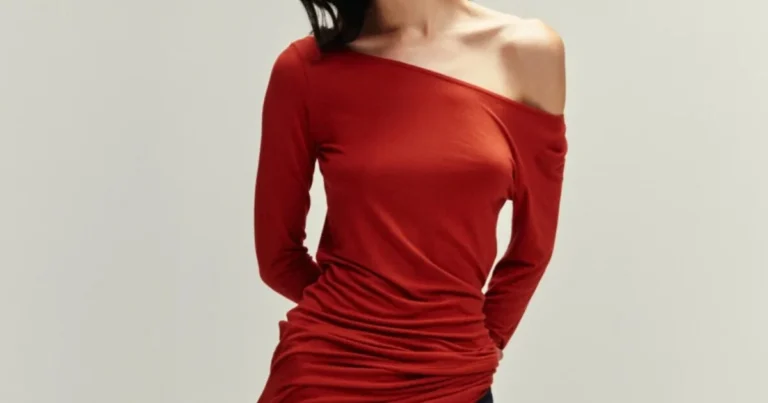
- Dresses: A well-chosen dress can be a one-and-done outfit solution. Brands like Whimsy + Row offer elegant options such as their Ryan Dress, often crafted from sustainable materials like Tencel. Lanius provides sophisticated choices like their Striped Midi Shirt Dress, frequently made from GOTS-certified organic cotton, ensuring both style and environmental integrity.
- Shirts and Blouses: Foundation pieces for any wardrobe. Neem London excels with items like their Comfort Shirt, often using recycled Italian fabrics. For versatile layering, Komodo offers pieces like the India Vest, known for its use of organic and natural fibers.
- Blazers and Jackets: Essential for adding polish. Akyn presents options like the Noor Blazer, often utilizing undyed, natural materials to minimize environmental impact. E.L.V. Denim innovates with pieces like the Jamie Blazer, crafted from upcycled denim, showcasing circular design. For a coordinated look, WILDA.ECO offers personizable blazers and matching trousers, often made from responsibly sourced fabrics, allowing for a custom fit and reduced waste. Knowledge Cotton Apparel @ Brothers We Stand provides structured items like their Linen Overshirt, emphasizing organic linen for breathability and durability.
- Trousers and Skirts: Tailored bottoms are key. Artknit Studios offers refined options such as their Tailored Trousers with Pleats, typically made from high-quality, responsibly sourced wool.
- Knitwear: For comfort and layering. Santicler features luxurious options like the Zoe Sweater, often crafted from cashmere boucle with a focus on sustainable production. The Knotty Ones provides cozy yet chic pieces like the January Cardigan, known for its use of ethically sourced Merino wool.
Essential Accessories: The Sustainable Finishing Touches
Beyond clothing, sustainable choices extend to shoes, bags, and other accessories, which often have a significant environmental footprint due to material choices and manufacturing processes.
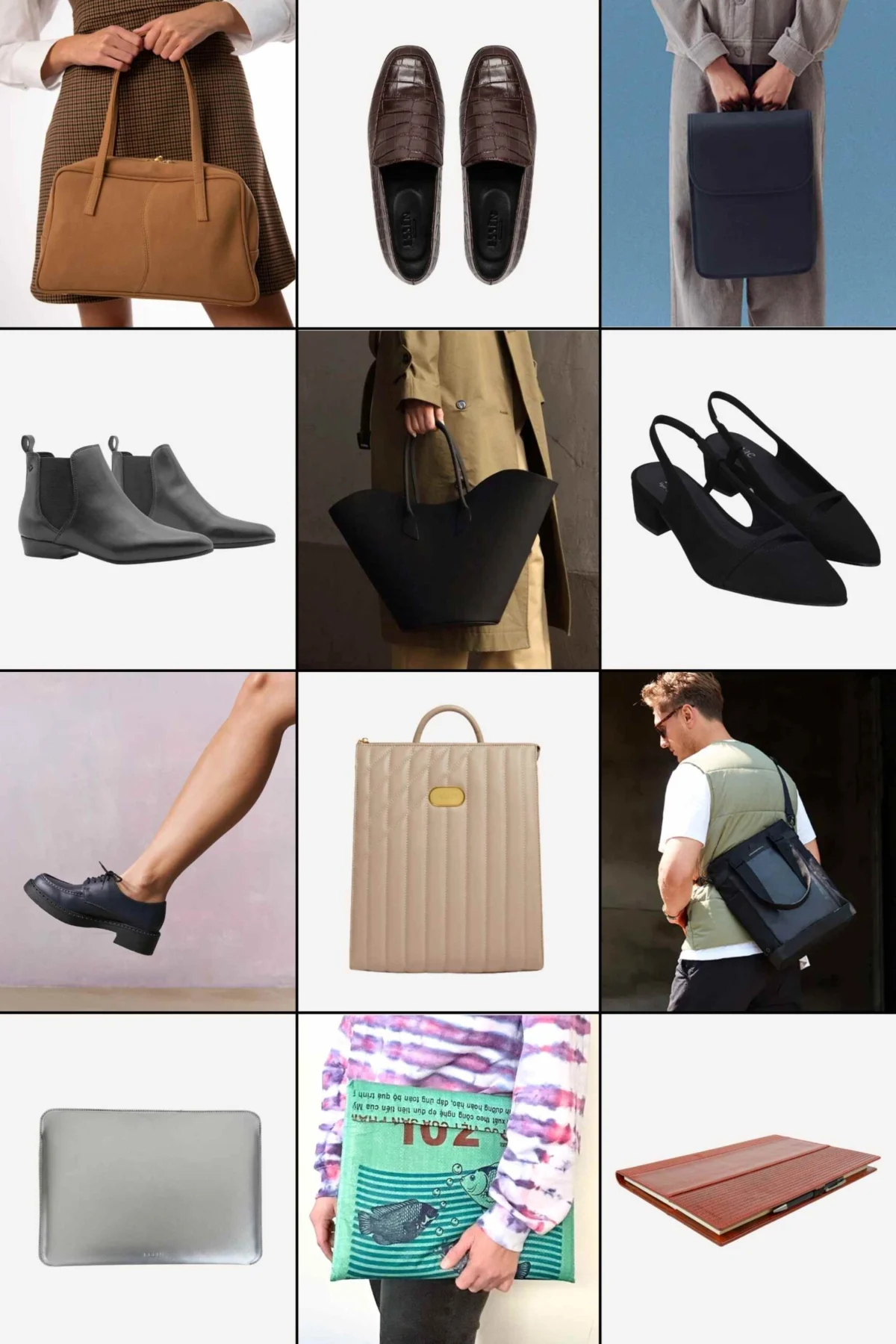
- Bags: A functional and stylish bag is indispensable. Mashu offers elegant options like the Artemis Bag, frequently crafted from vegan leathers and sustainable materials. Ucon Acrobatics provides practical yet stylish backpacks, such as the Adina Mini Backpack, often made from recycled PET bottles or other innovative eco-friendly textiles. ASK Scandinavia designs minimalist and durable options like the Willow Tote Bag, with a focus on recycled and low-impact materials. For laptop protection, LaBante offers the Danai Vegan Backpack, and Groundtruth features the Rikr Vegan Laptop Bag, both utilizing recycled and plant-based materials. BEEN London and Torrain provide sophisticated laptop sleeves, like the Orton Vegan Laptop Sleeve, often made from upcycled leather waste or other innovative sustainable materials.
- Shoes: Comfort and style are paramount for professional footwear. ESSEN offers timeless designs such as their Modern Moccasin Shoes, focusing on high-quality, durable materials and ethical production. COG Vegan Chelsea Boots and Nae Vegan Slingback Shoes provide stylish, animal-friendly alternatives using innovative vegan leathers. Agazi features options like the Helen Vegan Loafers, made from plant-based materials.
- Office Essentials: Even small items can reflect a commitment to sustainability. Elvis & Kresse crafts unique items like their Firehose Notebook, repurposing decommissioned fire hoses into durable, distinctive accessories, embodying circularity.
The Broader Impact and Future of Sustainable Workwear
The movement towards sustainable workwear is more than a fleeting trend; it represents a fundamental shift in consumer values and industry practices.
Consumer Empowerment: By consciously choosing sustainable brands and adopting mindful consumption habits, consumers wield significant power. Their purchasing decisions send clear signals to the market, incentivizing more brands to adopt ethical sourcing, transparent supply chains, and environmentally responsible manufacturing processes. This collective action drives innovation and accountability across the entire fashion ecosystem.
Industry Transformation: In response to growing consumer demand and increasing regulatory pressures, the fashion industry is undergoing a significant transformation. Brands are investing in research and development for innovative, lower-impact materials, exploring circular business models such as rental services and take-back programs, and enhancing transparency throughout their supply chains. The focus is shifting from linear "take-make-dispose" models to more regenerative and circular approaches.
Policy and Innovation: Governments and international bodies are increasingly recognizing the environmental impact of the textile industry, leading to potential policy changes and regulations aimed at promoting sustainability. Simultaneously, advancements in material science are continually introducing new possibilities, from bio-based textiles grown from algae or mushrooms to advanced recycling technologies that can convert textile waste back into high-quality fibers.
In conclusion, dressing for the modern office in 2026 is an opportunity to align professional presentation with personal values. By embracing the principles of "buy less, but better," prioritizing quality and longevity, and making informed choices about materials and brands, professionals can cultivate a sophisticated, impactful, and genuinely sustainable workwear wardrobe. This conscious approach not only elevates one’s individual style but also contributes meaningfully to a healthier planet and a more equitable future.