








Winston Churchill, a figure etched into the annals of history, is often encapsulated by iconic imagery: the resolute gaze, the famous "V for Victory" sign, and the ever-present cigar. Beyond these powerful symbols, his daily life was navigated with a carefully curated selection of personal items – his "everyday carry" (EDC). These weren’t mere accessories but integral tools that aided his thought processes, decision-making, and projection of unwavering authority during some of the 20th century’s most tumultuous periods. Far from being trivial, these objects—crafted from metal, silk, tortoiseshell, and velvet—formed a personal suit of armor, reflecting his profound connection to heritage, an uncompromising demand for quality, and the quiet power of personal ritual. This examination delves into eight such items, offering insights into how a statesman’s personal effects can become extensions of his persona and enduring symbols of his impact.
The Bedrock of Identity: Heritage and Timekeeping
At the core of Churchill’s daily ensemble were items that subtly but powerfully underscored his deep roots and meticulous approach to time. These were not chosen for fleeting fashion but for their inherent quality and symbolic weight.
The Spencer-Churchill Signet Ring: A Tangible Link to Lineage
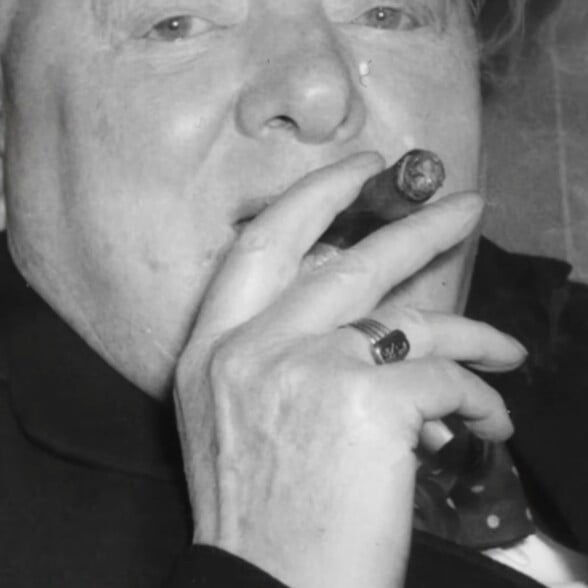
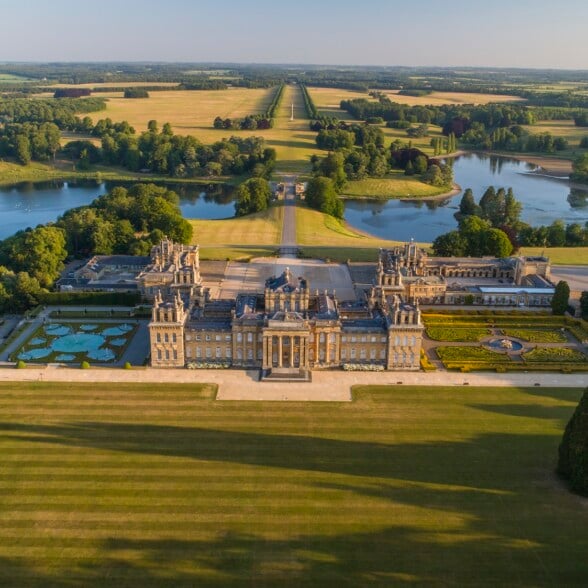
For Winston Churchill, heritage was more than a concept; it was a palpable presence, literally at his fingertips. His gold signet ring, crafted with the exquisite skill characteristic of royal jewelers like Garrard, bore the intricate Spencer-Churchill arms. This emblem was a direct, constant reminder of his lineage, connecting him to the illustrious Dukes of Marlborough and Blenheim Palace, his ancestral home and birthplace. Unlike the more flamboyant Continental style of wearing a signet ring on the pinky finger, Churchill chose the ring finger of his right hand. This placement was a deliberate statement, eschewing ostentation for a sober, ever-present connection to his duty and the immense weight of history he carried. It served as a silent, physical covenant with his aristocratic past, influencing his sense of responsibility toward the future of Britain. The choice of gold, a noble metal, further accentuated the ring’s status as an heirloom, passed down through generations, embodying stability and enduring power.

"The Turnip": A Breguet Pocket Watch and the Value of Tradition
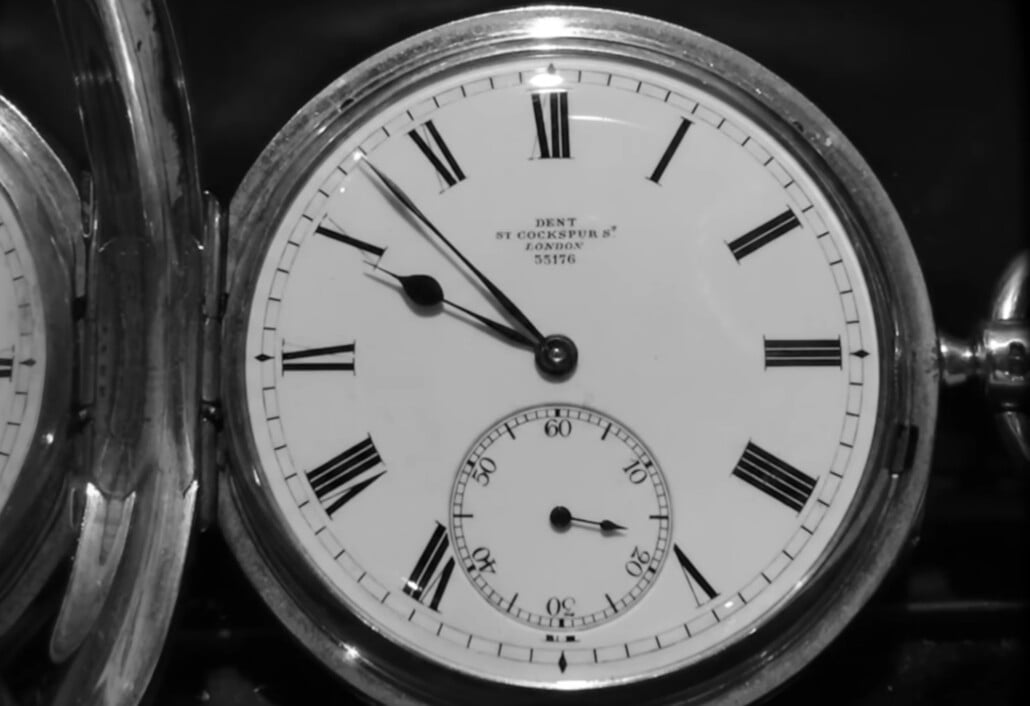
In an era witnessing the widespread adoption of the wristwatch, particularly among military personnel, Churchill remained steadfastly loyal to the pocket watch. His chosen timepiece was a Breguet reference number 765, a sophisticated instrument equipped with a minute-repeating complication. This intricate feature allowed him to chime the exact time in the dark, a practical advantage that proved invaluable during the blackout conditions of the Blitz. Affectionately dubbed "the Turnip" due to its large, bulbous 18k gold case, it was a serious instrument for a man whose life revolved around precision and strategic timing.
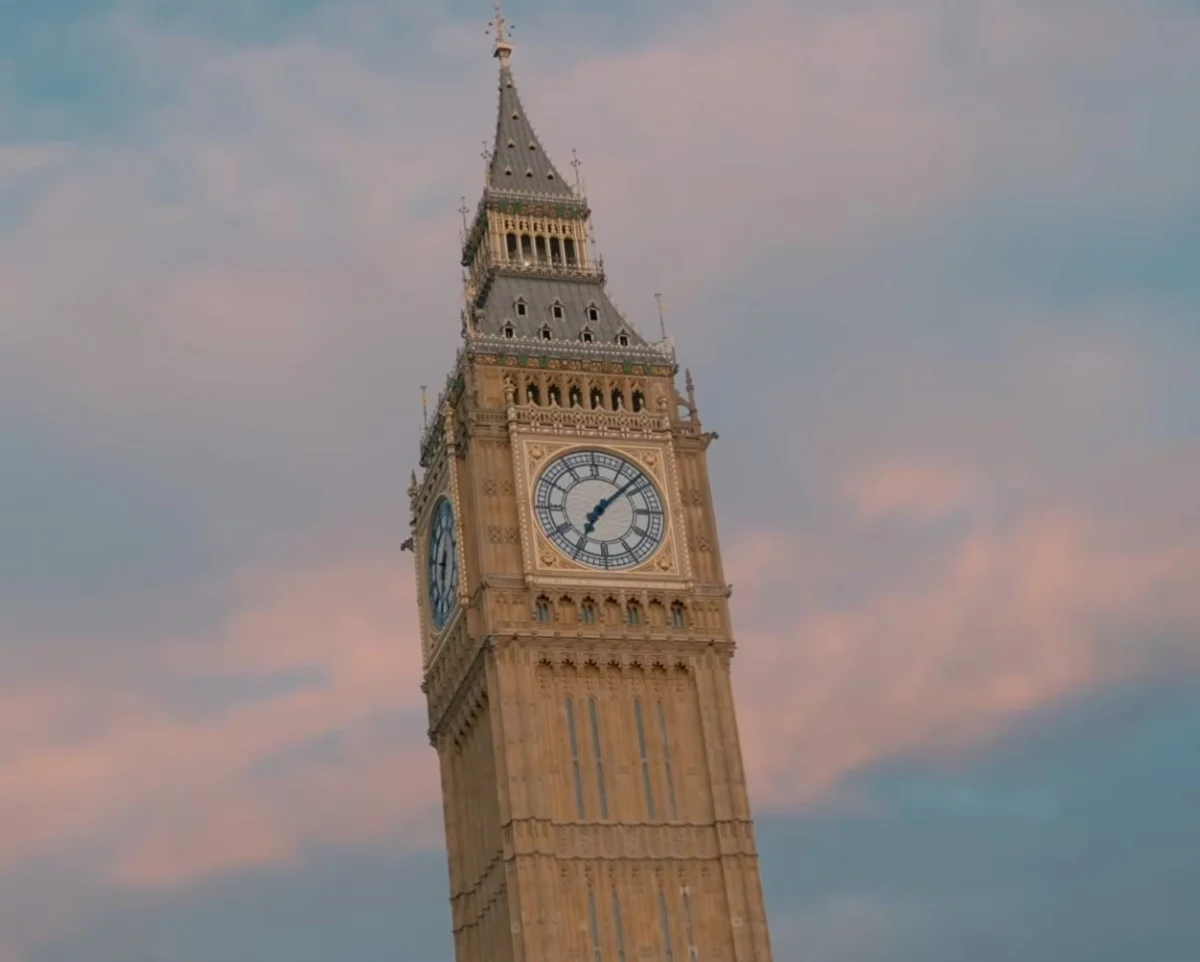
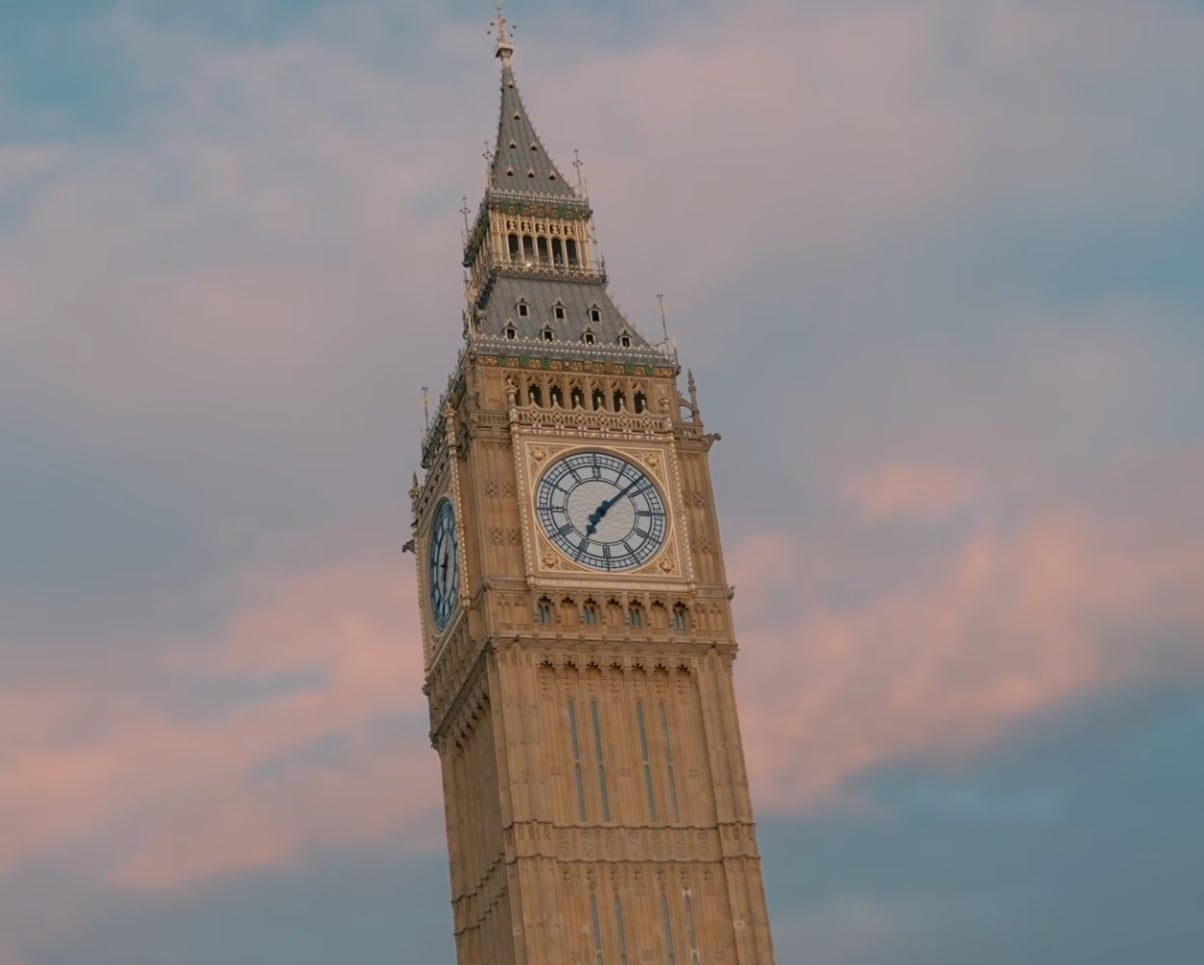
The origins of "The Turnip" further underscore its significance. It was originally commissioned in 1890 by John Spencer-Churchill, the 7th Duke of Marlborough, from Dent, the esteemed London watchmaker renowned for crafting the Great Clock at Westminster, colloquially known as Big Ben. The Duke later bequeathed this magnificent watch to Winston, who carried it with profound pride throughout his life. Churchill’s continued preference for the pocket watch, despite the rise of wristwatches, was a powerful statement of traditionalism and gravitas. While wristwatches were seen as modern gadgets, a pocket watch demanded a deliberate ritual: reaching into the waistcoat, drawing it forth, and observing the time. This methodical act perfectly complemented Churchill’s disciplined and reflective nature, emphasizing that time, for him, was a precious commodity to be consciously managed, not merely glimpsed. As Churchill himself articulated, "Time is one thing that can never be retrieved. One may lose and regain friends. One may lose and regain money. Opportunity, once spurned, may come again, but the hours that are lost in idleness can never be brought back to be used in gainful pursuits." This quote vividly illustrates his profound respect for time and the tools that measured it.
Crafting the Public Persona: Signature Accessories and Tools of Expression
Churchill meticulously selected items that not only served practical functions but also became integral to his public image, solidifying his unique brand.
The Cuban Signature: Romeo y Julieta Cigars as a Symbol of Defiance
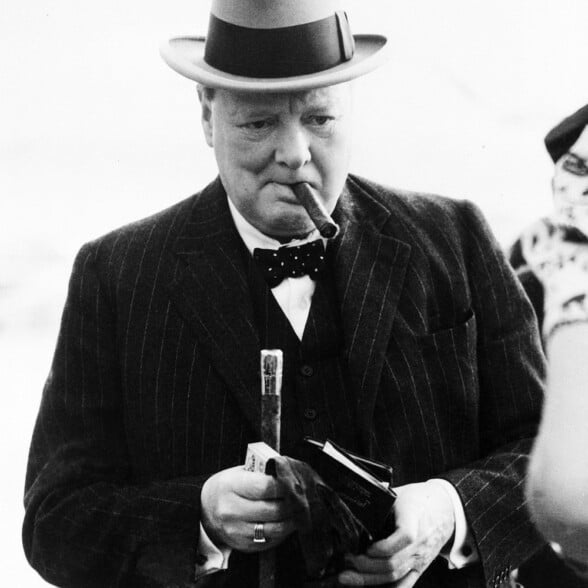
No accessory is more universally synonymous with Winston Churchill than his cigar. Far from being a mere habit, the cigar was a deliberate, specific tool for projecting his public image: that of a hard-charging, resolute leader who nonetheless appreciated the finer things in life. His preferred brands were Cuban, notably Romeo y Julieta—a brand still thriving today—and the now-defunct La Aroma de Cuba. Indeed, his association with Romeo y Julieta was so profound that the company, which once marketed his preferred size as the Clemenceau (after the celebrated French Prime Minister), later permanently renamed it the "Churchill" in his honor, a designation it retains to this day.
Churchill favored cigars that were long in size and mild in strength. He reportedly consumed an astounding eight to ten cigars daily, though it’s important to note that he didn’t always smoke them fully. Often, he would light one only to be called away by pressing demands, or he would simply chew them down to nubs. This habit was so pronounced that his wife, Clementine, would sometimes insist he wear a bib to protect his clothing. To keep his fingers clean while writing, he devised a DIY paper wrap he termed a "bellybando." This seemingly minor detail highlights his pragmatic approach to even his most iconic indulgence. The cigar, ever-present, became a symbol of his unflappable resolve and his ability to maintain composure amidst the gravest challenges, reinforcing his powerful and unique public image.
The Fountain Pen: The Might of the Written Word
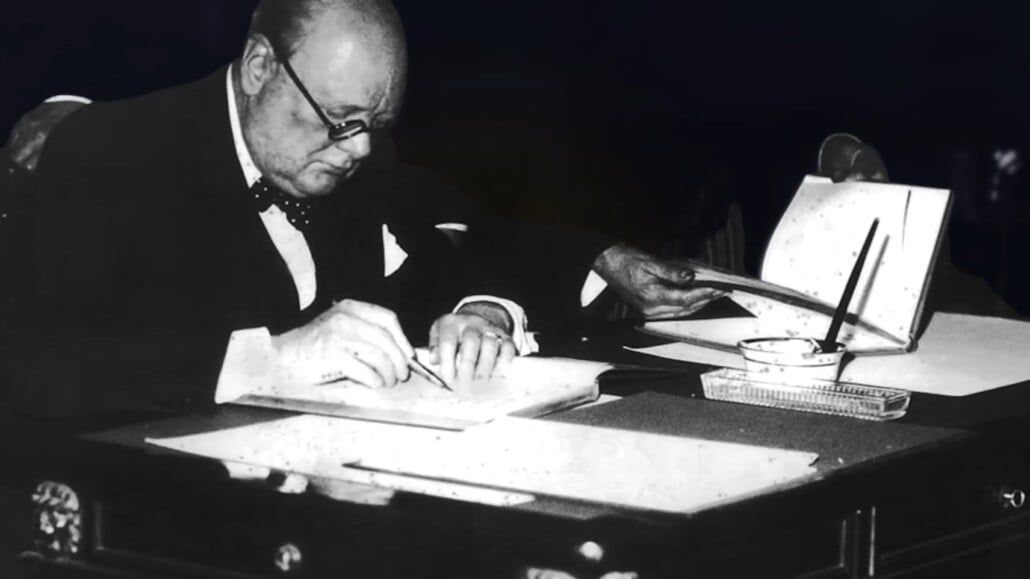
While celebrated as a wartime prime minister and orator, Winston Churchill possessed an equally profound understanding of the pen’s might. A prolific writer, he authored numerous books—including his six-volume history of the Second World War, which contributed to his 1953 Nobel Prize in Literature—and countless memos, speeches, and dispatches. He firmly believed that the tool for the job was as crucial as the thought itself. Naturally, he favored British-made pens from storied manufacturers, a testament to his patriotism and appreciation for quality craftsmanship. In his younger years, he often used pens from Mabie Todd, particularly a model called the "Swan." Later, he gravitated towards Onoto and Conway Stewart. He specifically preferred the Onoto plunger-filler for its generous ink capacity, allowing him to compose lengthy manuscripts without interruption. Typically fitted with gold nibs, these were far from disposable items; they were precise, weighted tools that felt significant in the hand, embodying the gravity of the words they committed to paper. For Churchill, the act of writing was a powerful ritual, shaping his ideas and communicating his vision, making the fountain pen an indispensable instrument of his leadership.
The Silhouette of Authority: Strategic Wardrobe Choices
Churchill’s sartorial selections were never accidental; they were carefully chosen to project a specific image of authority, tradition, and unwavering presence.
The Homburg Hat: A Global Emblem of British Statesmanship
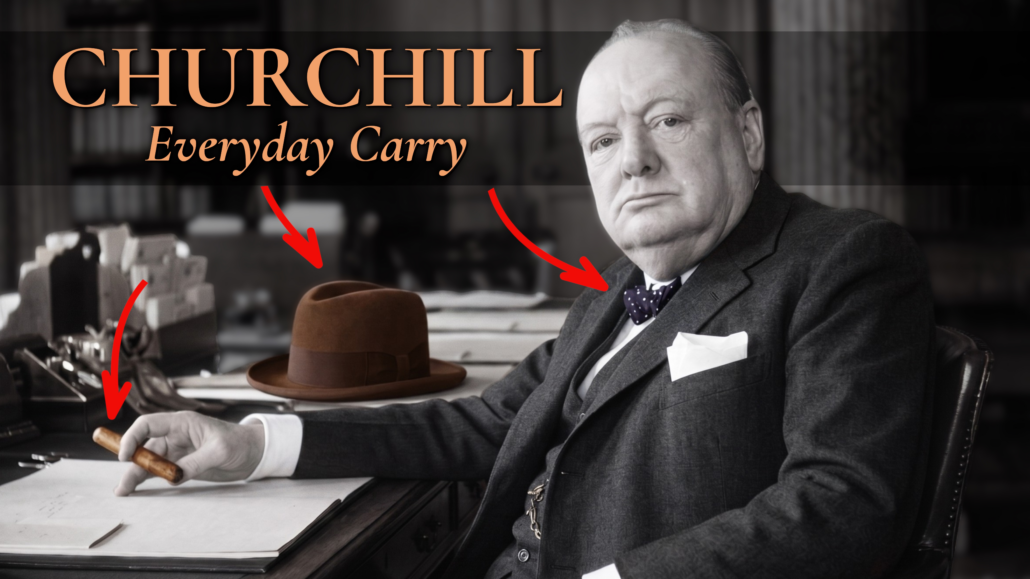
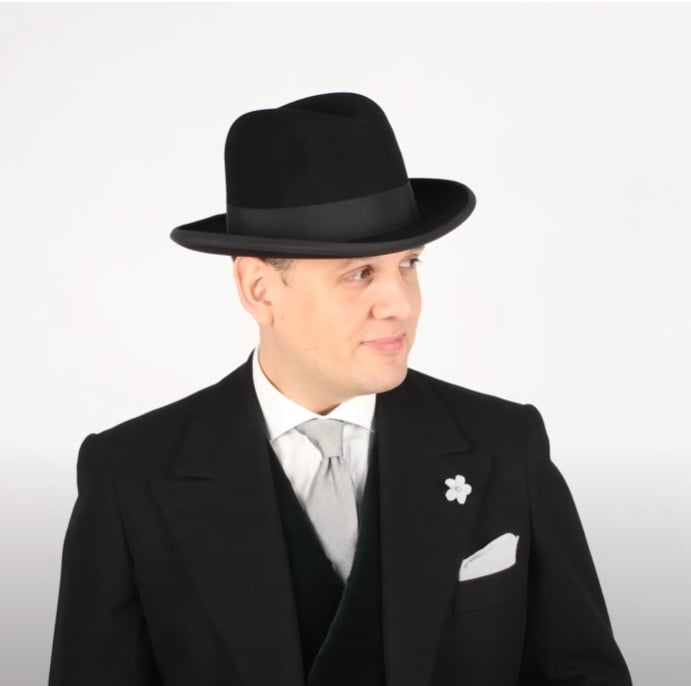
While many American gentlemen of the era opted for a fedora, and formal occasions dictated a top hat, Churchill displayed a distinct preference for the Homburg. This hat style, characterized by its rigid, rolled brim and a single lengthwise crease in the crown, originated in the German town of Bad Homburg near Frankfurt. Its global popularity, however, was significantly influenced by two prominent British figures. First, Edward VII began wearing it after vacationing in Bad Homburg in the 1880s-90s. Later, Churchill’s almost constant wearing of the Homburg elevated it to a global symbol of British statesmanship.
Churchill’s choice over the more pliable fedora was likely a conscious decision regarding his public silhouette. The Homburg’s stiff, structured, and authoritative form didn’t slouch or lose its shape, commanding respect instantly. It struck a perfect balance, offering dignity and seriousness without the overt pomp of a top hat, making it ideal for the gravitas required of a wartime leader. This sartorial choice became an identifiable extension of his persona, a visual shorthand for his resolute leadership.
The Navy Spotted Bow Tie: A Flair for Recognizability
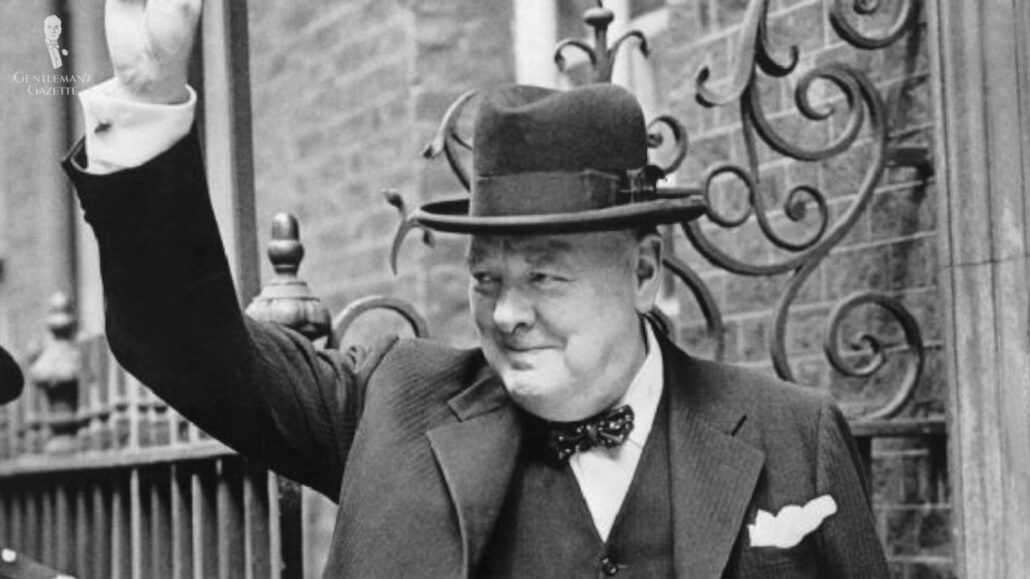
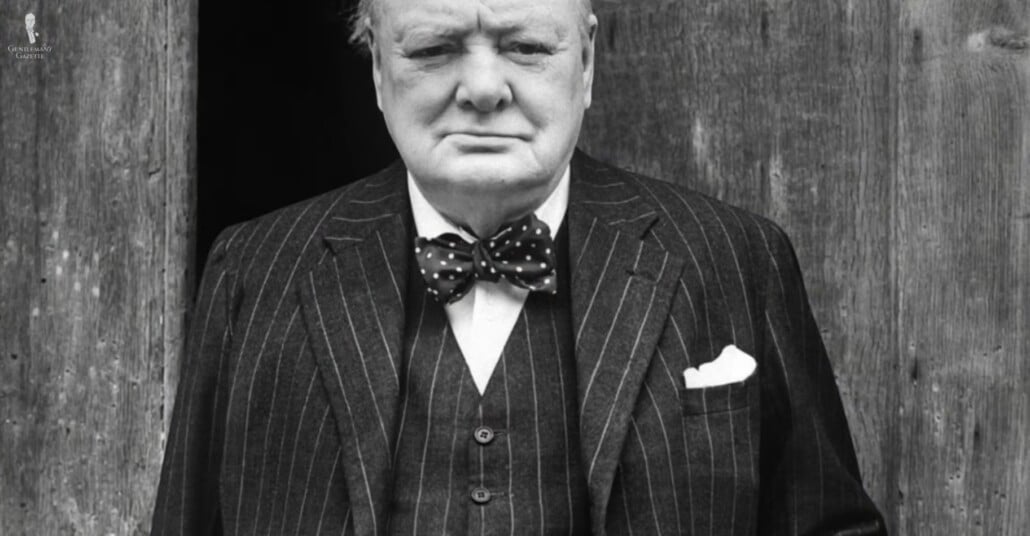
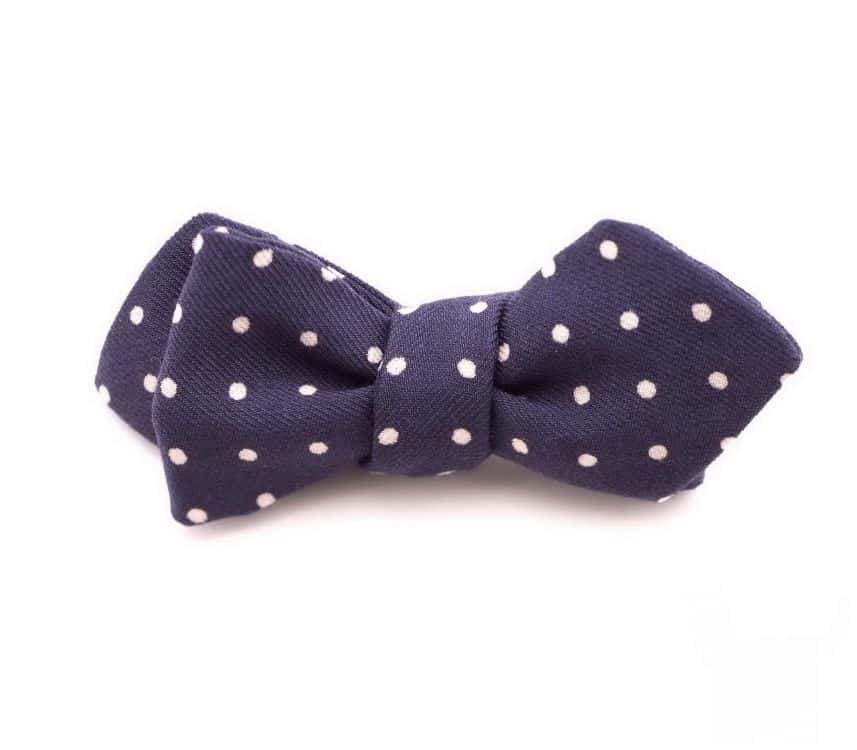
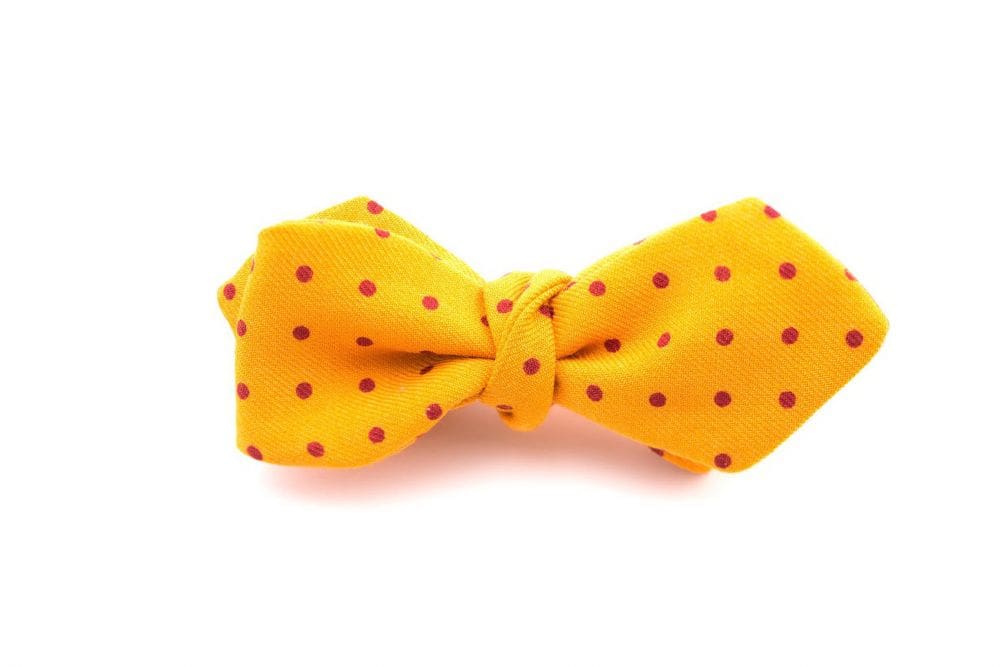
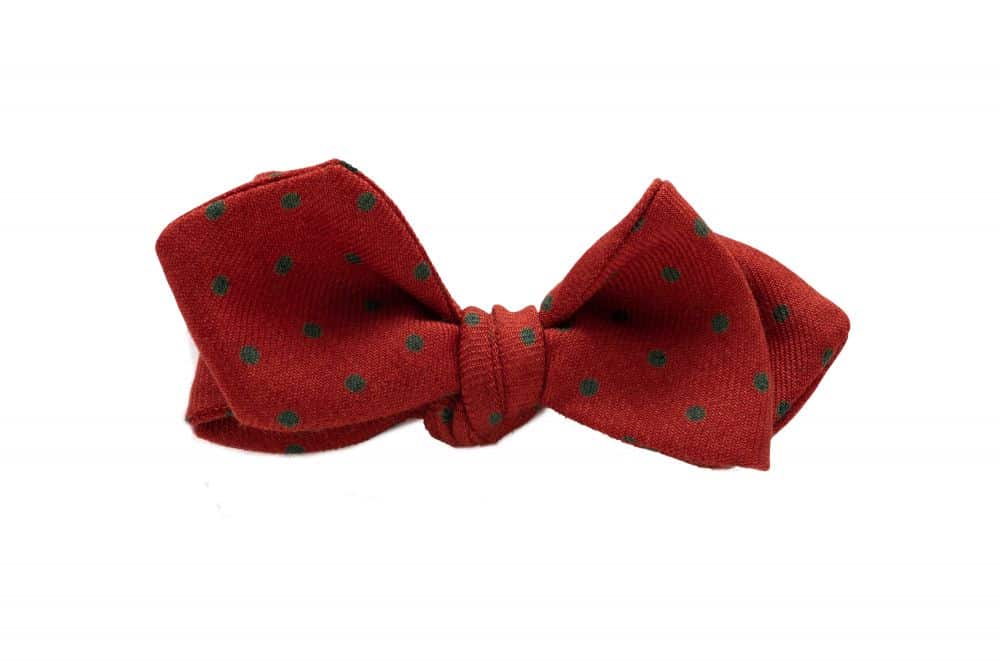
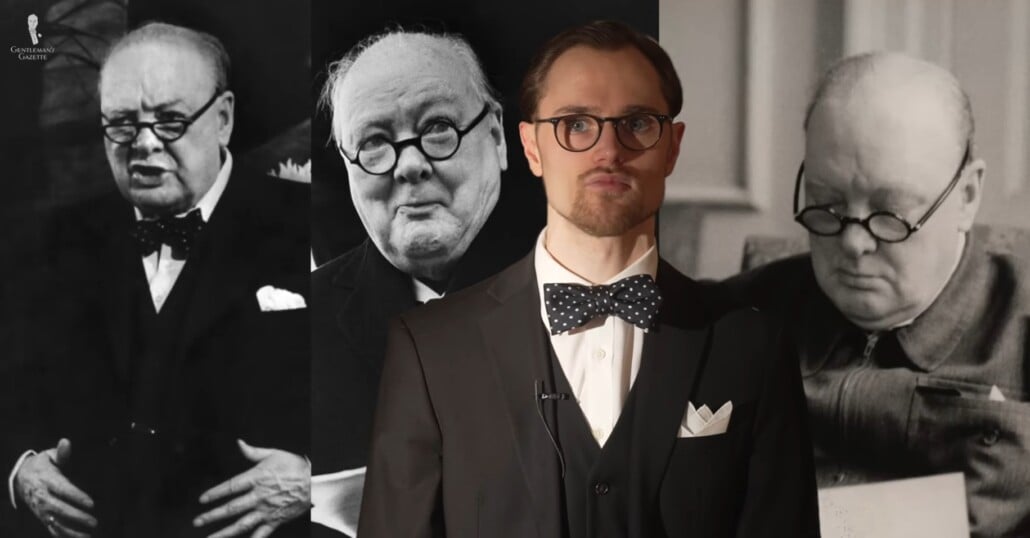
No sartorial accessory is as singularly associated with Winston Churchill as his spotted bow tie. Its pattern was almost invariably the same: navy blue with white polka dots. This was a conscious, strategic choice. Whether standing in Parliament, being photographed by flashbulbs for newspapers, or filmed for newsreels, the sharp color contrast and memorable pattern made him instantly identifiable to the public. In a sea of somber suits and plain ties, the bow tie acted as a distinctive point of focus and a flourish of personality that boldly declared his presence. It became so intrinsically linked to Churchill that haberdashers of the time would occasionally market it as the "Blenheim," in a direct nod to his ancestral estate, demonstrating how deeply embedded this particular style became in the public consciousness as part of his unique brand.
The Private Quarters: Comfort and Precision in Personal Space
Even in his private moments, Churchill’s attention to detail and preference for quality extended to items that afforded him comfort and facilitated his personal pursuits.
Specialized Tortoiseshell Spectacles: Tailored for Every Task
Suffering from worsening eyesight as he aged, eyeglasses were a strict necessity for Churchill. Yet, he didn’t settle for a single pair to manage every situation. He commissioned specific tortoiseshell frames, primarily from the esteemed firm of C.W. Dixey & Son, to suit his various daily tasks. These frames were not merely functional; they were crafted to maintain a dignified, old-world style that perfectly suited his face. To quickly distinguish between them, he had the temple tips decorated with dots: one dot for his reading glasses and two dots for the pair used specifically for speechwriting. Other pairs were designated for activities like sketching, painting, and playing cards. This meticulous approach to his eyewear highlights his belief that every element of his appearance, functional or otherwise, deserved the same level of consideration, reflecting his holistic attention to detail in all aspects of his life.
Monogrammed Albert Slippers: Dignity in Repose
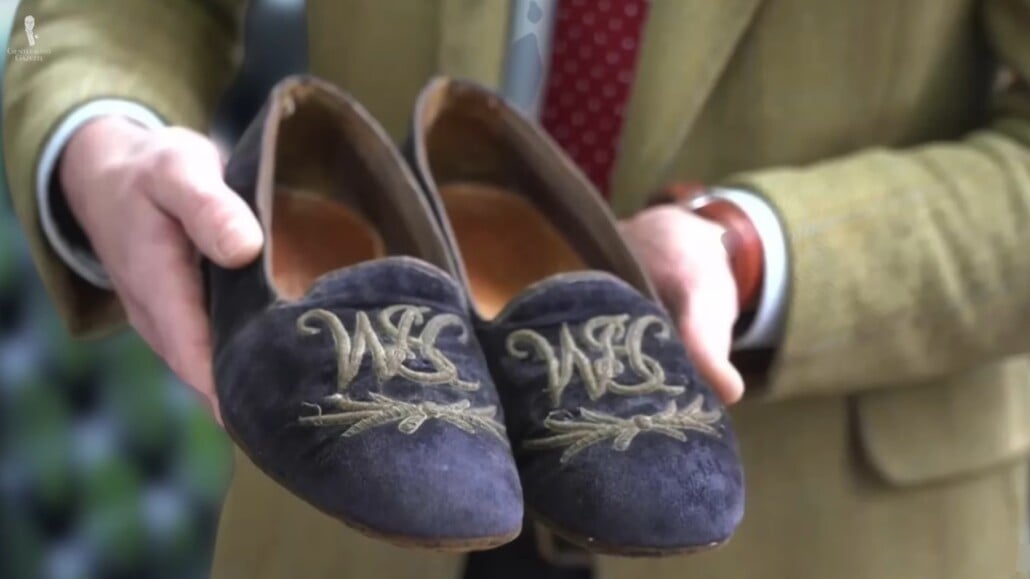
After long, arduous days managing global crises, Churchill would retreat to his beloved country home, Chartwell, and change into comfortable house shoes. His preferred style? Albert slippers. This traditional style of house shoe is typically made with black velvet uppers and a stiffer sole than other slipper types, making it akin to a dress shoe for indoor wear. They can feature the same grosgrain silk ribbon found on opera pumps, but more commonly, the vamp is either plain or adorned with embroidered motifs. The slipper is named in honor of Prince Albert, husband and consort of Queen Victoria, who played a significant role in popularizing the style in the mid-to-late 19th century.
Churchill favored fairly conventional Albert slippers. His first known pair was a gift from Lady Diana Cooper, a close friend, in black velvet with his monogram embroidered in gold. He grew to appreciate the style so much that he commissioned subsequent pairs, usually in deep blue or maroon velvet, embroidered with his initials in either gold or white. Photographs from the era reveal that he not only wore his Albert slippers at home but, on occasion, even ventured out in public while wearing them, underscoring his comfort with his personal style and his defiance of rigid sartorial conventions when he felt it appropriate. These slippers symbolized his blend of aristocratic ease and an unapologetic embrace of personal comfort, even if it meant bending social norms.
Implementation & Payoff: Lessons from Churchill’s EDC
Winston Churchill’s everyday carry items were more than just personal possessions; they were carefully selected components of his identity and his strategy for leadership. Each item, from the ancestral signet ring to the distinctive bow tie, served to reinforce his image as a man deeply rooted in tradition, committed to quality, and possessed of an unwavering sense of purpose.
What Modern Gentlemen Can Learn from Churchill’s EDC:
- Heritage and Authenticity: Churchill’s signet ring and pocket watch weren’t merely functional; they were deeply personal links to his past. They teach us the value of connecting with our roots and embracing items that tell a story, rather than chasing ephemeral trends.
- Quality Over Quantity: Each of Churchill’s items was chosen for its superior craftsmanship and durability. This principle advocates for investing in fewer, higher-quality items that stand the test of time and provide enduring satisfaction.
- The Power of Ritual: The deliberate act of pulling out his pocket watch or selecting a specific fountain pen transformed mundane actions into meaningful rituals. Such routines can imbue daily life with purpose and focus, offering a sense of control and gravitas.
- Strategic Personal Branding: Churchill masterfully used his accessories—the cigar, the Homburg, the polka-dot bow tie—to craft a memorable and authoritative public image. This demonstrates how personal style, when thoughtfully curated, can become a powerful tool for communication and influence.
- Functionality and Personalization: His specialized spectacles and custom Albert slippers highlight the importance of choosing items that are not only functional but also perfectly tailored to one’s specific needs and comfort. Personalization elevates an item from a generic tool to an extension of oneself.
Churchill’s EDC serves as a testament to the idea that true style is a harmonious blend of personal history, functional necessity, and a conscious projection of one’s character. By examining his choices, we gain not only a deeper understanding of the man himself but also timeless lessons in how to approach our own daily essentials with greater intention and appreciation for their enduring significance.
Frequently Asked Questions
What was the specific brand and model of Churchill’s pocket watch?
Churchill carried a Breguet reference number 765, which he nicknamed “the Turnip” due to its large, bulbous 18k gold case. It featured a complex minute-repeating complication that allowed him to chime the exact time in the dark—a vital tool during the Blitz.
Why did Winston Churchill always wear a polka-dot bow tie?
His choice of a navy blue bow tie with white polka dots was a strategic branding move. The sharp contrast made him instantly recognizable in black-and-white newspaper photos and newsreels. It became so iconic that the pattern is still referred to by haberdashers as the “Blenheim” print.
Did Churchill actually smoke every cigar he carried?
While he was famous for having a cigar almost constantly, he didn’t always smoke them. He reportedly went through eight to ten cigars a day, but he often chewed them into nubs or let them go out while working. To keep his fingers clean while writing, he used a DIY paper wrap he called a “bellybando.”
What was unique about the way Churchill wore his signet ring?
Unlike many who wear signet rings on the pinky finger (the Continental style), Churchill wore his on the ring finger of his right hand. The ring bore the Spencer-Churchill family crest and served as a constant physical reminder of his ancestral heritage.
What was the purpose of the “dots” on Churchill’s spectacles?
Churchill had specialized tortoiseshell frames for different tasks. To tell them apart quickly, he had the temple tips marked with dots: one dot denoted his reading glasses, while two dots identified the pair used for speechwriting.
What are “Albert Slippers” and did Churchill really wear them in public?
Albert slippers are velvet house shoes with a quilted lining and leather sole, named after Prince Albert. Churchill’s pairs were typically navy or maroon velvet with his initials embroidered in gold. While designed for the home, he was occasionally photographed wearing them during public appearances.
What kind of fountain pen did Churchill use to write his speeches?
He was a loyal supporter of British craftsmanship, favoring pens from Mabie Todd (the “Swan”), Onoto, and Conway Stewart. He specifically preferred the Onoto plunger-filler for its large ink capacity, which allowed him to write lengthy manuscripts without interruption.