




The perennial debate – is fashion truly art? – takes center stage at the Met Gala 2026, with the highly anticipated event and its accompanying exhibition, Costume Art, explicitly challenging industry long-held perceptions. While the Metropolitan Museum of Art’s Costume Institute has consistently elevated fashion to an academic and cultural art form, the overarching theme for this year’s gala, "Fashion is Art," is perhaps its most direct assertion yet. This broad directive, however, presents both immense creative opportunity and the risk of overly literal interpretations on the red carpet, as celebrities navigate a theme that has historically divided purists and innovators alike.
The Enduring Question: Fashion as Art
For decades, the intersection of fashion and art has been a fertile ground for discussion, often sparking passionate arguments. Legendary figures like André Leon Talley, renowned fashion journalist and former creative director of Vogue, famously dismissed the notion of fashion as glamorous art, stating backstage at John Galliano SS94, "Fashion is hard work! Gritty. It’s not glamorous." This sentiment reflects a long-standing view that fashion, inherently commercial and ephemeral, exists distinct from the perceived timelessness and intellectual rigor of fine art. However, proponents argue that fashion, in its highest forms, embodies creativity, craftsmanship, conceptual depth, and cultural commentary—all hallmarks of art.
The Met Gala, established in 1948 by fashion publicist Eleanor Lambert, has evolved from a society fundraiser to the preeminent annual event celebrating fashion’s artistic merit. It serves as the primary funding source for the Costume Institute, which houses a vast collection of historical and contemporary garments. Through its meticulously curated exhibitions, the Costume Institute has consistently pushed the boundaries of what is considered "art," dedicating entire retrospectives to individual designers like Alexander McQueen, Rei Kawakubo, and Karl Lagerfeld, thereby framing their work within an art historical context. The upcoming Costume Art exhibition is poised to further solidify this stance, granting fashion "pride of place alongside other iconic works in the archive."
Previous Met Gala themes have often explored this delicate balance. "Schiaparelli and Prada: Impossible Conversations" (2012) drew parallels between two revolutionary female designers and their shared surrealist and subversive approaches. "Rei Kawakubo/Comme des Garçons: Art of the In-Between" (2017) directly championed a designer whose work defies conventional fashion, embracing abstraction and challenging the very notion of wearability. These exhibitions and galas have gradually shifted public and academic perception, positioning fashion not merely as clothing but as a powerful medium for artistic expression, cultural dialogue, and avant-garde innovation.
Navigating the Broad Canvas: "Fashion is Art"
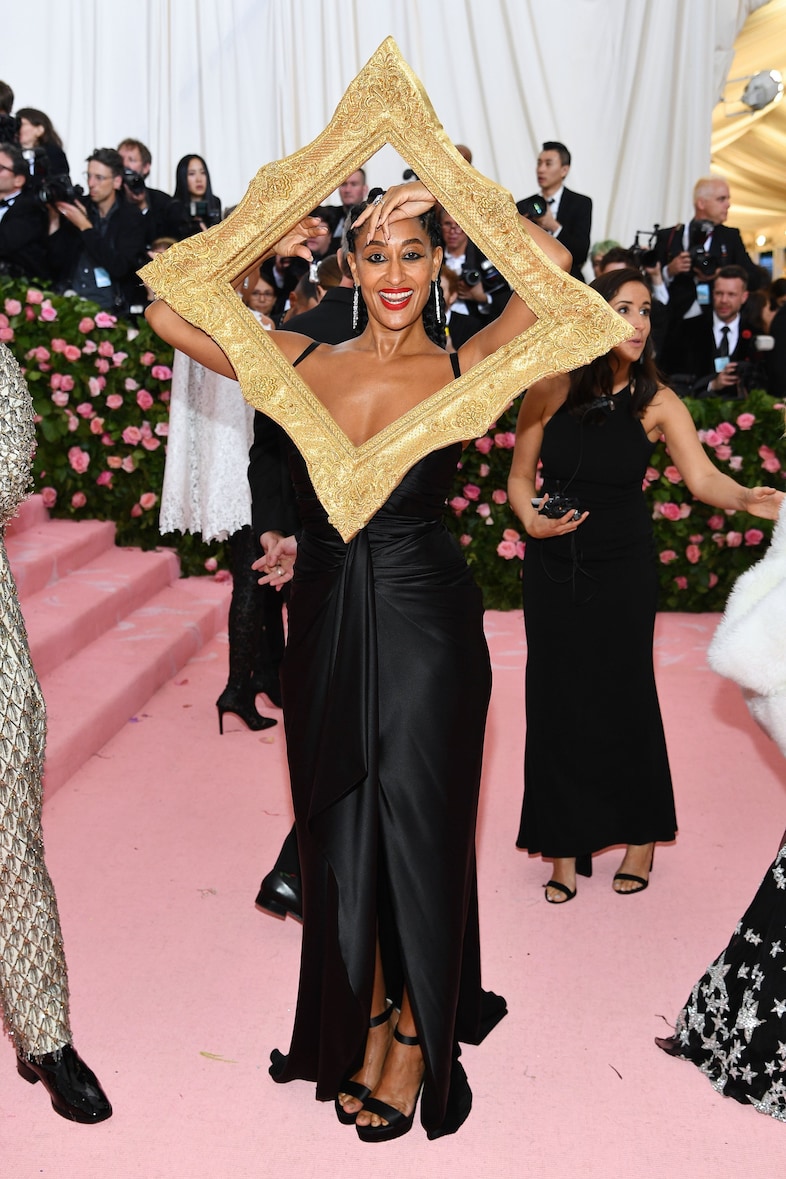
While the "Fashion is Art" theme offers unparalleled freedom, it also comes with the inherent danger of superficiality. The possibility of celebrities arriving in literal interpretations – à la Tracee Ellis Ross’s picture frame in 2019 (a playful take on the theme "Camp: Notes on Fashion," but perhaps too literal for this theme) or even worse, dressed as famous artworks like the Mona Lisa – looms large. Such approaches, while attention-grabbing, risk undermining the very premise the gala aims to celebrate: the inherent artistry of fashion itself, rather than its ability to merely represent other art forms.
To truly honor the theme, an outfit must demonstrate a profound understanding of artistic principles applied to garment construction, conceptual narrative, or performance. It demands an exploration of fashion as sculpture, painting, performance, or conceptual installation, not just a canvas for existing masterpieces. With this in mind, Dazed’s crack team of fashion experts has curated a list of ideal interpretations, offering a glimpse into how the red carpet could become a dynamic gallery of sartorial artistry.
Dazed Editors’ Vision: A Curated Red Carpet
Ted Stansfield, Editor-in-Chief: Zendaya in Comme des Garçons AW26
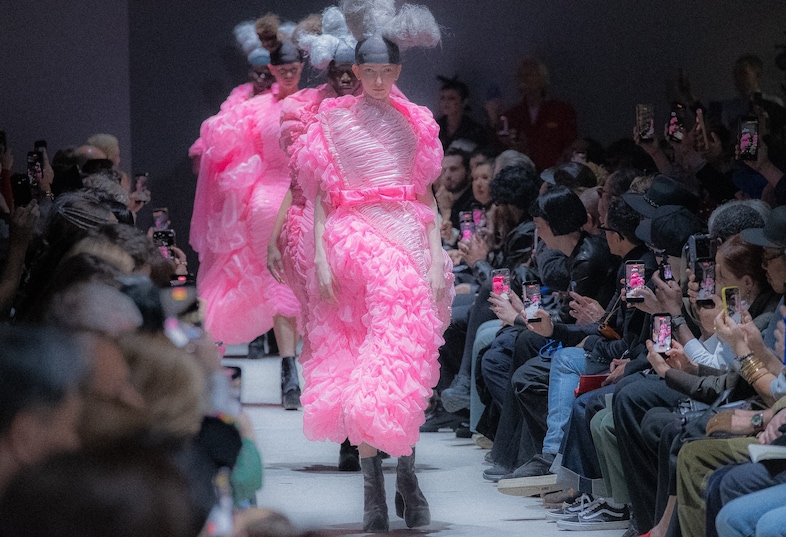
Ted Stansfield’s pick of Zendaya in a pink look from Comme des Garçons’ AW26 collection speaks volumes about the conceptual power of fashion. Rei Kawakubo, the visionary behind Comme des Garçons, is widely regarded as one of fashion’s most influential artists. Her work consistently challenges traditional notions of beauty, form, and wearability, transforming clothing into wearable sculpture and conceptual statements. The brand’s AW26 collection, like many before it, likely pushes boundaries with its deconstructed silhouettes, unexpected fabric manipulations, and provocative aesthetics. To wear Comme des Garçons is to wear art that questions and provokes. Zendaya, known for her fearless and often theatrical red carpet choices, would be the ideal muse to embody Kawakubo’s artistic vision, her presence lending grace and gravitas to an avant-garde creation. Her ability to carry complex narratives through her style would elevate the garment beyond mere clothing, making it a living art piece on the Met steps.
Isobel Van Dyke, Life & Style Writer: Doja Cat as Yves Klein’s Anthropometry
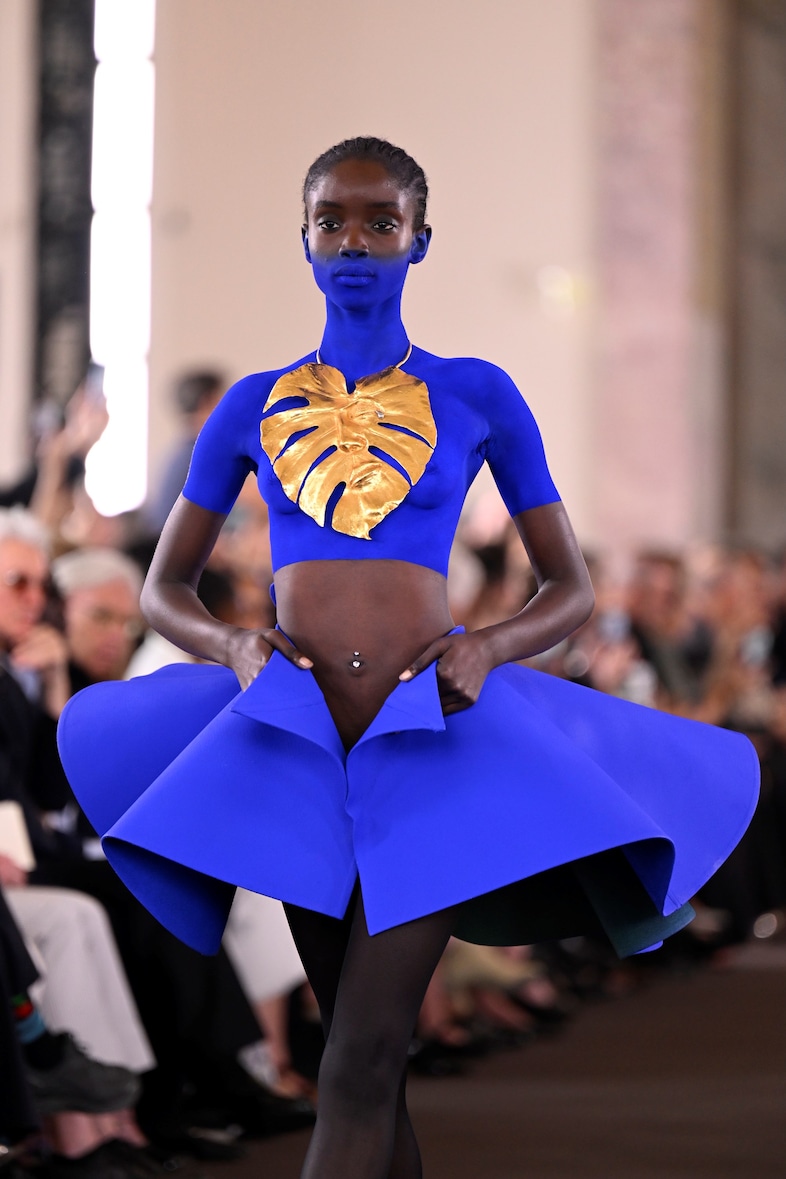
Isobel Van Dyke proposes a radical, performance-art-driven interpretation: Doja Cat, completely naked, adorned solely in wet International Klein Blue (IKB) body paint, recreating Yves Klein’s iconic Anthropometry paintings by rolling down the Met steps. Yves Klein, a French artist celebrated for his monochromatic works and use of IKB – a specific, patented shade of blue – famously used "human paintbrushes" (models covered in paint) to create his art. This suggestion transforms the celebrity into a living, breathing canvas and the red carpet into a performance space, directly referencing a seminal moment in 20th-century art history. The choice of Doja Cat, known for her experimental and often provocative public persona, is fitting for such a bold, boundary-pushing statement. For those seeking a less audacious yet equally art-informed route, Van Dyke suggests exploring Schiaparelli’s AW23 couture collection or Phoebe Philo’s Celine SS17 collection, both of which subtly referenced Klein’s famous shade, demonstrating how high fashion can abstractly incorporate artistic movements without literal replication. Schiaparelli, under Daniel Roseberry, has consistently leaned into surrealist artistry, making it a natural fit for Klein’s legacy, while Philo’s minimalist elegance showcased how even subtle color choices can carry profound artistic weight.
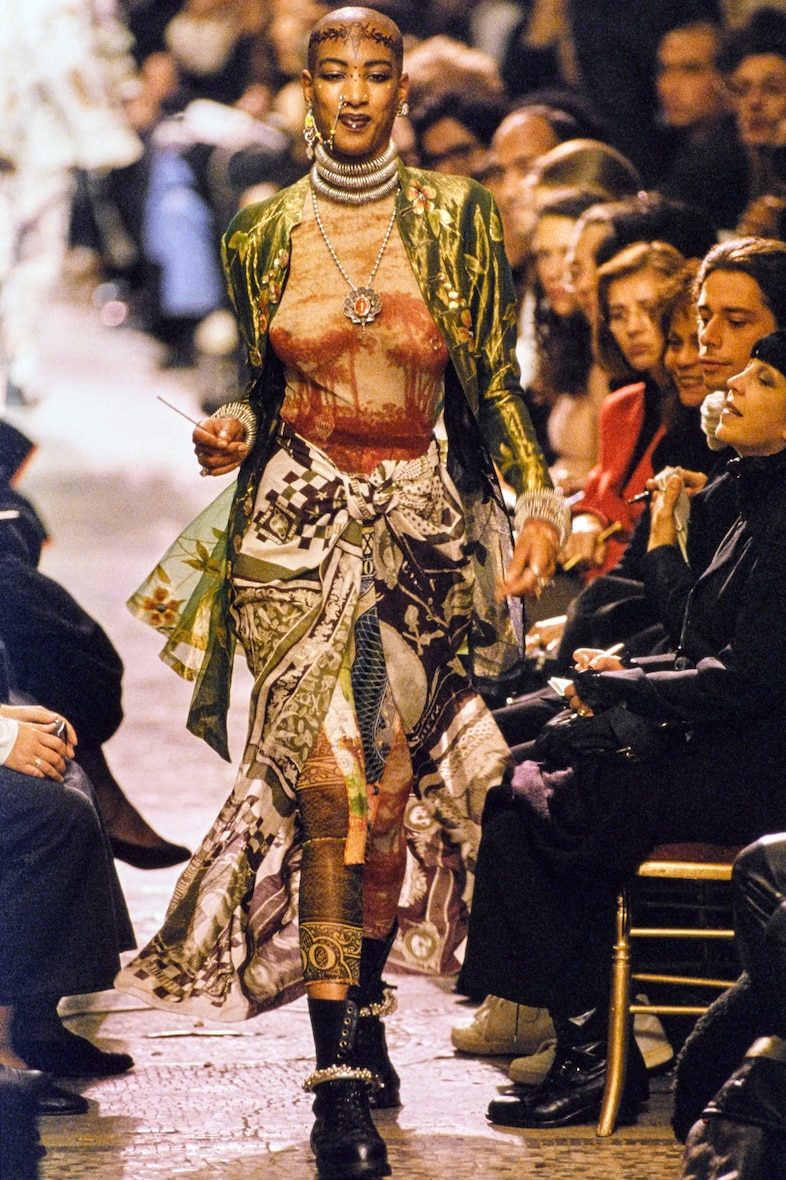
Alex Peters, Beauty Director: Jean Paul Gaultier SS94 Les Tatouages
Alex Peters’s selection of Jean Paul Gaultier’s SS94 collection, Les Tatouages, highlights fashion’s ability to act as a cultural melting pot and a canvas for body art. This collection was a groundbreaking exploration of global aesthetics, famously featuring tattoos printed directly onto clothing and stenciled onto models’ bodies. Gaultier, the enfant terrible of French fashion, provocatively blended diverse influences: traditional Indian jewelry, African tribal prints and beading, intricate corsetry, Joan of Arc-inspired armor, Eastern mysticism, and the raw energy of punk. Les Tatouages was a powerful commentary on the multicultural tapestry of Paris street style at the time, challenging conventional beauty standards and celebrating individuality. Its influence was immense and, at times, controversial, particularly regarding the delicate balance of cultural appropriation versus appreciation. Peters wisely notes the need to "gracefully avoid" certain traditional elements depending on the wearer’s heritage, underscoring the critical importance of cultural sensitivity in artistic homage. This collection serves as a testament to fashion’s role in reflecting and shaping cultural identity, positioning the body itself as a living sculpture.
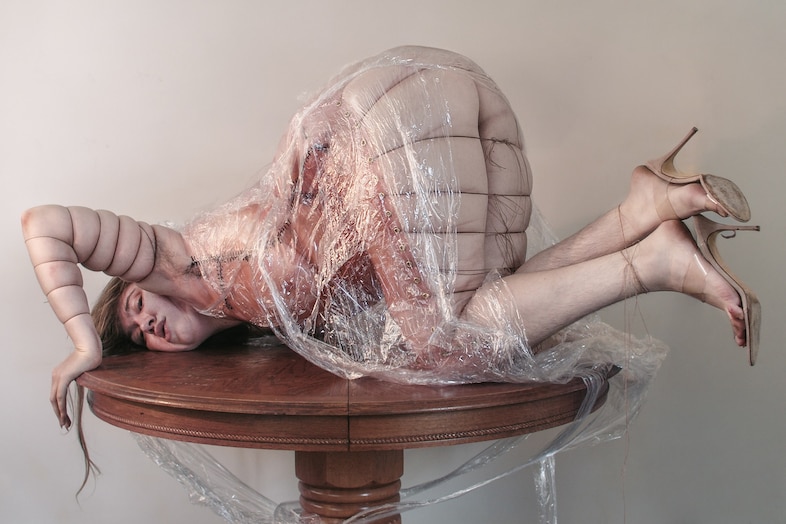
Elliot Hoste, Fashion Writer: Michaela Stark (Inspired by Leigh Bowery)
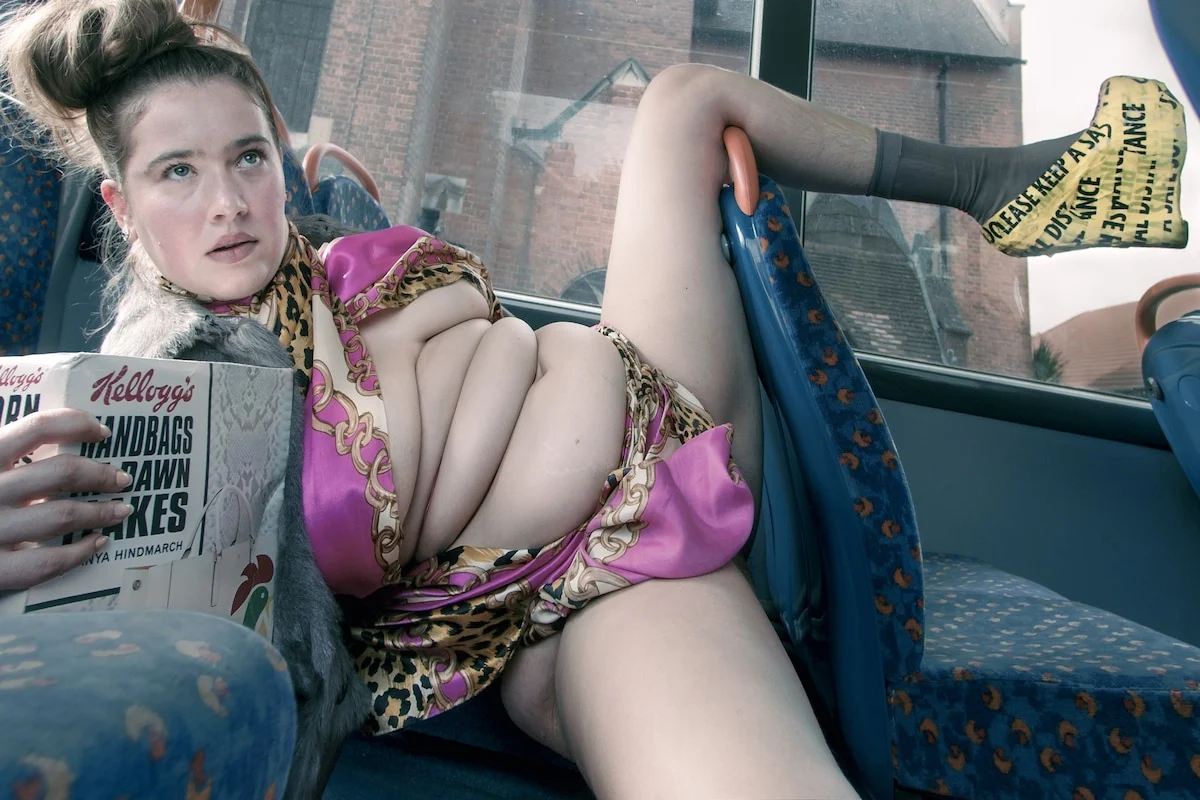
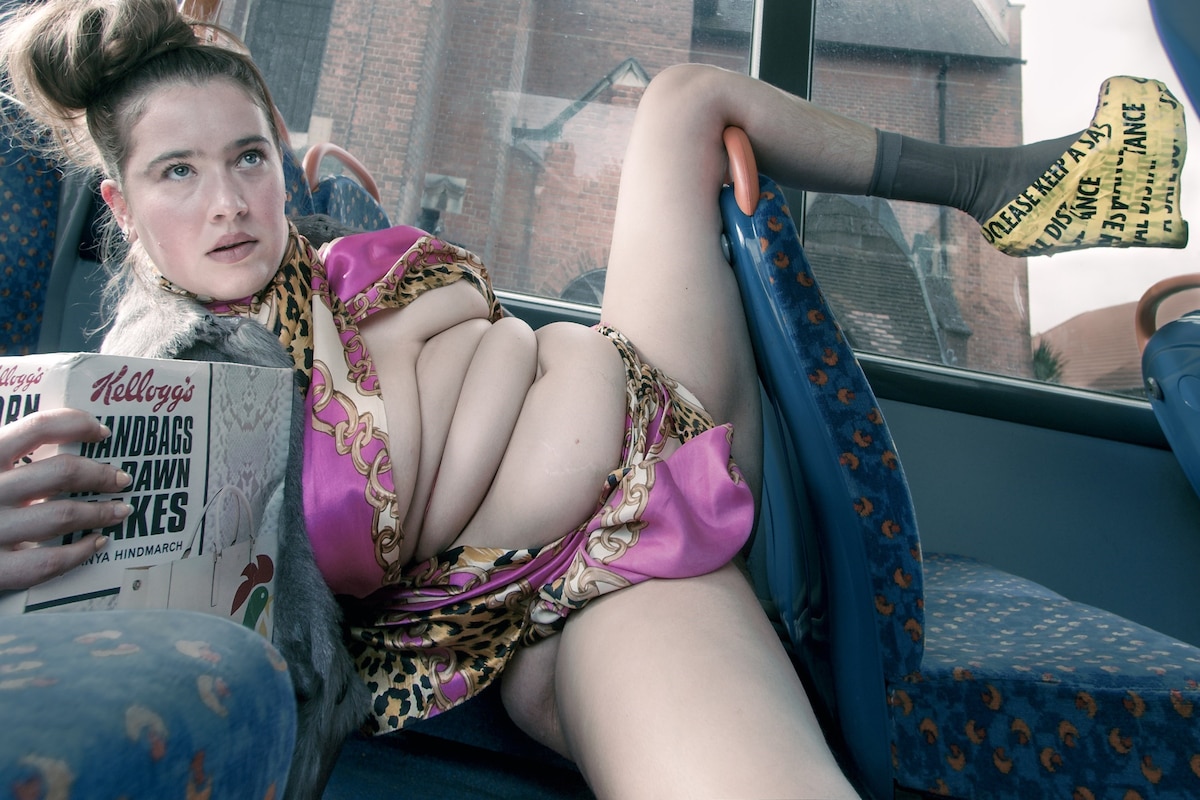
Elliot Hoste champions Michaela Stark, a designer whose work inherently blurs the lines between fashion and art. Stark is celebrated for her contorting corsetry and sculptural garments that subvert traditional female forms, engaging the body in a direct, often uncomfortable, conversation with clothing. Her designs challenge societal expectations of how bodies should look in garments, transforming them into radical, expressive statements. Hoste points to Stark’s 2026 calendar, inspired by the late performance artist Leigh Bowery, as a prime example. Bowery, a fearless provocateur, famously used his own body as a living, breathing art installation, blurring the boundaries between fashion, performance, and self-expression. Stark, who often uses her own body as a canvas for her designs, embodies this spirit. Her presence on the red carpet, adorned in one of her transformative creations, would not only be a powerful artistic statement but also a poignant tribute to Bowery’s legacy, perfectly encapsulating the theme of fashion as performance and bodily art.
Marios Mystidis, Head of Fashion, Social: Alexander McQueen SS99 No. 13
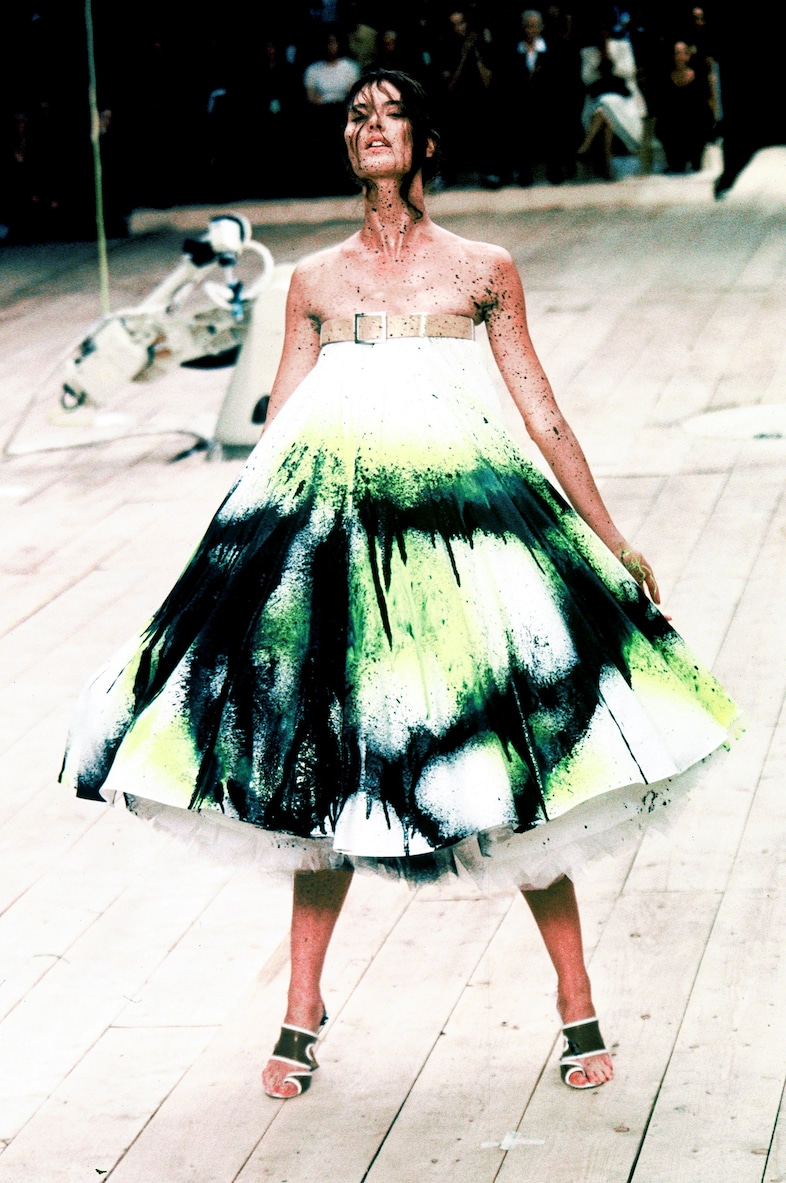
Marios Mystidis’s choice harks back to one of fashion’s most indelible artistic moments: the finale of Alexander McQueen’s SS99 show, No. 13. This legendary moment saw model Shalom Harlow, clad in a pristine white dress, rotating on a platform while two industrial robots spray-painted her garment with black and yellow paint, creating a unique, abstract artwork live on the runway. It was a breathtaking fusion of technology, performance, and raw emotion, undeniably encapsulating "Fashion is Art" in its most dynamic form. McQueen, a master of theatricality and emotional depth, drew inspiration for this piece from Rebecca Horn’s 1991 installation "High Moon," further cementing its artistic lineage. The No. 13 finale was not merely a fashion presentation; it was a profound, ephemeral art piece, challenging the static nature of garments and transforming them into a canvas for a fleeting, powerful act of creation. Mystidis speculates on the current whereabouts of the original dress, suggesting that if any "It-girlies" could procure it, it would be a true "gag." He specifically eyes Alex Consani, a model known for her expressive presence and ability to command attention, as the perfect figure to carry such a historically significant and performance-driven look.
Emily Dinsdale, Art & Photography Editor: The Anti-Literalist Manifesto
Emily Dinsdale offers a crucial counterpoint to the more explicit suggestions, presenting a "do not want to see" list that acts as a guiding principle for truly artistic interpretations. Her plea against overly literal readings of the theme underscores the sophistication required to engage with "Fashion is Art" meaningfully. Dinsdale vehemently rejects superficial nods to art history: no picture frames à la Tracee Ellis Ross’s playful, but perhaps too on-the-nose, 2019 look; no "uncanny" Picasso-esque cubist makeup; no Van Gogh "Starry Night" dresses (i.e., merely a dress with stars); no paint-splattered Jackson Pollock outfits; and absolutely no Botticelli "Birth of Venus" shell entrances. Dinsdale’s stance is a call for depth over gimmickry, emphasizing that true artistic fashion transcends direct imitation. The Met Gala, as a platform for serious sartorial expression, demands designers and celebrities to understand and translate artistic concepts into new forms, rather than merely reproducing existing artworks. This approach encourages creativity, conceptual understanding, and a nuanced dialogue between fashion and art, rather than a simplistic, illustrative one.
Laura Pitcher, US Editor: Masterpieces through Collaboration and Performance
Laura Pitcher advocates for "genuine masterpieces" born from exciting artist-designer collaborations, highlighting the dynamic synergy that can elevate fashion to art. She envisions pairings like Bad Bunny in a suit by Willy Chavarria, conceptualized with artist Ektor Rivera, or Taylor Russell in a sculptural Dior ensemble inspired by Lauren Halsey. These suggestions echo Pharrell Williams’s groundbreaking Louis Vuitton debut, where he collaborated with artist Henry Taylor. Such collaborations fuse distinct artistic visions, creating garments that are not just designed but authored by multiple creative forces, resulting in truly unique pieces. Pitcher also emphasizes the red carpet itself as a "performance" arena, recalling iconic moments like Shalom Harlow’s spray-painted dress at McQueen’s No. 13 and Bella Hadid’s groundbreaking spray-on dress at Coperni SS23. These instances transcended mere fashion shows, becoming live artistic installations that captivated global audiences. Her expectation of a "dramatic entrance from the likes of Zendaya" underscores the celebrity’s role in transforming a garment into a performative artwork, making the Met Gala a true spectacle of living art.
Thom Waite, Senior Writer: Unconventional Artistic References
Thom Waite critiques the predictable crossovers between fashion and art—the "gauzy florals and chunky jewellery you’d find in the National Gallery gift shop." He urges a departure from obvious "Monets and Mondrians," though he makes an exception for archival 60s Yves Saint Laurent, acknowledging its revolutionary modernism. Instead, Waite calls for more "interesting references." He proposes Jonathan Anderson dipping into Dior’s recent history to dress someone like Hunter Schafer (or even Grimes, though "too obvious") as a Hajime Sorayama robot. Sorayama’s hyperrealistic, often erotic robot art blends futurism, sculpture, and pop culture, offering a provocative and visually stunning interpretation of the theme. More audaciously, Waite challenges attendees to look to the Met’s own collection for inspiration, specifically suggesting a daring celebrity might embody an "armoured critter" from Hieronymus Bosch’s surreal, fantastical paintings. This choice pushes beyond conventional beauty, embracing the grotesque, the symbolic, and the deeply imaginative realms of art, proving that "Fashion is Art" can be both beautiful and bizarre, yet always compelling.
Habi Diallo, Branded Content Editor: Chloë Sevigny in Simone Rocha x Louise Bourgeois
Habi Diallo’s pick connects a contemporary designer’s enduring artistic inspiration with a suitable celebrity. Simone Rocha, from her earliest collections, has consistently expressed a profound admiration for French-American artist Louise Bourgeois. For her AW19 collection, Rocha collaborated with the Louise Bourgeois Foundation, creating garments that directly channeled Bourgeois’s work, most notably her "Cells" series—installations that explored memory, trauma, and the body. Rocha’s designs often feature elements of fragility, strength, and subversion, mirroring Bourgeois’s intense psychological narratives. Diallo suggests Chloë Sevigny, who not only walked in that AW19 show but has also worn Simone Rocha to the Met before, as the ideal guest. Sevigny’s distinctive, art-house sensibility would perfectly embody the intellectual and emotional depth of a Rocha-Bourgeois piece. The mandate that the look "MUST be worn with one of the rare 24K-gold-plated silver earrings which reinterpret Bourgeois’s 2003 ‘Spiral Woman’ sculpture" emphasizes the importance of intricate detail and direct artistic lineage in making a complete and powerful statement.
Chester McKee, Video Coordinator: Thevxlley’s Vase Bodices
Chester McKee highlights the work of Daniel Del Valle’s brand, Thevxlley, as a literal and conceptual embodiment of "Fashion is Art." Del Valle identifies more as an artist than a traditional designer, and his AW26 collection featured striking "vase bodices." These pieces challenge the very structure of the human form, turning the body into a sculptural object. McKee recalls models backstage "squeezing and cramming themselves into the impressive works," underscoring the performative and transformative nature of Del Valle’s creations. This approach directly aligns with the Costume Art exhibition’s focus on connecting the body to art, as the garments are not merely worn but actively reshape and recontextualize the human silhouette. Thevxlley’s work thus moves beyond conventional clothing, offering sculptural pieces that are both worn and exhibited, perfectly fitting the gala’s theme and demonstrating fashion’s capacity for radical artistic innovation.
Tiarna, Beauty Writer: Alysa Liu in Gabe Gordon AW26 with SFX
Tiarna focuses on the exciting frontier where fashion, body, and special effects (SFX) converge. She observes that many younger designers are experimenting with SFX to expand the body’s form and deepen the narrative of their collections. Her pick, Alysa Liu in New York-based designer Gabe Gordon’s AW26 collection, exemplifies this trend. Gordon’s collection reportedly mixed 1960s ice-skating aesthetics with a supernatural werewolf plotline, creating a unique theatrical experience. The incorporation of SFX wolf claws and frostbitten makeup would not just accessorize the look but fundamentally transform the wearer, making the body an integral part of the artistic narrative. Alysa Liu, known for her "ice-princess presence" as an Olympic figure skater, presents a natural canvas for this blend of grace and the fantastical. This interpretation showcases how fashion can integrate elements of theatricality, prosthetics, and narrative storytelling to become a dynamic and immersive art form, pushing the boundaries of traditional garment design.
Conclusion: The Met Gala as a Living Exhibition
The Met Gala 2026, with its theme "Fashion is Art" and the accompanying Costume Art exhibition, marks a pivotal moment in the ongoing dialogue between these two creative realms. It challenges designers, celebrities, and the public to reconsider fashion’s status, moving beyond commercialism to appreciate its profound artistic potential. The Dazed editors’ picks illustrate the vast spectrum of interpretations, from conceptual minimalism and performance art to culturally rich statements and avant-garde sculpture. The success of the gala will hinge not on literal interpretations, but on the depth of understanding, innovation, and artistic integrity brought to the red carpet. By embracing bold collaborations, challenging conventional forms, and engaging with art history in a nuanced way, the attendees of Met Gala 2026 have the opportunity to transform the event into a truly living, breathing exhibition, solidifying fashion’s rightful place within the hallowed halls of art.