







Independent retailers across the United Kingdom are approaching the forthcoming May bank holiday weekend with a blend of cautious optimism and strategic anticipation, hoping that sustained warmer weather will translate into robust consumer spending amidst an economic landscape still characterised by underlying uncertainties. The traditionally vital trading period represents a crucial opportunity for the high street, particularly for smaller, independent businesses that often rely heavily on seasonal boosts and increased footfall to bolster their annual performance. As the calendar turns to May 2026, the retail sector finds itself navigating a complex interplay of evolving consumer behaviours, persistent inflationary pressures, and the perennial influence of meteorological conditions.
The Critical Role of Bank Holidays for Independents
For independent retailers, bank holiday weekends are more than just an extended trading period; they are often pivotal moments that can significantly impact quarterly or even annual turnovers. These long weekends historically draw increased numbers of shoppers to town centres, coastal resorts, and tourist destinations, presenting a prime opportunity for local businesses ranging from boutiques and gift shops to cafes and artisanal food stores. Unlike larger chain stores with extensive marketing budgets and diversified revenue streams, many independents depend on these concentrated bursts of activity to offset quieter periods and generate essential cash flow. The first May bank holiday, falling early in the month, often serves as a barometer for summer trading, with consumer sentiment and spending patterns providing valuable insights for the months ahead. This year, the stakes are arguably higher, given the prolonged period of economic volatility that has tested the resilience of the independent retail sector.
Economic Headwinds and Shifting Consumer Landscape
The backdrop to this cautious optimism is a UK economy that, by May 2026, has seen some stabilisation following the turbulent years of high inflation and cost-of-living pressures experienced between 2022 and 2024. While the peak of inflationary surges has receded, consumer confidence remains fragile, and discretionary spending continues to be carefully managed by households still grappling with elevated living costs and interest rates, albeit at a lower trajectory than their peak. Wage growth, while positive, has only marginally outpaced inflation for many, leaving little room for impulse purchases or luxury items. This has compelled retailers to sharpen their value propositions, focus on unique offerings, and enhance the overall shopping experience to entice hesitant consumers.
A Look at Recent Economic Indicators
Recent data from the Office for National Statistics (ONS) for Q1 2026 showed a modest 0.2% quarter-on-quarter growth in GDP, indicating a slow but steady recovery. Retail sales volumes, while showing a slight uptick of 0.5% month-on-month in March 2026, remained 1.2% lower year-on-year, highlighting the continued struggle for sustained growth. Consumer confidence, as measured by the GfK index, stood at -21 in April 2026, an improvement from its historic lows but still firmly in negative territory, reflecting persistent anxieties about personal finances and the broader economic outlook. These figures underscore the challenging environment in which independent retailers are operating, making the potential uplift from a bank holiday weekend even more critical. Footfall data from the British Retail Consortium (BRC) also indicated a mixed picture, with high street footfall up 2% week-on-week in late April but still down 4.5% compared to the same period in 2025, suggesting that while shoppers are returning, they are doing so with greater deliberation.
Weather’s Undeniable Influence
The role of weather in influencing consumer behaviour, particularly for bank holidays, cannot be overstated. A stretch of warm, sunny weather typically encourages people to venture out, engage in leisure activities, and explore local shopping areas. This directly translates to increased footfall for independent retailers, especially those in sectors such as fashion, homeware, gardening, outdoor leisure, and hospitality. Conversely, inclement weather, such as heavy rain or unseasonably cold temperatures, can deter shoppers, leading to a significant dip in sales. The forecast for the upcoming May bank holiday weekend, indicating mild temperatures and clear skies across much of the UK, is therefore a significant source of optimism for many independents. The prospect of families and individuals enjoying outdoor pursuits often leads to ancillary spending on food and drink, fashion items suitable for spring, and impulse buys from local boutiques.
Retailers’ Strategies for 2026
In anticipation of the bank holiday, independent retailers have been meticulously planning their strategies. Many have focused on curating unique product assortments, often sourcing from local artisans or offering exclusive lines that differentiate them from larger competitors. Visual merchandising, enhanced customer service, and community engagement events are also key tactics. Pop-up promotions, discounts on specific lines, and loyalty scheme incentives are being deployed to attract and retain customers. The aim is to create an inviting atmosphere that encourages dwell time and ultimately, purchasing.
Voices from the High Street
"We’re definitely feeling more positive about this bank holiday compared to Easter," remarked Sarah Jenkins, owner of ‘The Artisan Nook,’ a popular homeware and gift boutique in Brighton. "The weather forecast is promising, and we’ve stocked up on lighter, brighter items perfect for spring and summer. People seem eager to get out and enjoy themselves, and we hope they choose to support local businesses like ours." Jenkins highlighted her focus on unique, ethically sourced products and a welcoming store environment to draw in both residents and tourists.
In the Lake District, Mark Davies, proprietor of ‘Peak & Valley Outfitters,’ an independent outdoor gear store, echoed the sentiment. "Good weather is absolutely critical for us. When the sun shines, people are planning hikes, picnics, and camping trips, and they need the right equipment. We’ve seen a noticeable increase in inquiries for lightweight jackets, hiking boots, and travel accessories over the past week, which is a great sign." Davies also noted the importance of knowledgeable staff who can offer expert advice, a key differentiator for independent specialists.
Industry Perspectives and Support
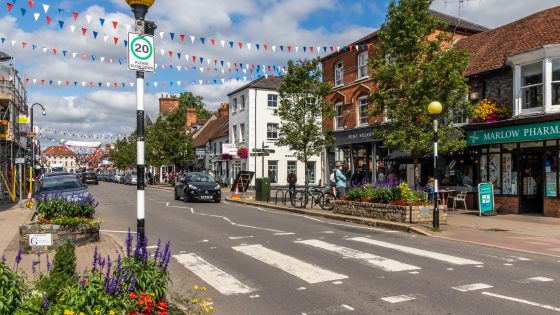
Industry bodies are closely monitoring the situation, recognising the precarious balance independents must strike. Eleanor Vance, Head of Retail Insights at the UK Retail Consortium (UKRC), commented, "The independent retail sector is the lifeblood of many high streets and local economies. While the broader economic outlook shows gradual improvement, consumer spending remains discretionary and sensitive to external factors like weather and perceived value. Bank holidays offer a vital opportunity, but success hinges on a combination of favourable conditions and the exceptional resilience and adaptability of these businesses." Vance also emphasised the ongoing calls for government support regarding business rates and energy costs, which continue to strain profit margins for many independents.
Broader Economic Context and Forecasts
Dr. Alistair Finch, Senior Economist at Global Dynamics Group, offered a macroeconomic perspective. "The UK economy is in a period of slow but steady normalisation. While headline inflation has significantly cooled from its peaks, underlying cost pressures for businesses persist, and household budgets remain constrained. We forecast a modest uplift in discretionary spending for Q2 2026, but this will be unevenly distributed. Bank holidays, particularly those blessed with good weather, can act as micro-stimuli for local economies, primarily benefiting sectors like retail, hospitality, and leisure that cater to immediate consumer desires." Dr. Finch further suggested that any significant boost from the May bank holiday could contribute positively to the overall Q2 GDP figures, albeit marginally.
Chronology of Retail Performance: A Precedent for 2026
To understand the current sentiment, it’s useful to look at the recent history of bank holiday trading. The period between 2020 and 2022 saw unprecedented disruption due to the COVID-19 pandemic, with lockdowns and restrictions severely impacting physical retail. While the sector demonstrated remarkable adaptability through online pivots, the return to normal trading has been fraught with new challenges. Bank holidays in 2023 and 2024 were often overshadowed by the burgeoning cost-of-living crisis, with consumers prioritising essential spending.
Post-Pandemic Recovery and Resilience
Easter 2025, for example, delivered mixed results. While some regions reported solid footfall thanks to pockets of good weather, overall sales growth was modest, reflecting ongoing consumer caution. The late May bank holiday in 2025 also saw variable performance, with regions experiencing sunshine faring better than those hit by rain. This historical pattern reinforces the direct correlation between meteorological conditions and retail performance, particularly for independent businesses that lack the geographical spread or online dominance to mitigate local weather impacts. The cumulative effect of several years of challenging trading has, however, also fostered a highly resilient and innovative independent retail community, adept at navigating adversity.
Local Economies and the Ripple Effect
The success of independent retailers during bank holidays extends far beyond their individual balance sheets. Thriving independents contribute significantly to local economies by creating employment, supporting local supply chains, and enhancing the vibrancy and unique character of town centres. Increased footfall not only benefits shops but also cafes, restaurants, pubs, and local service providers, creating a powerful multiplier effect. Local tourism boards and councils often coordinate events and initiatives to capitalise on bank holiday weekends, further boosting visitor numbers and local spending. Councillor Helen Murray, Chair of the Local Economy Committee for Bath & North East Somerset Council, highlighted these efforts: "We actively promote our independent businesses and cultural attractions during bank holidays. They are integral to Bath’s unique appeal and contribute significantly to our tourism economy. A successful bank holiday for our retailers means more jobs, more vibrancy, and a stronger local community."
The Appeal of Local and Experiential Retail
In an age dominated by e-commerce, independent retailers offer something distinct: a personalised, often experiential shopping journey. Many consumers are increasingly seeking out unique products, direct interaction with passionate owners, and the opportunity to support local communities. Bank holidays provide an ideal opportunity for these businesses to showcase their strengths, transforming a simple shopping trip into a memorable experience. From artisanal food markets popping up in town squares to independent galleries hosting special exhibitions, the "experience economy" is increasingly intertwined with the fortunes of the independent retail sector. The predicted good weather for the upcoming May bank holiday is expected to amplify this appeal, encouraging outdoor strolls through shopping districts and leisurely visits to local establishments.
Looking Ahead: Beyond the Bank Holiday
While the immediate focus is on the upcoming bank holiday, independent retailers are also keenly aware of the broader challenges and opportunities that lie ahead. The shift towards sustainable and ethical consumption continues to gain momentum, providing a niche for independents who can offer transparency and unique narratives behind their products. The integration of digital tools, such as social media marketing and localised e-commerce platforms, remains crucial for extending reach beyond physical storefronts. However, the fundamental appeal of the high street, particularly for discretionary spending and social interaction, persists. The May bank holiday serves not just as a trading opportunity but also as a crucial indicator of consumer confidence and the overall health of the independent retail sector as it navigates the mid-2020s. The hope is that a positive performance will build momentum, fostering a more sustained period of growth and stability for these vital businesses.
Conclusion
The May bank holiday 2026 stands as a pivotal moment for independent retailers across the UK. With a cautiously optimistic outlook, buoyed by favourable weather forecasts and a slow but steady economic recovery, these businesses are poised to capitalise on increased public enthusiasm for leisure and shopping. Yet, the underlying uncertainties of consumer spending, coupled with ongoing operational challenges, mean that success is far from guaranteed. The resilience, adaptability, and unique offerings of independent retailers will be put to the test, as will the collective desire of consumers to support their local high streets. A strong performance this weekend would not only provide a much-needed financial boost but also serve as a reaffirmation of the enduring value and appeal of the independent retail sector in the evolving landscape of modern commerce.