









Geneva, Switzerland – April 2026 – Against a backdrop of persistent global complexities and lingering travel uncertainties, the annual Watches & Wonders luxury timepiece trade show unfolded in Geneva as scheduled, reaffirming its status as a cornerstone of the international horological calendar. For over a century, this gathering has served as a vital nexus for the Swiss watchmaking industry, a sector that significantly bolsters Switzerland’s global reputation as a purveyor of high-quality goods and services. While watchmaking may not represent the largest segment of the nation’s revenue, its impact on the economic and cultural identity of Geneva and its surrounding regions remains disproportionately significant.
The mid-April climate in Geneva was characterized by pleasant warmth, creating an conducive atmosphere for the week-long immersion of retailers, media representatives, elite collectors, and brand executives. More than simply a showcase for novel timepieces, many of which will remain elusive to the public eye outside of the exhibition halls, Watches & Wonders serves as a crucial barometer for the industry’s collective mood. It offers a unique platform to assess the current landscape, understand prevailing sentiments, observe competitor strategies, and identify emerging trends and investment priorities within the intricate watchmaking ecosystem.
The Interconnected Fabric of the Watch Industry
The contemporary discourse surrounding the watch industry often highlights the term "independent," a descriptor that, while popular in brand marketing, can obscure the inherent interconnectedness of the sector. In practice, "independent" in modern watchmaking often signifies operational autonomy rather than complete isolation. The reality is that no entity within the watchmaking business, whether a manufacturer or a retailer, can thrive in a vacuum. Even small-scale watchmakers who engage directly with their clientele and cultivate dedicated fan bases rely on a robust supplier and manufacturing infrastructure to produce their timepieces. Similarly, the media’s capacity to effectively communicate complex horological narratives is contingent upon investment from brands seeking the marketing value derived from such storytelling. This interdependence is increasingly recognized across the industry, with many acknowledging that businesses operate not in isolated silos but as integral components of a larger, interconnected web, where each node plays a crucial role in maintaining the overall structure.

This interconnected structure, where the strength of each part is vital for the health of the whole, accurately reflects the current state of the luxury watch market. Certain segments are demonstrating remarkable resilience and dynamism, eager to resume pre-pandemic levels of activity, innovation, and sales. There is palpable enthusiasm among sales professionals ready to move product, PR teams poised to disseminate compelling brand stories, management eager to expand their workforce, media seeking to develop engaging content, and watchmakers dedicated to their craft. Conversations at Watches & Wonders 2026 revealed a significant reservoir of pent-up energy, poised for release into brand development and customer engagement initiatives. However, external forces and inherent systemic friction are tempering this readiness. The flow of capital and the efficacy of managerial decision-making are identified as key bottlenecks.
Navigating an Identity Crisis in Finance and Management
The watch industry is currently grappling with a persistent identity crisis, particularly within its financial and managerial spheres. Business leaders often struggle to define the long-term viability and profit potential of watch brands. Fundamental questions such as the timeframe for achieving a return on investment, the ability to entrust business operations to capable management, the strategic selection of product categories that will resonate with future consumer demand, and the optimal allocation of marketing budgets remain subjects of considerable uncertainty. Furthermore, ensuring that consumer messaging is effectively received and understood presents an ongoing challenge.
These seemingly basic inquiries highlight a pervasive state of flux. The established business models and traditional luxury industry doctrines that once served as reliable guiding principles have been losing their efficacy for several years. While historical watchmaking knowledge offers invaluable insights into the creation of exceptional timepieces, it provides limited guidance for navigating the complexities of growth and profitability in the contemporary luxury watch market of 2026 and beyond. Many brands acquired by major conglomerates like Richemont, LVMH, and The Swatch Group are proving to require more substantial and ongoing investment than initially anticipated to maintain healthy profit margins. A common misconception in acquiring legacy watch brands is the significant and sustained capital expenditure necessary to remain relevant. Initial analyses suggest that establishing a new watch brand from the ground up may be as financially demanding and operationally complex as acquiring and revitalizing an established name.
The Perils of Unpredictable Markets and Misguided Investments
This identity crisis within the investment landscape translates into a tangible lack of decisive spending and confidence. When investors lack a clear understanding of their holdings, their decisions regarding how to capitalize on those investments are likely to be suboptimal. The luxury watch industry shares a striking resemblance to the entertainment sector, where the success of new ventures is never guaranteed. A significant investment in a film, for instance, can result in a commercial failure despite meticulous planning, a parallel that extends to new product launches and marketing campaigns in the watch world. Financial institutions supporting these brands often seek predictable returns, a goal that frequently proves illusory. Many experienced professionals are observed dedicating considerable effort to deciphering market data and identifying predictable trajectories, only to find their strategies faltered within months or years.

The fundamental nature of the luxury watch industry is characterized by the unpredictability of consumer behavior and relentless competition. Shortcuts in engaging with consumers are ill-advised, as buyers expect and consistently receive genuine value from competitors. The successful integration of product, branding, communication, service, and reputation is paramount for consumers to make discretionary purchases. The only sustainable strategy is the earned legitimacy of a brand. Companies that attempt to circumvent these foundational principles are unlikely to endure for more than a few years, a pattern observed over nearly two decades of market participation.
Shifting Consumer Tastes and the Agility Imperative
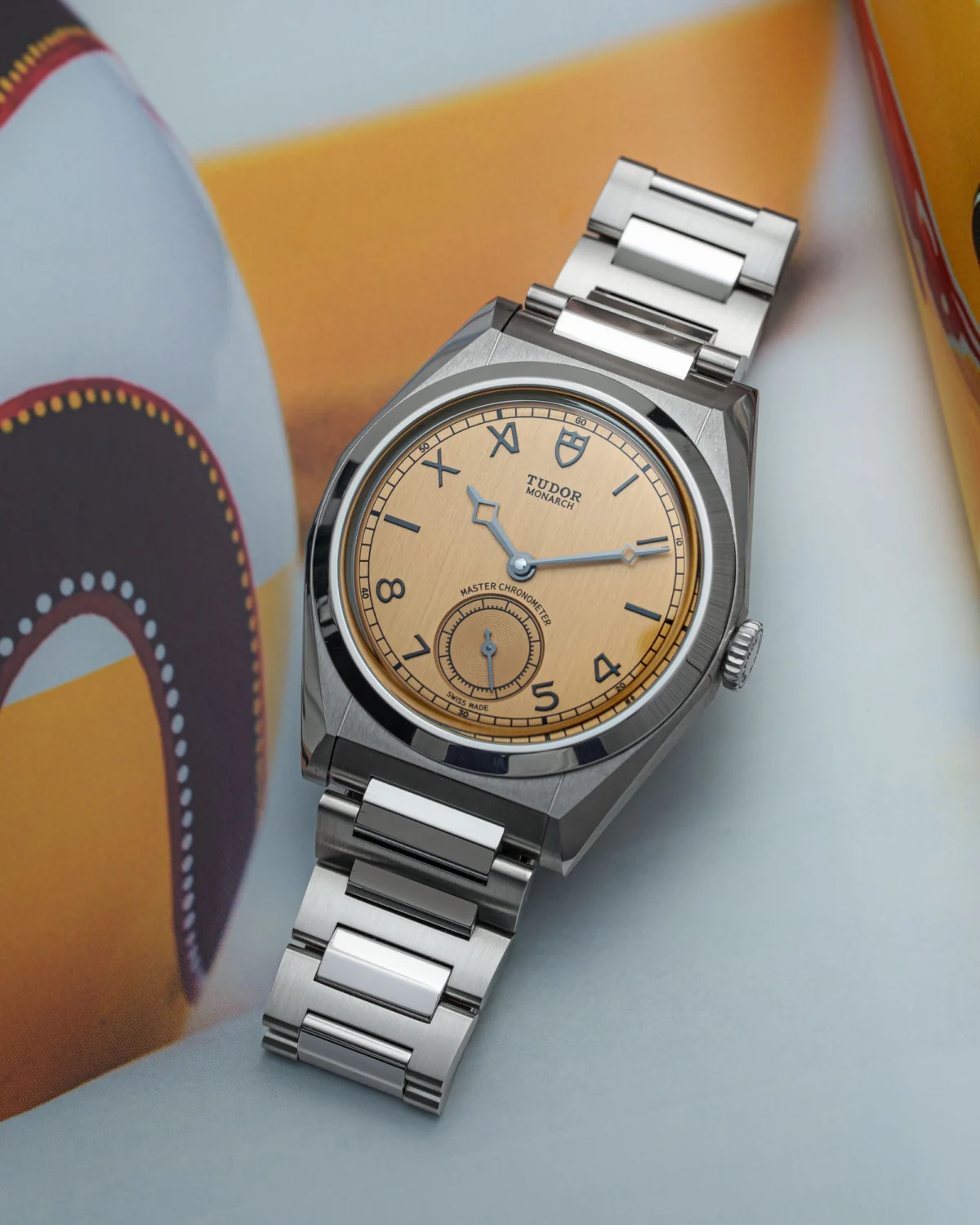
Consumer preferences are inherently fluid, a phenomenon vividly illustrated at Watches & Wonders. A notable example is the recent resurgence of interest in watch case sizes that were considered too small by many just a few years ago. This shift has influenced even seasoned observers, myself included. While the appreciation for larger watches remains, there has been a significant expansion in the openness to smaller timepieces. What was once a near-absolute aversion to watches under 39mm has evolved into a greater acceptance of 37mm and 38mm models, and even occasional 36mm pieces. This evolution is attributed to the industry’s success in demonstrating how certain styles and designs are inherently enhanced by smaller dimensions. Initial resistance has given way to widespread agreement.
This trend is not isolated. Millions of luxury watch collectors globally are now considering watches that were previously outside their purview, actively seeking to integrate smaller models into their collections or even divest larger pieces to accommodate new acquisitions. This represents a significant potential for consumer-driven growth and a much-needed influx of discretionary spending into the industry. The scope and appeal of this trend were largely unpredictable even five years ago. Luxury watchmakers must therefore maintain agility and open-mindedness. However, this does not imply a blind adherence to trends or a passive imitation of competitors in pursuit of profit. Instead, brands must commit to the more demanding task of defining and sustaining their unique strategic direction and brand identity. Many are currently at a disadvantage, as outdated models no longer suffice, necessitating the development of entirely fresh identities to remain competitive in the evolving marketplace.
Innovation Under Scrutiny: A Struggle for Originality
The product development strategies of many watch brands reveal a notable identity crisis. While Watches & Wonders 2026 did feature genuinely novel concepts, a significant portion of new offerings remain derivative of past designs. Numerous companies are producing cosmetically altered versions of existing products or engaging in repetitive iterations. The line between human design ingenuity and the potential influence of generative AI in creating product mashups has become increasingly blurred. The luxury watch industry undeniably retains its capacity for crafting exquisite, opulent, and highly desirable objects. However, the prevailing approach often relies on a repetitive appeal to established emotional triggers.

This strategy may attract new consumers, but the question remains as to how brands intend to reach them in an era of historically elevated pricing and diminished consumer tolerance for perceived low-value purchases. While new consumers exist, they are discerning and unwilling to waste financial resources. The industry has, in the past, contributed to its own challenges by significantly increasing prices for products that consumers do not universally perceive as commensurate in value. There is now an acknowledgment that previous price increases were often driven by excessive profit motives. While reversing this trend is complex, many brands are attempting to do so. A noteworthy development is the emerging trend of brands highlighting their decision to refrain from price increases, thereby gaining a competitive advantage.
Upon closer examination, numerous brands appear to recognize the consumer desire for more accessible pricing, leading to the introduction of a range of lower-priced watches. The underlying product strategy often involves offering an entry-level option or a new, more affordable product within the context of their existing, higher-priced models. Consequently, these "cheaper watches" represent a toned-down iteration of the brand’s core strengths. Absent the sophisticated detailing of their more premium counterparts, these less expensive watches may be more accessible, but they often lack aspirational appeal. Consumers are seeking affordable products that embody a zenith of craftsmanship and achievement, not merely a more attractive price point for a middling offering, particularly among seasoned collectors.
Geopolitical Headwinds and Emerging Growth Markets
Despite the considerable business challenges posed by ongoing global conflicts and geopolitical instability, significant opportunities still exist for visionary leaders within the watch industry. Conflicts in the Middle East and Eastern Europe are dampening growth prospects and impacting traditionally robust markets. Consequently, the United States, India, and other parts of Asia are emerging as the primary drivers of future expansion. South America remains largely unconsidered in strategic planning, while Europe is characterized by economic stagnation rather than growth.
Notwithstanding the frustrations many may experience with American political decisions impacting travel and global stability, the United States market is currently the most active in terms of consumer spending. An increasing number of watch brands are establishing subsidiaries within the U.S. to mitigate the full impact of import tariffs. Despite the inherent uncertainty surrounding the country’s trajectory in the coming years, it represents the primary arena for watch sales. This reality, though not universally welcomed by all brands, presents few immediate alternatives to market investment.

The Evolving Role of Watches & Wonders
Watches & Wonders Geneva itself is undergoing a process of self-definition, with its core mission being re-evaluated. While the trade show may not be experiencing an identity crisis, the value it aims to provide to the watch industry is a constantly shifting target. The event is increasingly catering to a broader audience, including casual visitors, alongside industry professionals. Furthermore, there is a divergence of opinion among exhibiting brands regarding the fundamental purpose of maintaining a physical presence at the show. Some brands continue to utilize Watches & Wonders for securing retailer orders, while others focus on product exhibition or direct sales to end consumers.
The varied and increasingly divergent ways in which both industry professionals and consumers engage with Watches & Wonders underscore its evolving nature. However, a shared consensus exists regarding the inherent value of converging at a central location. The act of gathering in Geneva for the show, or for the numerous associated events, has become an important annual pilgrimage for a growing segment of watch enthusiasts and industry stakeholders. While watchmakers may not always agree on collaborative strategies during such events, there is a collective understanding that their combined presence is essential for attracting the requisite visitor base to Geneva. It is anticipated that Watches & Wonders Geneva will require several more years to fully establish a predictable routine, even as many of its components continue to operate along traditional lines that have been in place for decades.
aBlogtoWatch offers further insights into the most compelling new timepieces and product trends from Watches & Wonders Geneva 2026 in a dedicated article, "Top 10 Timepieces and Product Trends from Watches & Wonders Geneva 2026." The author extends gratitude to the many individuals encountered at this year’s event for their valuable time, insightful conversations, and enduring friendships. For many, Watches & Wonders has evolved into an occasion for reconnecting with old friends and colleagues. Regardless of the future direction of the event, the commitment to following its developments remains strong. We look forward to the next iteration.