








Fabric pilling, those ubiquitous small balls of entangled fibers, represents a common adversary to the longevity and aesthetic appeal of knitwear. Often dismissed as a sign of irreversible wear, these "tumbleweeds" of textile fibers are, in fact, a natural byproduct of friction and wear, particularly prevalent in garments made from natural fibers like wool, cotton, and cashmere, as well as synthetic blends. However, a recent comprehensive evaluation has demonstrated that a pilled sweater is far from ruined, identifying highly effective and accessible methods for restoration.
An in-depth study, conducted on a 100% wool sweater to ensure consistent testing conditions, rigorously assessed nine common household and specialized tools. The evaluation focused on three critical metrics: cost-effectiveness, operational efficiency, and user safety. The findings provide a definitive ranking, empowering consumers to make informed choices for maintaining their valuable knitwear.
Understanding the Genesis of Pilling
Before delving into removal techniques, it is crucial to understand why pilling occurs. Textile pilling is a complex phenomenon rooted in the physical properties of fibers and the mechanics of wear. It typically begins when loose, short fibers on the surface of a fabric become dislodged through friction—whether from wearing, washing, or contact with other surfaces. These loose fibers then entangle with each other, forming small, dense balls, or "pills," which remain attached to the fabric surface by longer, anchored fibers.

The propensity for pilling varies significantly by fiber type and fabric construction. Synthetic fibers like polyester, while strong, tend to pill more readily than natural fibers because their inherent strength makes it harder for the pills to break off once formed. Natural fibers such as wool and cotton, especially those with shorter staple lengths, are also susceptible. Tightly woven fabrics generally exhibit less pilling than loosely knit ones, as the fibers are more securely bound within the structure. Understanding these factors is key to both prevention and effective treatment.
The Methodology: A Rigorous Assessment
For this evaluation, a standard, moderately pilled 100% wool sweater was selected to provide a uniform testing surface. The sweater was divided into distinct sections, each designated for a specific de-pilling tool. This meticulous approach allowed for direct comparison of each method’s efficacy. Each tool was applied for a predetermined duration and pressure, and the results were then objectively rated against the criteria of cost, speed, and potential for fabric damage. This controlled environment aimed to replicate real-world usage while ensuring scientific rigor. The goal was to identify not just tools that could remove pills, but those that did so reliably, quickly, and without compromising the integrity of the garment.
The Gold Standard: Electric Fabric Shaver
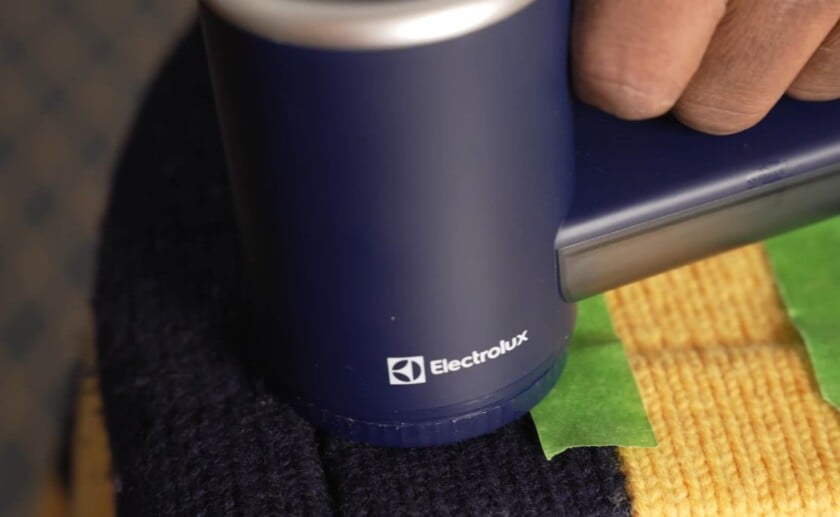
Emerging as the undisputed champion, the electric fabric shaver, often referred to as a de-fuzzer, proved to be an indispensable tool for serious garment care. Its design, featuring a rotating blade beneath a protective perforated screen, allows it to precisely trim away pills without direct contact with the underlying fabric. This mechanism minimizes the risk of snagging or cutting the garment itself, a common concern with sharper implements.

- Efficiency: During the test, the electric fabric shaver rapidly cleared significant areas of pilling, demonstrating superior speed compared to all other methods. Its motor-driven action allowed for swift, sweeping motions across the fabric surface.
- Safety: The protective screen design makes it inherently safe for a wide range of fabrics, including delicate knits. Even with moderate pressure, the risk of damage was negligible.
- Cost: While requiring an initial investment, typically ranging from $15 to $40 for a quality model, its long-term durability and effectiveness make it a highly cost-efficient solution for maintaining an entire wardrobe.
Textile care experts frequently recommend electric fabric shavers for their balance of effectiveness and safety. "For anyone committed to preserving the quality and appearance of their knitwear, an electric fabric shaver is a foundational investment," states Dr. Evelyn Reed, a textile science researcher. "It not only restores garments but does so in a way that is kind to the fabric, extending its wearable life significantly." The widespread availability of various models further enhances its appeal to a broad consumer base.
The Budget Alternative: The Unsung Hero – A Simple Nail File
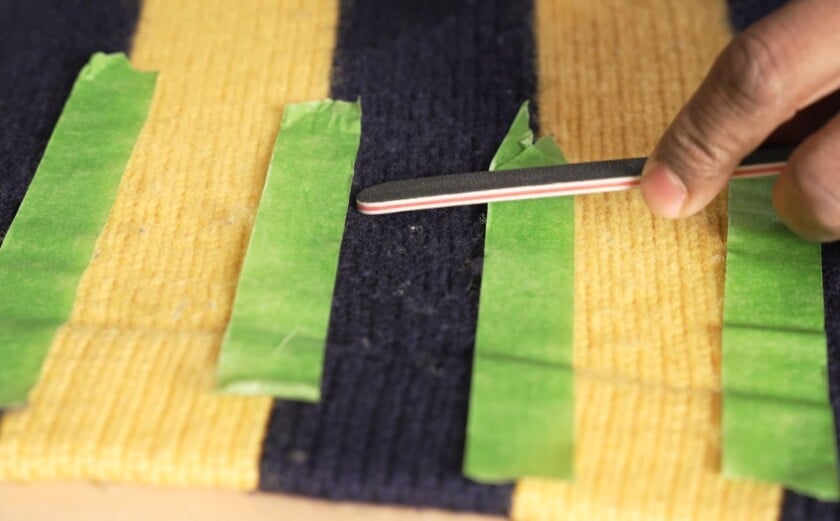
Perhaps the most surprising revelation of the study was the exceptional performance of a common emery board or nail file. This unassuming grooming tool outperformed several purpose-built de-pilling devices, securing its place as the ultimate budget hack.
- Efficiency: The abrasive surface of a standard nail file, when used with light, controlled strokes, proved remarkably effective at lifting and detaching pills. While not as fast as an electric shaver, its manual action allowed for precise control, particularly useful for smaller, localized areas of pilling.
- Safety: With careful application, the risk of damaging the fabric was low. The key was to use gentle, unidirectional strokes and avoid excessive force, which could abrade the underlying fibers.
- Cost: Virtually negligible, as most households already possess a nail file, or one can be acquired for less than a dollar.
The nail file’s success highlights the principle that the right abrasive texture, applied correctly, can be highly effective. Consumer advocates praise such accessible solutions. "In an era where sustainability and conscious consumption are paramount, discovering that an everyday item can effectively extend the life of clothing is invaluable," comments Maria Chen, a consumer behavior analyst. "It democratizes garment care, making it accessible regardless of budget." This method is particularly recommended for those who only occasionally encounter pilling or prefer a manual, highly controlled approach.
Mediocre Performers: Safe but Limited
Several other tools tested fell into a "mediocre" category. While generally safe, their efficiency was found to be insufficient for garments with extensive pilling, making them better suited for minor touch-ups or as stop-gap measures.
-
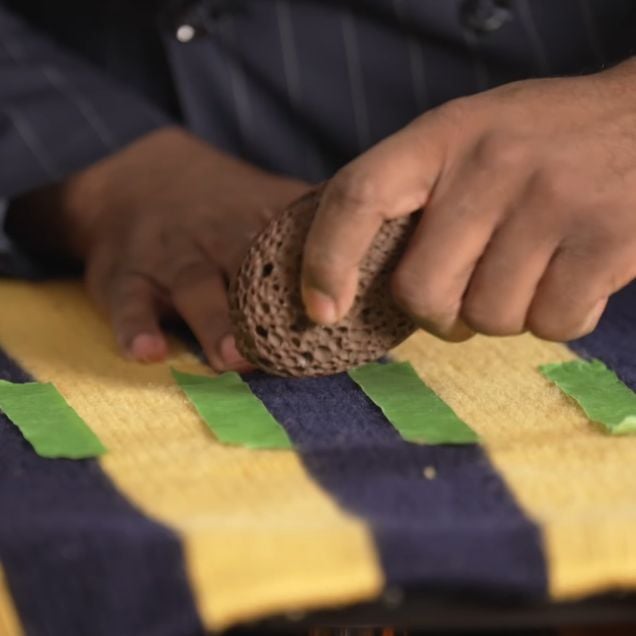
Pumice Stone (Score: 6/10): A classic method, the pumice stone offers an abrasive surface that can effectively scrape away pills. Its performance was solid, falling somewhere between the nail file and fine-grit sandpaper in terms of abrasiveness. However, it was noted to be messier than other methods, leaving behind considerable fiber dust, and required more physical effort for comprehensive depilling. Its moderate efficiency and safety make it a reliable option, but not a primary choice for heavily pilled items.
-
Electric Facial Shaver (Score: 8/10): A common household item, the electric facial shaver shared similarities with the dedicated fabric shaver in its mechanism. It demonstrated medium-high efficiency, quickly removing pills. However, its smaller head and less powerful motor meant it was slower than a specialized fabric shaver. A notable drawback was its tendency to clog with fibers, requiring frequent cleaning, which interrupted the de-pilling process and reduced overall efficiency. It’s a viable alternative if a dedicated fabric shaver isn’t available, but requires more maintenance during use.
-
Manual Razor (Score: 8/10, but High Risk): A controversial method, the manual razor proved highly efficient in removing pills. Its sharp blades quickly slice through entangled fibers. However, this high efficiency comes with a significant caveat: very low safety. The risk of accidentally cutting the fabric, creating permanent damage, is exceptionally high, especially for inexperienced users or on delicate materials. This method should be approached with extreme caution and is generally not recommended for valuable garments. Its high-risk profile significantly diminishes its practical utility despite its speed.
-
Clothes Brush (Score: 5/10): Primarily designed for removing lint, dust, and superficial loose fibers, a clothes brush exhibited low efficiency in removing actual pills. While excellent for general garment maintenance and refreshing the nap of a fabric, it lacked the abrasive or cutting action required to detach firmly formed pills. Its safety, however, was high, as it poses no risk to the fabric. It is best used as a preventative measure or for very light surface fuzz, not for established pilling.
-
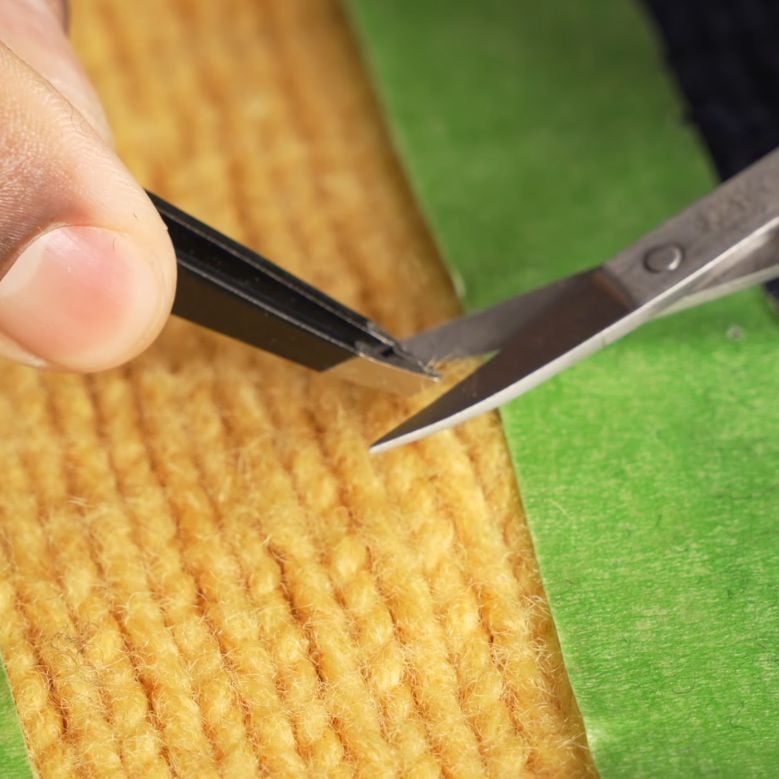
Tweezers and Nail Scissors (Score: 3/10): These tools are perfectly safe and offer surgical precision for removing one or two isolated bobbles. However, their efficiency for a whole sweater is extremely low. The time and effort required make them impractical for anything beyond spot-fixes. Attempting to de-pill an entire garment with tweezers would be an exercise in futility, consuming hours for minimal return.
Pilling Removal Methods to Avoid
Not every household hack or internet suggestion is worth your time or the potential risk to your cherished woolens. The study unequivocally identified methods that should be avoided due to their ineffectiveness or high potential for irreparable damage.
-
Sandpaper (Score: 1/10): Despite its abrasive nature, sandpaper performed poorly and dangerously. While it did remove some pills, it simultaneously abraded and damaged the underlying fabric, causing irreversible thinning and weakening of the fibers. The risk of creating bald spots or holes was extremely high, leading to its "avoid at all costs" verdict. Its indiscriminate abrasive action makes it unsuitable for the delicate task of de-pilling.
-
Lint Roller / Tape (Score: 2/10): Lint rollers and adhesive tape are effective at picking up loose surface fuzz and pet hair but are virtually useless against actual pills. Pills are firmly anchored to the fabric by embedded fibers; adhesive rollers simply do not possess the tensile strength to detach them. At best, they might remove the very loosest fibers, but they offer no solution for established pilling. Their high safety is offset by their very low efficiency for this specific task.
Summary of Findings: A Quick Reference
| Method | Score | Efficiency | Safety | Verdict |
|---|---|---|---|---|
| Electric Fabric Shaver | 10/10 | High | High | The professional choice for comprehensive care. |
| Nail File | 10/10 | High | High | The ultimate budget-friendly, precise hack. |
| Electric Facial Shaver | 8/10 | Medium-High | Medium | Fast, but requires attention to fiber clogs. |
| Manual Razor | 8/10 | High | Low | Highly effective but carries significant risk. |
| Pumice Stone | 6/10 | Medium | Medium | Reliable and natural, but can be messy. |
| Clothes Brush | 5/10 | Low | High | Best for maintenance, not substantial repair. |
| Tweezers & Scissors | 3/10 | Very Low | High | For "surgical" spot-fixes only. |
| Lint Roller / Tape | 2/10 | Very Low | High | Only catches loose surface fuzz; ineffective on pills. |
| Sandpaper | 1/10 | Low | Very Low | AVOID. High risk of permanent damage. |
The Golden Rule of Knitwear Maintenance: Proactive Care
While the study confirms that pilling is an inevitable consequence of wearing high-quality natural fibers, it needn’t spell the end for a cherished garment. As demonstrated, the right tool can swiftly restore a tired sweater to its former glory. However, the most astute approach to garment care is always proactive. Preventing pilling is generally easier and less taxing than removing it.
To significantly minimize future pilling and extend the lifespan of your knitwear, several preventative measures are highly recommended by textile care specialists:
- Wash Inside Out: Turning garments inside out before washing reduces direct friction on the outer surface of the fabric.
- Gentle Cycle and Cold Water: Use a delicate or wool cycle with cold water. Harsh agitation and hot water can weaken fibers and accelerate pilling.
- Use Appropriate Detergent: Opt for a gentle, pH-neutral wool detergent. Avoid harsh chemicals or excessive amounts of detergent.
- Avoid Overloading the Washer: Give clothes ample space to move freely in the washing machine. Overloading increases friction between garments.
- Air Dry When Possible: Tumble drying, especially at high heat, significantly increases friction and can exacerbate pilling. Lay knitwear flat to dry or hang on a padded hanger to maintain shape.
- Reduce Friction During Wear: Be mindful of activities or accessories that create excessive friction, such as rough bags rubbing against a sweater, or leaning against abrasive surfaces.
- Choose Quality Fabrics: When purchasing new items, look for tightly woven or spun fabrics and longer staple fibers, which are inherently more resistant to pilling. Labels indicating "anti-pill" treatments can also be a good indicator.
Broader Implications: Sustainability and Consumer Empowerment
The findings of this evaluation extend beyond mere garment aesthetics; they underscore significant implications for sustainable consumption and consumer economics. The fast fashion industry often encourages a disposable attitude towards clothing, but effective garment care, including de-pilling, empowers consumers to extend the life of their apparel. This directly contributes to reducing textile waste, a growing environmental concern. The United Nations Environment Programme estimates that the fashion industry accounts for 8-10% of global carbon emissions and a significant portion of wastewater, with millions of tons of textiles ending up in landfills annually. By maintaining garments, consumers can actively participate in a circular economy, diminishing their environmental footprint.
Furthermore, extending the lifespan of clothing represents substantial economic savings for households. Investing in quality pieces and then caring for them properly reduces the need for frequent replacements, allowing consumers to build more sustainable and cost-effective wardrobes. This shift from rapid consumption to mindful maintenance aligns with broader trends towards ethical and environmentally conscious living.
Ultimately, the choice of de-pilling method depends on the extent of pilling, the value of the garment, and individual comfort with different tools. However, the message is clear: pilling is not a death sentence for your favorite sweater. With the right knowledge and tools, knitwear can be restored to its pristine condition, ensuring its place in a well-maintained and stylish wardrobe for years to come.
Frequently Asked Questions
What exactly is fabric pilling?
Fabric pilling occurs when small, tangled balls of fibers, often called "pills" or "bobbles," form on the surface of a garment. This phenomenon is a result of friction causing loose fibers to break free and then mat together. It is common in various fabrics, including wool, cotton, cashmere, polyester, and blends.

How can I effectively prevent pilling on my clothes?
Preventing pilling involves several proactive steps:
- Fabric Selection: Opt for tightly woven fabrics or those with longer staple fibers, as they are inherently more resistant. Some fabrics are also treated to be "anti-pill."
- Washing Techniques: Always turn garments inside out before washing. Use a gentle cycle with cold water and a mild detergent to minimize agitation and fiber stress. Avoid overloading the washing machine.
- Drying Methods: Air dry garments whenever possible, as tumble drying increases friction and heat, both of which contribute to pilling.
- Minimizing Friction: Be aware of how your clothes interact with other surfaces during wear. For instance, rough bag straps can cause pilling on the shoulders of sweaters.
Are there specific fabrics that are more resistant to pilling?
Yes, some fabrics are less prone to pilling. High-quality silk, linen, and long-staple cotton or merino wool typically pill less than their shorter-staple or synthetic counterparts. Fabrics with a tighter weave or knit also show greater resistance.
Is it possible to completely avoid pilling?
While it’s challenging to entirely eliminate pilling, especially with regular wear and friction, following the recommended preventative measures can significantly reduce its occurrence and severity. Regular, gentle maintenance is the key to minimizing pilling and preserving garment quality.
What are the most recommended methods for removing pilling from clothing?
Based on comprehensive testing, the electric fabric shaver is the top recommendation for its efficiency and safety. A simple nail file is an excellent budget-friendly alternative. For lighter pilling, a pumice stone can be effective. Manual razors can be quick but carry a high risk of damaging the fabric and should be used with extreme caution. Methods like lint rollers or sandpaper are largely ineffective or actively harmful and should be avoided.