





The "semi-formal" dress code stands as one of the most frequently misunderstood and anxiety-inducing directives on invitations, consistently perplexing guests across social and professional spheres. Positioned in the nuanced space between standard business attire and the rigorous demands of black-tie events, it necessitates an ensemble that conveys respect for the occasion without appearing either overly corporate or excessively ceremonial. This sartorial tightrope walk is a central theme in discussions among fashion commentators and event planners, who note a persistent challenge for attendees to strike the appropriate balance.
Historical Context: A Century of Evolving Etiquette
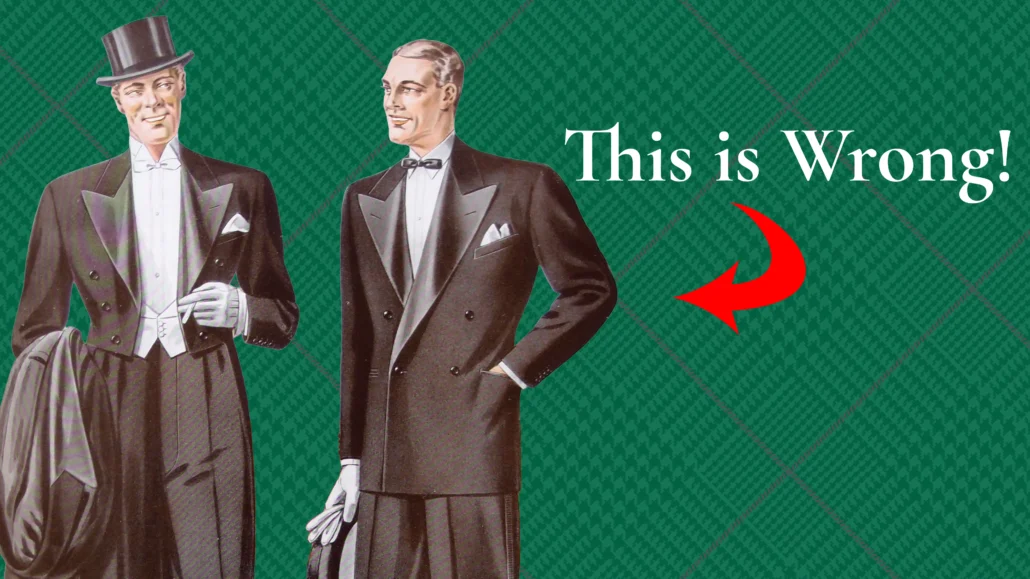
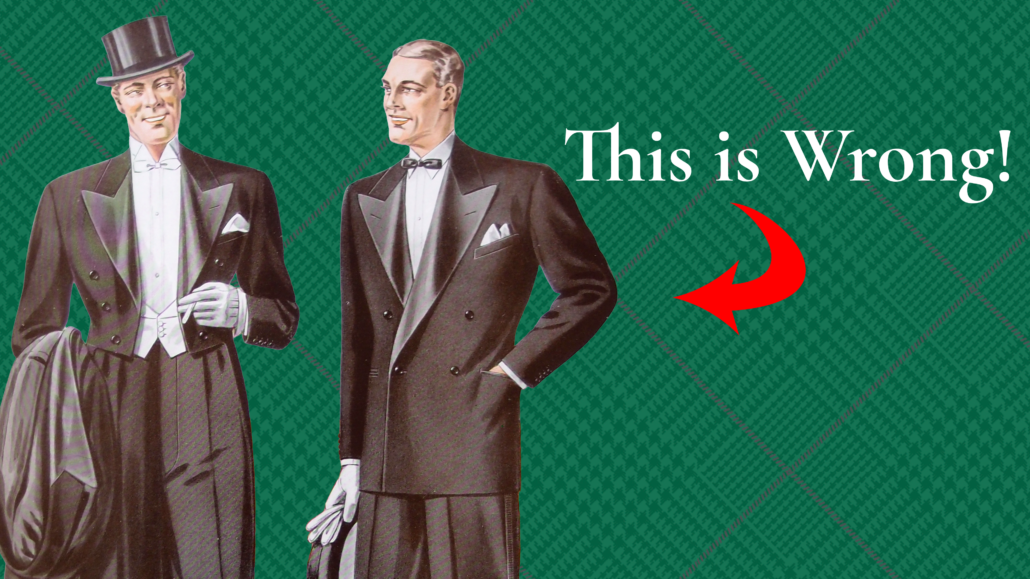
The concept of "semi-formal" as a distinct dress code began to crystallize in the early 20th century, largely as a response to the increasingly rigid and elaborate formalwear of the Victorian and Edwardian eras. Historically, "formal" often implied white tie for evening events and morning dress for daytime, signifying the highest echelons of social ceremony. As societal norms gradually shifted and lifestyles became less stratified, a need arose for attire that was elegant and respectful but offered a degree of flexibility and comfort.
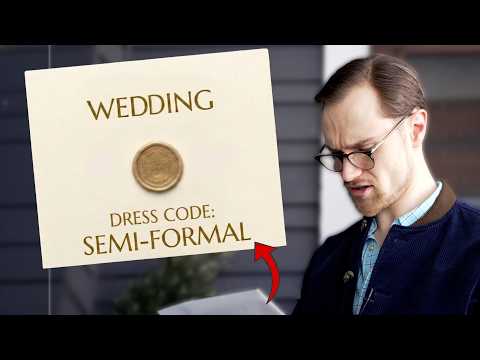
Initially, "semi-formal" often referred to black tie, which itself was once considered a less formal alternative to white tie. However, over decades, as dress codes continued to relax and become more accessible, black tie ascended to the pinnacle of modern formalwear, leaving a new void for events that were clearly beyond casual but not quite requiring a tuxedo. This evolution saw the modern interpretation of semi-formal emerge, moving towards tailored suits, sport coats, and dress trousers as its foundational elements. The gradual casualization of daily attire post-World War II and throughout the latter half of the 20th century further blurred these lines, making precise definitions increasingly challenging.
The Modern Dilemma: Why the Confusion Persists

In contemporary society, the ambiguity surrounding semi-formal is amplified by several factors. A 2023 informal survey conducted among event industry professionals revealed that "semi-formal" was cited by 72% as the dress code causing the most guest inquiries and sartorial missteps. This confusion stems from:
- Regional and Cultural Variations: What is considered semi-formal in a bustling metropolis like New York might differ subtly from expectations in a more traditional European setting or a relaxed Californian vineyard.
- Venue-Specific Expectations: A semi-formal invitation for a wedding held in a grand ballroom will likely imply a different interpretation than one for an upscale barn or garden party, despite the same label.
- Time of Day: Traditional etiquette often dictates lighter colors and fabrics for daytime events, transitioning to darker, more substantial materials for evening gatherings. This distinction, while fundamental, is not always intuitively understood by all guests.
- Influence of Social Media: The proliferation of diverse style interpretations online, often from non-expert sources, can lead to conflicting advice and further complicate a guest’s decision-making process.
Dr. Eleanor Vance, a leading etiquette consultant, notes, "The core challenge with semi-formal lies in its inherent flexibility. While it offers scope for personal expression, this freedom can be daunting for those accustomed to more rigid guidelines. The key is to understand the underlying principles of respect and intentionality that inform the code."
Deconstructing the Dress Code: Core Principles for Distinguished Attire
Industry experts widely agree that the key to mastering semi-formal success lies in intentionality. This means making deliberate choices with color, texture, and accessories to craft an ensemble that is polished, respectful, and distinctly celebratory, rather than simply replicating office attire.
Fundamental Elements of Semi-Formal Menswear:
- The Suit (or Tailored Separates): A well-fitting suit is the most common and safest choice. For evening or colder seasons, darker hues like navy, charcoal, or deep brown are preferred. For daytime or warmer months, lighter shades such as medium gray, tan, or even subtle patterns can be appropriate. Alternatively, a sharp, tailored blazer or sports coat paired with complementary dress trousers (moleskin, flannel, high-quality chinos) offers a sophisticated alternative to a full suit.
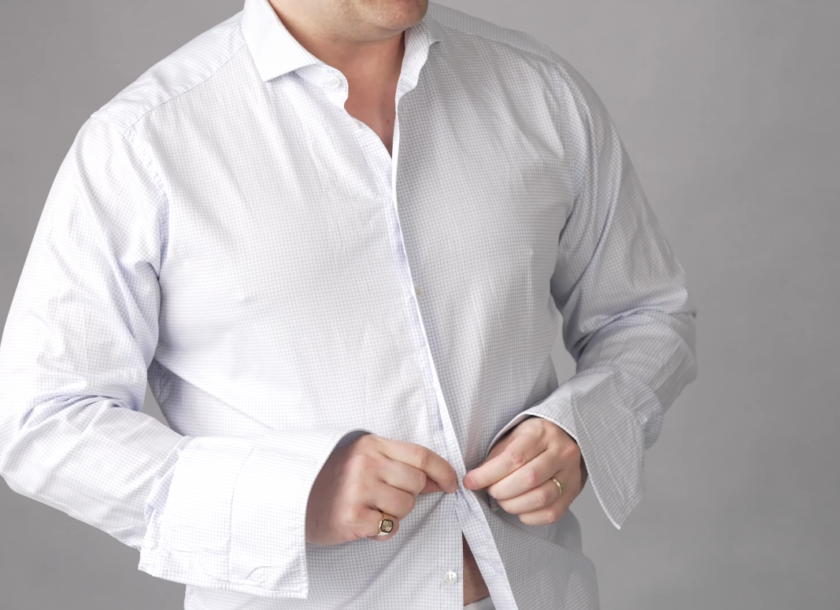
- Collared Dress Shirt: A crisp, collared dress shirt is non-negotiable. White and light blue are classic, versatile choices. Subtle patterns like micro-checks or fine stripes can add character. French cuffs, paired with cufflinks, elevate the formality slightly, pushing it beyond standard business casual.
- Necktie: A necktie is generally expected for semi-formal events. Silk ties in solid colors, subtle patterns (e.g., repp stripes, foulards, paisleys), or textured knits are excellent options. The tie provides an opportunity to introduce color or texture that complements the overall outfit.
- Footwear: Polished leather dress shoes are essential. Oxfords, Derbies, and elegant loafers are all suitable. Colors should harmonize with the trousers and belt – black, dark brown, or oxblood are classic choices. Suede options can introduce texture and slightly relax the formality.
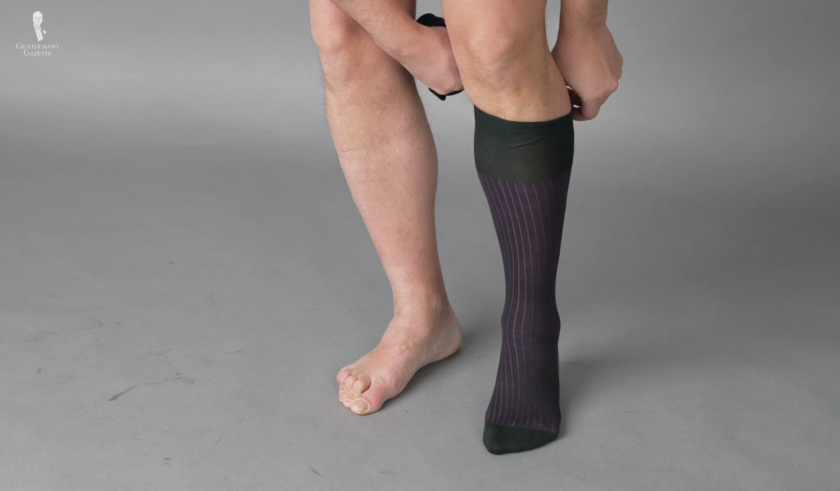
- Socks: Over-the-calf dress socks in a color that complements the trousers or picks up a subtle hue from the tie or pocket square ensure a seamless look, preventing bare skin from showing when seated.
- Accessories: This is where intentionality truly shines.
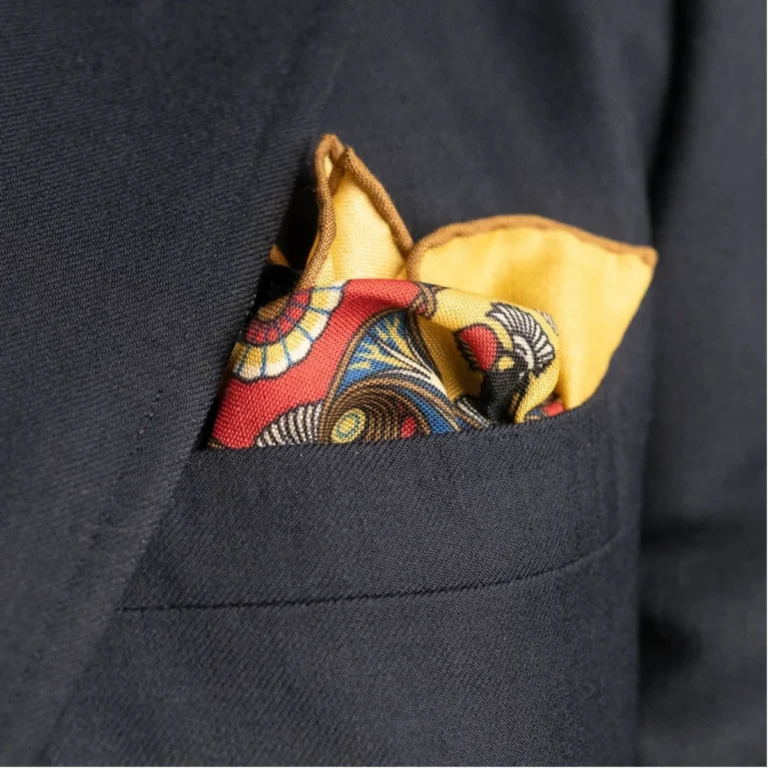
- Pocket Square: A pocket square is highly recommended to add a touch of personality and polish. Silk, linen, or silk-wool blends in complementary or contrasting colors and patterns can elevate the outfit significantly.
- Cufflinks: For French cuff shirts, tasteful cufflinks add a refined detail.
- Watch: A classic dress watch with a leather strap or an elegant metal bracelet is appropriate.
- Boutonnière: A boutonnière can add a festive and personal touch, particularly for weddings.
Case Studies in Contemporary Semi-Formal
To illustrate the versatility and interpretive scope of the semi-formal dress code, leading menswear stylists often point to varied ensembles that successfully blend tradition with personal flair.
1. The Cold-Weather Tweed & Chinos – Raphael’s Approach
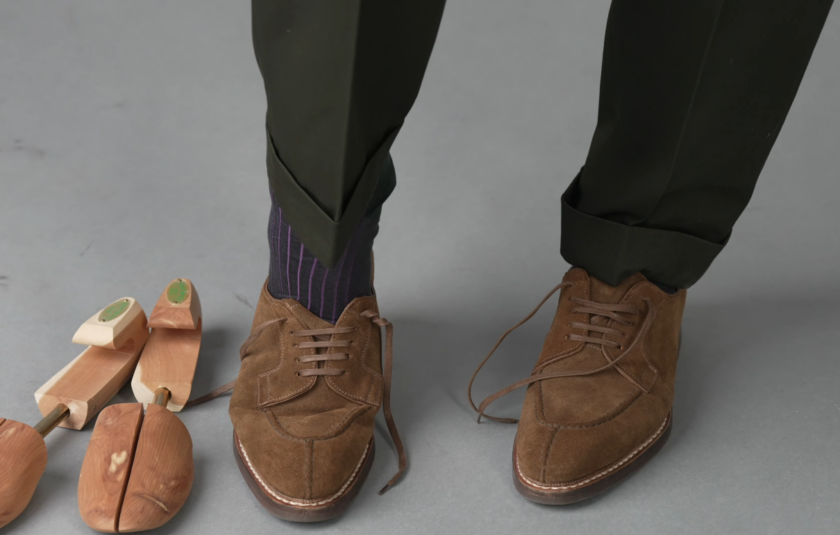
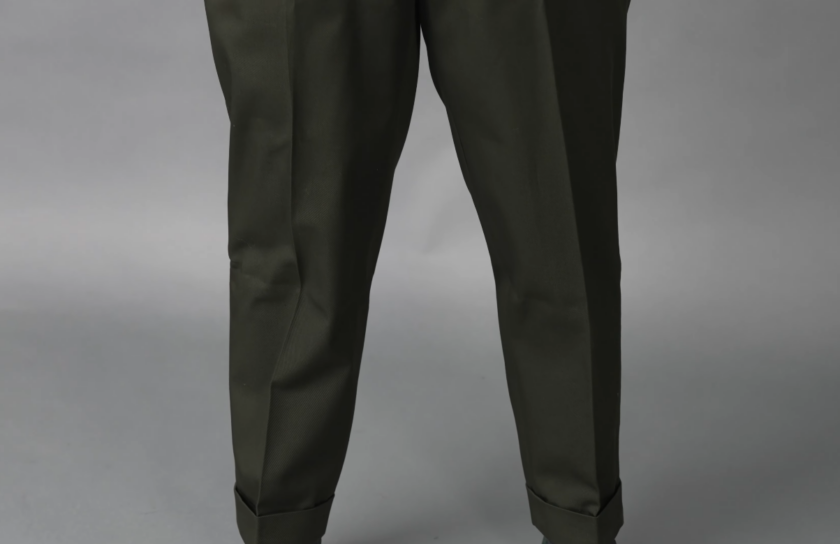
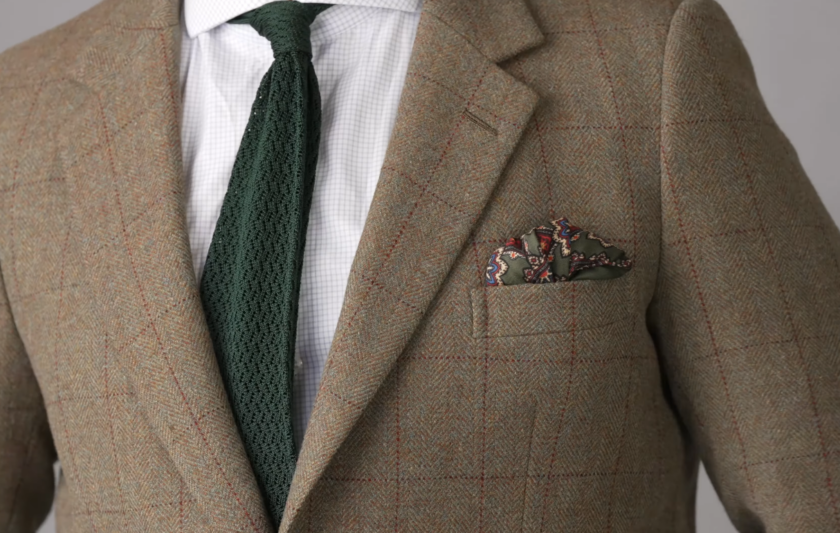
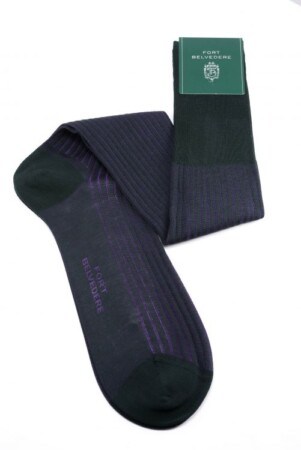
Raphael, a noted menswear enthusiast, advocates for an outfit meticulously adapted for colder seasons and less formal, yet refined, venues. His approach begins with practical considerations: the nature of the hosts and the time of year. For a winter wedding, he selects dark green chinos, emphasizing their tailored fit to elevate them from casual wear. These are paired with Fort Belvedere over-the-calf socks in dark green and purple, introducing a rich, complementary jewel tone. His custom-made light blue micro-check dress shirt from Venturini in Vienna, featuring French cuffs, is accented with gold eagle and snake cufflinks from Fort Belvedere’s predator-prey series, adding a subtle touch of personalized luxury.
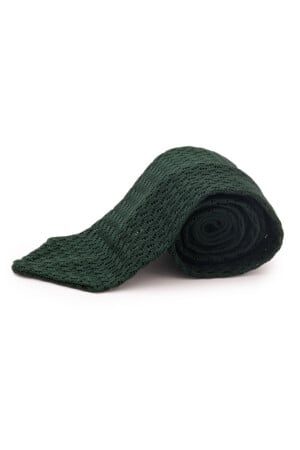
The footwear choice is Maftei suede Norwegian Derby shoes with a robust Vibram rubber sole, offering both elegance and practical grip for potentially varied terrain. A Fort Belvedere zigzag silk knit tie in forest green, with its substantial 9cm width, harmonizes with the chinos. The centerpiece is a single-breasted tweed jacket, boasting significant color depth and a larger windowpane pattern, which visually distinguishes it from standard business blazers. A silk-wool pocket square in light green, subtly incorporating blue notes from the shirt’s check, completes the ensemble. This outfit is a masterclass in leveraging texture and color to create a celebratory, dapper look that respects the occasion without being overly formal, ideal for rustic yet refined venues like an upscale barn or winery during fall/winter.
2. The Royal Blue Spring Suit – Preston’s Vibrant Statement
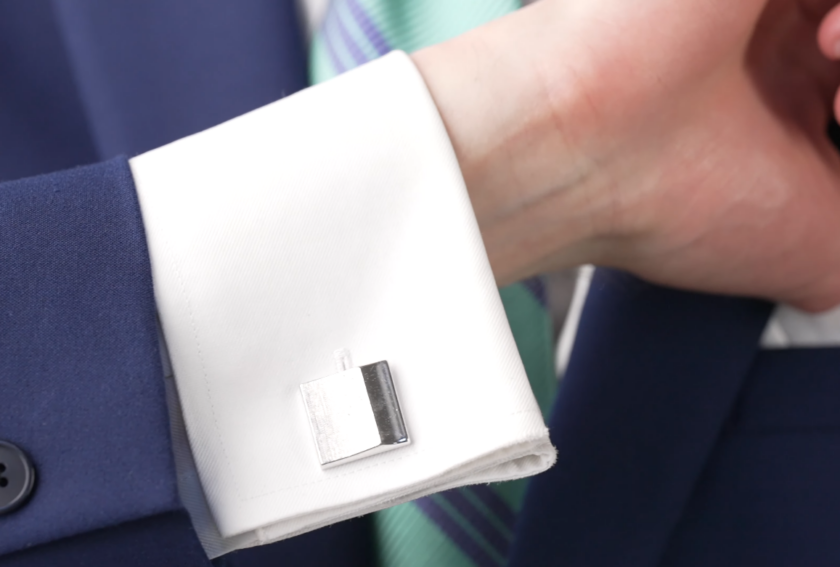
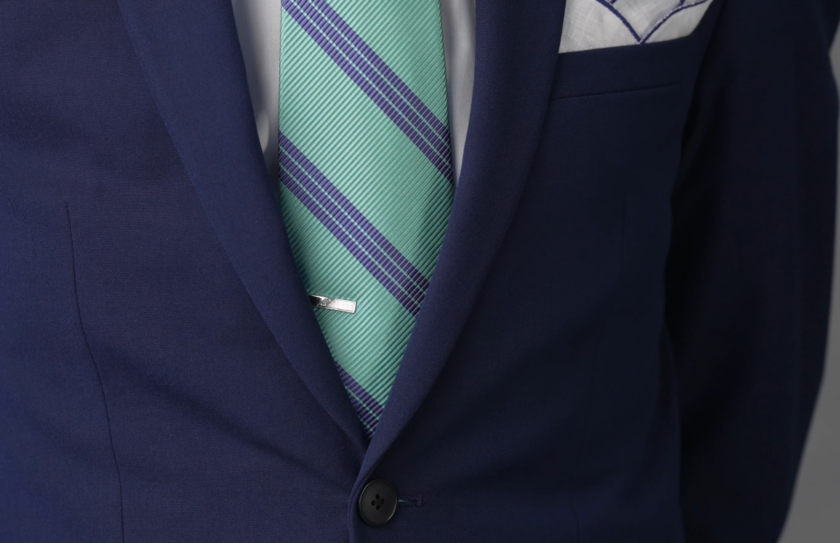
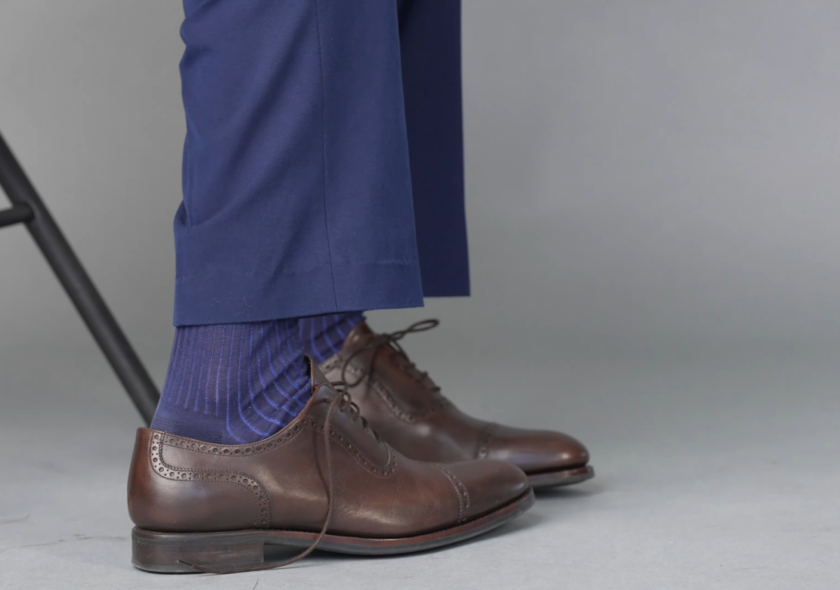
Preston’s interpretation of semi-formal leans into a brighter palette suitable for spring and summer events, while still maintaining a formal foundation. He opts for a royal blue suit, a deliberate departure from the more conventional navy, injecting a hint of playfulness. The outfit is grounded in formality with a crisp white French cuff shirt, adorned with vintage silver-toned cufflinks that are meticulously coordinated with a silver tie bar. His dark brown Adelaide-styled Oxfords reinforce the formal base, ensuring respect for the occasion.
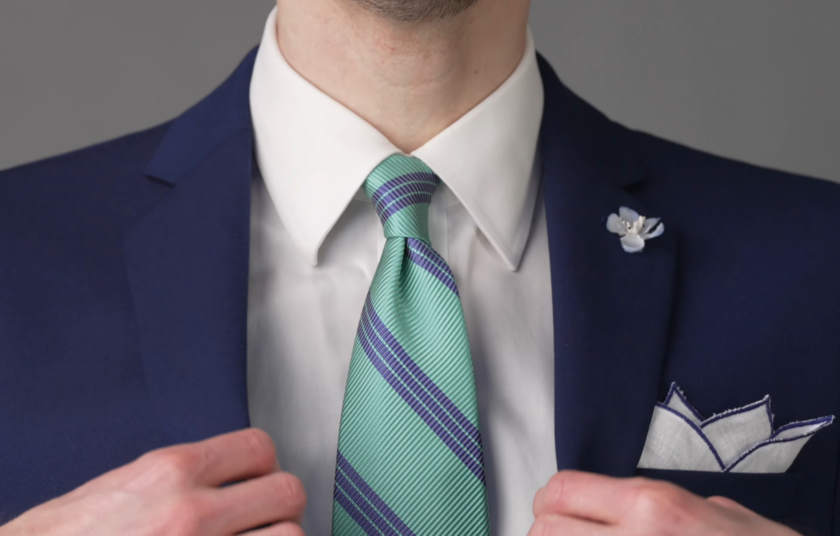
The tie, a vintage Robert Talbott piece, features bright turquoise and royal blue stripes, creating an analogous color scheme that harmonizes with the suit while adding a vibrant, celebratory touch. A white linen pocket square from Fort Belvedere, distinguished by a unique blue wave edge, echoes the shirt and adds textural interest. The final flourish is a light blue Veronica Persica boutonnière, also from Fort Belvedere, which provides a delicate, festive element. This ensemble is excellent for traditional church weddings, elegant city venues, or evening cocktail receptions during warmer months, showcasing how a bold suit color, when paired with classic elements, can achieve semi-formal perfection.
3. The Dark Evening Silk & Moleskin – Jack’s Bond-Inspired Elegance
Jack’s outfit draws direct inspiration from the sophisticated, understated elegance of James Bond in Quantum of Solace, focusing on a refined dark brown and black combination suitable for evening events. He builds his foundation with black and white shadow-striped socks and dark brown moleskin trousers. The moleskin’s heavy, matte texture is crucial, preventing the trousers from appearing like part of a corporate suit. A plain white Suitsupply shirt with a pleasing collar and single cuff maintains a classic, clean base.
His shoes are particularly elegant black cap-toe Oxfords from the Kingsman collection by George Cleverley, featuring an elongated toe and narrow waist for a distinctly formal edge. For the tie, Jack selects a silver wedding tie, which upon closer inspection reveals a black and white micro-pattern, adding depth without overt flashiness. This particular tie is a vintage Ralph Lauren Purple Label piece. The jacket is a separate black dupioni silk, its interesting slubby weave providing a visual texture that differentiates it from a standard dinner jacket. A white linen pocket square with a hand-crocheted edge adds a touch of playful personality. Finally, a vintage J.W. Benson manual-wind watch in yellow gold with a dark brown lizard-skin strap completes the look, emphasizing timeless elegance. This ensemble is ideally suited for fall/winter evening weddings, sophisticated private estates, or upscale indoor venues.

4. The Classic Navy with Green Accents – Julian’s Versatile Blend
Mr. Julian Thorne, a bespoke tailor and fashion commentator, frequently highlights an outfit that exemplifies year-round semi-formal versatility. His ensemble centers on a subtly patterned navy blue suit. The gentle texture or faint check of the fabric prevents it from resembling everyday business attire, while the dark hue maintains a respectful level of formality. Paired with this, he chooses dark brown brogue Oxford shoes. The brogued detailing, while still formal, introduces a decorative element that relaxes the overall appearance just enough for a social event.
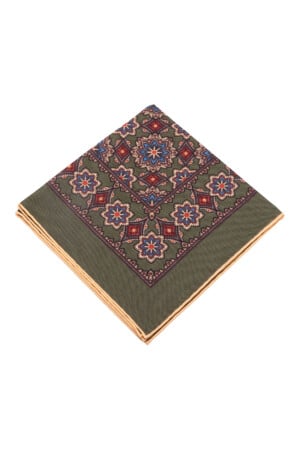
Underneath the suit jacket, a crisp white dress shirt with standard cuffs provides a clean canvas. The intentionality truly comes through with the accessories: a rich hunter green silk knit tie from Fort Belvedere, providing a tactile texture, and a complementary moss green silk-wool pocket square with geometric medallions. These green accents introduce a cohesive and festive splash of color that thoughtfully elevates the entire look beyond mere officewear. This outfit is highly adaptable, perfect for daytime garden weddings, traditional church ceremonies, or transitional afternoon-to-evening events, demonstrating how careful selection of texture and color can create a distinguished and appropriate semi-formal statement.
5. The Reimagined Pinstripe Suit – Kyle’s Modern Twist
Kyle presents a contemporary take on semi-formal by recontextualizing a classic business staple: the navy blue pinstripe suit. Recognizing that pinstripes inherently lean towards corporate environments, Kyle makes deliberate choices to soften this association. He opts for a light gray pair of socks, specifically chosen to subtly pull out the pinstripe color in the suit, creating a cohesive yet relaxed effect. His light blue shirt features a contrasting placket, adding a modern and casual-leaning detail that prevents the shirt from being strictly corporate.
Crucially, Kyle foregoes traditional lace-up Oxfords in favor of elegant dark loafers. This footwear choice significantly relaxes the formality, shifting the suit from the boardroom to a social setting without losing its inherent polish. The outfit is completed with a fantastic Fort Belvedere pocket square, a pale blue two-tone linen piece with an X-stitch edge, which ties into the shirt’s color palette and adds a refined, non-business accent. This ensemble is particularly effective for city weddings, modern gallery venues, or chic cocktail lounge receptions, showcasing how thoughtful styling can transform a traditional garment into a perfectly acceptable and stylish semi-formal outfit.
Avoiding Sartorial Missteps: What to Eschew
Understanding what constitutes appropriate semi-formal attire is as critical as knowing what to avoid. Event planners and etiquette experts consistently advise guests to steer clear of certain items that can lead to a sartorial faux pas:
- Tuxedos: These are strictly reserved for Black Tie or White Tie events. Wearing a tuxedo to a semi-formal occasion is over-dressing and can inadvertently steal attention from the couple or hosts.
- Denim: Jeans, regardless of their wash or tailoring, are inherently casual and inappropriate for a semi-formal setting.
- Sneakers: Athletic footwear, even designer variations, does not align with the polished aesthetic required.
- Polo Shirts: While smart casual, polo shirts lack the formality of a collared dress shirt.
- Shorts: Shorts are never appropriate for a semi-formal event.
- Overly Flashy or Neon Attire: Garments in loud colors or with excessive embellishments can be distracting and considered disrespectful to the solemnity or elegance of the occasion.
- Funeral Attire: While a black suit can be semi-formal, an all-black ensemble without any contrasting or celebratory elements might resemble funeral wear. Introducing a colored tie, pocket square, or textured shirt can mitigate this risk.
- Untucked Shirts: A tucked-in, well-fitted shirt is fundamental to a polished semi-formal look.
The Broader Implications: Beyond the Wardrobe
Dressing appropriately for a semi-formal wedding or event extends beyond mere adherence to a dress code; it signifies respect for the hosts, the significance of the occasion, and the effort they have invested in creating a memorable experience. In an increasingly casual world, maintaining a sense of decorum through attire reinforces the importance of social rituals and personal presentation.
As fashion commentator, Mr. Thorne observes, "Your attire is a non-verbal cue. It communicates your understanding of the event’s gravity and your consideration for those who invited you. A thoughtful semi-formal outfit reflects not just personal style, but also social intelligence."
Ultimately, the semi-formal dress code, while challenging for some, offers a unique opportunity for individuals to express personal style within a framework of elegance and respect. By embracing quality fabrics, making deliberate choices in color and texture, and utilizing refined accessories, guests can confidently navigate this often-confounding dress code, ensuring they are impeccably dressed without overshadowing the central figures of the celebration. The golden rule remains: dress intentionally, respect the occasion, and never attempt to upstage the happy couple.