






The recent culmination of Salone del Mobile 2026, globally recognized as Milan Design Week, marked a significant moment in the evolving landscape of global design. Historically, Salone del Mobile has served as the preeminent international trade fair for the furniture and interior design industries, drawing over 370,000 visitors from around the world to explore cutting-edge innovations and craftsmanship from leading manufacturers. However, in recent years, the event has expanded its purview, with the fashion industry increasingly recognizing its immense potential as a platform for creative expression, brand engagement, and reaching a diverse, design-conscious audience. This strategic convergence has seen a growing number of fashion houses hosting immersive installations, exhibitions, and events across Milan, asserting fashion’s undeniable seat at the table during this prestigious design celebration.
Nike Air Lab: An Odyssey Through Invisible Innovation
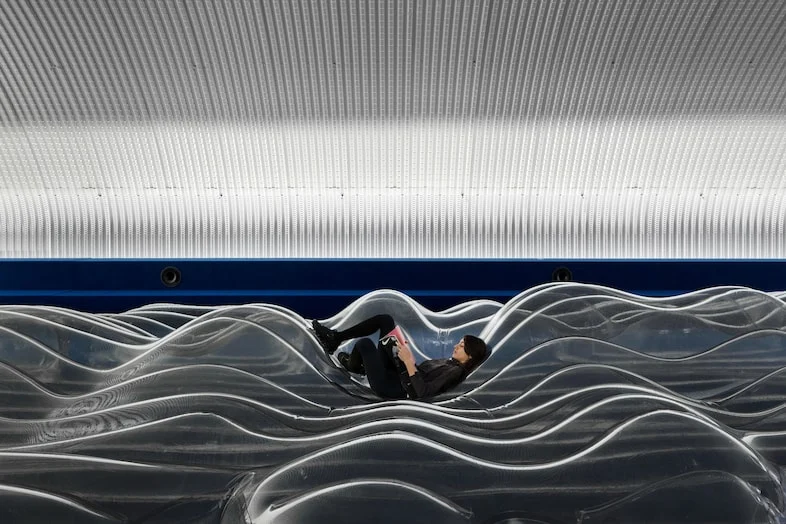
Among the most prominent participants this year was Nike, whose inclusion was a natural and compelling fit given its status as arguably the world’s most famous sportswear designer, deeply rooted in performance and material innovation. Teaming up with Dropcity, Milan’s burgeoning hub for architecture and design, Nike unveiled the "Nike Air Lab." This ambitious exhibition offered an in-depth exploration of the company’s "enduring obsession with Air past, present, and future," a core tenet of its design philosophy for decades. Occupying five expansive, disused railway arches in the heart of the city, the lab provided a chronological and conceptual journey through the profound history of Nike Air technology. The experience was personally guided by Martin Lotti, Nike’s Chief Design Officer, who articulated the profound yet often unseen impact of this revolutionary material.
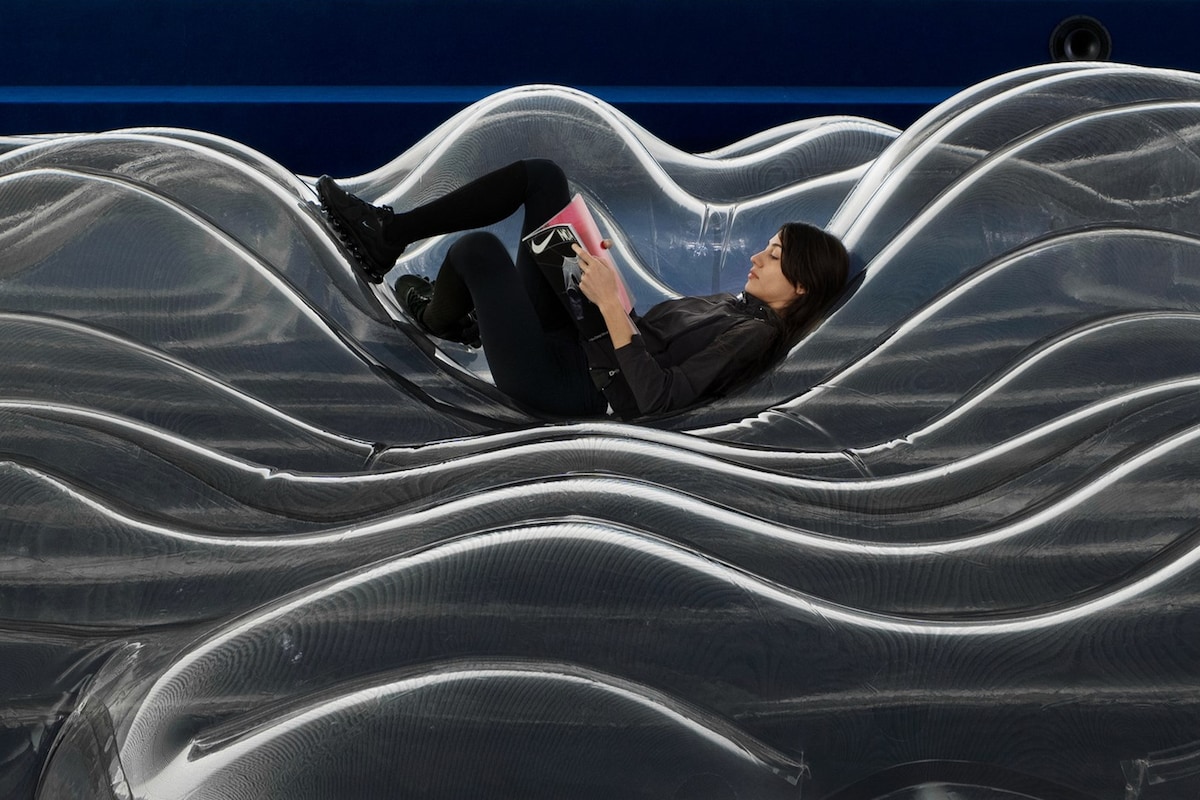
Lotti, speaking from within the cavernous first tunnel of the exhibition, remarked on the paradox inherent in their pursuit: "I love that we are designing with a matter you can’t even see. There’s an irony in this, that we’re at a design fair and yet we’re designing with the invisible." This introductory section delved into the broader concept of "invisible ingredients" and their critical role across various industries, setting a philosophical context for Nike’s specific journey.
The second tunnel narrowed the focus to Nike’s own storied relationship with air. Here, visitors encountered a meticulously curated display of Nike Airbags, tracing their evolution through the ages. Central to this historical narrative was the revelation of the first-ever Airbag design, conceived in 1972 by former NASA engineer Frank Rudy. Lotti recounted Rudy’s initial struggles: "He actually showed this technology to 23 different entities, and all of them said it was a bad idea – until Nike said yes." This pivotal moment marked the genesis of a technology that would revolutionize athletic footwear, offering unparalleled cushioning, lightness, and responsiveness. The exhibit showcased the iterative design process, from rudimentary prototypes to the sophisticated multi-chambered units found in contemporary Nike models, highlighting the continuous investment in research and development that underpins Nike’s market leadership. The sheer volume and diversity of Airbag designs on display underscored a relentless pursuit of performance enhancement and material science.
The third and perhaps most forward-looking tunnel presented a bold vision for the future of Air technology. Lotti posed a provocative question: "What if we apply Air not just to footwear, where it has mainly resided as a cushioning technology, but to apparel?" This inquiry led to the unveiling of groundbreaking prototypes, demonstrating Air’s potential beyond traditional applications. Among these was an innovative temperature-regulating puffer jacket, designed to adapt to environmental conditions by harnessing encapsulated air for insulation or ventilation. The undisputed centerpiece, however, was a Nike ACG long-sleeve running top, engineered with an intricate network of tiny perforations. Lotti described its revolutionary cooling mechanism: "The best way to describe it is like having 1000 little cyclones on you. It captures the air, compresses it, accelerates it, and disperses it onto your skin. It’s the Venturi effect." This application of advanced aerodynamic principles to apparel represents a significant leap in performance wear, offering athletes superior thermal regulation and comfort. Nike Air Lab at Milan Design Week 2026 not only celebrated a rich legacy but also powerfully articulated a vision for a future where invisible technology continues to shape the physical experience of design, pushing the boundaries of what is possible in sportswear and beyond.
Fashion’s Broader Canvas: A Milan Design Week 2026 Round-up
Beyond Nike’s compelling presentation, Milan Design Week 2026 saw a vibrant array of fashion houses asserting their presence, each offering a unique perspective on design, heritage, and innovation. The growing convergence of fashion and furniture/product design signals a strategic shift, where brands seek to engage consumers on a deeper, lifestyle-oriented level, extending their aesthetic and philosophical reach beyond seasonal collections.
Gucci: Weaving Narratives of Heritage
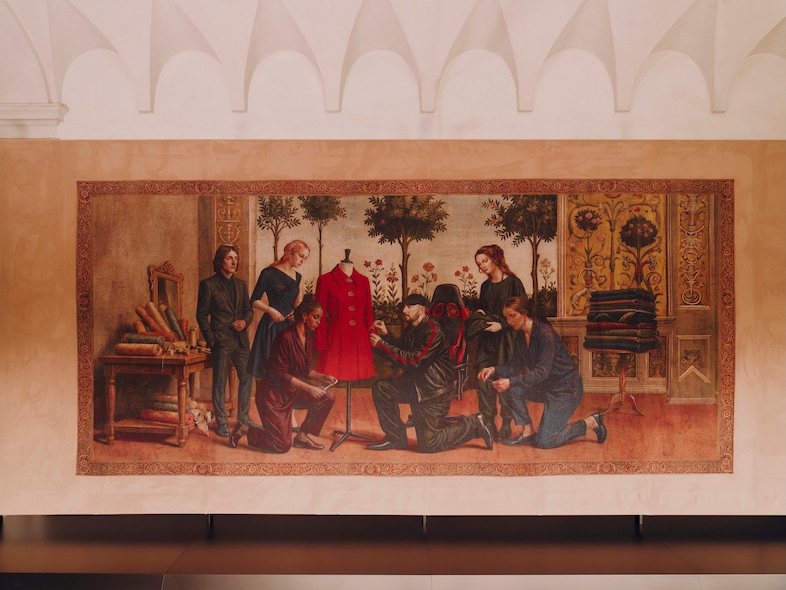
Demna, known for his audacious and transformative creative direction, orchestrated a truly immersive experience for Gucci. His Salone takeover was a testament to storytelling through craft, presented within the grand and historic Chiostro di San Simpliciano. The designer curated an entire exhibition featuring a series of 12 exquisite tapestries, each meticulously woven to narrate a chapter of the Gucci story. This approach moved beyond mere product display, delving into the brand’s rich archives, its evolving identity, and its foundational principles. The use of tapestries, an ancient art form, underscored a commitment to artisanal heritage while presenting it through a contemporary lens, reflecting Gucci’s unique blend of tradition and modernity. This installation served as a powerful statement about the brand’s narrative depth and its enduring connection to the arts and craftsmanship.
Bottega Veneta: Sculpting Light and Materiality
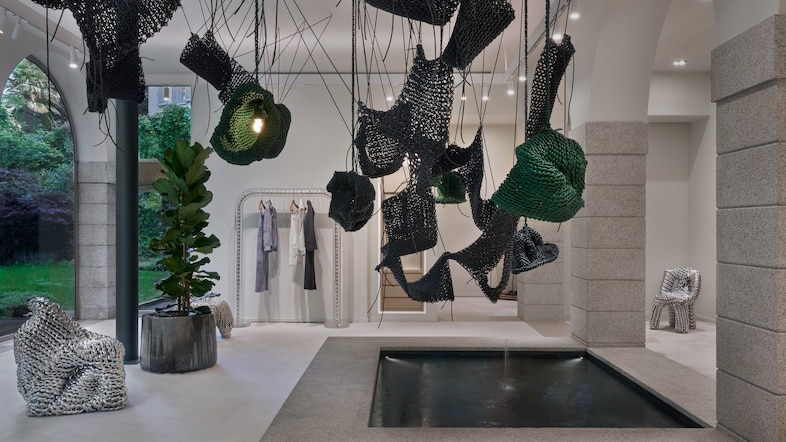
Bottega Veneta embraced an abstract yet profoundly textural approach, inviting visitors into its world through a captivating light installation. Designed in collaboration with the acclaimed Korean artist Kwangho Lee, the exhibit marked a significant milestone: Lee’s inaugural foray into working with leather, a material he masterfully integrated despite his usual preference for metals. This collaboration powerfully highlighted Bottega Veneta’s core material expertise and its dedication to elevating craft to an art form. The light installation itself played with perception and form, creating an ethereal environment that resonated with the brand’s minimalist yet luxurious aesthetic. The choice of Lee, an artist celebrated for his innovative use of everyday objects and materials, underscored Bottega Veneta’s commitment to artistic partnerships that push creative boundaries.
Fendi: A Multifaceted Design Discourse
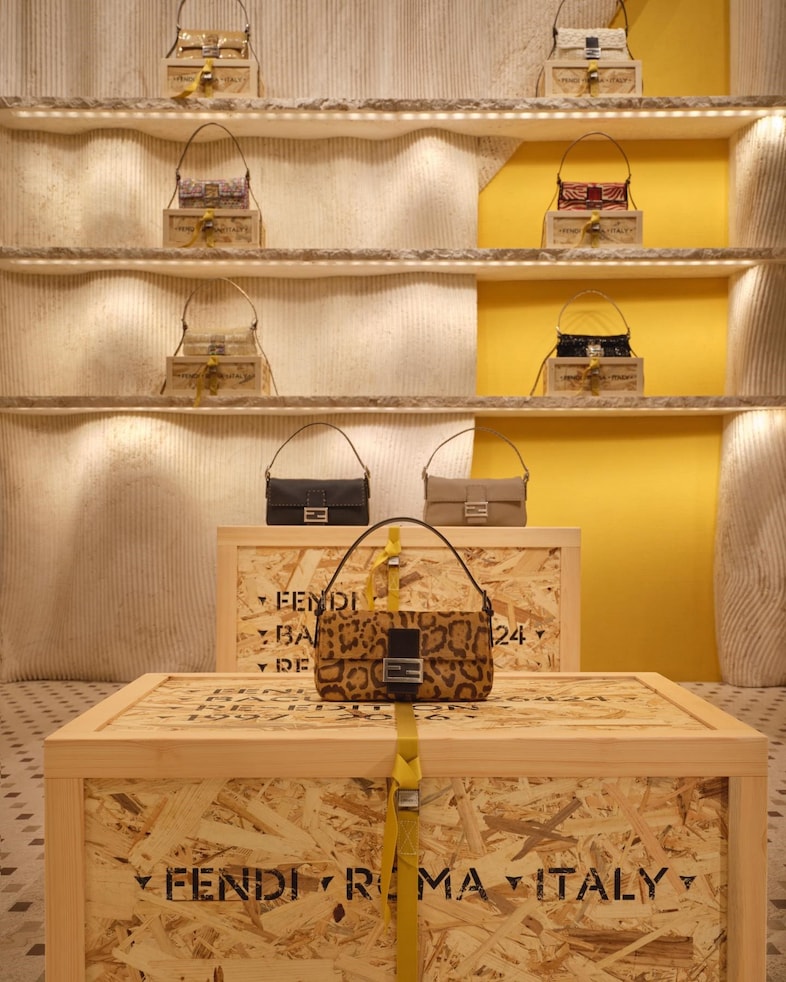
Milan Design Week 2026 also saw a comprehensive design statement from Fendi, marking the first time Maria Grazia Chiuri, the brand’s creative director, orchestrated its entire Design Week presence. Her vision extended across multiple facets of Fendi’s identity, signaling a holistic engagement with the design world. The brand unveiled a new iteration of its iconic Baguette bag, reimagining a classic through a contemporary design lens, thereby blending heritage with forward-thinking aesthetics. Simultaneously, Fendi launched its Fendi Casa interiors collection, a natural extension for a luxury brand deeply rooted in craftsmanship and Italian elegance, solidifying its presence in the high-end home furnishings market. Furthermore, Fendi introduced its inaugural Fendi Design Prize, an initiative designed to foster emerging talent and contribute to the broader design ecosystem. This multi-pronged approach underscored Fendi’s ambition to be recognized not just as a fashion powerhouse but as a significant patron and contributor to the world of design.
Stone Island: A Sonic and Material Exploration
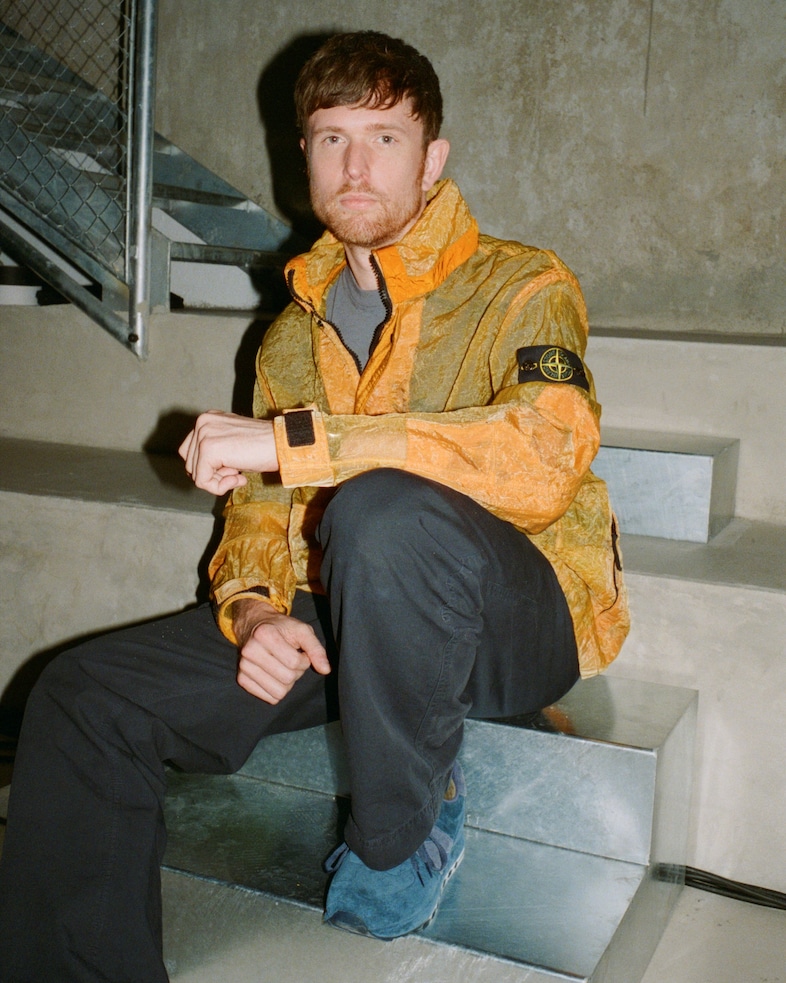
Always at the forefront of technical innovation and cultural engagement, Stone Island presented a unique blend of music and material science. The brand enlisted the critically acclaimed singer James Blake, who performed an intimate set as Stone Island launched its No Seasons collection. Hosted at Capsule Plaza, an alternative design platform known for its experimental programming, the event underscored Stone Island’s commitment to transcending traditional seasonal fashion cycles. The No Seasons collection itself is a testament to the brand’s philosophy of continuous research into innovative fabrics and dyeing techniques, creating garments that are timeless, highly functional, and built to withstand diverse conditions. The choice of a musical performance highlighted the brand’s connection to contemporary culture and its appeal to a discerning audience that values both innovation and artistic expression.
JW Anderson: Celebrating Artisanal Craft
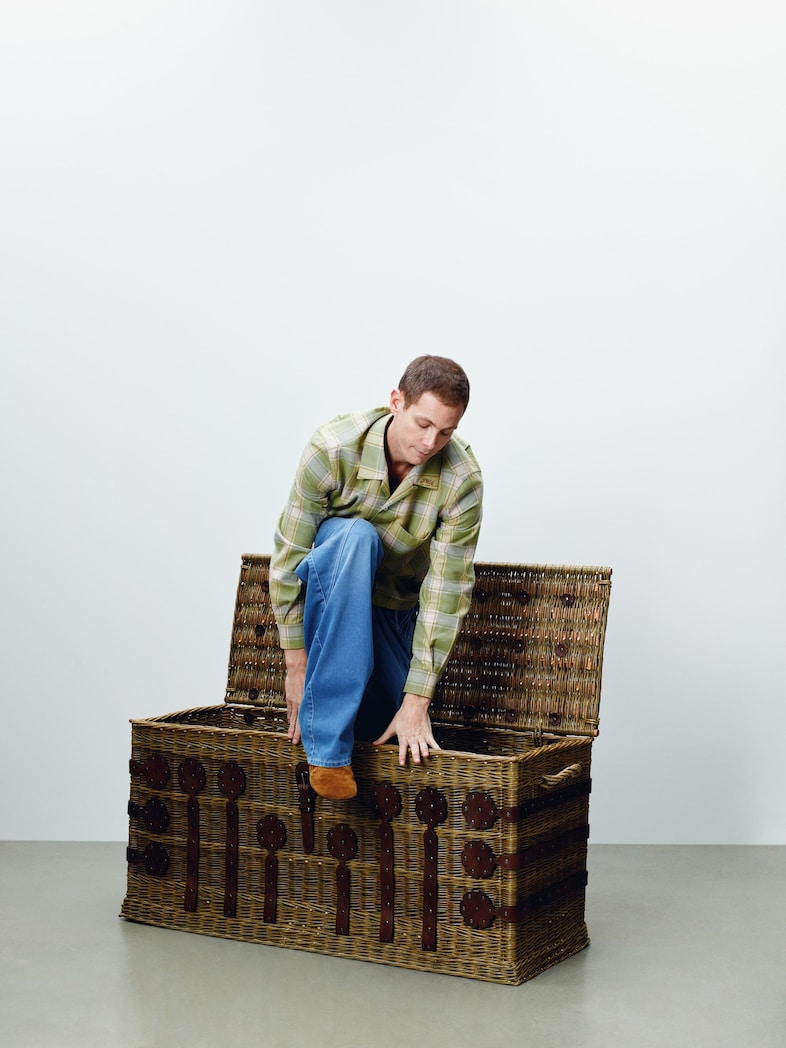
Jonathan Anderson, through his eponymous label JW Anderson, continued to leave an indelible mark on Milan Design Week, even when not directly tied to his runway collections. This year, the brand forged a notable collaboration with the skilled basketmaker Eddie Glew. The partnership resulted in a charming and functional collection of baskets, catering to a variety of domestic needs – from elegant blanket baskets to robust log carriers and stylish laundry receptacles. This collaboration emphasized Anderson’s enduring fascination with craft, tradition, and the elevation of everyday objects into pieces of functional art. It also highlighted a broader industry trend towards celebrating artisanal skills and sustainable practices, connecting consumers with handmade products that possess inherent value and longevity.
Jil Sander: An Intellectual Hub for Creatives
Jil Sander, in collaboration with the renowned lifestyle and interiors magazine Apartamento, offered a more introspective and intellectually stimulating experience. The brand transformed its Salone presence into an intimate "Reference Library," designed to foster a love for reading and intellectual exchange. This unique installation hosted a series of reading circles, bringing together a diverse group of influential creatives from various fields. Participants included Nigerian designer Nifemi Marcus-Bello, Spanish singer Maria Arnal, and Australian curator Dan Thawley, among others. This initiative reflected Jil Sander’s minimalist yet thoughtful brand identity, emphasizing substance, clarity, and the power of ideas. It positioned the brand not merely as a purveyor of clothing but as a facilitator of cultural dialogue and intellectual engagement, reinforcing design as a conduit for profound thought.
Prada: Philosophical Inquiries at Historic Locales
Prada, consistent with its deep-seated intellectual curiosity, presented its latest "Prada Frames" production, an annual multidisciplinary symposium exploring the complex relationship between design and the environment. This year, the Italian luxury brand transported its guests to the sacred and historically resonant Santa Maria delle Grazie, famously home to Leonardo da Vinci’s The Last Supper. Hosted in collaboration with the design research studio Formafantasma, the 2026 symposium adopted the theme "In Sight." This theme delved into "image-making as a defining element of contemporary culture, where representation often prevails over facts." Through a series of lectures, discussions, and artistic interventions, Prada Frames critically examined how visual culture shapes perception, influences reality, and impacts design practices. The choice of such an iconic venue, steeped in art history, added a profound layer of intellectual gravitas to Prada’s ongoing exploration of contemporary philosophical questions through the lens of design. This initiative underscored Prada’s commitment to fostering critical discourse and positions the brand as a thought leader in the broader cultural landscape, far beyond seasonal fashion trends.
The Evolving Nexus of Design and Fashion
Milan Design Week 2026 served as a powerful testament to the increasingly blurred lines between fashion, art, and industrial design. What was once primarily a trade fair for furniture has evolved into a dynamic cultural festival, offering a fertile ground for cross-disciplinary innovation and brand storytelling. Fashion houses are strategically leveraging this platform not only to showcase their design prowess but also to connect with a global audience on a more profound and contextual level. By presenting immersive installations, fostering intellectual discourse, and engaging in collaborative projects, these brands are diversifying their narratives, extending their influence beyond apparel, and affirming their integral role in shaping contemporary culture. The success of these ventures at Salone del Mobile 2026 indicates a future where the creative industries continue to converge, offering richer, more integrated experiences that celebrate design in all its multifaceted forms.