










In an era defined by flexibility and an increasing global consciousness, the approach to professional attire has undergone a significant transformation. As of 2026, whether employees operate within hybrid models or maintain a daily in-office presence, the demand for workwear that balances polished aesthetics with robust sustainability credentials has never been more pronounced. This shift reflects not only evolving corporate dress codes but also a broader societal imperative towards responsible consumption.
The Evolution of Professional Attire and the Sustainability Imperative
For decades, the corporate sartorial standard was largely monolithic: suits, formal shirts, and ties for men, and equally structured ensembles for women. This rigid framework, prominent through much of the 20th century, began to soften in the late 1990s and early 2000s with the rise of "business casual." By 2026, the spectrum of acceptable office attire is far more diverse, often dictated by industry and corporate culture. Financial institutions may still lean towards traditional two-piece suits or refined business-casual, while creative studios frequently embrace more relaxed yet intentional looks, incorporating premium jeans or sophisticated casual shirts. Across this varied landscape, a unifying principle remains: the necessity to appear "put-together" and thoughtful in presentation. Crucially, this contemporary standard now integrates an expectation for garments to be ethically sourced and sustainably produced.
The trajectory of this shift aligns with growing global awareness of environmental and social issues. The fashion industry, historically a significant contributor to pollution and resource depletion, has come under increasing scrutiny. Consumers, armed with more information and a heightened sense of responsibility, are actively seeking alternatives to the fast fashion model. This collective movement has propelled sustainability from a niche concern to a mainstream expectation, impacting everything from raw material sourcing to manufacturing processes and garment longevity.
The Hidden Costs of Fast Fashion Versus the Value of Conscious Investment
The allure of fast fashion—characterized by rapid production cycles, trend-driven designs, and low prices—often presents an initial "easy win" for consumers. However, this apparent affordability masks substantial environmental and economic drawbacks. The average fast fashion garment, often made from cheap synthetic fibers like polyester, is designed for obsolescence. Studies indicate that consumers in some Western countries purchase 60% more clothing items than 15 years ago but keep each garment for half as long, contributing to an alarming surge in textile waste. Annually, approximately 92 million tonnes of textile waste are generated globally, with a significant portion ending up in landfills, where non-biodegradable synthetics can persist for hundreds of years.
Furthermore, the manufacturing processes for these garments are often resource-intensive and environmentally damaging. The production of polyester, derived from fossil fuels, contributes significantly to greenhouse gas emissions. Dyeing processes can contaminate water systems, and the vast supply chains often involve exploitative labor practices. Beyond the environmental footprint, the quality compromise in fast fashion—evidenced by poor stitching, flimsy fabrics, and ill-fitting designs—results in items that quickly degrade, pill, or lose shape. This necessitates frequent replacements, ultimately leading to a higher cost-per-wear over time, despite the low initial outlay.
In stark contrast, investing in items from more sustainable brands, while often carrying a higher upfront price, typically offers superior quality, durability, and ethical provenance. These garments are designed to last, crafted from better materials, and produced under more responsible conditions. For instance, a well-made blazer from a sustainable brand might cost three times that of a fast-fashion counterpart, but if it lasts five times longer and maintains its aesthetic integrity, its cost-per-wear is significantly lower. This long-term value proposition underpins the "buy less but better" philosophy advocated by sustainability experts. This approach not only reduces individual environmental impact but also fosters a more mindful relationship with one’s wardrobe.
A Strategic Approach to Wardrobe Building: Curating for Longevity
The recommendation for updating an office wardrobe is unequivocal: prioritize quality over quantity. This involves a strategic approach to garment selection, beginning with a curated color palette. By choosing complementary colors and versatile neutrals, professionals can maximize the interchangeability of separates, creating a multitude of outfits from a smaller collection of items. This concept, often referred to as a "capsule wardrobe," is a cornerstone of sustainable fashion, promoting versatility and reducing the impulse for frequent new purchases.
The most sustainable garment, however, is one that already exists. Therefore, the first step in any wardrobe update should be to "shop your existing collection," reassessing and restyling items already owned. Beyond this, the burgeoning market for pre-loved items offers a highly sustainable alternative to new purchases. Platforms such as eBay, Vinted, and Vestiaire Collective provide access to high-quality, often designer, clothing that has been given a second life. This not only diverts textiles from landfills but also provides access to premium pieces at a fraction of their original cost.
When the need for new items arises, selecting brands committed to sustainable practices is paramount. Good On You, a leading ethical brand rating system, rigorously assesses brands based on their impact on people, the planet, and animals, providing transparent data for informed consumer choices. The brands highlighted in this guide are examples of those meeting high standards in their respective categories.
Decoding Sustainable Fabrics for the Office: Performance Meets Planet
The choice of fabric is a critical determinant of a garment’s environmental footprint and its suitability for professional wear. While synthetic fabrics like conventional polyester may boast durability, their origins in fossil fuels contribute directly to greenhouse gas emissions. Furthermore, these materials are a primary source of microplastic pollution, shedding tiny plastic fibers into waterways with every wash, which then enter ecosystems and food chains. Beyond their environmental impact, cheap synthetics often lack the sophisticated drape, breathability, and luxurious feel of high-quality natural fibers, prone to pilling and looking "scruffy" quickly.
For officewear, a focus on natural, plant-based, and innovative low-impact fibers is essential.
- Organic Cotton: Cultivated without harmful pesticides or synthetic fertilizers, organic cotton is a breathable, soft, and durable choice that stands the test of time when properly cared for. Its production significantly reduces water pollution and conserves biodiversity compared to conventional cotton.
- Linen: Derived from the flax plant, linen is celebrated for its strength, breathability, and elegant drape. It requires minimal water and pesticides to grow and is naturally temperature-regulating, making it ideal for varying office climates. Its characteristic slight wrinkling adds to its sophisticated, lived-in aesthetic.
- Hemp: Similar to linen in its resilience and low environmental impact, hemp is an exceptionally strong fiber that softens with wear. It requires very little water, no pesticides, and replenishes soil nutrients, making it a highly sustainable choice for professional garments like blazers, trousers, and shirts.
- Recycled Wool: Utilizing post-consumer or pre-consumer wool waste, recycled wool reduces the demand for virgin wool production, conserving resources and minimizing landfill waste. It retains wool’s natural insulating and moisture-wicking properties, offering comfort and warmth without excessive bulk.
For garments requiring excellent drape and a refined finish, such as dresses or skirts, next-generation cellulosic fibers are superior alternatives to traditional viscose or virgin polyester:
- TENCEL™ Lyocell and Modal: These fibers, produced by Lenzing AG, are derived from sustainably sourced wood pulp (eucalyptus for Lyocell, beechwood for Modal) using a closed-loop production process. This minimizes chemical waste and water usage, making them significantly lower impact. They offer exceptional softness, breathability, and a beautiful drape, ideal for sophisticated professional pieces.
- Bamboo Viscose (from closed-loop processes): While bamboo grows rapidly and requires little water, its conversion into viscose can be chemically intensive. However, innovations in closed-loop systems are improving its sustainability profile, yielding a fabric that is incredibly soft, breathable, and drapes elegantly.
Consulting comprehensive material guides, such as Good On You’s "ultimate guide to materials," can provide an invaluable resource for understanding the environmental and social impacts of various textile choices, empowering consumers to make informed decisions.
Curated Selections: Sustainable Workwear Garments for the Modern Professional
The market for high-quality, sustainable workwear is expanding, with brands focusing on ethical production, durable materials, and timeless designs. These selections offer versatility and a polished appearance suitable for diverse professional environments:
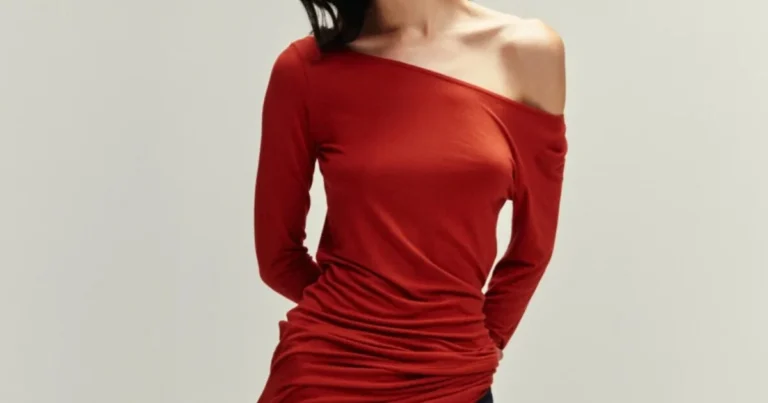
- Dresses: The Whimsy + Row Ryan Dress exemplifies a versatile, elegantly cut piece suitable for various office settings. Made with eco-friendly fabrics, it combines comfort with a refined silhouette. Lanius offers a Striped Midi Shirt Dress, blending classic design with GOTS-certified organic cotton, providing a breathable and chic option.
- Shirts and Blouses: Neem London’s Comfort Shirt, crafted from recycled Italian twill, showcases how innovative material use can elevate a wardrobe staple. Its relaxed yet structured fit is perfect for business casual.
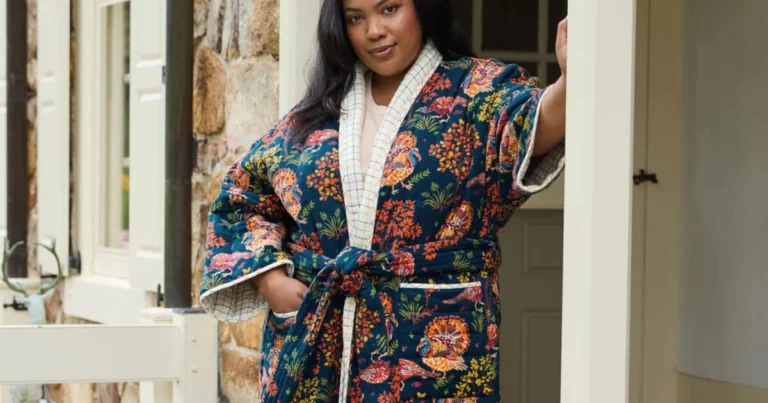
- Knitwear: For layering or cooler office environments, sustainable knitwear is essential. The Santicler Zoe Sweater, often made from high-quality, ethically sourced cashmere or recycled fibers, offers warmth and luxury. The Knotty Ones January Cardigan, frequently made from merino wool, provides a sophisticated and cozy layer. Komodo’s India Vest presents a unique layering piece, often made from organic cotton or hemp, adding texture and interest to an outfit.
- Blazers and Jackets: A well-fitting blazer is a cornerstone of professional attire. The Akyn Noor Blazer, often crafted from undyed or naturally dyed sustainable materials, provides a sharp, minimalist aesthetic. E.L.V. Denim’s Jamie Blazer demonstrates how recycled and upcycled materials can be transformed into high-fashion workwear, offering a unique, conscious choice. WILDA.ECO’s Personalisable Blazer and accompanying Trousers allow for custom tailoring with sustainable fabrics, ensuring a perfect fit and a cohesive professional look. Knowledge Cotton Apparel, available through Brothers We Stand, offers an Organic Linen Overshirt, a versatile piece that can be dressed up or down, perfect for a more relaxed office setting or layering.
- Trousers and Skirts: Artknit Studios’ Tailored Trousers with Pleats, often made from high-quality wool, combine classic tailoring with ethical production. These offer a sophisticated foundation for many office outfits. Alchemist’s Masey Vest, when paired with matching trousers or a skirt, can create a modern, elevated suit alternative.
Beyond Apparel: Sustainable Accessories for the Modern Professional
No professional ensemble is complete without thoughtfully chosen accessories. The move towards sustainability extends to shoes, bags, and essential tech accessories, with brands innovating to provide ethical and durable options.
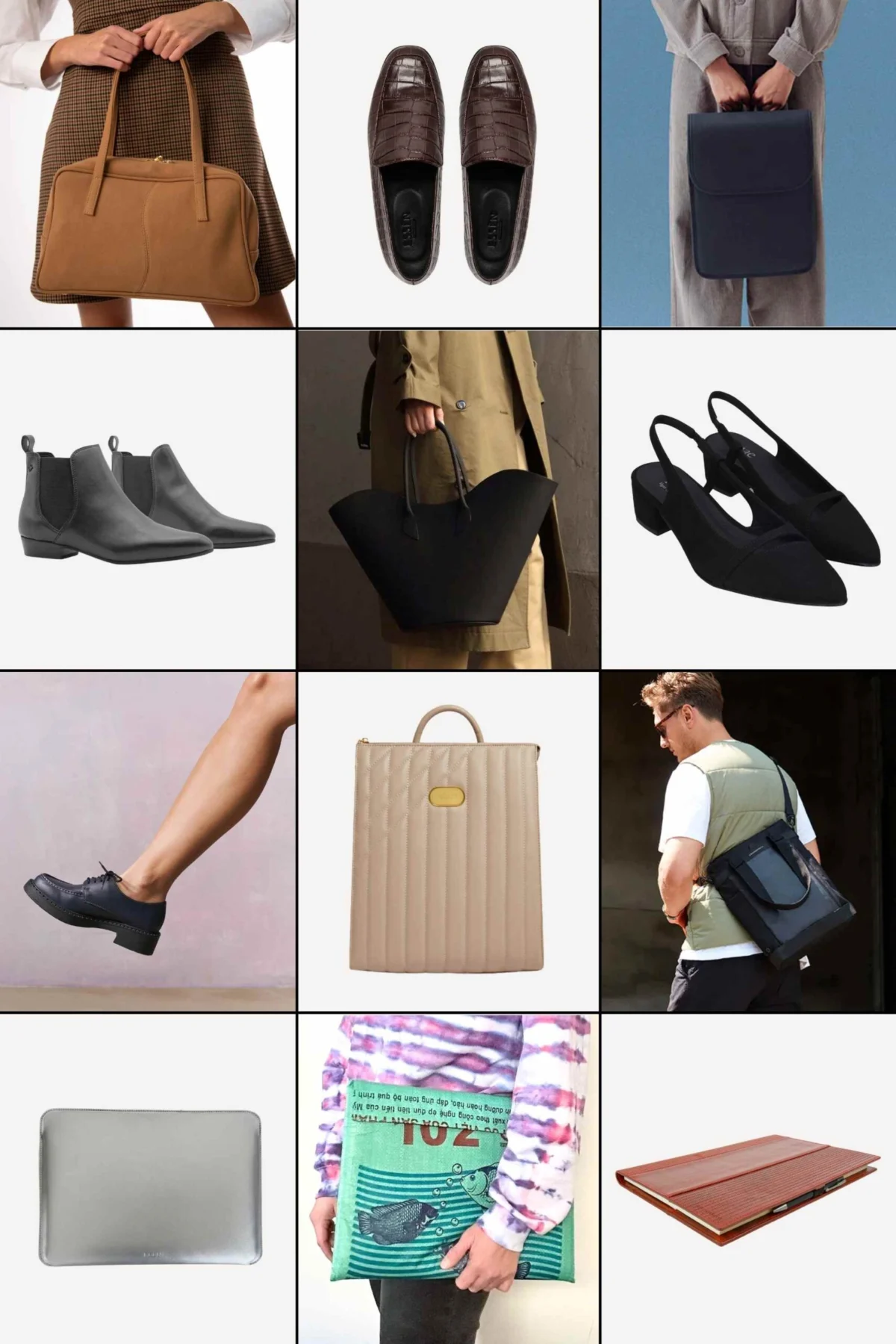
- Shoes: ESSEN’s Modern Moccasin Shoes offer timeless style with a commitment to responsible manufacturing and durable materials. Nae Vegan Slingback Shoes and Agazi Helen Vegan Loafers exemplify the growing demand for stylish, high-quality footwear free from animal products, often made from innovative plant-based leathers or recycled materials. COG Vegan Chelsea Boots provide a comfortable yet professional option, particularly for cooler climates.
- Bags: A professional bag needs to be functional and stylish. Mashu’s Artemis Bag combines sculptural design with vegan, often recycled, materials. ASK Scandinavia’s Willow Tote Bag offers a minimalist and spacious option, frequently made from recycled plastics or organic cotton. Ucon Acrobatics Adina Backpack and LaBante Danai Vegan Backpack provide ergonomic and stylish alternatives to traditional briefcases, often crafted from recycled PET or vegan leather.
- Laptop Accessories: Protecting essential tech gear sustainably is also a priority. Groundtruth’s Rikr Vegan Laptop Bag, BEEN London’s Orton Vegan Laptop Sleeve, and Torrain’s Padded Laptop Sleeve are made from recycled or innovative plant-based materials, offering durable and ethical protection for devices. For stationary, Elvis & Kresse’s Firehose Notebook creatively repurposes decommissioned fire hoses into unique, robust covers, representing a pinnacle of upcycling.
The Broader Impact and Future of Sustainable Workwear
The shift towards sustainable workwear is more than a trend; it represents a fundamental re-evaluation of consumption patterns within the professional sphere. The implications are far-reaching:
- Environmental Benefits: Reduced textile waste, lower carbon emissions, decreased water consumption, and minimized chemical pollution. The transition from fossil-fuel-derived synthetics to bio-based and recycled materials is critical in mitigating climate change and microplastic contamination.
- Economic Resilience: Investing in quality, durable garments translates to better cost-per-wear for consumers and supports brands committed to ethical production, fostering a more resilient and responsible fashion economy.
- Social Responsibility: Sustainable brands often prioritize fair labor practices, safe working conditions, and transparent supply chains, addressing critical social issues prevalent in the global fashion industry.
- Innovation and Design: The demand for sustainable materials is spurring innovation in textile science, leading to the development of new, high-performance fabrics that are both eco-friendly and aesthetically pleasing. Designers are increasingly integrating circular economy principles, designing for longevity, repair, and recyclability.
As of March 2026, the trajectory indicates that sustainable workwear will continue to gain momentum, driven by both consumer demand and increasing corporate responsibility. Companies are recognizing that aligning with sustainable practices enhances their brand image and attracts talent who value ethical considerations. Furthermore, potential regulatory frameworks globally are expected to push industries towards greater transparency and accountability in their supply chains.
Editorial Standards and Commitment to Ethical Sourcing
This article is curated by editors who prioritize highly rated brands, rigorously assessed by an independent ratings system. Purchases made through provided links may generate a commission, which directly supports the ongoing work of providing informed and ethical consumer guidance. The editorial mission is centered on transparency and empowerment, enabling readers to make choices that align with their values. The content is regularly updated, with the latest refresh on March 11, 2026, to ensure accuracy and reflect the most current brand ratings and industry developments. The feature image is courtesy of Whimsy + Row, with all other images supplied by the respective brands mentioned. Good On You remains a global leader in providing comprehensive ratings of fashion and beauty brands’ impact on people, the planet, and animals.