









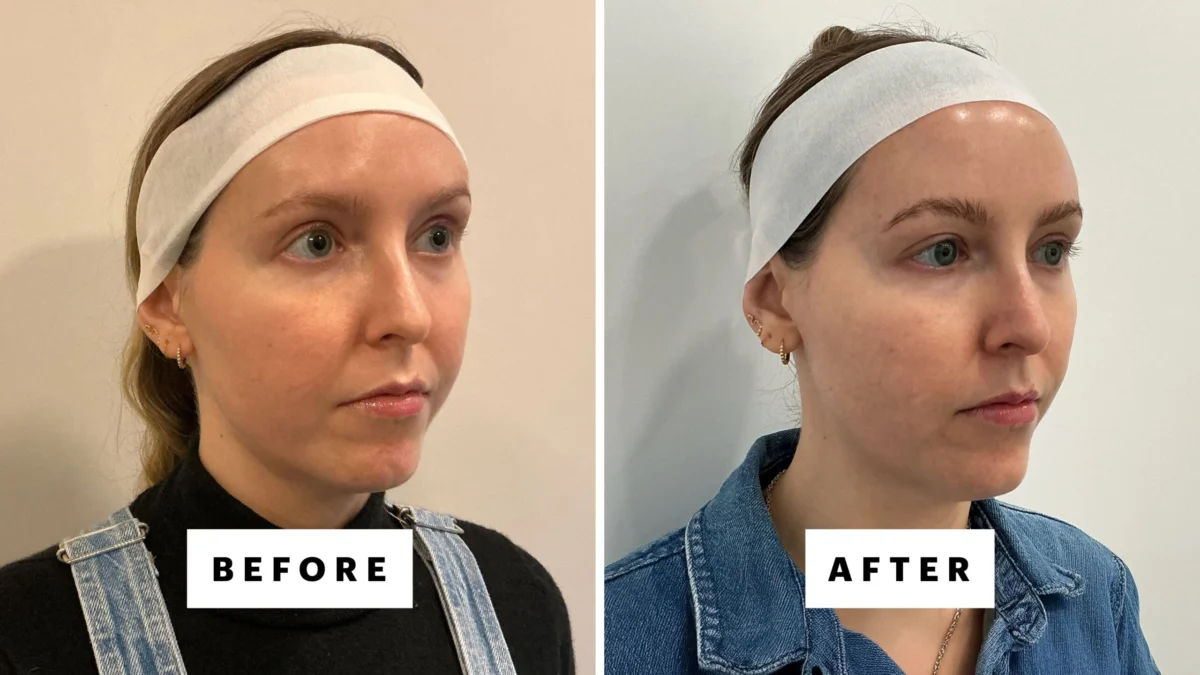
The landscape of non-invasive aesthetic treatments is constantly evolving, with new technologies emerging to address concerns about skin laxity and aging. One such innovation making waves in the beauty industry is XERF, a novel radiofrequency (RF) device that utilizes a unique dual-frequency approach for skin tightening and rejuvenation. This article delves into the intricacies of XERF, exploring its scientific underpinnings, clinical applications, and its place within the broader spectrum of dermatological procedures.
Understanding XERF: A Scientific Breakthrough in RF Energy Delivery
XERF, an acronym for eXperience Exponential RF, represents a significant advancement in monopolar radiofrequency technology. Developed by Cynosure Lutronic, a company with a strong portfolio of aesthetic devices including the Genesis and PicoSure Pro lasers, XERF made its initial debut in South Korea in 2024. Its subsequent FDA clearance in the United States in August of the same year marked a pivotal moment, making this advanced technology accessible to a wider patient population.
Unlike traditional RF devices that typically employ a single frequency, XERF distinguishes itself by utilizing two distinct frequencies simultaneously: 6.78 MHz and 2 MHz. This dual-frequency mechanism is central to its efficacy. As explained by Dr. Jenna Queller, a board-certified dermatologist based in Boca Raton, Florida, monopolar RF systems function by directing energy from a treatment tip into the deeper layers of the skin, with the energy then exiting through a grounding pad placed elsewhere on the body. This configuration allows for deeper heat penetration compared to other RF systems.
"What makes XERF unique and, honestly, quite interesting from a science standpoint, is that it uses dual frequencies—6.78 MHz and 2 MHz—to deliver energy at multiple depths of the skin simultaneously," Dr. Queller notes. This simultaneous delivery at varying depths is a key differentiator, as most other tightening devices operate on a single frequency, limiting their action to a single layer of skin at a time.
Dr. Shereene Idriss, a board-certified dermatologist in New York City, elaborates on the scientific principle: "It’s a refinement of existing radio-frequency technology in which they’re delivering radio-frequency energy from the surface of the skin using two frequencies intended to heat multiple tissue depths simultaneously." While acknowledging the innovation, Dr. Idriss also provides valuable context, stating, "this is not exactly a brand-new scientific breakthrough. Radio-frequency energy has been used for many, many years, if not decades at this point." Her cautious approach, however, reflects a common sentiment among practitioners who often prefer to observe a device’s performance and safety profile over an extended period before integrating it into their practice.
The dual frequencies in XERF serve distinct yet complementary roles. The 6.78 MHz frequency targets the more superficial layers of the skin, promoting immediate tightening. Concurrently, the 2 MHz frequency penetrates deeper into the subcutaneous layer, where collagen production is stimulated, leading to longer-term remodeling and lifting effects. This multi-depth approach is designed to address both fine lines and overall skin laxity.
The treatment itself is delivered via an oversized, flat tip that generates heat while simultaneously emitting a cooling gas. This combination aims to enhance patient comfort by minimizing the sensation of heat and eliminating the need for topical numbing agents or injections, a significant departure from some earlier RF technologies that could be quite uncomfortable. For instance, the author’s personal experience with RF microneedling devices like the Cutera Secret RF was notably painful, contrasting sharply with the reported comfort of XERF.
The XERF Treatment Process: A Seamless and Comfortable Experience
A key aspect that sets XERF apart is its non-invasive nature and the absence of mandatory numbing. This streamlines the patient experience, allowing for a more efficient visit. During a typical XERF session, a thick layer of conductor gel is applied to the skin. The device then delivers controlled radiofrequency energy. Dr. David Kim, a board-certified dermatologist in New York City, explains the monopolar system’s energy flow: "For monopolar devices, the handpiece releases the radio-frequency [energy], and it travels through your body and comes out through the grounding pad. You won’t feel it." This grounding pad, often perceived by patients as an unusual accessory, is crucial for the safe and effective dissipation of energy.
The sensation during treatment is generally described as a warm stone massage. While a mild heat is felt, it is typically not described as intensely hot, especially with the integrated cooling system. Patients can communicate any discomfort, allowing the practitioner to adjust settings or take brief pauses. A standard XERF treatment for the face involves approximately 600 pulses, with additional pulses for the neck if included. The entire procedure usually takes between 45 minutes to an hour.

The initial results of XERF can be observed shortly after treatment, characterized by a subtle tightening effect attributed to the immediate contraction of collagen fibers under the controlled heat. This immediate improvement, while temporary, offers patients an early glimpse of the treatment’s potential. However, the more significant and lasting results emerge over the subsequent weeks and months as the skin actively rebuilds new collagen and remodels existing elastin.
Ideal Candidates and Contraindications for XERF
XERF is designed to be a versatile treatment suitable for a broad range of skin types and tones. Dr. Kim affirms, "XERF is for any skin type or skin tone." This inclusivity is particularly important for individuals with conditions like melasma, where heat can sometimes be a trigger for hyperpigmentation. The device’s cooling mechanism helps mitigate this risk, making it a theoretically safe option for such patients.
The ideal candidate for XERF is typically someone experiencing mild to moderate skin laxity, slight jowling, or early signs of aging. Individuals who have undergone significant weight loss may also benefit from XERF as it can help address loose skin by stimulating collagen remodeling. However, as Dr. Idriss points out, the effectiveness in cases of rapid weight loss, particularly among users of GLP-1 medications, can be dependent on the patient’s underlying skin quality and the degree of fat loss. In cases of substantial volume loss and diminished collagen and elastin support, XERF might be best utilized in conjunction with other treatments like biostimulatory fillers (e.g., Sculptra, Radiesse) or hyaluronic acid fillers.
Conversely, XERF is not recommended for individuals with severe skin laxity, such as significant skin draping or deep folds, as surgical intervention may be a more appropriate solution. Patients with unrealistic expectations, who view the treatment as a substitute for a facelift, should also be carefully managed. Furthermore, individuals with very little subcutaneous tissue or a naturally bony facial structure may not be suitable candidates, as excessive heat in such cases could pose a risk of skin burning. A critical contraindication for XERF, and indeed all energy-emitting devices, is the presence of any implanted electronic medical devices, such as pacemakers.
Aftercare and Long-Term Management
Post-treatment care for XERF is relatively straightforward. Patients may experience mild redness, warmth, or slight swelling, which typically resolves within a few hours to a day. Following the treatment, applying a calming sheet mask with ingredients like hyaluronic acid and cica is often recommended to soothe the skin. Patients are advised to avoid excessive heat, use gentle skincare products, and apply sunscreen diligently for several days. Prescribing retinoids may be temporarily paused to minimize potential irritation.
The recommended treatment protocol typically involves two sessions spaced at least one month apart. Cynosure Lutronic’s studies suggest this frequency is optimal for triggering collagen remodeling and improving skin firmness within 30 days after the second treatment. However, some practitioners, like Dr. Kim, prefer longer intervals of three to six months between sessions to allow for more comprehensive collagen rebuilding, recommending no more than two treatments per year.
The longevity of XERF results is influenced by factors such as age and individual skin biology. Results are generally noticeable for three to four months after the first treatment and can extend to eight to ten months following the second session. As with most energy-based aesthetic procedures, XERF is best viewed as part of a long-term skin maintenance plan rather than a one-time fix.
XERF in the Competitive Landscape of RF Treatments
The aesthetic market currently offers a variety of RF skin-tightening devices, each with its unique approach. These include Thermage, which also utilizes monopolar RF; Exilis, which combines RF with ultrasound; and Morpheus8 and Secret Cutera, which integrate RF with microneedling.
Dr. Kim likens XERF to Thermage but with enhancements. While Thermage uses a single wavelength and frequency, XERF’s dual-frequency system allows for simultaneous treatment at superficial and deeper levels, offering both tightening and lifting effects. He also contrasts XERF with Ultherapy, an ultrasound-based treatment that penetrates deeper. While Ultherapy is a powerful option for tissue remodeling and often requires only a single treatment session, its associated discomfort can be a deterrent for some patients, even with numbing agents. Dr. Idriss, who utilizes Ultherapy in her practice, notes its efficiency and established track record.

Despite the existing array of treatments, XERF’s proprietary multifrequency technology positions it uniquely in the market. While direct head-to-head comparative studies with other RF devices are not yet widely available, the theoretical advantage of targeting multiple tissue depths simultaneously presents a compelling proposition for practitioners and patients alike.
The Role of Marketing and Consumer Awareness
The introduction of new technologies like XERF often coincides with significant marketing efforts, which can shape public perception. Dr. Idriss advises consumers to approach new devices with a critical eye, questioning the visibility of a product and whether it correlates with genuine clinical superiority or robust marketing budgets. She emphasizes that while XERF may represent an iteration of existing RF technology, its unique multifrequency approach warrants attention. Celebrity endorsements, while effective in generating buzz, should be viewed within the context of marketing strategies, and patients are encouraged to prioritize evidence-based efficacy and individual suitability.
Combining XERF with Other Treatments: A Synergistic Approach
XERF’s versatility extends to its compatibility with other aesthetic procedures. Dermatologists often view it as a foundational treatment that enhances structural support and skin firmness. It can be effectively combined with neuromodulators (like Botox) to address dynamic wrinkles, fillers or biostimulatory injectables to restore volume, and lasers or chemical peels to improve pigmentation and texture.
In some practices, a combined approach, such as "Xultherapy" (XERF and Ultherapy), is offered to target different areas of the face with specialized energy delivery. This strategy allows for a comprehensive collagen-banking approach, addressing laxity in various facial regions. Ultimately, the decision to combine treatments should be made in consultation with a qualified dermatologist, ensuring a personalized treatment plan tailored to individual needs and goals.
Cost and Patient Outcomes
The cost of XERF treatments can vary significantly based on geographic location, provider expertise, and the number of sessions required. The manufacturer suggests an average cost of approximately $2,000 for a series of two treatments. However, individual quotes can range higher, reflecting the premium nature of advanced technologies and their application in metropolitan areas.
Patient outcomes with XERF have generally been positive, with reported improvements in skin tightness and firmness. The immediate tightening effect post-treatment, followed by gradual collagen remodeling, provides a noticeable enhancement in facial contours. These results, while not permanent and requiring ongoing maintenance, offer a significant improvement for individuals seeking non-surgical rejuvenation. The financial commitment, however, can be a factor for some patients considering long-term treatment plans.
Conclusion
XERF emerges as a promising advancement in non-invasive skin tightening, leveraging a sophisticated dual-frequency radiofrequency technology to address multiple layers of the skin simultaneously. Its comfort, efficacy, and suitability for a wide range of skin types make it a compelling option for individuals seeking to combat the signs of aging. As with any aesthetic procedure, informed consultation with a board-certified dermatologist is paramount to determine individual candidacy and develop an optimal treatment strategy. The ongoing evolution of RF technology, exemplified by XERF, underscores the dynamic nature of dermatological innovation and its potential to deliver increasingly sophisticated and satisfying aesthetic results.