








Despite its iconic status and a century-long legacy, Barbour, the British heritage brand renowned for its waxed cotton jackets, has received a "Not Good Enough" rating from independent ethical fashion assessor Good On You. This evaluation, published in February 2025, casts a critical light on the brand’s environmental and social practices, raising questions for consumers seeking durable outerwear that aligns with contemporary sustainability values. The assessment highlights significant gaps in Barbour’s commitment to addressing critical issues such as textile waste, biodiversity protection, water usage, and ensuring fair wages within its extensive supply chain, prompting a broader conversation about transparency and accountability in the fashion industry.
A Heritage Brand Under Modern Scrutiny
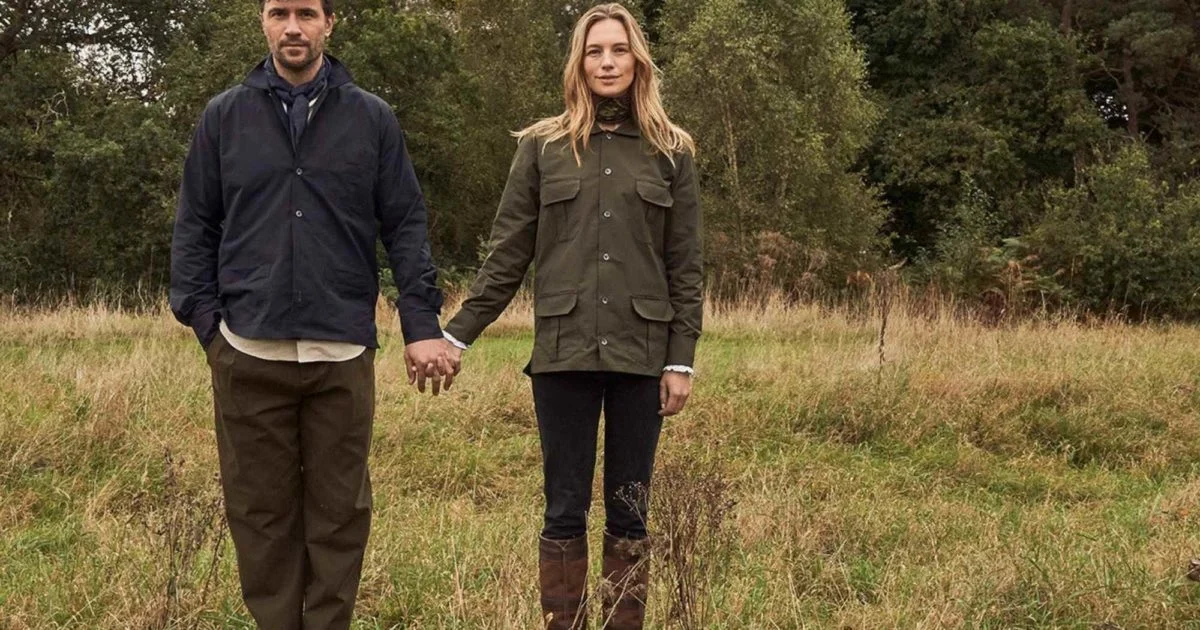
Founded by John Barbour in 1894, Barbour jackets have long been synonymous with British country life, rugged durability, and timeless style. Their signature waxed cotton outerwear, characterized by navy or green hues, corduroy-lined collars and cuffs, and waterproof properties, has graced figures from Queen Elizabeth II on her Scottish estates to Daniel Craig as James Bond and fashion icon Alexa Chung at Glastonbury. This enduring appeal has solidified Barbour’s position as a global fashion icon, further amplified by recent high-profile collaborations with contemporary labels such as GANNI (rated "It’s a Start" by Good On You) and Erdem (rated "We Avoid"). The brand’s popular repair programme, which sees thousands of jackets rewaxed annually, underscores a commitment to product longevity and a form of circularity, allowing garments to remain in use for decades. However, this aspect, while commendable, appears insufficient to elevate its overall sustainability standing in the face of increasingly rigorous industry standards and consumer expectations.
The Good On You Assessment: Unpacking the "Not Good Enough" Verdict
Good On You, an independent ratings system, evaluates fashion and beauty brands based on their impact across three key pillars: planet, people, and animals. Their editors curate highly-rated brands, with assessments underpinned by a rigorous methodology designed to provide consumers with transparent and actionable information. The "Not Good Enough" rating assigned to Barbour in February 2025 (and updated in February 2026 to reflect recent ratings) signals a significant shortfall in the brand’s comprehensive sustainability efforts.
A detailed breakdown of the assessment reveals several critical areas requiring urgent attention:
- Environmental Impact: Good On You analysts found no discernible evidence that Barbour is actively addressing textile waste within its supply chain. The fashion industry is a major contributor to global waste, with an estimated 92 million tonnes of textile waste generated annually, much of which ends up in landfills or is incinerated. Furthermore, the brand demonstrated no clear initiatives for protecting biodiversity in its supply chain, nor was there evidence of efforts to reduce water usage, a particular concern given the water-intensive nature of cotton cultivation and textile processing. While Barbour has made some incremental improvements since its 2022 rating, such as measuring certain greenhouse gas emissions and committing to targets approved by the Science-Based Targets initiative (SBTi), these steps are considered foundational rather than transformative. A commitment to SBTi is a positive development, indicating an intent to align with climate science, but concrete, transparent action and verifiable progress are still lacking.
- Labor Practices: A cornerstone of ethical fashion is the fair treatment of workers. Good On You’s assessment found no evidence that Barbour pays a living wage to workers across its supply chain. The absence of a living wage – a wage sufficient to afford a decent standard of living for the worker and their family – is a pervasive issue in the global garment industry, often associated with poverty, exploitation, and poor working conditions. Similarly, the lack of evidence regarding financial security provided to suppliers indicates a potential vulnerability within the supply chain, which can indirectly lead to pressure on wages and worker welfare.
- Animal Welfare: Barbour utilizes animal-derived materials, including leather, wool, and down. However, the rating revealed a concerning lack of traceability for these animal products to the first stage of production. This opacity makes it challenging to verify the ethical sourcing and welfare standards of the animals involved. The brand also lacked clear mechanisms for implementing its animal welfare policy, suggesting that stated commitments may not translate effectively into practice across its diverse supply chain.
Industry Context and the Imperative for Transparency
The scrutiny faced by Barbour is part of a broader trend within the fashion industry, where consumers, regulators, and advocacy groups are increasingly demanding greater transparency and accountability regarding environmental and social impacts. The rise of conscious consumerism means that product longevity and aesthetic appeal are no longer sufficient; shoppers are now actively seeking brands that demonstrate genuine commitment to ethical production, fair labor, and ecological preservation.
Globally, legislative initiatives are emerging to enforce greater supply chain due diligence, such as Germany’s Supply Chain Due Diligence Act and proposals under the European Union’s Green Deal. These frameworks aim to hold companies responsible for human rights and environmental impacts throughout their value chains. For a brand of Barbour’s stature, a "Not Good Enough" rating is not merely a label; it represents a significant reputational risk and a potential disconnect with a growing segment of its customer base that prioritizes ethical consumption.
The fashion industry’s environmental footprint is substantial: it accounts for an estimated 8-10% of global greenhouse gas emissions, more than international flights and maritime shipping combined. Water consumption is also immense, with cotton production alone often requiring thousands of liters of water for a single t-shirt. Chemical pollution from dyeing and finishing processes further exacerbates environmental damage. Against this backdrop, brands are expected to demonstrate comprehensive strategies for mitigation and improvement, moving beyond incremental changes to systemic transformations.
Barbour’s Response and Future Outlook
While Barbour has not issued a direct public statement specifically addressing the February 2025 Good On You rating, heritage brands typically emphasize their long-standing commitment to quality and durability as inherent sustainability traits. The existence of their repair programme is a strong indicator of this ethos, promoting product longevity as a counter to fast fashion’s disposability. The recent steps to measure greenhouse gas emissions and commit to SBTi targets also suggest an acknowledgment of environmental responsibilities. However, the Good On You assessment underscores that these efforts, while positive, are foundational and must be significantly expanded to cover the full spectrum of environmental and social impacts, particularly in areas like living wages, animal product traceability, and comprehensive waste reduction.
The implication for Barbour is clear: continued success in a rapidly evolving market will necessitate a more robust and transparent approach to sustainability. This includes investing in comprehensive supply chain mapping, implementing verifiable living wage programs, developing and enforcing stringent animal welfare standards with full traceability, and actively pursuing circular economy models beyond just repairs, such as incorporating recycled content and designing for recyclability.
Seeking Sustainable Alternatives to Barbour’s Countryside Aesthetic
For consumers who appreciate Barbour’s classic aesthetic – its weatherproof waxed cotton jackets, wellington boots, and country-inspired apparel – but are seeking brands with stronger ethical credentials, a growing number of sustainable alternatives offer similar styles without compromising on social and environmental responsibility. These brands demonstrate that durability, style, and ethical production can coexist.
Here are several exemplary brands that offer more sustainable choices for lasting outerwear, knitwear, and casual wear:
- ISTO. (Rated "Good"): This Portuguese brand focuses on creating timeless, season-transcending staples. Emphasizing quality over quantity, ISTO. maintains a single, permanently available collection. They utilize organic materials and are transparent about the true cost of their garments, empowering consumers with knowledge. The brand offers sizes XS-XL.
- Wuxly Movement (Rated "Good"): A Canadian outerwear brand, Wuxly Movement combines tech-based and recycled materials to create high-performance, vegan outerwear. Drawing on Canada’s manufacturing heritage, they innovate with responsible materials, consciously leaving animals out of the equation. Their range is available in 2XS-3XL.
- Amble Outdoors (Rated "Good"): Formerly Team Timbuktu, Amble Outdoors creates high-performance waterproof raincoats and sweat-wicking outdoor wear from recycled plastic bottles, all made in Australia. They offer an inclusive size range from XS-4XL.
- Outerknown (Rated "Good"): Founded by surf champion Kelly Slater, Outerknown blends style and function with a strong commitment to protecting natural resources. The brand is Bluesign certified, indicating rigorous environmental standards, and partners with the Fair Labour Association to ensure ethical labor practices. They use recycled, rather than virgin, polyester and offer sizes XS-2XL.
- Finisterre (Rated "Good"): Born from the demands of British surfers, Finisterre is a pioneering, sustainable outdoor brand deeply rooted in a love for the sea. They are known for exceptional, durable products designed for harsh weather, with a strong focus on environmental stewardship. Most items are available in sizes XS-2XL.
- Rapanui (Rated "Good"): This award-winning UK brand creates surf-inspired clothing in a wind-powered factory. Rapanui is committed to organic, fair trade, and vegan-friendly clothing, demonstrating a positive social and environmental impact. Their range includes surf towels, socks, and hoodies, available in UK sizes 8-18.
- Toad&Co (Rated "Good"): A US brand, Toad&Co operates with a socially and environmentally conscious approach. Their women’s and menswear is designed to be versatile, suitable for both outdoor adventures and casual settings, reflecting a blend of durability and comfort. Most items are available in sizes XS-2XL.
- Opera Campi (Rated "Good"): Founded in 2017, this Italian brand produces premium quality garments from locally-sourced raw materials. Opera Campi employs a balanced approach to sustainability throughout its supply chain and donates 4% of its profits to social causes. The brand offers inclusive sizing from 3XS-3XL.
- Patagonia (Rated "Good"): A well-known leader in ethical outdoor apparel, Patagonia lives and breathes the outdoors. They have "Good" labor practices, utilize recycled polyester, and are committed to reducing energy use and emissions. Patagonia actively champions environmental causes, often setting industry benchmarks. Their range stocks sizes 2XS-3XL, and they also support second-hand options.
- CARPASUS (Rated "Good"): A Swiss menswear brand specializing in fine shirts, ties, socks, and pocket squares. CARPASUS uses GOTS-certified organic cotton and manufactures locally to minimize its carbon footprint. They meticulously trace their supply chain and ensure workers are paid a living wage. Products are available in EU sizes 36-46.
- WAWWA (Rated "Good"): This UK brand is dedicated to creating organic, fair trade, and vegan-friendly clothing with a positive social impact. WAWWA uses lower-impact materials, including recycled content and non-toxic dyes, and reuses offcuts to minimize textile waste. Their range is available in sizes XS-2XL.
- BEDI (Rated "Good"): Canadian brand BEDI creates handmade bags, knits, and outerwear driven by a circular ethos. They carefully select lower-impact materials such as upcycled airline seat leather, recycled fish nets, vegan cactus leather, and sustainably grown cotton. Their slow fashion approach focuses on utility and longevity, designed to last generations. Sizes range from XS-XL.
- Sheep Inc (Rated "Good"): A knitwear brand focused on responsibly sourcing the finest merino wool. Sheep Inc’s founding principles revolve around "respect for nature and a shared belief in the power of innovation… harmony with the environment and animal welfare." They ensure high standards for animal welfare and environmental impact in their wool production. Most garments are available in XS-2XL.
- Neem (Rated "Good"): Hailing from the UK, Neem produces men’s clothing with a strong emphasis on a transparent supply chain and environmental protection. They focus on sustainable materials and practices to minimize their ecological footprint. Most items are available in sizes S-2XL.
- NIKIN (Rated "Good"): This Swiss brand uniquely combines fashion with reforestation, planting a tree for every product purchased. NIKIN allows consumers to "wear their morals" and demonstrate their commitment to environmental regeneration. Products are available in sizes XS-2XL.
- tentree (Rated "Good"): A Canadian brand that plants ten trees for every item purchased, significantly contributing to ecosystem regeneration and creating planting jobs globally, having already planted over 65 million trees. All tentree products are made with an Earth-first approach, ensuring fair and safe working conditions and using lower-impact and recycled materials. Clothes are typically available from XS-XL.
- Komodo (Rated "Good"): This UK brand prioritizes people and the planet in its menswear and womenswear collections. Komodo uses responsible materials, including GOTS-certified cotton and hemp, and ensures that most of its suppliers pay a living wage to their workers, setting a high standard for social responsibility. Most of the range is available in UK sizes 8-16.
The "Not Good Enough" rating for Barbour serves as a powerful reminder that even established heritage brands must evolve their practices to meet the escalating demands for sustainability and transparency. While their repair program champions product longevity, a holistic approach encompassing environmental stewardship, fair labor, and ethical animal sourcing is no longer optional but a fundamental expectation for brands operating in the 21st-century fashion landscape. For consumers, this presents both a challenge and an opportunity to support brands that are actively building a more responsible future for fashion.