











The increasing global movement towards conscious consumerism has brought the spotlight onto the fashion industry, prompting a critical re-evaluation of its environmental and social footprint. In response to this evolving landscape, Good On You, a prominent authority in ethical brand ratings, has recently highlighted a curated selection of highly-rated sustainable clothing brands from Spain and Portugal. This initiative underscores a significant shift in consumer preferences, particularly within the Iberian Peninsula, where local production and ethical practices are gaining substantial traction. The comprehensive assessment by Good On You identifies 18 brands achieving "Good" or "Great" ratings, signifying their commendable efforts in fostering positive impacts on people, the planet, and animals throughout their supply chains.
The fashion industry, historically a major contributor to environmental degradation and social inequities, is currently undergoing a profound transformation. Consumers are increasingly seeking transparency and accountability, moving away from the rapid consumption cycles of fast fashion towards more enduring and responsibly produced garments. This paradigm shift is not merely a niche trend but a growing global imperative, with market research indicating a consistent rise in demand for ethical fashion. A 2023 report by Grand View Research, for instance, projected the global sustainable fashion market size to reach USD 15.15 billion by 2030, growing at a compound annual growth rate (CAGR) of 12.1%. European markets, including Spain and Portugal, are at the forefront of this adoption, driven by heightened environmental awareness and a cultural appreciation for quality and craftsmanship.
Good On You’s role in this ecosystem is to empower consumers with verifiable information. Their rigorous ratings system provides a clear, concise, and accessible assessment of how fashion brands impact ethical considerations across three core dimensions: planet, people, and animals. This methodology stands as a bulwark against "greenwashing," a deceptive marketing practice where brands misleadingly portray themselves as environmentally friendly. By delving deep into supply chain practices, material sourcing, labor conditions, and animal welfare policies, Good On You offers an objective benchmark for sustainability. The continuous update of these ratings, as evidenced by the article’s last refresh on March 5, 2026, reflects the dynamic nature of sustainability efforts and the need for ongoing vigilance and reassessment.
The Pillars of Ethical Fashion: A Deeper Dive into Good On You’s Criteria
To earn a "Good" or "Great" rating, brands must demonstrate excellence across a spectrum of ethical indicators. Good On You’s framework is built upon three fundamental pillars:
-
People: This category scrutinizes a brand’s labor practices across its entire supply chain. Key factors include the existence and enforcement of policies against child labor and forced labor, ensuring safe working conditions, upholding workers’ rights to join unions, and crucially, the payment of a living wage. The absence of a living wage in many garment-producing regions perpetuates poverty, a critical issue that responsible brands actively address. Data from the Clean Clothes Campaign frequently highlights the vast disparity between minimum wages and actual living wages, making a brand’s commitment to fair compensation a significant differentiator.
-
Planet: Environmental stewardship is paramount. Brands are assessed on their resource and energy use, efforts to reduce carbon emissions, impact on waterways (including water consumption and pollution), and the safe handling and disposal of chemicals. This encompasses everything from the cultivation of raw materials (e.g., organic vs. conventional cotton), manufacturing processes (e.g., renewable energy use, closed-loop systems), and packaging strategies. The fashion industry is notoriously water-intensive and a significant emitter of greenhouse gases, making these considerations vital for mitigating climate change and ecological damage. For instance, the Ellen MacArthur Foundation reports that the fashion industry accounts for 10% of global carbon emissions and is the second-largest consumer of the world’s water supply.
-
Animals: This pillar evaluates a brand’s use of animal-derived products. Ideally, a highly-rated brand minimizes or entirely avoids materials such as wool, leather, fur, angora, down feathers, shearling, karakul, and exotic animal skins and hair. The ultimate goal for many ethical consumers is to support 100% vegan fashion brands, which offer innovative alternatives to traditional animal products, thereby protecting animal welfare and often reducing the environmental footprint associated with animal agriculture. The rise of vegan leathers from pineapple leaves, mushrooms, or recycled plastics exemplifies this innovation.
The Iberian Peninsula: A Hub for Conscious Craftsmanship
Spain and Portugal, with their rich textile heritage and proximity to European markets, are increasingly becoming vital players in the sustainable fashion movement. The emphasis on local production, a characteristic feature of many Iberian brands, offers several advantages. It often translates to shorter supply chains, reducing transportation-related carbon emissions and fostering greater transparency regarding labor practices. Moreover, supporting local communities strengthens regional economies and preserves traditional craftsmanship, which can be overshadowed by globalized mass production. This regional focus resonates with a growing segment of consumers who prioritize supporting businesses closer to home, recognizing the tangible benefits for both people and the planet.
Spotlight on Leading Portuguese Brands
Portugal has emerged as a dynamic center for sustainable innovation, blending traditional textile expertise with modern ethical practices. The brands featured by Good On You exemplify this forward-thinking approach:
-
Näz: This Portuguese brand stands out for its commitment to timeless womenswear crafted from lower-impact materials. Näz prioritizes durability and classic design, encouraging consumers to invest in pieces that transcend seasonal trends. By focusing on longevity, the brand implicitly challenges the disposable nature of fast fashion. Their use of materials that have a reduced environmental footprint, such as organic cotton or recycled fibers, further solidifies their ethical stance, minimizing the ecological impact from raw material to finished garment. Available in sizes S-L, Näz aims to make sustainable style accessible.
-
Organique: A Portuguese athleisure brand, Organique caters to the contemporary woman seeking both style and sustainability. Entirely produced in a high-end local atelier, Organique champions slow fashion principles by designing for durability and timeless appeal. Their commitment extends to material sourcing, utilizing high-quality organic materials and lower-impact fabrics like organic cotton and TENCEL Lyocell. Crucially, Organique is 100% vegan, ensuring no animal products are used in their production—a significant draw for ethically-minded consumers. The brand’s range, available in sizes S-L, offers comfortable yet chic options for an active lifestyle.
-
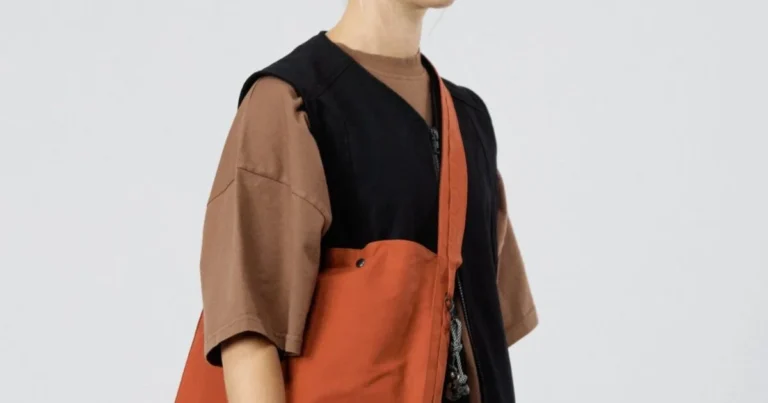
ISTO.: With a straightforward mandate, Portuguese brand ISTO. focuses on creating foundational wardrobe pieces designed to transcend seasons. They adopt a "quality over quantity" philosophy, aiming to make their meticulously crafted items permanently available rather than succumbing to fleeting trends. ISTO. is transparent about its use of organic materials and provides consumers with a clear breakdown of the true cost behind each garment, fostering trust and informed purchasing decisions. This radical transparency is a hallmark of ethical brands, allowing consumers to understand the value chain. The range is available in XS-XL, catering to a broad customer base.
-
ColieCo: Specializing in lingerie, underwear, and swimwear, ColieCo is a Portuguese brand that emphasizes a handmade-to-order process. This approach significantly reduces waste associated with overproduction and allows for meticulous craftsmanship. Every garment is manufactured exclusively using lower-impact and responsibly sourced fabrics, ensuring both comfort and ethical integrity. By crafting pieces on demand, ColieCo avoids deadstock and promotes a more resource-efficient production model. Their extensive size range, from 2XS-3XL, highlights an inclusive approach to sustainable fashion.
-
Conscious the label: Challenging the notion that ethical fashion lacks trendiness, Conscious the label delivers stylish swimwear with a strong commitment to sustainability. Each piece is cut and sewn by hand in their Lisbon atelier, ensuring high quality and ethical production standards. The brand consciously limits its models based on fabric availability, promoting resourcefulness and minimizing waste. A notable aspect of Conscious the label is its use of 78% recycled plastic from ocean waste, actively addressing marine pollution. Coupled with sustainable packaging, the brand sets a high bar for responsible swimwear. Most swimwear is available in sizes S-XL.
Spanish Innovators in Sustainable Apparel
Spain’s contribution to sustainable fashion is equally impressive, with a diverse array of brands demonstrating innovation and commitment across various product categories.
-
TWOTHIRDS: This Spanish brand caters to individuals who appreciate the immense value of oceans and seek style with substance. TWOTHIRDS’ core philosophy revolves around local manufacturing, significantly reducing their carbon footprint by minimizing transportation. They also conduct audits at the final stage of production, ensuring adherence to their ethical standards. Their dedication to protecting marine environments is deeply integrated into their brand identity, appealing to eco-conscious consumers passionate about ocean conservation. The clothing range is available in sizes XS-L.
-
COSSAC: Advocating for a minimalistic capsule wardrobe, COSSAC, a Spanish brand, creates timeless, feminine, and versatile apparel. Their focus on contemporary classics encourages consumers to cherish and wear pieces beyond fleeting seasonal trends, directly counteracting the fast fashion cycle. COSSAC exclusively uses organic or lower-impact materials and works with small factories on limited production runs, effectively minimizing waste and preventing deadstock—a common issue in the conventional fashion industry. Most of their range is available in sizes S-L, promoting a streamlined and sustainable approach to dressing.
-
SKFK: A Spanish brand, SKFK offers women’s clothing collections characterized by a timeless, comfortable, and functional style. Their commitment to ethical sourcing is evident in their use of GOTS (Global Organic Textile Standard) and Fairtrade certified cotton, ensuring both organic integrity and fair labor practices for farmers. SKFK also implements a robust Code of Conduct that aligns with the ILO (International Labour Organization) Four Fundamental Freedoms principles, further guaranteeing ethical treatment of workers. Crucially, they strive to ensure the payment of a living wage across most of their supply chain, a significant achievement in the industry. Most items are available in sizes XS-2XL.
-
Ecoology: Born in Barcelona, Ecoology is a sustainable fashion label dedicated to conscious individuals. The brand creates fashion using certified organic fabrics, natural fibers, and recycled materials. This multifaceted approach to material sourcing highlights their commitment to reducing environmental impact at various stages of production. By integrating organic and recycled content, Ecoology minimizes reliance on virgin resources and harmful chemicals, offering a healthier choice for both consumers and the planet. The collection is available in sizes XS to L.
-
Lefrik: Spanish brand Lefrik specializes in urban bags, backpacks, and travel essentials. Founded in 2012, Lefrik addresses the modern traveler’s needs by providing fashionable and functional accessories made from high-quality, lower-impact fabrics derived from recycled plastic PET bottles. This innovative use of recycled materials directly diverts plastic waste from landfills and oceans, transforming it into durable and stylish products. Lefrik’s commitment to circularity in material use positions it as a leader in sustainable accessory design.
-
Vesica Piscis: As a vegan footwear brand based in Spain, Vesica Piscis demonstrates a strong commitment to animal welfare and environmental responsibility. The brand utilizes a high proportion of lower-impact materials in its footwear production, reducing its overall ecological footprint. Furthermore, Vesica Piscis incorporates renewable energy sources in its manufacturing processes, minimizing its reliance on fossil fuels. Their made-to-order model is a key sustainability strategy, effectively reducing waste by producing only what is needed. Most shoes are available in sizes 36-46, offering a wide range for vegan footwear enthusiasts.
-
amt.: The Spanish clothing brand amt. studio distinguishes itself through its dedication to local production and the incorporation of recycled materials. By manufacturing locally, amt. supports regional economies and reduces the environmental impact associated with global shipping. Their emphasis on recycled materials further contributes to a circular economy, transforming waste into valuable resources. This dual focus on localized, resource-efficient production positions amt. as a responsible choice for consumers seeking ethically made apparel. Most items are available in sizes XS-L.
-
Flamingos’ Life: This brand creates vegan sneakers for everyone, entirely free from animal-derived materials. Flamingos’ Life uses lower-impact and PETA-approved vegan materials, including innovative upcycled components. Their commitment extends beyond avoiding animal products to actively seeking out sustainable alternatives that minimize environmental harm. By offering stylish and ethical footwear, Flamingos’ Life appeals to a broad audience looking for cruelty-free and eco-conscious options. The range is available in sizes 36-46.
Implications for Consumers and the Future of Fashion
The aggregation and dissemination of information by platforms like Good On You carry significant implications. For consumers, it offers an unprecedented level of transparency, transforming the act of shopping into an informed decision-making process. No longer confined to generic labels or vague claims, shoppers can now assess a brand’s true ethical performance before purchase. This empowerment is vital in driving market demand towards more sustainable options, creating a virtuous cycle where consumer choices reward responsible businesses.
For the fashion industry, such ratings serve as both a challenge and an opportunity. They exert pressure on conventional brands to re-evaluate their practices and invest in more ethical and sustainable models. Concurrently, they provide a platform for pioneering brands, particularly smaller and independent labels, to gain recognition and market share based on their genuine commitment to sustainability. This shift is fostering innovation in material science, production techniques, and business models, moving towards a more circular and equitable industry.
The emergence of Spain and Portugal as significant players in sustainable fashion highlights a broader trend: the decentralization of ethical production and the resurgence of regional craftsmanship. As global supply chains face increasing scrutiny and vulnerabilities, the appeal of local and transparent production models will only grow. The brands featured by Good On You represent not just individual successes but a collective movement towards a fashion industry that prioritishes the well-being of people, the health of the planet, and the dignity of animals. Their continued growth and influence will be instrumental in shaping a more responsible and resilient future for fashion, both in the Iberian Peninsula and across the globe.
Editorial Note: Our editors curate highly rated brands that are first assessed by our rigorous ratings system. Buying through our links may earn us a commission—supporting the work we do. Learn more about our editorial mission at goodonyou.eco/our-editorial-mission/. Feature image via ISTO., all other images via brands mentioned. Good On You publishes the world’s most comprehensive ratings of fashion brands’ impact on people, the planet, and animals. Use our directory to search thousands of rated brands. We updated this article on 5 March 2026. Our editors frequently make updates to articles to ensure they’re up to date. We refreshed our product round-up to ensure it reflects brands with recent ratings.