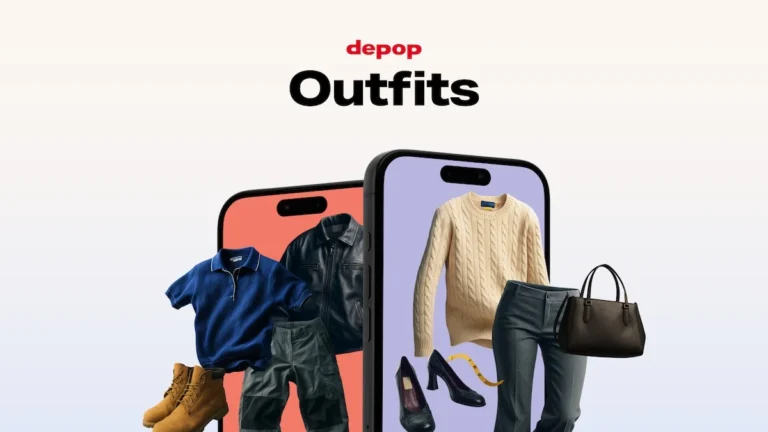











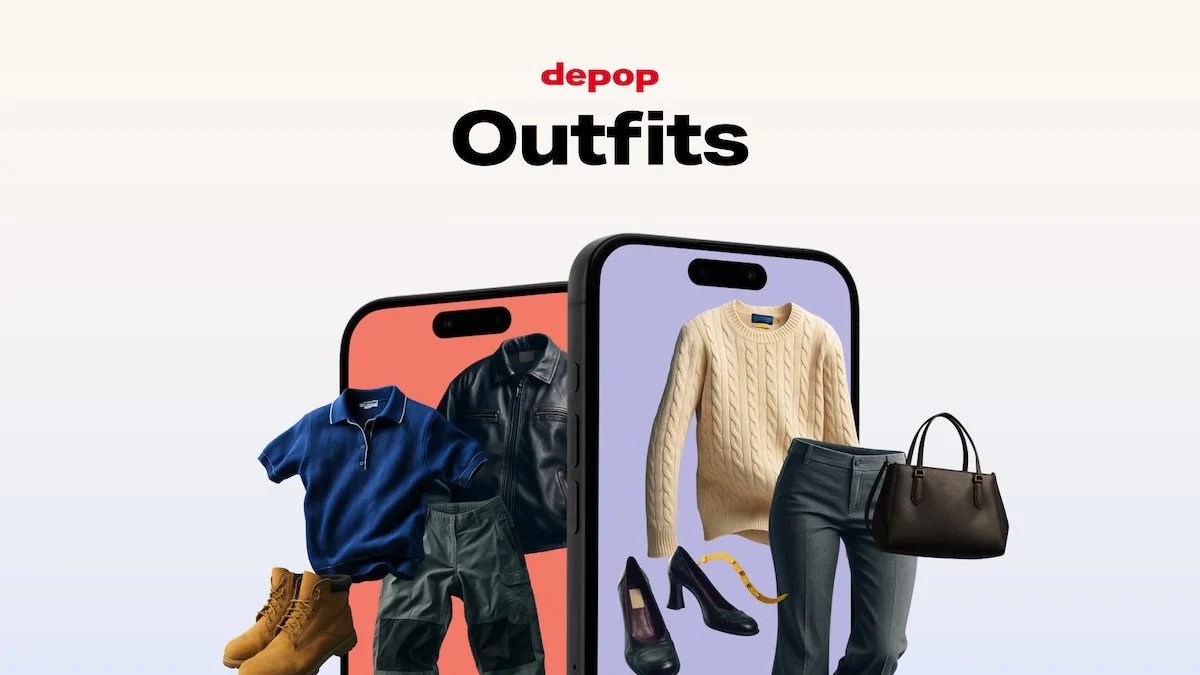
Depop, the prominent fashion resale platform, officially introduced a specialized styling and collaging tool on Wednesday, marking a significant evolution in its interface to cater to the creative preferences of its core demographic. The feature, titled "Outfits," is a dedicated mood-board-style interface that allows users to curate, design, and share fashion collages directly within the application. This strategic move aims to bridge the gap between creative expression and digital commerce, providing a space where users can visualize complete looks before committing to a purchase.
The functionality of the Outfits tool is designed for ease of use while offering high levels of customization. Users can initiate the creation process by selecting a specific garment or accessory they wish to style and clicking a newly integrated "scissors" icon located on the right side of the screen. This action activates a suite of editing options, including the ability to remove backgrounds, adjust image sizing, and reposition items to create a cohesive aesthetic. To assist those seeking structural inspiration, Depop has included a variety of pre-designed templates that serve as layout guides.
Beyond the creative aspect, the tool is fully integrated with Depop’s e-commerce backend. Every item featured within a collage is shoppable. In instances where a specific item in a saved outfit has been sold, the app’s algorithm automatically generates suggestions for similar alternatives, ensuring that the visual inspiration remains actionable for potential buyers. This integration transforms a static creative exercise into a dynamic sales funnel, encouraging increased engagement and transaction frequency.
The Strategic Shift Toward Social Commerce and Visual Curation
The launch of Outfits represents Depop’s latest effort to solidify its standing as a leader in social commerce. By allowing sellers to present their inventory within the context of a styled look, the platform provides a more compelling value proposition than traditional flat-lay photography. For sellers, the tool serves as a marketing asset, enabling them to demonstrate the versatility of their listings. For buyers, it offers a curated shopping experience that mirrors the editorial feel of high-fashion magazines or digital mood boards.
This feature is particularly resonant with Generation Z, a demographic that accounts for the vast majority of Depop’s user base. Market research indicates that younger consumers increasingly favor "shoppertainment"—a blend of entertainment, social interaction, and retail. The rise of aesthetic-driven platforms like Pinterest and the defunct styling app Polyvore has proven that there is a substantial appetite for digital collaging. By internalizing this functionality, Depop reduces the need for users to exit the app to create content for other platforms, thereby increasing "stickiness" and user retention.
The move also follows a broader industry trend where visual discovery leads the retail journey. Pinterest, a pioneer in this space, launched its own standalone collage app, Shuffles, in 2022. Due to its viral success on TikTok and high adoption rates among Gen Z, Pinterest eventually integrated Shuffles’ core technology into its primary platform. Depop’s Outfits tool functions as a direct response to this trend, positioning the resale app not just as a marketplace, but as a primary source of fashion inspiration.
A Chronology of Depop’s Evolution and Market Positioning
To understand the significance of the Outfits tool, it is essential to view it within the context of Depop’s growth trajectory. Founded in 2011 by Simon Beckerman, Depop began as a social network for readers of PIG magazine to buy items featured in the publication. It quickly morphed into a global marketplace, blending the social features of Instagram with the e-commerce capabilities of eBay.
In June 2021, the global e-commerce giant Etsy acquired Depop for $1.62 billion, recognizing the platform’s unique hold on the youth market. Since the acquisition, Depop has focused on scaling its operations and refining its user experience. In 2024, the company made headlines by eliminating seller fees in certain regions to stimulate inventory growth, replacing them with a buyer marketplace fee. This shift was designed to lower the barrier to entry for casual sellers, a move that appears to be yielding results in the company’s recent financial reports.
The introduction of Outfits in late 2025 is a logical progression in this timeline. Having addressed the financial structure of the marketplace, Depop is now focusing on the qualitative aspects of the user experience. By providing professional-grade styling tools to the average user, the platform is democratizing fashion editorialization, allowing every user to act as a stylist or creative director.
Financial Performance and Competitive Landscape
The launch of the Outfits tool comes at a time of robust financial health for the platform. According to parent company Etsy’s Q2 2025 earnings report, Depop’s Gross Merchandise Sales (GMS) saw a substantial increase of 34.7% year-over-year on a currency-neutral basis. This trajectory suggests that Depop is approaching a $1 billion GMS run rate, a milestone that underscores its dominance in the competitive resale sector.

When compared to its peers, Depop’s growth is particularly noteworthy. Mercari, a significant competitor in the Japanese and U.S. markets, reported a Gross Merchandise Value (GMV) of approximately $728 million for the fourth quarter of 2024. While Mercari focuses on a broad range of household goods, Depop’s hyper-focus on fashion and subculture aesthetics has allowed it to maintain higher engagement levels within its specific niche.
Other competitors, such as Vinted and Poshmark, continue to vie for market share in the circular economy. Vinted has seen success in Europe by focusing on low-cost shipping and zero seller fees, while Poshmark has leaned into "Live" shopping events. Depop’s strategy differs by prioritizing the "social" in social commerce, betting that visual tools like Outfits will foster a community of creators who drive sales through curated content rather than just price competition.
Technical Implications and Cross-Platform Integration
One of the most strategic elements of the Outfits feature is its built-in compatibility with other social media giants. Depop allows users to export their curated outfits as static images optimized for sharing on Pinterest and Instagram. This creates a powerful organic marketing loop: a user creates an outfit on Depop, shares it to their Instagram Story or Pinterest board, and provides a direct pathway for their followers to return to the Depop app to purchase the items.
Technically, the tool utilizes advanced image processing to allow for the seamless "cutting" of items from their original listing photos. This reflects an investment in AI-driven image recognition and background removal technology, which has become a standard requirement for modern fashion apps. By automating what used to be a tedious manual editing process, Depop has lowered the effort required for users to generate high-quality marketing content for their own shops.
Broader Impact on the Circular Economy
The launch of styling tools also carries implications for the broader circular economy. One of the primary barriers to purchasing second-hand clothing is the difficulty of visualizing how a vintage or pre-owned item will fit into a modern wardrobe. By providing a tool that facilitates "outfit building," Depop is helping to overcome this psychological barrier.
When users can see how a 1990s vintage blazer can be paired with modern denim and contemporary accessories, the perceived value of the second-hand item increases. This educational aspect of the tool promotes sustainable consumption by encouraging users to shop their own "likes" and see the potential in existing garments rather than turning to fast-fashion retailers for pre-styled looks.
Furthermore, the "similar alternatives" feature plays a crucial role in sustainability. By keeping users within the second-hand ecosystem even when a primary choice is unavailable, Depop reduces the likelihood of a consumer turning to a primary market retailer to fulfill a specific fashion need.
Industry Outlook and Future Projections
Industry analysts view the launch of Outfits as a defensive and offensive maneuver. Defensively, it protects Depop from losing user engagement to platforms like Pinterest or specialized styling apps. Offensively, it sets a new standard for what a resale platform should offer in terms of creative utility.
As the resale market is projected to reach $350 billion globally by 2028, the battle for market share will be won by platforms that can offer the most comprehensive ecosystem. Depop’s integration of social networking, creative tools, and a high-liquidity marketplace positions it as a formidable player in this space.
Looking forward, it is likely that Depop will continue to iterate on the Outfits feature. Potential future updates could include AI-powered styling assistants that suggest items based on a user’s browsing history or "virtual try-on" capabilities that use augmented reality to overlay collaged outfits onto a user’s silhouette. For now, the Outfits tool serves as a clear signal of Depop’s commitment to its "creative-first" philosophy, ensuring that the platform remains the digital home for the next generation of fashion icons.