







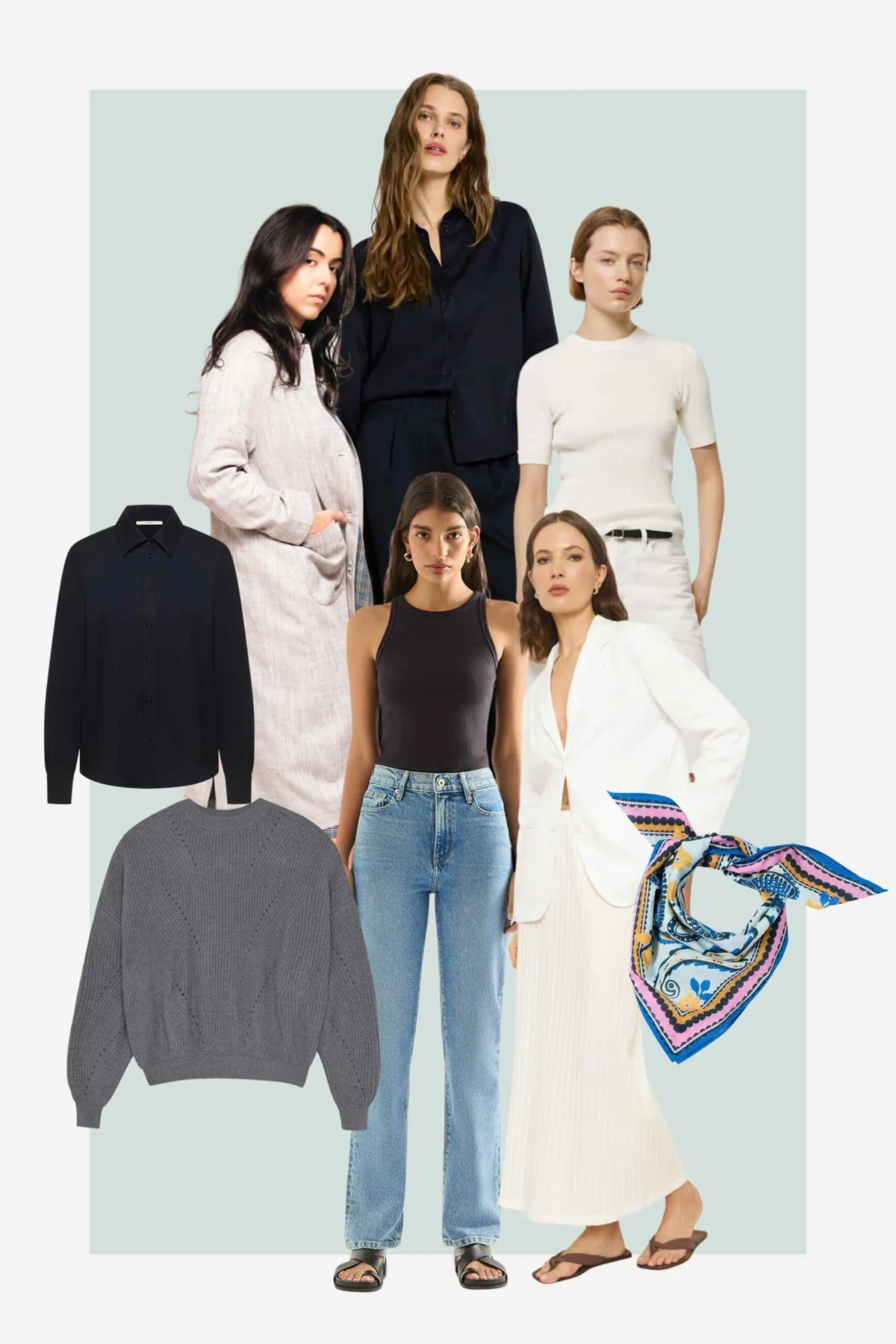
Melbourne, Australia – In a significant move to empower consumers seeking to align their professional attire with their ethical values, Good On You, the leading authority in fashion and beauty sustainability ratings, has released its latest "Team Picks." This month’s feature, a sponsored article, showcases the personal selections and expert advice of co-founders Sandra Capponi and Gordon Renouf, offering a meticulously curated guide to developing a capsule workwear wardrobe from brands independently assessed as "Good" or "Great" by the organisation’s rigorous rating system. This initiative underscores Good On You’s unwavering commitment to transparency and informed consumer choice, a mission they have championed for over a decade.
A Decade of Driving Change: Good On You’s Genesis and Mission
Good On You was co-founded by Sandra Capponi and Gordon Renouf with a singular vision: to simplify the complexities of ethical consumerism in the fashion and beauty industries. Established over ten years ago, the organisation emerged from a growing global awareness of the environmental and social impacts of fast fashion. Its inception coincided with a period when consumers, increasingly discerning, began demanding greater transparency from brands regarding their supply chains, labor practices, and environmental footprint.
Over the past decade, Capponi and Renouf have become prominent figures in the sustainable fashion movement. Their work has involved countless engagements with stakeholders across the industry, from fostering relationships with emerging ethical brands to advocating for robust consumer rights that ensure access to comprehensive information about brand impact. This extensive experience has equipped them with an unparalleled understanding of what constitutes genuine sustainability in fashion, distinguishing meaningful initiatives from mere marketing rhetoric. Their rigorous rating methodology, developed by a diverse team of experts, aggregates transparent data on over 6,000 fashion and hundreds of beauty brands, assessing their impact on people, the planet, and animals. Brands are evaluated on a simple five-point scale, with only those achieving "Good" or "Great" ratings qualifying for features and recommendations, thereby ensuring consumers can trust the integrity of the advice provided.
The Rising Tide of Conscious Consumption in Professional Attire
The demand for sustainable fashion is not merely a niche trend but a significant market shift. Recent reports indicate a consistent upward trajectory in consumer preference for ethical and environmentally friendly products. A 2023 study by the Fashion Retail Academy, for instance, revealed that over 60% of consumers aged 18-35 consider a brand’s sustainability credentials when making purchasing decisions, a figure that continues to rise across all demographics. This growing consciousness extends directly to professional wardrobes, where individuals seek attire that not only projects competence but also reflects their personal values.
However, navigating the landscape of sustainable workwear presents unique challenges. The professional environment often necessitates specific standards of formality, durability, and versatility. Furthermore, the pervasive issue of "greenwashing"—where brands misleadingly promote themselves as sustainable—complicates genuine efforts to make ethical choices. Good On You positions itself as a critical antidote to this confusion, providing clear, data-backed recommendations that empower consumers to build wardrobes that are both professional and principled. The "buy less, buy better" philosophy championed by Good On You is particularly pertinent to workwear, encouraging investment in high-quality, durable pieces that withstand the rigors of professional life and transcend fleeting trends.
The Co-Founders’ Approach to Sustainable Workwear
For this month’s "Team Picks," Sandra Capponi and Gordon Renouf opened their personal wardrobes, sharing insights gleaned from years of professional engagement and personal commitment to sustainable living. Their selections are not theoretical recommendations but rather items from 16 brands they have personally invested in and genuinely endorse. This direct personal experience adds a layer of authenticity and trustworthiness to their advice, demonstrating that sustainable style is not only achievable but also practical for demanding professional lives.
The co-founders’ approach to workwear encapsulates several key principles of sustainable fashion:
- Investment in Quality and Longevity: Prioritising durable materials and construction to extend the lifespan of garments, reducing the need for frequent replacements.
- Versatility and Mix-and-Match Potential: Opting for pieces that can be styled in multiple ways, creating a functional capsule wardrobe that maximises utility.
- Conscious Material Choices: Selecting lower-impact fibres such as organic cotton, TENCEL™ Lyocell, RWS wool, linen, and recycled materials, chosen for their reduced environmental footprint.
- Support for Ethical Production: Choosing brands that demonstrate transparent and responsible practices regarding labor rights and environmental stewardship.
These principles form the bedrock of their recommendations, offering a blueprint for consumers looking to curate a workwear collection that is both impactful and enduring.
Sandra Capponi’s Curated Professional Aesthetic: Minimalist Comfort with Conscience
Sandra Capponi, working primarily remotely, articulates a wardrobe philosophy centered on "minimalist comfort with a touch of luxury." Her selections reflect a preference for understated elegance, focusing on quality fabrics and subtle detailing that elevate everyday pieces. Her palette leans towards versatile neutral hues, predominantly black, a nod to her Melbourne residence where such sophisticated simplicity is a cultural norm.
Capponi’s choices exemplify the "buy better" aspect of sustainable fashion. She invests in lower-impact fibres known for their durability and reduced environmental footprint.
- Outland Denim Zoe Straight Jeans: For over a decade, Capponi has trusted Australian label Outland Denim. Her choice of the Zoe Straight Jeans highlights a brand renowned not just for its premium quality denim but also for its profound commitment to ethical manufacturing. Outland Denim offers fair wages, safe working conditions, and skills training for vulnerable women in Cambodia, embodying a powerful social impact model alongside its environmental efforts. The use of organic cotton in their denim further reduces water consumption and pesticide use compared to conventional cotton.
- Artknit Studios Organic Cotton Ribbed Tee: This selection underscores the versatility of high-quality basics. Artknit Studios, an Italian brand, is celebrated for its commitment to transparent, ethical production and the use of natural, certified fibres. An organic cotton ribbed tee serves as a foundational piece, easily dressed up or down, reflecting both comfort and a conscious choice for a material free from harmful chemicals.
- amt studio Suave Jersey Sweater: From amt.studio, a brand often discovered by Capponi during her European travels, this sweater showcases a blend of comfort and subtle luxury. Brands like amt.studio focus on timeless designs and quality materials, ensuring garments have a long life cycle, reducing the impulse for fast fashion consumption. The "Suave Jersey" likely implies a soft, premium blend, aligning with her preference for luxurious fabrics.
- Lanius TENCEL™ Shirt: A classic shirt is a cornerstone of any versatile wardrobe, and Capponi’s choice of a Lanius TENCEL™ shirt emphasizes the importance of innovative, sustainable materials. TENCEL™ Lyocell, derived from sustainably sourced wood pulp, is known for its exceptional softness, breathability, and eco-friendly closed-loop production process that recycles water and solvents. Lanius, a German brand, is widely recognized for its high ethical and environmental standards, often incorporating GOTS-certified organic cotton and RWS wool.
- Whimsy + Row Jada Skirt: For injecting a touch of playfulness into her minimalist aesthetic, Capponi turns to LA-based Whimsy + Row. Their Jada Skirt in cream likely made from sustainable materials such as TENCEL™ or organic cotton, aligns with her values while offering a chic, contemporary silhouette. Whimsy + Row is lauded for its small-batch production, local manufacturing, and use of deadstock fabrics or eco-friendly materials, minimizing waste and supporting local economies.
- FRSKE Oko Duster Coat: A timeless duster, like the Oko Duster Coat from FRSKÝ, serves as a versatile outerwear piece that can instantly elevate an outfit. Duster coats, often made from natural fibres, offer a sophisticated layer without compromising on comfort. FRSKÝ’s focus on sustainable materials and craftsmanship would resonate with Capponi’s investment-piece philosophy.
- Lanius Printed Scarf: Completing her look with a pop of colour or warmth, Capponi references her mother’s vintage scarf collection – a prime example of circular fashion. However, for new purchases, a Lanius printed scarf, likely made from GOTS-certified organic cotton, provides a sustainable alternative, offering a blend of artistic design and responsible sourcing.
Gordon Renouf’s Practical and Purposeful Menswear Selections
Gordon Renouf’s selections reflect a practical approach to menswear, prioritising comfort, durability, and a clean aesthetic suitable for various professional settings. His choices also highlight a commitment to diverse sustainable materials and brands that actively work to minimize their environmental footprint.
- Brothers We Stand Organic Cotton T-Shirt: A foundational piece for any casual or smart-casual wardrobe, the organic cotton t-shirt from Brothers We Stand exemplifies ethical basics. This UK-based retailer curates products from brands that meet high ethical and environmental standards, ensuring transparency in their supply chains. Organic cotton significantly reduces the ecological impact compared to conventional cotton, saving water and eliminating harmful pesticides.
- Neem London Recycled Denim Shirt: Recycled denim is a cornerstone of circular fashion, giving new life to textile waste. Neem London, known for its focus on regenerative fashion, offers this recycled denim indigo cut-away shirt. This choice showcases how innovative materials can transform classic styles, providing a stylish and environmentally conscious alternative to virgin denim production, which is notoriously resource-intensive.
- Carpasus Chinos: Chinos are a versatile workwear staple, and Carpasus, a Swiss brand, specializes in sustainable menswear. Their chinos, likely crafted from organic cotton or a blend of eco-friendly fibres, offer comfort and a polished look. Carpasus is committed to fair labor practices and uses sustainably sourced materials, ensuring their entire production chain aligns with ethical principles.
- Kings Of Indigo Charles Jeans: Kings Of Indigo (KOI) is a pioneering Dutch brand in sustainable denim. Their Charles Jeans represent a commitment to durable, stylish denim made with environmental responsibility. KOI often uses organic cotton, recycled cotton, and innovative dyeing techniques to reduce water and chemical use, providing a strong sustainable option for everyday wear.
- COG Topsy Sneakers: The inclusion of sneakers in a workwear selection reflects the evolving nature of office attire, especially in creative or hybrid work environments. COG Topsy Sneakers suggest an option that combines style with sustainable materials, possibly featuring recycled components or ethically sourced natural rubber, offering comfort for business journeys and daily commutes.
- Opera Campi Hemp Polo Shirt: Hemp is an exceptionally sustainable fibre, requiring minimal water and no pesticides to grow, and known for its durability and breathability. Opera Campi’s hemp polo shirt offers a sophisticated yet comfortable option, highlighting a brand that champions innovative natural fibres for high-quality garments.
- Casagin TENCEL™ Boxers: Sustainability extends to undergarments, and Casagin’s TENCEL™ boxers demonstrate a commitment to comfort and eco-friendliness from the inside out. TENCEL™’s soft, breathable, and moisture-wicking properties make it an excellent choice for intimate apparel, underscoring the brand’s dedication to sustainable material innovation.
- Lefrik Roll Backpack: A functional and sustainable accessory, the Lefrik Roll Backpack, likely made from recycled PET bottles, showcases how everyday items can be reimagined with eco-conscious materials. Lefrik is known for creating stylish, durable bags from recycled plastic, diverting waste from landfills and reducing the demand for virgin resources.
- Citizen Wolf Hemp T-Shirt: Another nod to the power of hemp, Citizen Wolf offers custom-made t-shirts from sustainable fabrics. Their hemp long-sleeve crew tee emphasizes a brand that combines ethical material sourcing with a focus on reducing textile waste through made-to-order production, ensuring a perfect fit and minimizing overproduction.
- Conscious Step Socks: Conscious Step offers a range of ethically produced socks, often made from organic cotton, with a unique twist: each pair supports a different charity or environmental cause. Their "Socks That Protect Pollinators (Ladybugs)" selection not only provides a comfortable, sustainable accessory but also carries a direct social and environmental impact, aligning perfectly with the ethos of informed, value-driven consumption.
Broader Implications and the Future of Ethical Consumption
The curated recommendations from Good On You’s co-founders offer more than just shopping suggestions; they provide a tangible demonstration of how sustainable choices can be seamlessly integrated into professional life. This initiative highlights several critical implications for both consumers and the broader fashion industry.
For consumers, platforms like Good On You demystify the complex world of sustainable fashion. By providing clear, actionable information and trustworthy brand ratings, they empower individuals to make purchasing decisions that reflect their values without compromising on style or quality. The emphasis on "buy less, buy better" encourages a shift away from fast fashion’s disposability culture towards a more mindful approach to consumption, fostering appreciation for craftsmanship and longevity. This approach ultimately benefits consumers by promoting investment in durable, versatile pieces that offer greater value over time.
For the fashion industry, the consistent demand for transparency and ethical products, amplified by influential platforms and voices like Good On You, serves as a powerful catalyst for change. Brands are increasingly compelled to re-evaluate their supply chains, adopt more sustainable materials, and implement responsible labor practices. The recognition and success of "Good" and "Great" rated brands provide a strong incentive for others to improve their own sustainability performance, driving a race to the top rather than a race to the bottom. This ongoing evolution is crucial for mitigating the fashion industry’s significant environmental footprint, which includes substantial water usage, carbon emissions, and waste generation.
In conclusion, Sandra Capponi and Gordon Renouf’s "Team Picks" offer a compelling blueprint for cultivating a sustainable workwear wardrobe. Their selections, rooted in a decade of dedicated advocacy and rigorous assessment, demonstrate that ethical fashion is not merely an aspiration but a practical, stylish, and impactful reality. As consumers continue to seek deeper meaning and responsibility in their purchases, resources like Good On You will remain indispensable guides, shaping a future where fashion truly reflects shared values for people and the planet. Readers are encouraged to explore the comprehensive Good On You directory to further discover thousands of rated brands aligned with their personal sustainability goals.