







Silk scarves, long considered a peripheral or overly formal accessory in men’s fashion, are emerging as a subtly powerful tool for adding warmth, color, and distinctive character to an outfit without the bulk of a winter scarf or the strict formality of a traditional necktie. This resurgence highlights a growing appreciation for nuanced styling and a departure from conventional menswear norms, signaling a shift towards more expressive and historically informed sartorial choices. The discussion is no longer about whether men can wear silk scarves, but rather how to thoughtfully select and integrate them into a contemporary wardrobe to achieve a balanced, classic, and authentically natural aesthetic.
A Rich Tapestry: The Historical Journey of Men’s Neckwear and the Silk Scarf
The history of neckwear for men is a testament to evolving fashion, social status, and practical necessity, with the silk scarf holding a particularly distinguished lineage. Its origins can be traced back to ancient times, where soldiers in various empires, including the Roman and Chinese, used fabric around their necks for warmth and identification. The Roman focalium, for instance, was worn by legionaries to protect their throats from the elements and chafing armor.
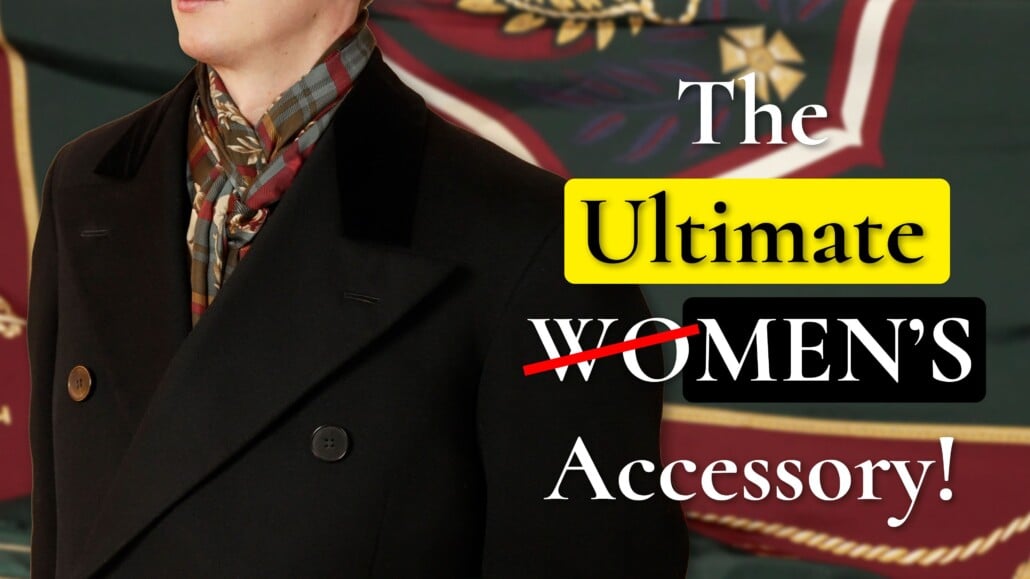
By the 17th century, the cravat, a decorative piece of linen or lace, emerged as a symbol of aristocratic elegance in France, influenced by Croatian mercenaries whose distinctive neckerchiefs caught the eye of King Louis XIV. This period marked a significant shift from purely utilitarian neckwear to an item of sartorial flair. The 18th and 19th centuries saw the cravat evolve further, becoming more intricate and voluminous, demanding elaborate tying techniques that signaled a gentleman’s refinement and leisure. Beau Brummell, the iconic dandy of the Regency era, famously elevated the art of cravat tying to an exacting science, preferring impeccably tied white linen or silk that spoke volumes through its simplicity and precision.
The 20th century witnessed the rise of the necktie as the dominant form of formal and business neckwear, largely replacing the cravat and its more flamboyant iterations. However, the silk scarf never entirely vanished. It found a niche among aviators, racing drivers, and bohemian artists, serving both as a practical shield against the wind and a statement of adventurous individuality. Figures like Cary Grant and Steve McQueen frequently donned silk scarves, infusing them with an air of sophisticated nonchalance and rugged charm. This dual appeal – blending practicality with a dash of daring – cemented the silk scarf’s place in certain subcultures, even as it remained largely outside the mainstream corporate wardrobe. The post-war era, with its emphasis on casual wear and streamlined silhouettes, saw a decline in elaborate accessories, further pushing the silk scarf into the background for most men.
Why Silk Scarves Deserve a Prominent Place in Modern Menswear

In an era where personal style is increasingly valued, the silk scarf offers a unique proposition distinct from both the formality of a necktie and the utilitarian bulk of a heavier winter scarf. Its inherent qualities—lightness, sheen, and the ability to drape elegantly—allow it to soften an outfit, inject visual interest, and provide a subtle layer of warmth without adding unnecessary volume.
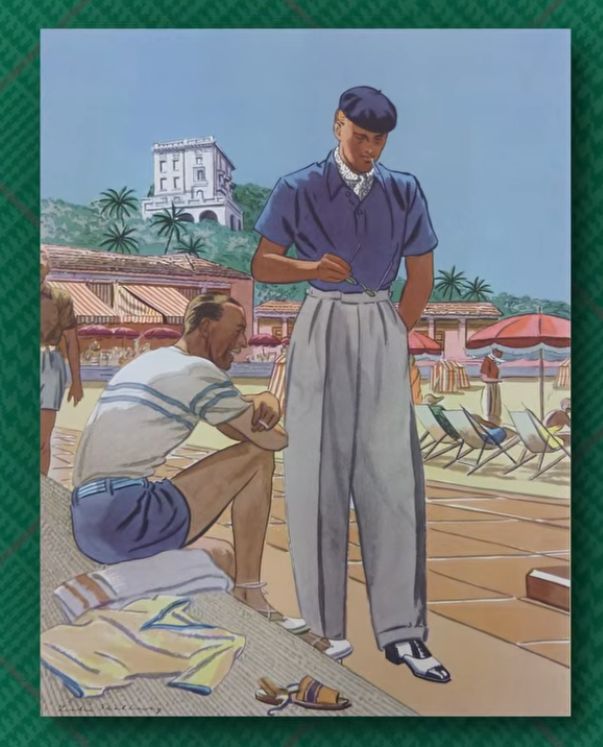
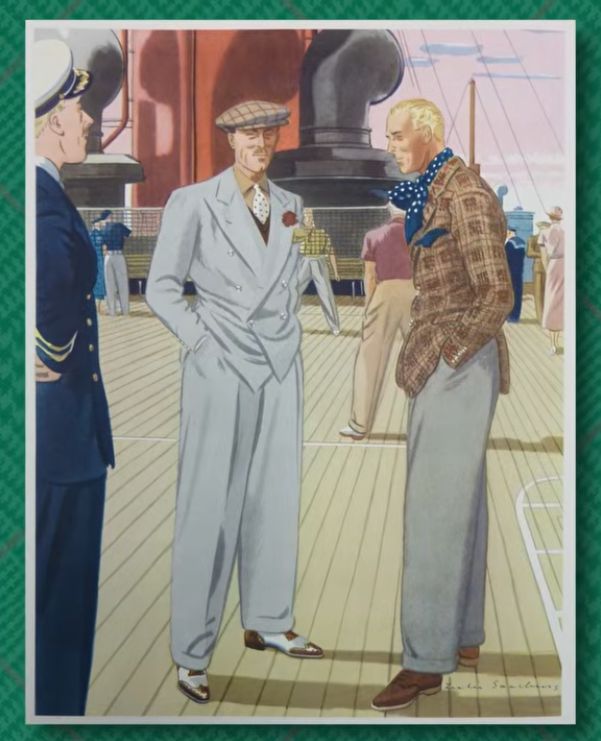
Fashion commentators and stylists often point to the silk scarf’s unmatched versatility. It can bridge the gap between casual and formal, adding a touch of panache to relaxed resort wear, as seen in timeless illustrations of men by the beach, or lending a sophisticated edge to tailored ensembles, echoing vintage depictions of well-dressed gentlemen on ship decks. This accessory proves particularly useful for men seeking:
- A distinctive personal touch: It allows for individual expression beyond conventional ties or pocket squares.
- Seasonal adaptability: Ideal for transitional weather when a heavy scarf is too much, but a bare neck feels incomplete.
- Textural contrast: Its smooth, lustrous surface offers a pleasing counterpoint to wool blazers, tweed coats, or cotton shirts.
- Color and pattern infusion: A well-chosen scarf can introduce vibrant hues or intricate designs, enlivening an otherwise monochromatic or subdued outfit.
- An alternative to traditional neckwear: For occasions where a tie feels overly formal but some form of neck decoration is desired.
How to Thoughtfully Select the Right Silk Scarf
The successful integration of a silk scarf into a man’s wardrobe hinges critically on the selection process. The goal is to choose a piece that complements and enhances, rather than overwhelms, the existing garments.
Color and Pattern: The Art of Subtlety
For those new to wearing silk scarves, an emphasis on muted tones and classic patterns is often advised. Overly saturated or neon colors can risk looking ostentatious or out of place in a sophisticated masculine context. Instead, consider hues like deep burgundies, forest greens, navy blues, earthy browns, and subtle grays. These colors offer richness without shouting for attention.
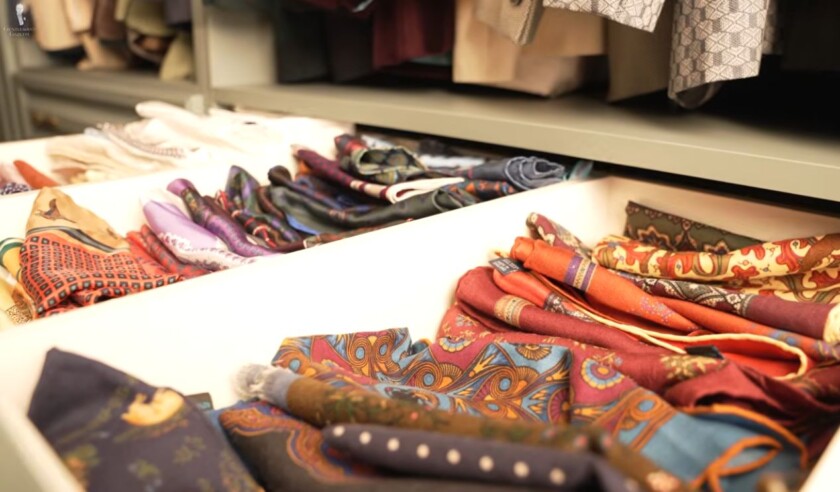
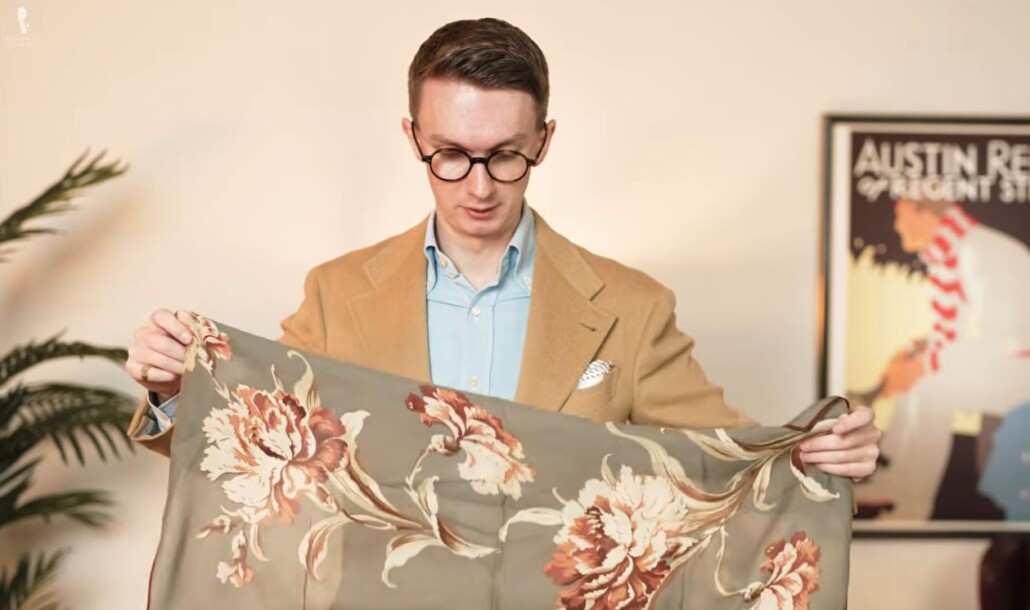
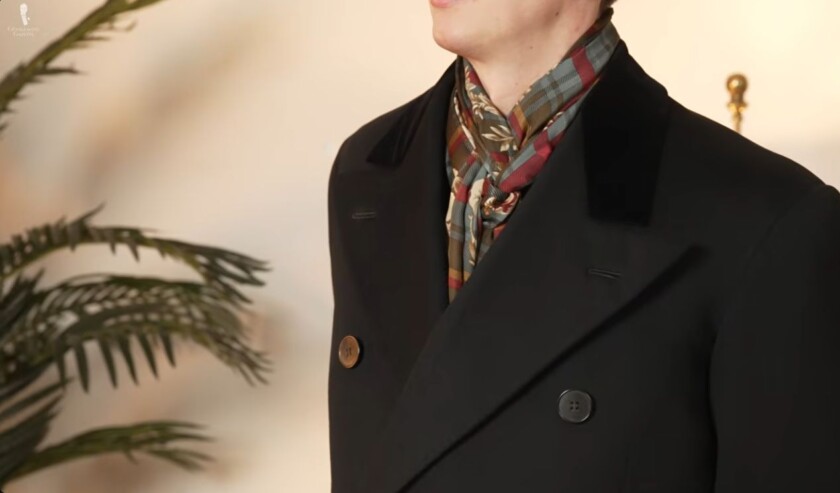
When it comes to patterns, the traditional advice leans towards designs that resonate with a classic aesthetic. Large floral prints, when rendered in understated colors, can exude an unexpected masculinity, particularly when folded to reveal only a portion of the design. Western-inspired motifs such as paisley, often associated with historical elegance and a touch of bohemian flair, or geometric designs, which offer a structured yet dynamic visual, are excellent choices. Animal prints, when executed with restraint and in muted tones, can also be surprisingly chic. The key is to select patterns that feel timeless rather than overtly trendy, ensuring the scarf remains a versatile and enduring piece. Comparing several scarves side-by-side in varying colors and motifs can help a discerning buyer identify which pieces offer the most versatility and integrate seamlessly with their existing wardrobe palette.
Size Matters: Proportions and Practicality
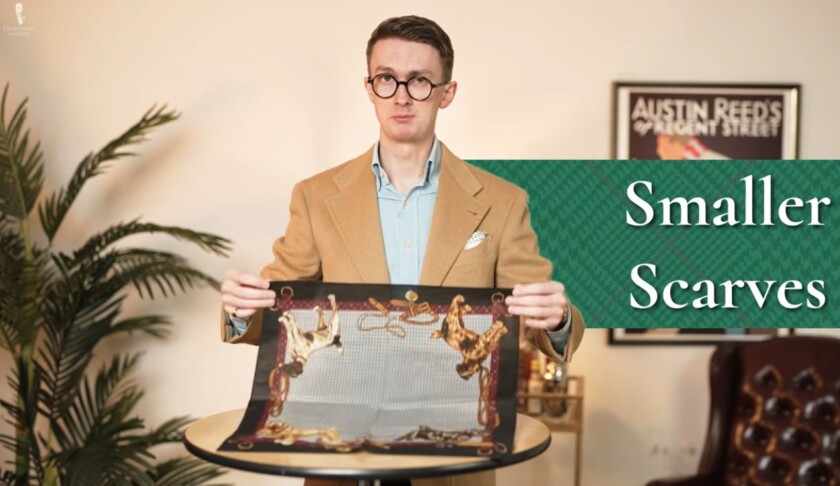
The dimensions of a silk scarf significantly influence its styling potential and overall aesthetic. For beginners, larger square scarves are generally easier to manipulate and offer the widest range of tying options. A standard size, often around 90×90 cm (35×35 inches), provides ample fabric for various knots and drapes, allowing for experimentation and comfortable wear. Smaller scarves, sometimes referred to as bandanas or neckerchiefs, typically ranging from 50×50 cm (20×20 inches) to 70×70 cm (27×27 inches), lend themselves to neater, more restrained styles, often worn tucked inside a collar. Oblong scarves, while less common in silk, offer a more traditional scarf-wearing experience, akin to their wool or cashmere counterparts.
Quality and Material: The Touch of Luxury
Beyond color, pattern, and size, the quality of the silk itself is paramount. High-quality silk, such as Charmeuse or Twill, possesses a luxurious hand-feel and a subtle sheen that elevates any outfit. The way the fabric drapes and holds a knot is also a crucial indicator of its quality. A well-made silk scarf will have neatly rolled edges (often hand-rolled in premium pieces), indicating superior craftsmanship and durability.
Mastering the Art of Tying: Styling Approaches for Every Occasion
The inherent appeal of a silk scarf lies in its adaptability and the multitude of ways it can be worn. Different scarf sizes lend themselves to particular knots and styling approaches, each imparting a distinct character to the wearer.
Best Knots for Large Scarves:
Larger square silk scarves, due to their generous dimensions, offer the most flexibility for drapes, knots, and under-the-collar styling. These are ideal for creating a statement or providing more warmth. Useful options include:
- The Ascot Knot: A classic, elegant knot that lies flat against the chest, often worn tucked into an open shirt collar. It exudes a relaxed yet refined air.
- The Parisian Knot (or French Knot): Folding the scarf in half, draping it around the neck, and pulling the ends through the loop. This creates a neat, warm, and sophisticated look, versatile for both casual and semi-formal wear.
- The Once-Around Knot: Simply wrapping the scarf once around the neck, allowing the ends to hang loosely. This is effortlessly chic and provides a casual layer of warmth.
- The Reverse Drape: Draping the scarf around the neck, then pulling one end over the opposite shoulder. This creates an asymmetric, artistic look.
- The Full Drape: Allowing the scarf to hang openly around the neck without any knot, showcasing its full pattern and color. This works well with open jackets or overcoats.
These styles offer considerable flexibility and typically work best when the scarf has sufficient length to sit cleanly and comfortably around the neck without appearing bulky.
Best Knots for Small Scarves:
With less fabric to work with, smaller scarves usually suit neater and more restrained styling. They are excellent for adding a pop of color or pattern close to the face without overwhelming the neckline. Good options include:
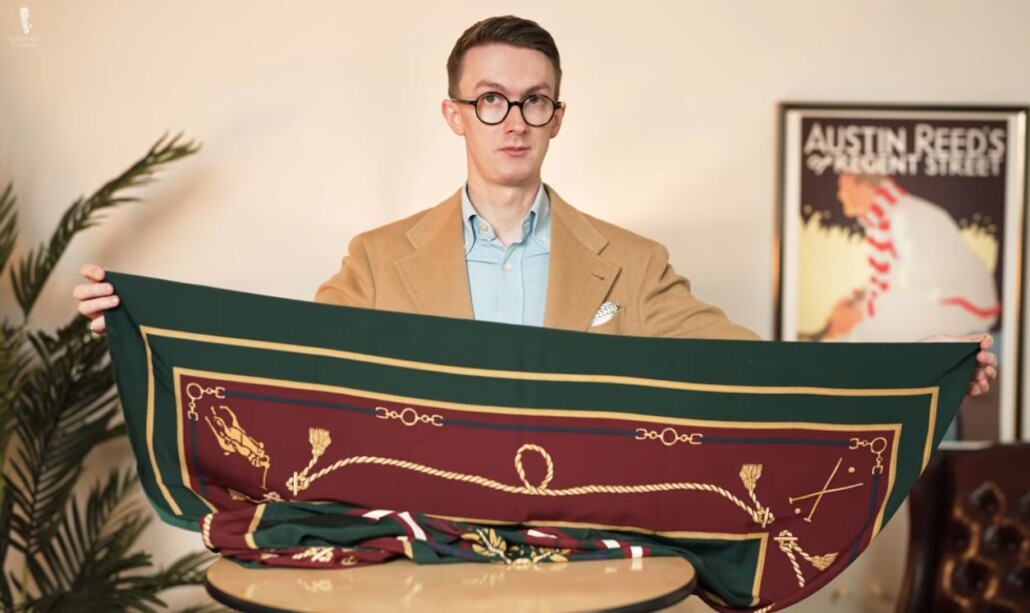
- The Simple Knot (or Four-in-Hand Knot): Folding the scarf into a narrow band and tying a simple knot at the front, similar to the initial step of tying a necktie. This is clean and understated.
- The Bandana Knot: Folding the scarf into a triangle, then rolling it and tying it around the neck with the knot at the front or slightly to the side. This lends a rugged, vintage appeal.
- The Cowboy Knot: Similar to the bandana, but with the triangular point facing down the chest, often worn under a collared shirt.
- The French Knot (mini version): A smaller, tighter version of the Parisian knot, ideal for fitting snugly under a collar.
- The Flat Drape: Simply folding the scarf into a narrow strip and draping it around the neck, tucked inside a shirt or jacket.
With less fabric, simpler knots generally create the cleanest and most effective result for smaller scarves.
Best Knots for Standard Silk Scarves (Oblong or Folded Squares):
When a square silk scarf is folded to resemble an oblong shape, it becomes remarkably versatile, bridging the gap between traditional scarf wear and lighter neckwear. These dimensions make them easy to wear with many straightforward styling methods typically used for traditional scarves. Good options include:
- The Overhand Knot: A basic, single knot that can be worn loosely or more tightly for different effects.
- The Fake Knot: Creating a loop with one end of the scarf and passing the other end through it, similar to the first step of a tie knot. This offers a clean, symmetrical look.
- The Reverse Drape: As with larger scarves, this offers an elegant, asymmetrical drape.
- The Simple Drape: Letting the scarf hang freely, allowing the fabric and pattern to be the focal point.
The main lesson is clear: larger scarves provide the greatest variety in styling, smaller scarves excel with cleaner, more understated knots, and standard-sized silk scarves (or large ones folded oblong) offer the easiest transition for those accustomed to traditional scarf tying.
When and Where to Wear a Silk Scarf: Integrating into Your Wardrobe
Silk scarves truly shine in situations where a tie might feel too formal or restrictive, and a heavier, woolen scarf is simply unnecessary. They are particularly well-suited for transitional weather—the mild days of spring and autumn—when a touch of warmth and style is desired without bulk.
They work exceptionally well with:
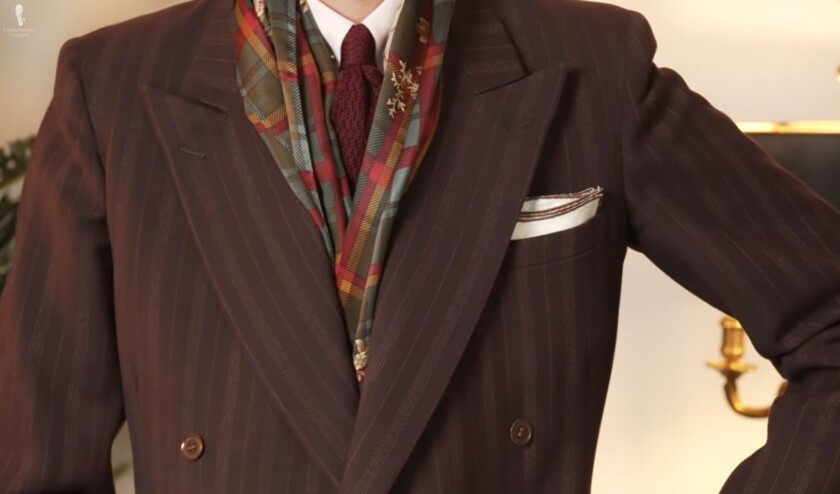
- Sport Coats and Blazers: A silk scarf can add a layer of sophistication and color to an otherwise classic ensemble.
- Overcoats and Trench Coats: Providing warmth without the weight of a knit scarf, and adding a refined detail to outerwear.
- Leather Jackets: A silk scarf can soften the ruggedness of a leather jacket, adding an element of polished cool.
- Denim Jackets: Elevating a casual denim look with an unexpected touch of luxury.
- Open-Collared Shirts (button-downs or polos): Tucked neatly, it adds a smart, continental flair.
- Knitted Sweaters: Offering a textural contrast and a subtle pop of pattern beneath a crewneck or V-neck.
- Resort Wear: Lending an air of relaxed elegance to linen shirts, tailored shorts, or lightweight trousers.
- Suits (with or without a tie): Worn with a suit and tie, a silk scarf adds another layer of texture and visual interest without overwhelming the outfit. Without a tie, it serves as a sophisticated alternative to a bare neck.
Moreover, for gentlemen who regularly incorporate ties, pocket squares, and traditional scarves into their rotation, a silk scarf provides an excellent avenue for adding variety and expanding their accessory options. It encourages a more adventurous and personal approach to dressing. A crucial style tip, often reiterated by sartorial experts, is that a silk scarf should always complement the outfit, never overwhelm it. It is advisable for beginners to start with subtle colors and patterns, gradually branching out as they gain confidence and discover what feels most comfortable and authentic to their personal style.
Expert Perspectives and Shifting Perceptions
Fashion historians and contemporary stylists largely agree that the return of the silk scarf in menswear reflects a broader cultural shift towards more fluid and expressive forms of masculinity. Dr. Evelyn Reed, a fashion historian, notes, "The silk scarf, in its essence, embodies a certain historical elegance and a willingness to embrace ornamentation that has, at times, been suppressed in Western male attire. Its resurgence signals a more confident and less constrained approach to personal style."
Leading menswear designers have also integrated silk scarves into their collections, showcasing them on runways as essential layering pieces that add depth and personality. They are often seen as a subtle nod to vintage aesthetics while remaining firmly rooted in contemporary sensibilities. The implication is clear: modern menswear is moving beyond rigid dress codes, embracing accessories that allow for greater individuality and a softer, yet still sophisticated, touch.
The Broader Impact on Menswear
The growing acceptance and adoption of silk scarves by men have several significant implications for the wider menswear landscape. Firstly, it champions versatility. Unlike many accessories tied to specific levels of formality, the silk scarf defies easy categorization, proving its worth across a spectrum from casual weekend wear to sophisticated business-casual ensembles. This versatility encourages men to think more creatively about their existing wardrobes and how subtle additions can dramatically alter an outfit’s character.
Secondly, it promotes a more global and historically informed approach to dressing. The silk scarf’s history spans continents and centuries, and its modern re-emergence allows contemporary men to tap into this rich heritage, connecting with diverse sartorial traditions. It also challenges the notion that menswear must be inherently rigid or overtly masculine in a singular, traditional sense. By embracing an accessory traditionally associated with flair and artistry, men are implicitly asserting a broader definition of male elegance.
Finally, the trend underscores the power of accessories to communicate personality. In a world saturated with similar clothing styles, unique accessories like a well-chosen silk scarf become powerful differentiators, allowing men to express their individuality and discerning taste without resorting to loud or ostentatious garments. This subtle rebellion against conformity is a hallmark of truly sophisticated style.
Final Thoughts
While silk scarves may not be the most common menswear accessory today, this very fact contributes to their unique appeal. They possess an unparalleled ability to infuse an outfit with warmth, personality, and refinement in a manner that is distinctly softer than a necktie and considerably lighter than a traditional winter scarf. For men who are keen to expand their accessory repertoire without straying from the tenets of classic style, the silk scarf represents a compelling and eminently worthwhile consideration. Its understated elegance and profound versatility make it a quiet powerhouse in the evolving landscape of men’s fashion.
Frequently Asked Questions

Can men wear silk scarves without looking overdressed?
Yes. The key lies in selecting scarves with understated colors and classic patterns, and then styling them in simple, balanced ways that complement the overall outfit rather than dominating it.
What is the best silk scarf size for beginners?
A larger square scarf, typically around 90×90 cm (35×35 inches), is generally the easiest choice for beginners. It offers greater flexibility in tying methods and is more forgiving during the styling process.
Are silk scarves inherently formal?
Not necessarily. Silk scarves possess a remarkable adaptability. They can be styled to suit casual, business-casual, or more elegant ensembles, depending on the chosen pattern, the quality of the fabric, and the specific tying method employed.

Which silk scarf knots are easiest for beginners?
For those new to wearing silk scarves, simple methods like a loose drape, a classic French knot (Parisian knot), or a casual overhand knot are excellent starting points. Larger scarves typically provide the most flexibility for these beginner-friendly styles.
When do silk scarves work best?
Silk scarves are particularly effective during transitional weather periods, such as spring and autumn, and with outfits that benefit from light neckwear that adds visual interest without the substantial bulk of a heavier winter scarf. They also excel when seeking an alternative to a traditional tie in semi-formal or smart-casual settings.