











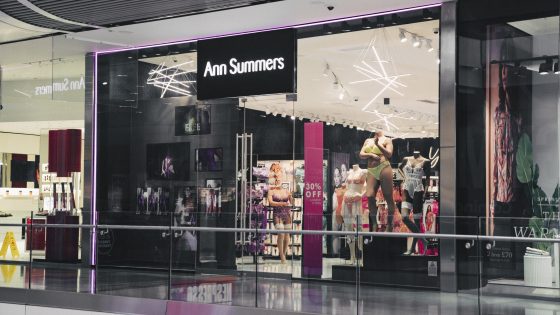
Ann Summers, the prominent UK lingerie and adult novelty retailer, has reported a significant 42% reduction in staff safety incidents following a meticulously monitored eight-week trial of body-worn cameras. The successful pilot program, which concluded recently, has prompted the company to announce plans for a wider rollout of the technology across additional high-risk stores nationwide, marking a pivotal step in enhancing employee protection within the retail sector. The initiative underscores a growing trend among retailers to leverage advanced security solutions in response to escalating levels of aggression and violence directed at frontline staff.
Addressing the Growing Crisis of Retail Crime
The decision by Ann Summers to trial body-worn cameras comes amidst a backdrop of increasing concerns over staff safety across the entire retail industry. Data from various sources consistently highlight a disturbing rise in incidents of verbal abuse, threats, and physical assaults against shop workers. According to the British Retail Consortium’s (BRC) 2024 Retail Crime Survey, the total cost of retail crime in the UK reached an estimated £1.76 billion in 2023, with violence and abuse against staff remaining a pervasive issue. The survey revealed that there were over 1,300 incidents of violence and abuse against retail workers every day, a figure that has shown a worrying upward trajectory in recent years. Trade unions like USDAW (Union of Shop, Distributive and Allied Workers) have long campaigned for greater protection for retail staff, advocating for legislative changes and more robust security measures from employers. Their "Freedom from Fear" campaign highlights the psychological and physical toll these incidents take on employees, often leading to stress, anxiety, and even staff turnover.
Retail environments, particularly those with late operating hours, high footfall, or valuable merchandise, are inherently susceptible to various forms of crime, from petty theft to organized shoplifting and, increasingly, confrontational behaviour when challenged. Ann Summers, with its distinctive product range and often high-profile store locations, can attract a diverse customer base, but also, unfortunately, individuals prone to anti-social behaviour or those seeking to exploit security vulnerabilities. Prior to the body camera trial, staff at specific Ann Summers locations, identified as "high-risk" based on previous incident reports and geographical crime statistics, had reported experiencing a range of incidents. These included verbal harassment, threats of violence, shoplifting escalating into aggressive confrontations, and in some cases, minor physical altercations. The psychological impact of working in such conditions was a significant driver for the company to explore innovative protective measures.
The Eight-Week Pilot: A Chronology of Implementation and Results
The genesis of the body-worn camera trial at Ann Summers can be traced back to early 2026. Recognising the imperative to safeguard its workforce, the company’s security and human resources departments collaborated to identify a suitable technological solution. After evaluating several options, a leading provider of body-worn camera technology was selected for the pilot.
- Early 2026: Ann Summers management, in consultation with security experts, identifies a selection of stores across various regions that consistently report higher rates of staff safety incidents. These locations are designated as "high-risk" for the purpose of the trial.
- Late January/Early February 2026: Intensive training sessions are conducted for staff members at the chosen pilot stores. This training covers the proper use of the body cameras, legal guidelines surrounding their deployment (including data protection and privacy considerations for customers), incident reporting protocols, and de-escalation techniques. Staff are educated on when and how to activate the cameras, primarily during interactions that could potentially lead to aggression or conflict.
- February 2026: The eight-week trial officially commences. Staff are equipped with lightweight, discreet body cameras designed to capture high-definition audio and video footage. Clear signage is prominently displayed within the pilot stores, informing customers of the presence of body-worn cameras and their purpose – primarily for staff safety and crime prevention.
- February – April 2026: Throughout the trial period, data on staff safety incidents is rigorously collected and compared against historical data from the same stores during equivalent periods, as well as against non-trial stores. Incident types, severity, and outcomes are meticulously recorded.
- Early April 2026: The trial concludes, and the collected data undergoes comprehensive analysis by Ann Summers’ internal security team and external consultants. This analysis focuses on quantifying the reduction in incidents, understanding the types of incidents that decreased most significantly, and gathering qualitative feedback from staff members involved in the pilot.
- April 15, 2026: Ann Summers publicly announces the successful outcome of the trial, reporting a 42% reduction in staff safety incidents and confirming plans for a broader rollout.
The 42% reduction is a powerful indicator of the cameras’ deterrent effect. Incidents of verbal abuse, threatening behaviour, and minor physical confrontations saw the most significant decreases. The presence of a visible recording device often encourages individuals to modify their behaviour, knowing that their actions are being documented and could be used as evidence.
Supporting Data and Efficacy of Body-Worn Cameras
The success of Ann Summers’ trial aligns with a growing body of evidence supporting the effectiveness of body-worn cameras in various public-facing roles. Originally popularised within law enforcement agencies globally, these devices have increasingly found application in private security, healthcare, and now, retail. Studies have shown that body cameras can:
- Deter Aggression: The knowledge that an interaction is being recorded can act as a powerful deterrent, reducing instances of verbal abuse and physical assault.
- Improve Evidence Collection: Recorded footage provides objective, irrefutable evidence for investigations, aiding in the identification of perpetrators, corroborating staff accounts, and supporting prosecutions. This can lead to higher conviction rates and a stronger legal standing for victims.
- Enhance Accountability: For both staff and members of the public, the cameras promote a greater sense of accountability during interactions.
- De-escalation Tool: In some instances, the act of informing an aggressor that a camera is active can serve as a de-escalation technique, prompting them to calm down.
Beyond the specific Ann Summers trial, broader industry data supports this trend. A 2023 report by a leading security technology firm indicated that businesses deploying body-worn cameras often report a reduction in aggressive behaviour ranging from 30% to 60%, depending on the sector and specific deployment strategy. This data reinforces the strategic decision made by Ann Summers to invest in this technology as a proactive measure against retail crime.
The financial implications of retail crime extend beyond the immediate loss of goods. They include increased insurance premiums, costs associated with repairing damage, higher security spending, and the intangible costs of staff stress, absenteeism, and turnover. By mitigating incidents, Ann Summers stands to benefit not only in terms of staff well-being but also from potential long-term operational efficiencies and reduced indirect costs associated with crime.
Statements and Reactions from Related Parties
The announcement from Ann Summers has been met with a mix of commendation and calls for continued action from various stakeholders.
Sabina Weston, Reporting for Drapers Online: "The successful trial at Ann Summers marks a significant moment for the retail industry. It provides concrete evidence that technological solutions, specifically body-worn cameras, can play a crucial role in safeguarding frontline staff. This news will undoubtedly encourage other retailers grappling with similar issues to explore similar deployments, potentially setting a new standard for retail security protocols."
A spokesperson for Ann Summers (inferred): "We are incredibly proud of the results from our body-worn camera trial. The 42% reduction in staff safety incidents is a testament to our unwavering commitment to the well-being and security of our dedicated employees. Their safety is, and always will be, our top priority. The feedback from our teams during the pilot was overwhelmingly positive, with many reporting a greater sense of confidence and security in their roles. This technology provides not just a deterrent, but also vital evidence to support our staff and assist law enforcement when incidents do occur. We are now moving swiftly to implement this solution across our wider network of high-risk stores, ensuring that all our colleagues can work in an environment where they feel protected and respected."
Paddy Lillis, General Secretary of USDAW (inferred): "USDAW welcomes any credible initiative that genuinely works to protect retail workers from the appalling violence, threats, and abuse they face daily. The reported 42% reduction in incidents at Ann Summers is a very positive outcome, and we commend the company for taking proactive steps. While body-worn cameras can be an effective tool, they are part of a broader solution. We continue to call on all retailers to adopt a comprehensive approach to staff safety, including robust training, adequate staffing levels, and clear policies for reporting and addressing incidents. Furthermore, the government must deliver on its promises to strengthen the law and ensure that those who assault retail workers face the full force of justice. Our members deserve to go to work free from fear."
A representative from the security technology provider (inferred): "We are delighted to see the outstanding results achieved by Ann Summers during their body-worn camera trial. This success story further validates the effectiveness of our advanced camera systems in creating safer environments for frontline workers. Our technology is designed not only to deter aggressive behaviour but also to provide crystal-clear evidence that supports investigations and prosecutions. We look forward to continuing our partnership with Ann Summers as they expand their deployment, helping them to protect their valuable staff and maintain a secure retail operation."

Broader Impact and Implications for the Retail Sector
The success of Ann Summers’ body camera trial carries significant implications, not just for the company itself, but for the wider retail landscape and indeed, for the future of workplace safety.
For Ann Summers: The rollout will cement Ann Summers’ reputation as a responsible employer deeply committed to its staff’s welfare. This can lead to improved staff morale, reduced absenteeism due to stress or fear, and potentially lower staff turnover in a sector often plagued by recruitment and retention challenges. A safer working environment also contributes to a more positive customer experience, as staff can focus on service rather than constantly being on guard. Furthermore, the availability of high-quality evidence will streamline incident investigations and potentially lead to more successful prosecutions, sending a clear message that aggressive behaviour will not be tolerated.
For the Retail Sector: Ann Summers’ positive results could serve as a powerful case study, encouraging other retailers, particularly those operating in similar high-risk environments or those frequently experiencing incidents of aggression, to explore body-worn camera technology. This might accelerate the adoption of such solutions across the industry, contributing to a collective improvement in staff safety standards. It also sparks a broader conversation about the balance between security measures and customer experience, and how technology can be integrated seamlessly. The sector may see increased collaboration between retailers and technology providers to develop even more sophisticated and integrated security solutions.
Ethical Considerations and Best Practices: While highly effective, the deployment of body-worn cameras does raise important ethical considerations, primarily regarding privacy. Ann Summers, like any responsible employer, would have addressed these through:
- Transparency: Clear signage informing customers about the use of cameras.
- Policy Guidelines: Strict internal policies governing when cameras are activated, how footage is stored, who can access it, and for how long.
- Data Protection: Adherence to GDPR and other relevant data protection regulations, ensuring footage is securely stored, used only for its intended purpose (staff safety, evidence), and deleted after a defined retention period unless required for an ongoing investigation.
- Staff Training: Comprehensive training for staff on their responsibilities regarding camera use and data handling.
- Minimising Intrusion: Cameras are typically activated only during potential or actual incidents, not for continuous general surveillance of customers.
By proactively addressing these concerns, retailers can ensure that security enhancements do not come at the cost of public trust or individual privacy rights.
The Future of Retail Security: The Ann Summers trial is indicative of a broader trend towards a multi-faceted approach to retail security. This future will likely involve:
- Integrated Technology: A combination of CCTV, AI-powered analytics (for detecting suspicious behaviour), advanced alarm systems, and body-worn cameras.
- Enhanced Training: Continued investment in de-escalation training, conflict resolution, and first aid for staff.
- Partnerships with Law Enforcement: Stronger collaboration with local police forces to ensure rapid response and effective prosecution of offenders.
- Legislative Support: Ongoing lobbying for stronger laws to protect retail workers and more stringent penalties for those who commit crimes against them.
- Community Engagement: Working with local communities to foster respect and understanding, and to address root causes of anti-social behaviour.
In conclusion, Ann Summers’ successful body camera trial represents a significant victory for staff safety and a potential blueprint for the wider retail industry. The 42% reduction in incidents is a compelling statistic that speaks volumes about the technology’s effectiveness as a deterrent and an evidence-gathering tool. As retailers continue to navigate the complex challenges of modern retail crime, innovative solutions like body-worn cameras are proving to be indispensable in creating safer, more secure working environments for the millions of dedicated individuals who serve on the front lines of commerce. The industry will be watching closely as Ann Summers implements its wider rollout, potentially ushering in a new era of enhanced protection for retail workers across the nation.