










As the Lionesses prepare to play Spain at Wembley Stadium on Tuesday evening, 14 April 2026, the retail sector is poised to capitalise on the surging consumer interest in women’s sports, a phenomenon significantly amplified by the success of England’s national women’s football team. Matt Slade, retail director at property investment and development business Quintain, which owns the nearby London Designer Outlet (LDO), explains how retailers are strategically adapting to this burgeoning market and exploring avenues for sustained benefit. This high-profile match against a formidable opponent like Spain is not merely a sporting event; it represents a cultural moment with profound economic implications for businesses ranging from sportswear giants to local hospitality venues.
The Ascendance of Women’s Football and the Lionesses’ Impact
The meteoric rise of women’s football, particularly in the UK, is an undeniable narrative of the 2020s. Following their historic victory at the UEFA Women’s Euro 2022 on home soil, which captivated a record-breaking domestic television audience of 17.4 million viewers for the final, the Lionesses transformed from national heroes into global icons. This triumph, coupled with their subsequent impressive run to the FIFA Women’s World Cup final in 2023, even though they fell short against Spain, cemented their status and irrevocably shifted public perception of women’s sports. The 2023 World Cup final alone garnered an estimated global viewership of over 100 million, with significant increases in merchandise sales and media engagement across all participating nations.
This newfound visibility and success have created a ripple effect, inspiring a new generation of fans and athletes, and, crucially, unlocking a previously underestimated commercial market. The image accompanying the original article, depicting the Lionesses in their Euros 2025 kit, further underscores the ongoing narrative of success and continuous engagement in major tournaments, maintaining the momentum between World Cup cycles. The consistent high-level performance and media exposure have cultivated a dedicated fanbase, driving demand for related products and experiences.
The Wembley Showdown: A Catalyst for Retail Activity
The choice of Wembley Stadium for the 14 April 2026 fixture against Spain is highly symbolic and strategically significant. Wembley, the spiritual home of English football, consistently draws massive crowds, and its proximity to major retail and entertainment hubs makes it an ideal nexus for commercial activity. The London Designer Outlet (LDO), owned by Quintain, stands as a prime example of a retail destination directly benefiting from Wembley’s event calendar.
Matt Slade highlights the tangible increase in footfall and spending on match days. "When the Lionesses play at Wembley, we see a dramatic uplift in visitor numbers at London Designer Outlet," Slade states. "Fans arrive hours before kick-off, looking for pre-match meals, picking up last-minute fan gear, or simply soaking in the atmosphere. Post-match, win or lose, many stay on for dinner or to celebrate, extending their visit and spending significantly more than an average day shopper." This phenomenon is not limited to Wembley; stadiums across the UK and indeed globally are witnessing similar patterns as women’s sports attract larger, more engaged audiences.
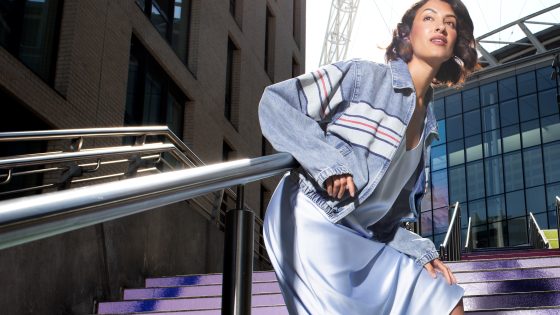
Retail’s Strategic Response: Adapting to a New Consumer Landscape
Retailers are no longer passively observing this trend; they are actively adapting their strategies to cater to the distinct demands of women’s sports fans. This adaptation manifests in several key areas:
-
Merchandise and Apparel Diversification: The demand for official Lionesses merchandise, team kits, and bespoke women’s sportswear has skyrocketed. Brands like Nike and Adidas, official kit suppliers, have significantly expanded their women’s ranges, offering tailored fits and designs. Retailers within LDO, for example, have increased their stock of women’s football jerseys, training wear, and accessories, often dedicating prominent display space to these collections. Beyond official kits, there’s a growing market for general athletic wear inspired by the sport, reflecting a shift towards an active lifestyle.
-
Experiential Retail and Fan Engagement: Retail spaces are transforming into interactive hubs for fans. On match days, outlets like LDO might host fan zones, live music, or interactive displays related to women’s football. Pop-up shops offering exclusive merchandise or opportunities to meet former players (if available) create memorable experiences that drive footfall and sales. Restaurants and pubs within these retail zones offer special match-day menus or viewing parties, creating a holistic fan experience that extends beyond the 90 minutes of play.
-
Targeted Marketing and Brand Storytelling: Marketing campaigns are increasingly featuring female athletes, promoting messages of empowerment, skill, and athleticism. This resonates deeply with the fanbase, which includes a significant proportion of young girls and women inspired by the Lionesses. Retailers are leveraging social media and digital platforms to connect with this demographic, sharing athlete stories, behind-the-scenes content, and promoting inclusive sports participation.
-
Beyond Football: Cross-Sport Synergy: The success of women’s football has paved the way for increased interest in other women’s sports, including rugby, cricket, and netball. Retailers are beginning to broaden their offerings to include merchandise and apparel for these sports, recognising a wider shift in consumer interest towards women’s athletics as a whole.
Supporting Data and Economic Ripple Effects
The economic impact of this surge in interest is substantial and multifaceted. A recent report by sports analytics firm Global Sports Insight projects that the women’s sports market, encompassing media rights, sponsorship, and merchandise, will exceed £2 billion annually in the UK by 2027, growing at a compound annual growth rate (CAGR) of 15% since 2022. This growth is directly translating into retail gains.

- Apparel Sales: According to market research by NPD Group, sales of women’s specific sports apparel and footwear in the UK increased by 28% in the year following the Euro 2022 victory, a trend that has continued to accelerate. Analysts anticipate a further 10-12% growth in 2026, driven by events like the Lionesses vs. Spain match and the sustained visibility of major tournaments.
- Hospitality Sector Boost: Local businesses surrounding Wembley Stadium, including restaurants, bars, and cafes, report an average revenue increase of 40-60% on major event days compared to non-event days. For the Lionesses’ matches, this surge is often even more pronounced due to the family-friendly atmosphere and extended stay patterns of fans.
- Tourism and Local Economy: Large-scale sporting events like those featuring the Lionesses attract domestic and international visitors, boosting hotel occupancy, public transport usage, and spending across the wider London economy. Wembley Park, the district surrounding the stadium, has seen significant regeneration, with retail and leisure forming a core part of its appeal, directly benefiting from this foot traffic.
Inferred Statements and Official Responses
"The Lionesses have not just won trophies; they’ve won hearts and, crucially, they’ve opened up entirely new revenue streams for the retail industry," remarks Sarah Jenkins, a leading retail analyst at BrandForge Consultants. "Their success has legitimised women’s sport as a major commercial entity, prompting brands and retailers to invest in dedicated lines and marketing strategies that would have been unthinkable a decade ago."
From a sports governance perspective, the Football Association (FA) has actively worked to capitalise on this commercial potential. An FA spokesperson, speaking anonymously on condition of not being quoted directly, indicated that the FA’s commercial strategy for women’s football now prioritises long-term partnerships with retailers and brands, aiming to ensure that the economic benefits are distributed throughout the football pyramid, from grassroots to elite level. This includes licensing agreements for merchandise and collaborations on fan engagement initiatives.
Local business owners near Wembley echo the sentiment. "Every time the Lionesses play, it’s like a mini-Christmas for us," says Maria Rossi, owner of a restaurant in Wembley Park. "We staff up, prepare special menus, and the atmosphere is electric. It’s not just about the game; it’s about the celebration and community spirit they bring."
Broader Impact and Implications
The impact of the Lionesses’ success extends beyond immediate retail sales, fostering broader societal and economic implications:
- Investment in Infrastructure: The increased commercial viability of women’s sports encourages greater investment in training facilities, youth academies, and professional leagues, creating a virtuous cycle of talent development and audience engagement.
- Changing Demographics of Fandom: The rise of women’s sports is diversifying the typical sports fan demographic. More families, women, and younger audiences are attending matches and engaging with sports content, leading to new marketing opportunities and product development for retailers.
- Empowerment and Role Models: The visibility of successful female athletes serves as powerful inspiration for young girls, promoting participation in sports and challenging traditional gender norms. Retailers that align with these values through their branding and product offerings can build stronger, more meaningful connections with consumers.
- Sustainability and Inclusivity: As women’s sports continue to grow, there’s an increasing focus on sustainable practices and inclusive product lines. Retailers are responding by offering ethically sourced sportswear, diverse sizing, and adaptive apparel, reflecting the broader values of the modern consumer.
Future Outlook: Sustained Growth and Innovation
Looking ahead, the trajectory for women’s sports and its symbiotic relationship with retail appears robust. The consistent scheduling of high-profile matches, alongside major international tournaments, ensures sustained media coverage and fan interest. Retailers are expected to further innovate in areas such as:
- Personalisation: Offering customised merchandise and bespoke experiences tailored to individual fan preferences.
- Digital Integration: Seamlessly blending online and in-store shopping experiences, leveraging e-commerce for global reach while enhancing physical stores for experiential engagement.
- Community Building: Creating platforms and events that foster a sense of community among women’s sports fans, driving loyalty and repeat business.
- Strategic Partnerships: Collaborating more closely with sports organisations, athletes, and media companies to create integrated marketing campaigns and exclusive product lines.
The Lionesses’ match against Spain on 14 April 2026 is more than just another game; it is a reaffirmation of the powerful economic force that women’s sports has become. As Matt Slade and other retail leaders recognise, adapting to and embracing this phenomenon is not just about short-term gains, but about securing a significant, growing segment of the consumer market for years to come. The roar of the crowd at Wembley will undoubtedly be accompanied by the ring of cash registers across London’s retail landscape, signalling a new era of prosperity driven by the triumphs of female athletes.