






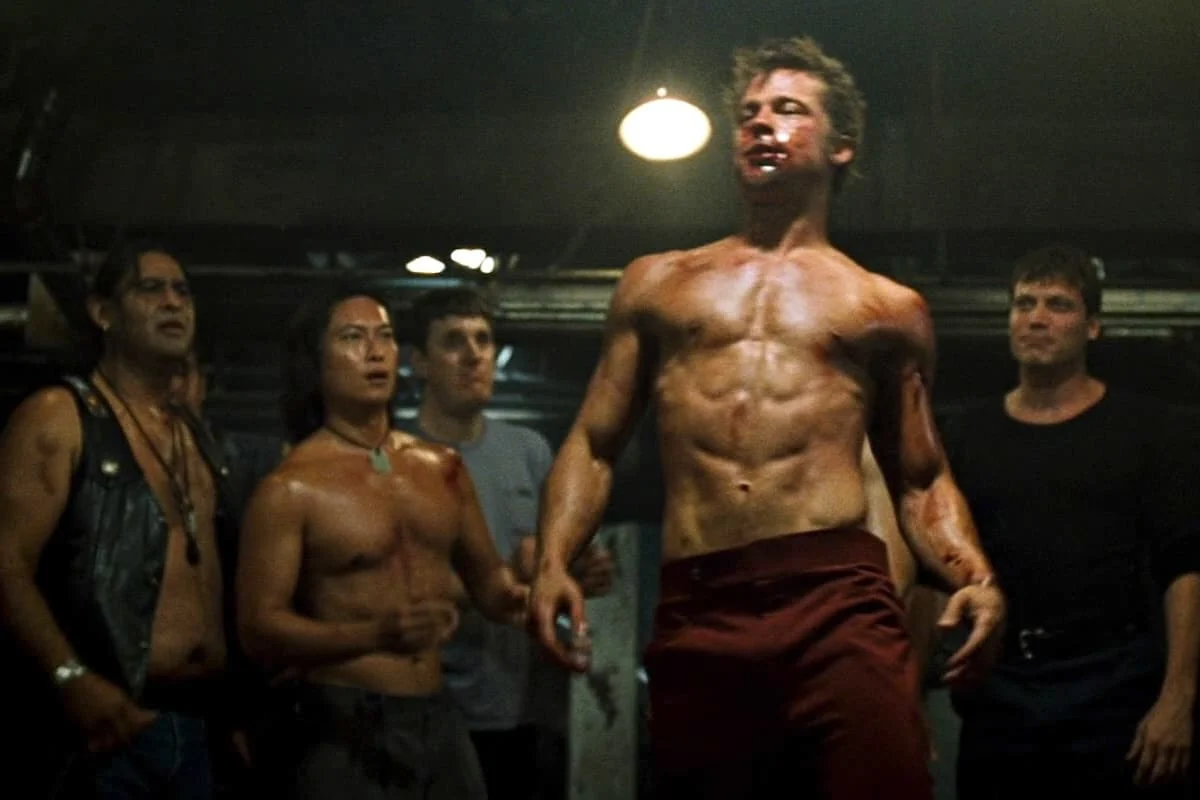
For the greater part of the last two decades, the prevailing masculine beauty ideal has been characterized by an increasingly extreme hyper-muscularity, a physique that dominated popular culture and significantly influenced male body image. This era saw actors vying for roles in major blockbuster franchises or even critically acclaimed dramas, often undergoing grueling training regimens to achieve a formidable build, with persistent rumors circulating about the use of performance-enhancing substances like steroids to expedite these transformations. The most prominent male fitness influencers of this period, and many still today, were quintessential bodybuilding figures such as Simeon Panda and Chris Bumstead, epitomizing a colossal, powerfully built aesthetic. While some observers noted a growing attraction among women to more slender archetypes like Timothée Chalamet, the aspirational benchmark for a significant majority of men remained the imposing figures of actors like Henry Cavill, Dwayne Johnson, and Chris Pratt.
A Shifting Paradigm: The Rise of the "Snatched" Aesthetic
However, recent trends indicate a discernible pivot in these established beauty standards. While bulging biceps and massive pectorals retain a degree of popularity, and emerging male sex symbols such as Jeremy Allen White, Conner Storrie, and Damson Idris still exhibit impressive musculature, a new emphasis has begun to coalesce, particularly within social media spheres. This evolving ideal champions angular jawlines, sharply defined cheekbones, and what is remarkably being termed a "snatched waist" – a phrase previously associated primarily with female aesthetics, now earnestly adopted by a growing number of straight men. This shift underscores a move away from sheer bulk towards a more sculpted, lean, and intensely chiseled appearance.
This emerging standard was highlighted on April 12 in an interview on 60 Minutes Australia, where "looksmaxxing" influencer Clavicular articulated that leanness stands as the paramount achievement in physical optimization. "Leanness is most of what you can accomplish in terms of looksmaxxing. It’s going to be the number one thing," Clavicular stated, adding, "You have to be extremely chiseled, low body fat, 10-12 percent." This declaration provides a clear metric for the new aspirational physique, emphasizing extreme definition over mass.
The Pendulum Swings: Fatigue with Hyper-Muscularity
The cyclical nature of aesthetic ideals is often likened to a pendulum, swinging between extremes. Sam Herling, a content creator and fitness coach known for offering clients a "Fight Club physique" — referencing Brad Pitt’s famously lean yet muscular build in the film — posits that this shift is a natural societal reaction. "A lot of influencers look [hyper-muscular], whether through taking steroids or whatever, and I think people are just getting a bit fatigued with it," Herling observed. This fatigue is multifaceted, rooted in several converging factors.
A critical element is the escalating public awareness regarding the significant health risks associated with anabolic steroid use, which range from severe cardiovascular problems and liver damage to hormonal imbalances, including erectile dysfunction and infertility. Concurrently, a growing resentment has developed towards fitness influencers who promote unattainable body standards, often maintaining an enhanced physique while disingenuously claiming to be "natty" (natural). This perceived dishonesty erodes trust and fosters a sense of disillusionment among followers attempting to emulate these ideals. Furthermore, many men are growing weary of the perpetual cycle of "bulking and cutting" — a physically demanding and often psychologically taxing process designed to gain muscle mass and then shed fat — which can lead to chronic dissatisfaction with one’s appearance. Herling advocates for a more moderate and sustainable approach, focusing on gradual muscle gain through slight calorie deficits and surpluses, prioritizing consistent well-being over fleeting extremes. "I’d rather just take it slower, do it a bit more naturally, and then just feel good with how I look all the time," he explained, emphasizing a desire for enduring satisfaction rather than the relentless pursuit of an ever-elusive goal.
Societal Undercurrents and Psychological Drivers
The evolution of male beauty standards is not merely a superficial trend but reflects deeper societal anxieties and psychological coping mechanisms. Ben, a charity worker and amateur bodybuilder, suggests that the intense desire for leanness, much like other forms of extreme body modification, serves as an attempt to exert control in an increasingly unstable world. In an era marked by economic precarity, stagnant social mobility, and diminishing prospects for traditional markers of success, such as home ownership, individuals may turn to their bodies as a canvas for "self-investment." "You might not be able to earn as much money as your father or grandfather, but you can work harder at the gym and achieve a ‘better’ body," Ben noted, identifying this as a manifestation of "body fascism at every level, for every gender, for every person."
This phenomenon parallels the renewed pressures on women to achieve extreme thinness, evidenced by the resurgence of "size zero" culture and the widespread adoption of weight-loss medications like Ozempic. This alignment is not coincidental; both trends are underpinned by a powerful and pervasive current of fatphobia. Many creators promoting the lean aesthetic online frequently disparage larger, more muscular men, labeling them as "schlubby" or "bloated," with terms like "ogre-maxxing" emerging in these communities. This contempt, while reciprocated by some bodybuilders who disdain slender men as "weak," "feminine," or "soy-boys," highlights a broader cultural hostility towards body fat.
The Perilous Pursuit of Leanness: Health and Mental Implications
While aspiring to a more slender build is not inherently unhealthy, and can indeed be more balanced than the extremes of hyper-muscularity, the contemporary pursuit of hyper-leanness often veers into dangerous territory. This rejection of bulk frequently intertwines with an irrational fear of any fat gain whatsoever. For many adherents, the objective shifts from simply being strong or fit to achieving the absolute lowest possible body fat percentage, a goal that can compromise health.
The content promoting this extreme leanness on social media platforms often embeds explicit or implicit jabs at larger individuals, portraying fatness as antithetical to hard work and discipline. An overweight colleague daring to offer dietary advice, for example, becomes a recurring antagonist in some narratives, while consuming sugar is equated with moral laxity. This perspective suggests that leanness is not merely physically attractive but inherently virtuous, a visible testament to self-control and discipline. "I think fatness is seen as antithetical to hard work, and that is really at the core of what’s going on in our body culture right right now," Ben elaborated, pointing to the rise of medications like Ozempic as potentially exacerbating this attitude, with some in the fitness community viewing their use as a form of "cheating."
The rhetoric surrounding extreme leanness on social media platforms, particularly among young people, bears unsettling resemblances to "pro-ana" (pro-anorexia) communities. Phrases such as "nothing tastes as good as lean feels," popularized by models in the 2000s, are now frequently deployed without apparent awareness of their origins as a mantra for disordered eating. Such attitudes often accompany dangerously extreme caloric restriction and the aspiration to body fat levels that are objectively unhealthy, or even life-threatening, to sustain over prolonged periods. Sam Herling warns, "I think [the standard] has moved from ‘you shouldn’t be overweight’ to ‘you shouldn’t have any fat at all’, which is stupid. There’s a community of young people — teens, really — who are driving these unrealistic body image expectations. It’s rampant on TikTok."
Broader Impact and Implications
The relentless pursuit of extreme leanness carries significant health and psychological ramifications. Physically, sustaining body fat levels below 10-12% for men can lead to hormonal imbalances, compromised immune function, decreased energy levels, and potential nutrient deficiencies. Long-term, it can impact cardiovascular health, bone density, and even cognitive function. Psychologically, this obsessive focus often fuels body dysmorphia, a mental health condition where individuals perceive flaws in their appearance that are either minor or non-existent. It can also lead to chronic anxiety, depression, and obsessive-compulsive tendencies around food and exercise. The constant need to meticulously weigh food, track every calorie, and dread social occasions involving food can transform daily life into a "banal kind of misery," as the original article noted. The trade-off for a six-pack often becomes a cycle of guilt, hunger, and a pervasive sense of never having full permission to genuinely enjoy life.
This environment of "body fascism," as Ben describes it, is further amplified by the commercialization of body image. The fitness industry, including supplements, diet plans, personal training, and even cosmetic procedures, thrives on perpetuating these unattainable ideals, offering solutions to manufactured insecurities. Social media algorithms, designed to maximize engagement, often amplify extreme content, creating echo chambers where these ideals are reinforced and normalized among impressionable audiences.
In conclusion, the shift in male beauty standards from hyper-muscularity to hyper-leanness represents a complex and concerning evolution. While a move away from the harms of steroid-fueled bulk might seem positive, the new ideal introduces its own set of risks, pushing individuals towards equally extreme and potentially dangerous practices. This ongoing "battle for supremacy" between difficult-to-attain body types underscores a fundamental challenge: the need to cultivate a more balanced, health-oriented approach to body image, one that prioritizes holistic well-being over fleeting, socially constructed ideals. Greater critical literacy regarding media representations and a focus on sustainable health practices are crucial to navigating this evolving landscape and mitigating its potentially damaging effects, particularly on younger generations.