








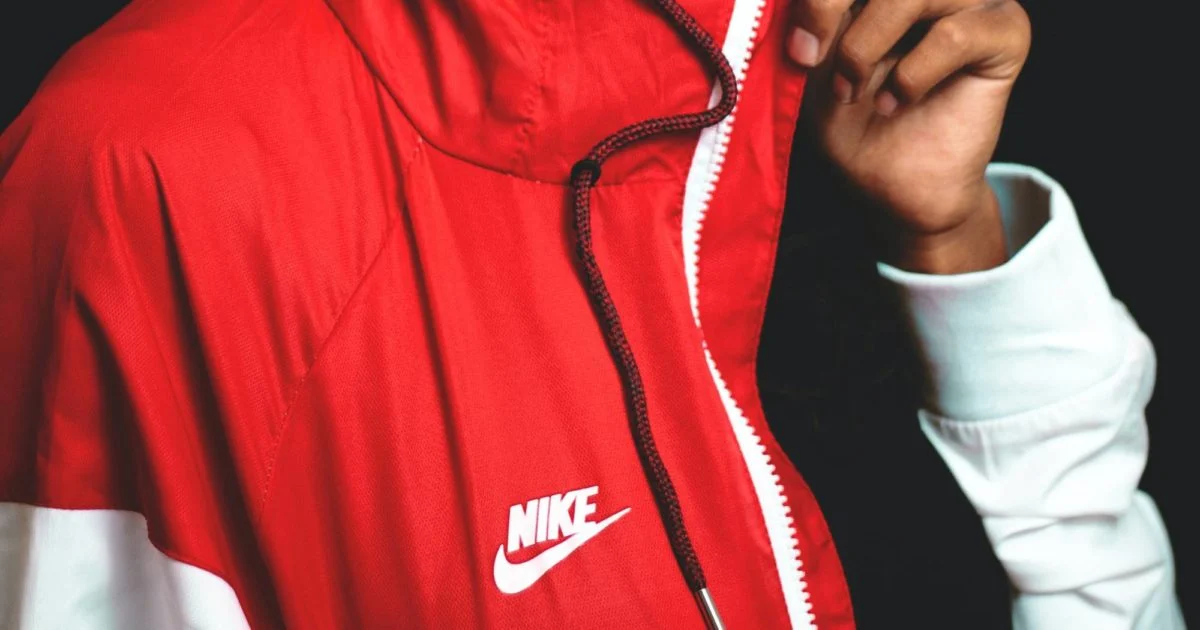
Nike, a global titan in sportswear, remains one of the most recognized and frequently searched brands within ethical consumer directories like Good On You. Despite its pervasive market presence and iconic "Just Do It" messaging, a recent assessment, published in January 2026, assigns Nike an "It’s a Start" rating, indicating significant areas for improvement across its operations concerning people, planet, and animals. This rating reflects the brand’s progress, but also highlights ongoing challenges and criticisms that have shadowed its history.
Unpacking Nike’s Ethical Journey: A Historical Perspective
The journey of Nike’s ethical accountability is deeply intertwined with its rapid ascent to global dominance. Since the 1970s, the brand has faced persistent allegations regarding its manufacturing practices, particularly concerning labor conditions in its supply chain. These accusations solidified into widespread public awareness in the early 1990s, becoming a defining challenge for the company.
One pivotal moment came with activist Jeffrey Ballinger’s reports, notably an article in Harper’s Magazine in 1992, which exposed low wages and poor working conditions in Nike’s Indonesian factories. This detailed exposé ignited a sustained public outcry and led to organized campaigns, most prominently by United Students Against Sweatshops (USAS). These grassroots efforts brought the term "sweatshop" into mainstream discourse, directly linking it to the Nike brand and its global manufacturing footprint. The pressure mounted through protests, boycotts, and media scrutiny, forcing Nike to confront its image and practices.
Initially, Nike’s response was criticized for being slow and insufficient. However, facing immense reputational damage and consumer backlash, the company eventually implemented changes. These included enhancing monitoring efforts within its factories, establishing a minimum age for workers, and increasing the frequency and scope of factory audits. While these steps marked a shift, critics often noted that such changes frequently came only after sustained external pressure, a pattern that would recur in subsequent years.
Contemporary Labor Practices: A Mixed Record
Despite historical reforms, Nike’s labor rating has seen a decline in recent reviews, now standing at "Not Good Enough." This assessment points to several critical issues that suggest the brand’s commitment to worker welfare has not consistently kept pace with evolving industry standards or the scale of its global operations.
A significant setback occurred in 2017 when the International Labor Rights Forum reported Nike’s withdrawal from its commitment to the Worker Rights Consortium (WRC). The WRC is an independent labor rights monitoring organization that investigates working conditions in factories producing goods for colleges and universities. Nike’s departure from this agreement effectively limited independent oversight of its supplier factories, raising concerns about transparency and accountability. This move was particularly jarring given the industry’s push for greater supply chain visibility and external verification.
Further compounding these concerns is Nike’s continued failure to sign the International Accord for Health and Safety in the Textile and Garment Industry. This legally binding agreement, established in the aftermath of the devastating 2013 Rana Plaza factory collapse in Bangladesh, aims to ensure safer working conditions for garment workers. The collapse, which killed over 1,100 people and injured thousands more, underscored the critical need for robust safety protocols and independent inspections. Many major competitors, including Adidas, have signed the Accord, making Nike’s absence a notable point of contention for labor rights advocates. The implication is that Nike has not taken sufficient steps to guarantee the fundamental safety of the workers who produce its vast array of products.
While Nike conducts audits across some parts of its supply chain, including all final production stages, critics argue that this level of scrutiny is insufficient. Auditing the final production stage is often considered the easiest segment of the supply chain to monitor, leaving significant gaps in oversight, particularly concerning the raw materials stage where exploitation can also occur. A comprehensive ethical supply chain strategy demands transparency and accountability from raw material sourcing through to finished product.
The Living Wage Debate
The issue of living wages remains a central point of criticism. The 2018 "Foul Play" report, a collaborative effort by the Clean Clothes Campaign and Collectif Ethique sur l’Etiquette, starkly highlighted the disparity between Nike’s increasing marketing and sponsorship expenditures and the stagnant or decreasing share of the product’s final price paid to garment workers. The report called for Nike to commit to paying living wages across its entire supply chain—a wage sufficient for a worker to meet their basic needs and those of their family, including food, housing, healthcare, education, and transportation, plus a small discretionary income.
Eight years later, Nike has yet to fully implement a living wage across its global supply chain. While the company has adopted a living wage definition and methodology consistent with the Global Living Wage Coalition and ensures payment in some final production stages, this partial implementation falls short of comprehensive coverage. Most recently, investigations by ProPublica and The Oregonian have accused Nike of strategically shifting its production to regions in Indonesia where minimum wages are lower, a practice that could effectively reduce labor costs at the expense of worker livelihoods. For a brand with Nike’s immense purchasing power and production volume, these allegations raise serious questions about its commitment to equitable compensation and underscore the "Not Good Enough" rating for labor.
Diversity and Inclusion: A Question of Consistency
Beyond manufacturing, Nike has also faced scrutiny regarding its internal diversity and inclusion initiatives. While the brand often positions itself through marketing campaigns as a champion of diversity and empowerment, reports suggest a potential disconnect between its public image and internal practices. The Business of Fashion reported that Nike allegedly backtracked on some diversity commitments, failing to publish a 2025 impact report and scaling back on specific collections, such as those for Black History Month and Pride. Such actions, if true, could undermine consumer and employee trust, and raise questions about the sincerity and consistency of the brand’s stated values.
Environmental Stewardship: An "It’s a Start" for the Planet
Nike’s environmental performance is also rated "It’s a Start," a designation that has remained unchanged in recent reviews. This rating acknowledges some positive steps while highlighting areas where the brand lacks transparency and measurable impact.
The company utilizes a proportion of lower-impact materials in its products. However, a significant concern for ethical assessment is Nike’s failure to publish an aggregate breakdown of the materials used across its entire product portfolio. Without this comprehensive data, it becomes challenging for external observers to ascertain the true proportion of lower-impact fibers versus conventional materials, potentially opening the door to accusations of greenwashing—where a brand exaggerates its environmental efforts.
In terms of climate action, Nike has publicly set a science-based target to reduce greenhouse gas emissions across its operations and supply chain. This commitment aligns with global efforts to limit climate change. Nevertheless, the brand has not provided sufficient public evidence to demonstrate whether it is currently on track to meet these ambitious targets. The absence of verifiable progress reports limits accountability and makes it difficult to assess the actual impact of its climate strategies.
Nike has also introduced circularity initiatives aimed at reducing waste and extending product lifecycles. Programs like "Re-Creation" focus on product upcycling, while "Refurbished" involves refreshing unsold or returned "imperfect" sneakers for resale. These initiatives are commendable in principle. However, their actual scale and contribution to reducing Nike’s overall waste footprint remain unclear. Without transparent data on the volume of materials processed, products upcycled, or emissions saved through these programs, their effectiveness in meaningfully impacting the brand’s colossal environmental footprint is difficult to quantify. For a company of Nike’s size, anecdotal evidence or small-scale programs, without robust data, risk being perceived as token gestures rather than systemic change.
Animal Welfare: "Not Good Enough"
Nike’s animal welfare rating stands at "Not Good Enough," a consistent assessment over several years. The brand incorporates various animal-derived materials into its products, including wool, leather, down, shearling, and angora.
While Nike has made efforts to incorporate recycled or certified alternatives to conventional leather and wool, these initiatives are deemed insufficient. Given the enormous scale of Nike’s production, the continued reliance on these animal-derived materials, even with some certified alternatives, contributes significantly to the overall demand for virgin animal fibers. This demand inherently carries ethical concerns related to animal farming practices, including issues of animal cruelty, land use, and environmental impact associated with livestock. To achieve a better rating, the brand would need to demonstrate a more substantial shift towards entirely animal-free materials or ensure exceptionally high standards of animal welfare and traceability throughout its entire supply chain for any animal-derived components.
Overall Assessment and Broader Implications
Overall, Nike’s "It’s a Start" rating from Good On You reflects a complex ethical landscape. While the brand has implemented some positive measures in response to past criticisms and evolving consumer expectations, these efforts are often overshadowed by persistent challenges and a perceived lack of comprehensive transparency and accountability, particularly concerning labor practices and the quantifiable impact of its environmental initiatives.
As a massive global corporation and a leader in consumer culture, Nike carries a significant responsibility to set industry benchmarks for ethical and sustainable practices. Its influence extends far beyond its direct operations, impacting countless workers in its supply chain, contributing to global environmental challenges, and shaping consumer perceptions of corporate responsibility.
The recurring theme across Nike’s ethical journey is its tendency to respond meaningfully to issues only after sustained pressure from external organizations, consumers, and the media. From the sweatshop allegations of the 1990s to the recent compensation for Thai workers and the ongoing debate over living wages and factory safety, this reactive approach suggests that proactive, systemic change is still a work in progress.
For consumers, this nuanced ethical profile presents a dilemma. While the brand is widely accessible and offers innovative products, its ethical standing encourages a critical evaluation of purchasing choices. The availability of more sustainable and ethical alternatives in the market, as highlighted by various advocacy groups, indicates that higher standards are achievable. Furthermore, consumer engagement, through direct feedback to brands or supporting organizations, plays a crucial role in pushing industry giants like Nike towards more robust and transparent ethical commitments.
Good On You’s ratings system evaluates hundreds of criteria, providing a comprehensive, independent assessment. While this summary highlights key areas, the full scope of Nike’s performance encompasses numerous intricate details. The ongoing scrutiny underscores that while Nike has made "a start," there remains a considerable journey ahead for the brand to truly embody the ethical leadership its global stature demands. The sportswear giant has the resources and influence to drive transformative change across the industry, and its continued evolution will be a critical indicator of corporate responsibility in the 21st century.