








The UK bridal industry has observed a significant shift toward narrative-driven fashion, a trend exemplified by the recent editorial collaboration between designer Stephanie Mitchell and photographer Georgina Harrison. Stephanie Mitchell, the founder and lead designer of the Manchester-based label Wilderness Bride, recently convened a team of industry specialists at Capesthorne Hall in Cheshire to document the visual foundations of her upcoming Persephone collection. The editorial serves as a strategic preview of a collection defined by its synthesis of classical mythology and mid-20th-century tailoring. This production highlights a growing demand for "vintage-inspired modernism," a niche that combines heritage aesthetics with contemporary bridal sensibilities.
The Persephone Narrative: A Study in Duality and Transformation
The creative core of the editorial is rooted in the Greek myth of Persephone, a narrative traditionally interpreted as an allegory for the changing seasons. However, Mitchell’s interpretation focuses on the psychological evolution of the protagonist—the transition from Kore (the maiden) to the sovereign Queen of the Underworld. This thematic duality informed every aspect of the shoot, from the garment construction to the lighting and floral arrangements.
In mythological terms, Persephone exists between two spheres: the vibrant, fertile world of her mother, Demeter, and the somber, authoritative realm of Hades. Mitchell’s designs reflect this "living between worlds" through the juxtaposition of soft, delicate fabrics with structured, powerful silhouettes. The Persephone collection aims to capture the moment a woman steps into her own authority, balancing the perceived vulnerability of romance with the inherent strength of modern femininity. By utilizing this myth, Wilderness Bride aligns itself with a broader cultural movement in the bridal sector that prioritizes storytelling and symbolic depth over purely aesthetic trends.
Historical Context of the Venue: Capesthorne Hall
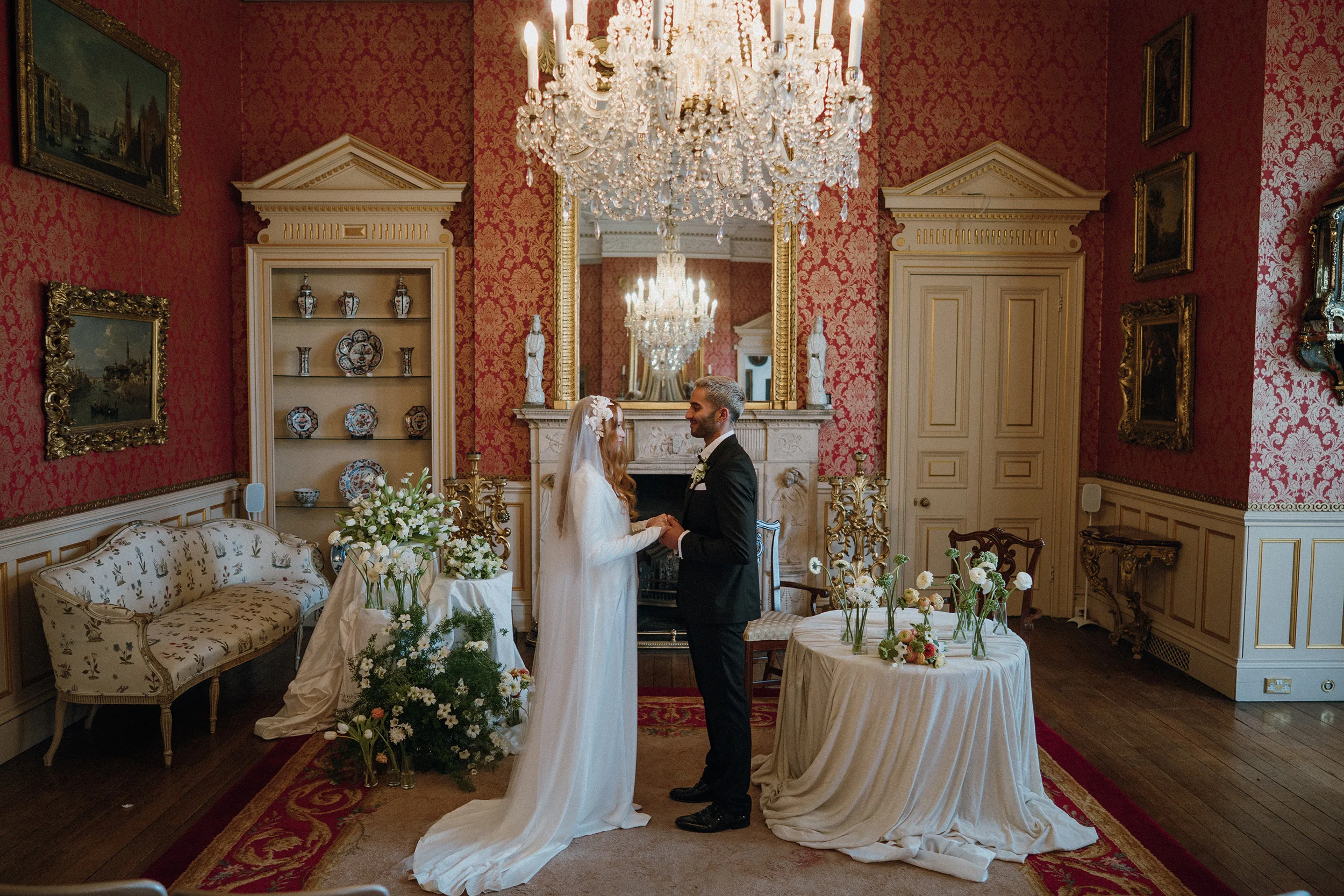
The choice of Capesthorne Hall as the backdrop for the editorial provides significant architectural and historical weight to the project. Located near Siddington, Cheshire, the hall is a Grade II* listed building that has been the ancestral home of the Bromley-Davenport family since the early 18th century. The current Jacobean-style structure, largely rebuilt by Edward Blore in the 1830s and further restored by Anthony Salvin after a fire in 1861, offers a dramatic setting that mirrors the "sovereign" themes of the Persephone collection.
The hall’s expansive gardens and its distinctive red-brick exterior provided a palette that complemented the editorial’s focus on early spring light. Historically, Capesthorne Hall has served as a cultural landmark in the Northwest of England, and its role as a premier wedding venue contributes to a regional wedding economy that sees millions of pounds in annual turnover. For Wilderness Bride, the venue’s blend of grandeur and weathered history served as the physical manifestation of the "Underworld" and "Upperworld" dichotomy present in the Persephone myth.
Technical Execution: The Resurgence of Analog Photography
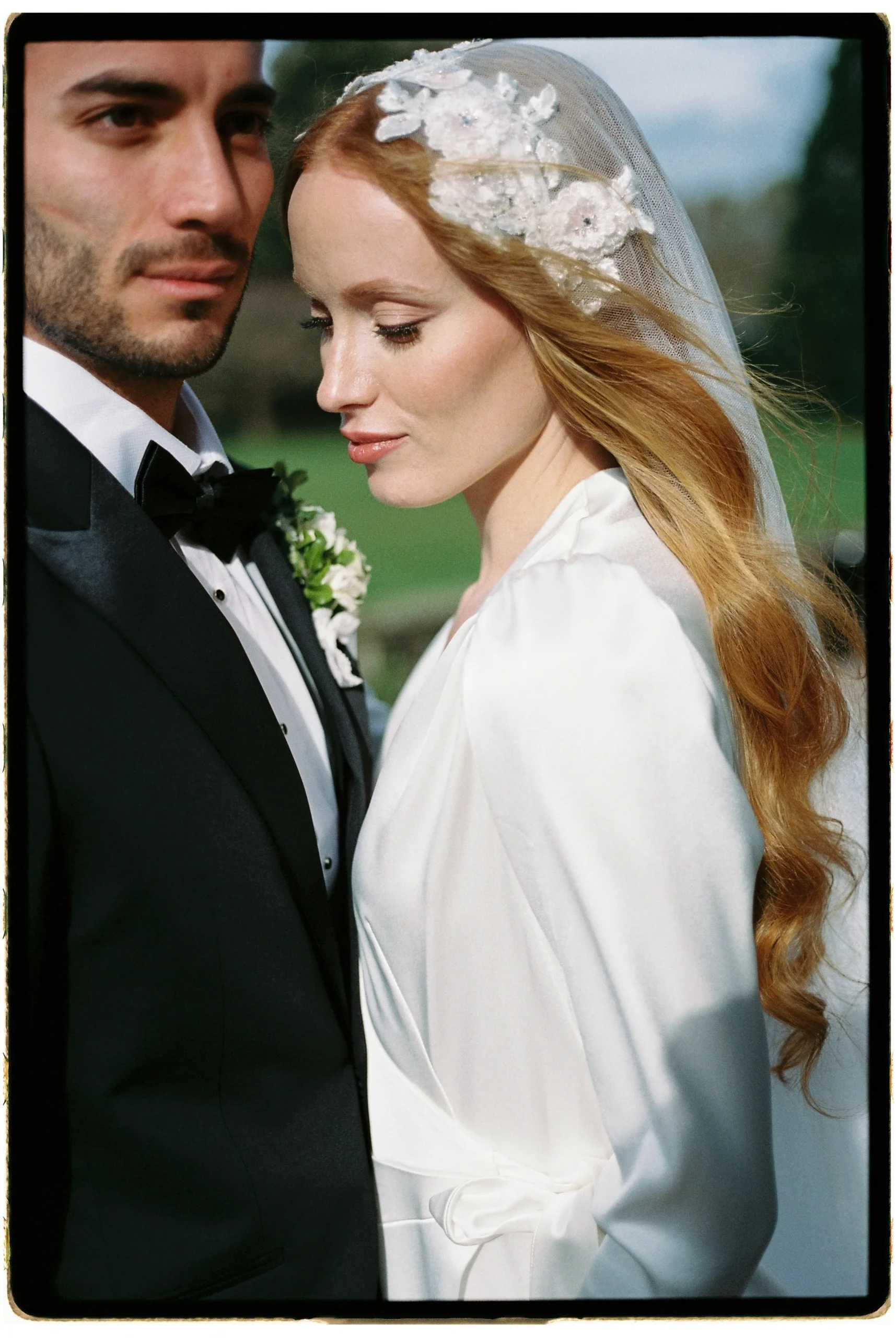
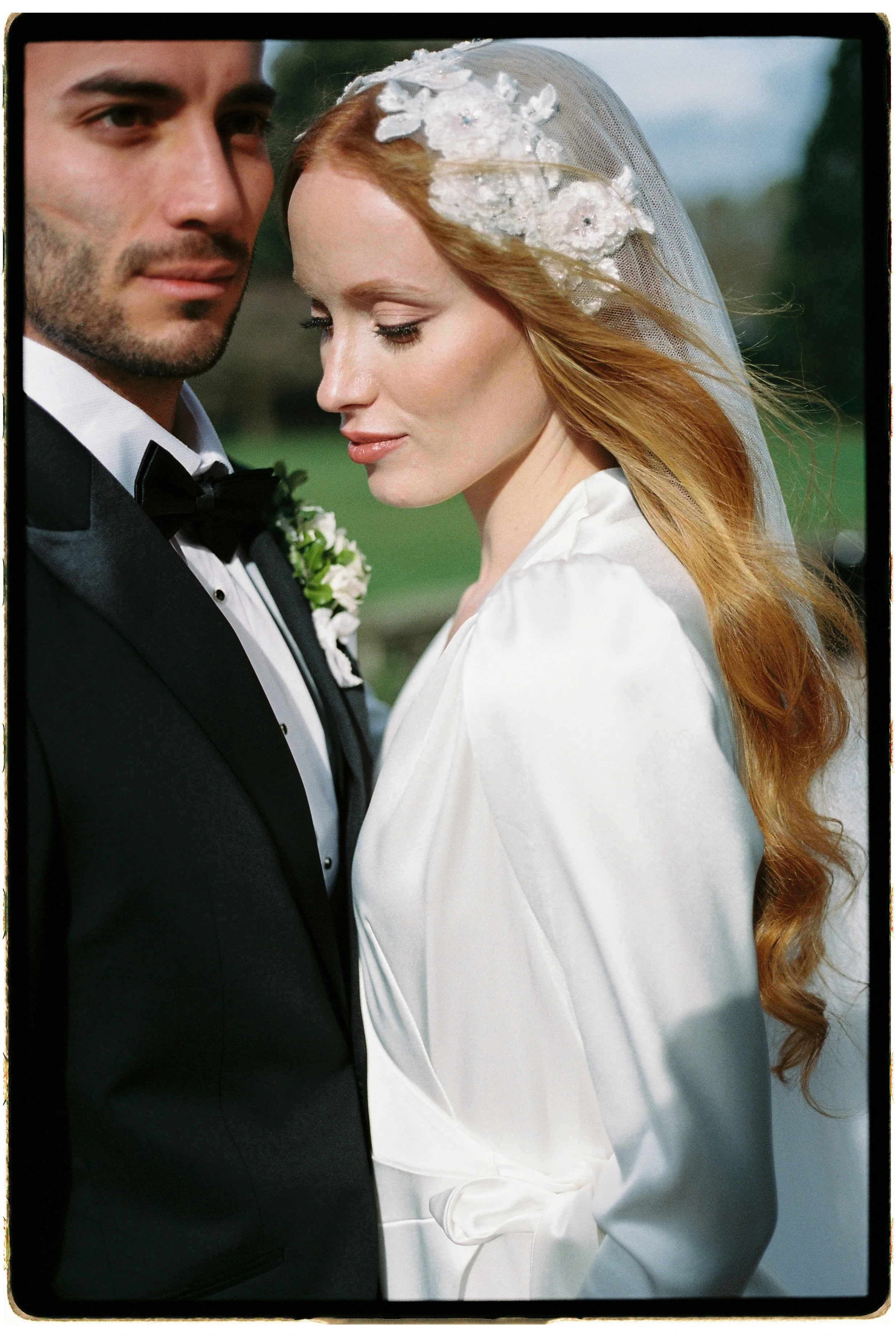
A defining technical element of the editorial was the use of both digital and 35mm film photography by Georgina Harrison. The resurgence of film in the wedding and fashion industries is a documented phenomenon, driven by a desire for the "organic grain" and "timeless color science" that digital sensors often struggle to replicate. Harrison’s dual-format approach allowed for a comprehensive documentation of the day, capturing the sharp details required for commercial catalogs while providing the atmospheric, ethereal quality necessary for a high-fashion editorial.
The use of 35mm film is particularly pertinent given the collection’s 1930s and 1940s influences. During these decades, film was the primary medium for fashion documentation, and by utilizing the same technology, the creative team established an authentic visual link to the era’s elegance. This technical choice reflects a broader trend within the luxury wedding market where clients increasingly request film photography for its perceived authenticity and artistic prestige.
Design Aesthetics and 20th-Century Influence
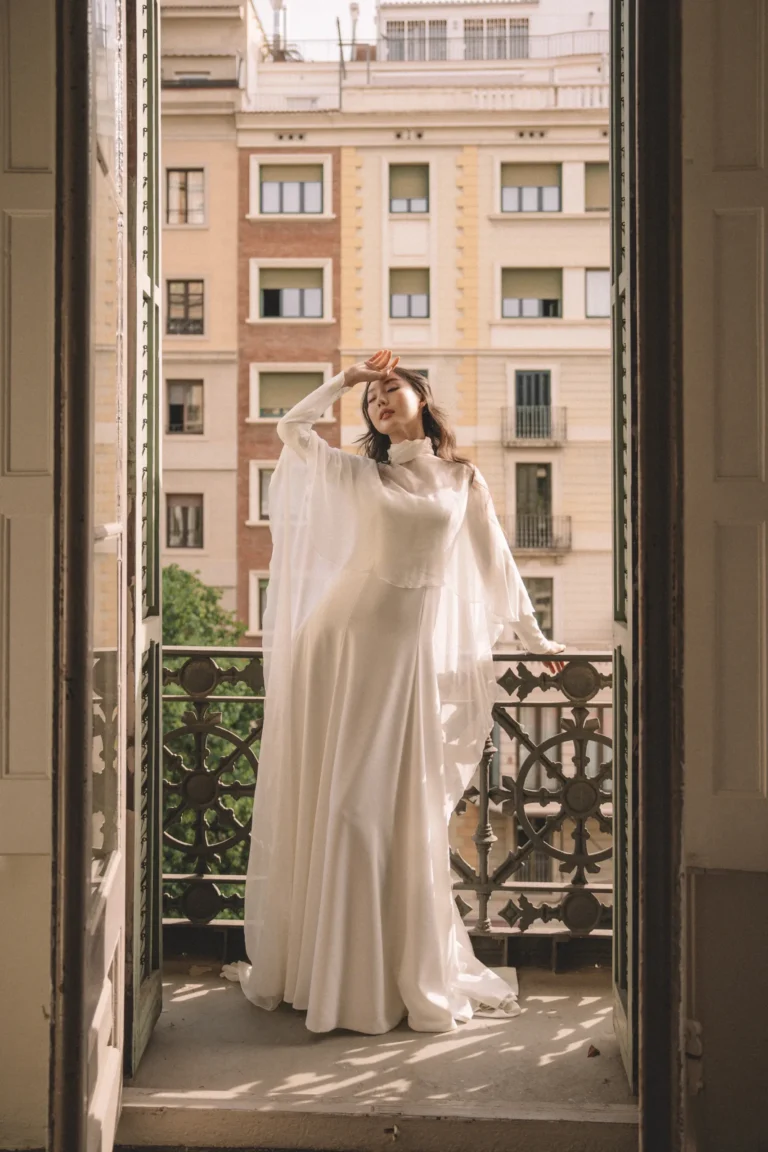
While the Persephone collection remains in its developmental stages, the editorial showcased existing Wilderness Bride designs that share the label’s signature 1930s and 1940s silhouettes. These eras are characterized by bias-cut silks, padded shoulders, and a focus on the natural waistline—elements that Mitchell has refined for the modern bride.
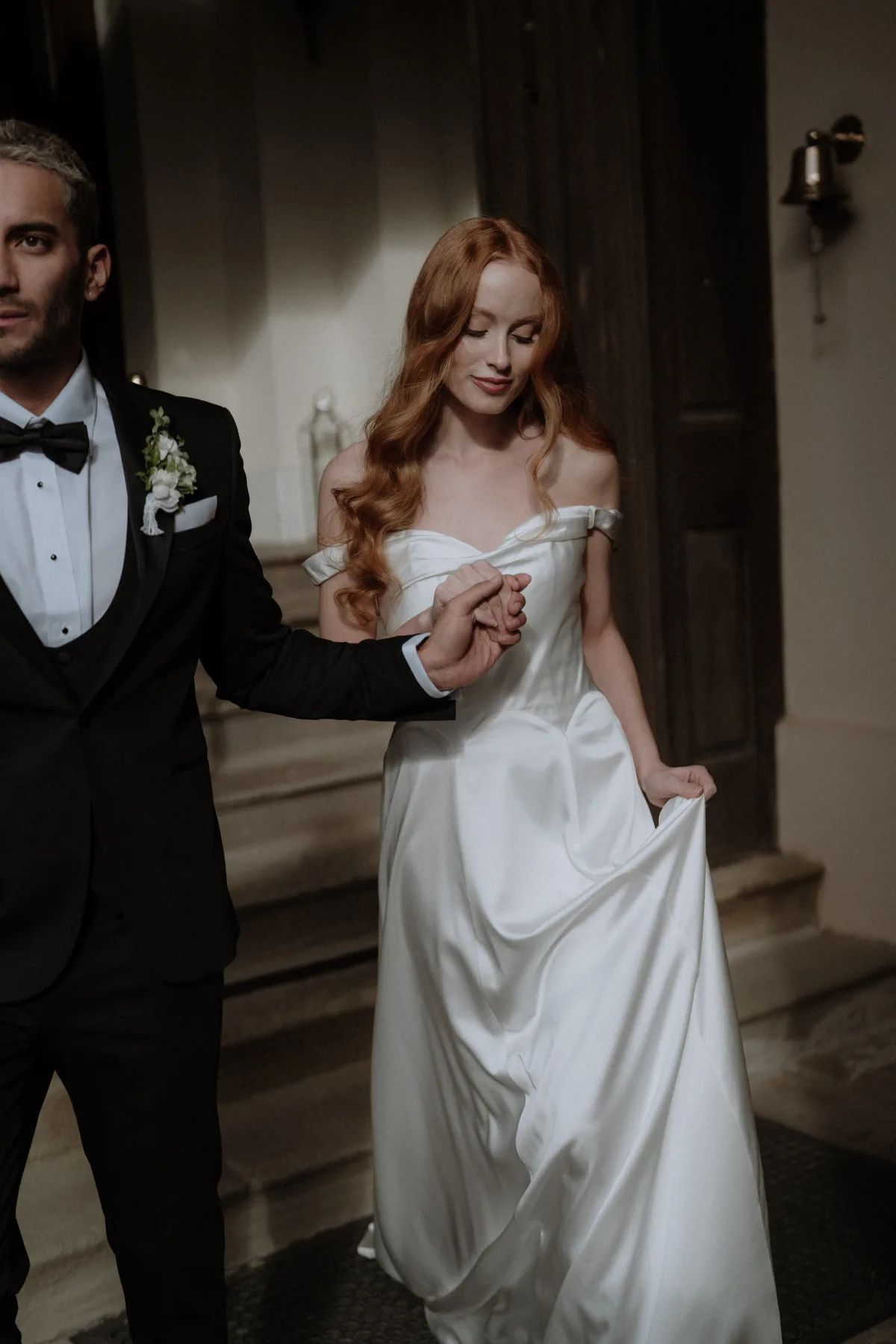
The styling of the model, Fern, was curated to harmonize with her striking red hair, utilizing a palette of soft blush tones and warm neutrals. This color story was extended to the accessories, which included a veil adorned with blush and ivory beaded lace. The decision to move away from traditional stark whites in favor of "blush and warm neutrals" aligns with current consumer data suggesting a move toward personalized color palettes in the bridal sector.
Collaborative Artistry: Florals, Stationery, and Confectionery
The editorial was supported by a team of specialized suppliers, each contributing to the cohesive visual narrative:
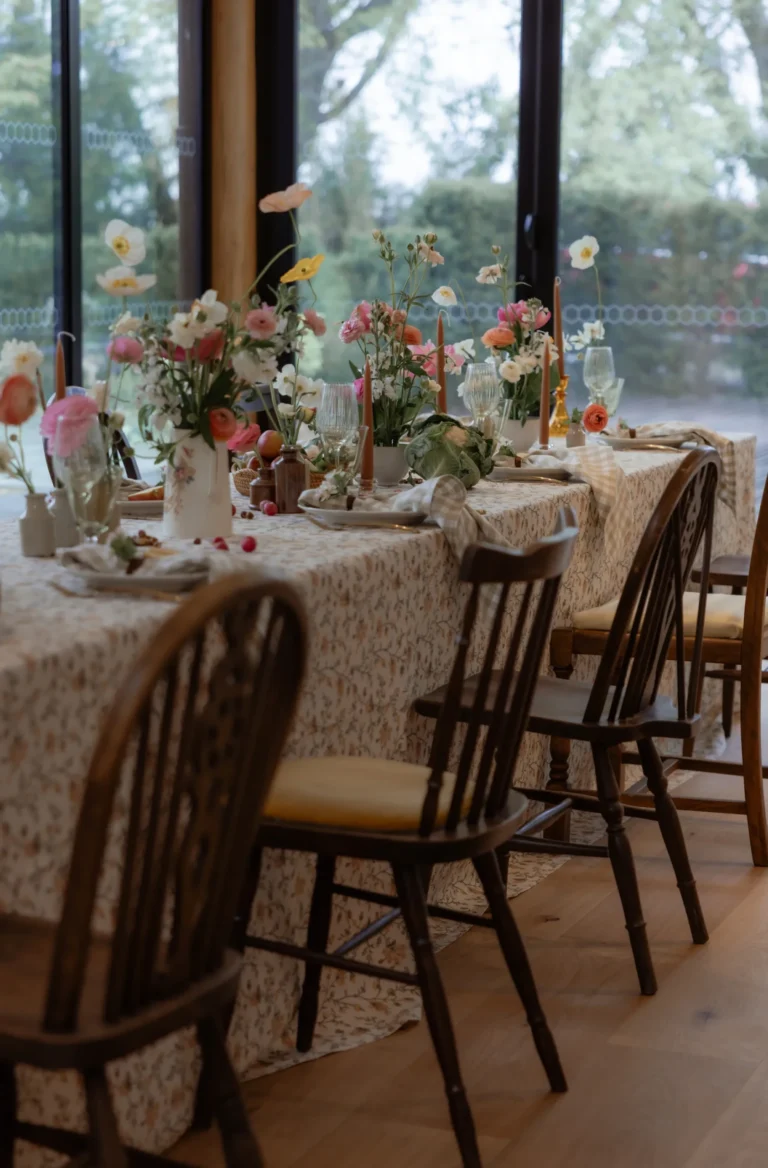
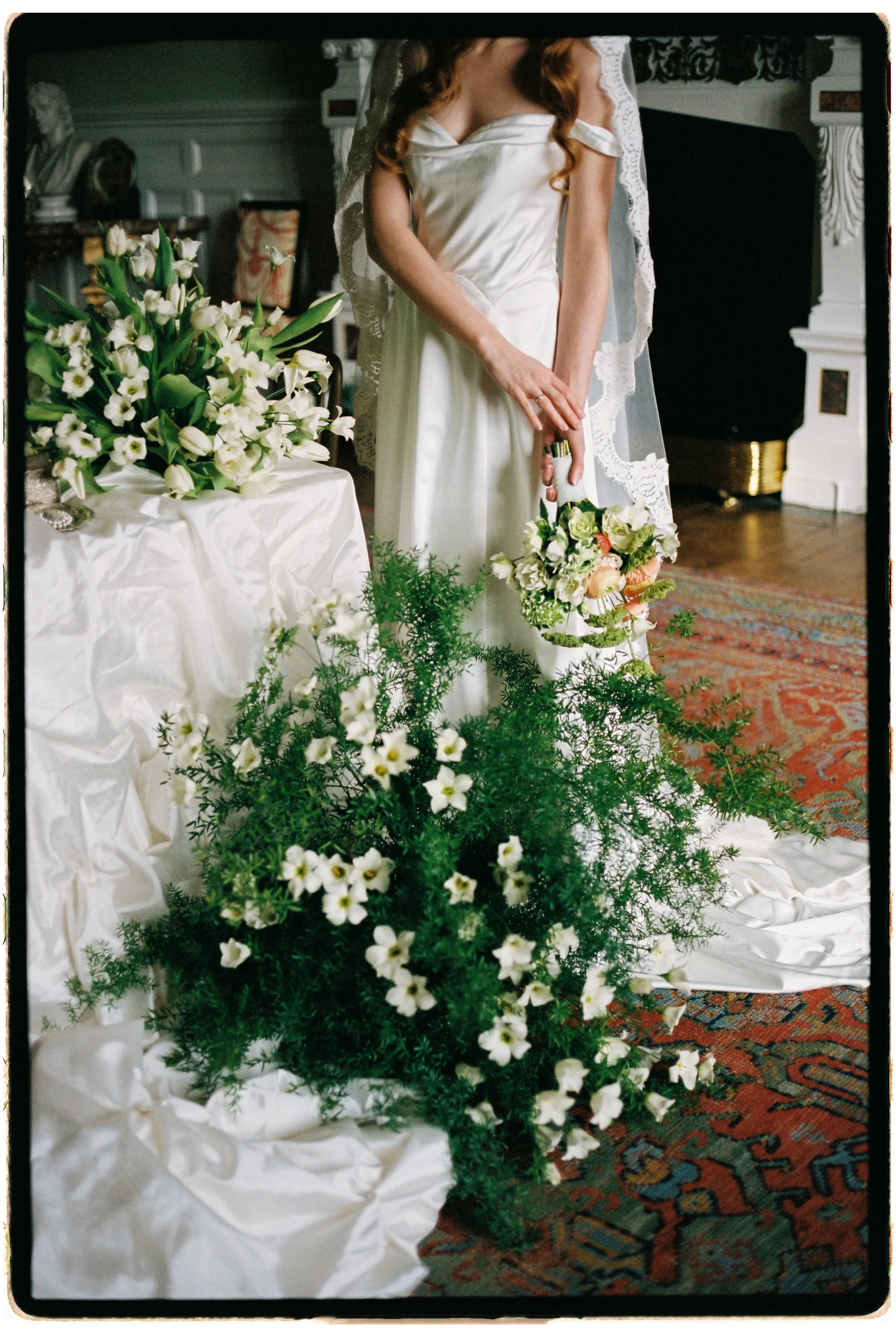
- Floral Design: The arrangements were intentionally deconstructed and understated. Moving away from the dense, symmetrical bouquets of previous seasons, the floral work focused on movement and "wistfulness," intended to evoke the emergence of early spring. This "undone" aesthetic is currently favored in high-end editorial work for its ability to look both natural and sophisticated.
- Stationery: Linhay Press provided letter-pressed stationery that emphasized minimalism and tactile quality. In an era of digital invitations, the demand for artisanal, letter-pressed paper goods remains high among luxury consumers who value craftsmanship and physical keepsakes.
- Confectionery: A seven-tier cake, designed by Lucy, served as the architectural centerpiece of the indoor setups. The cake’s intricate detailing mirrored the textures found in the bridal gowns, illustrating the high level of coordination required between fashion designers and culinary artists in the wedding industry.
Chronology of the Production
The production of the editorial followed a rigorous timeline designed to maximize the "golden hour" and the specific qualities of early spring light:
- Pre-Production (0-3 Months): Conceptualization of the Persephone theme, venue scouting, and supplier curation. Mitchell and Harrison collaborated on a mood board that balanced mythological references with 1940s fashion photography.
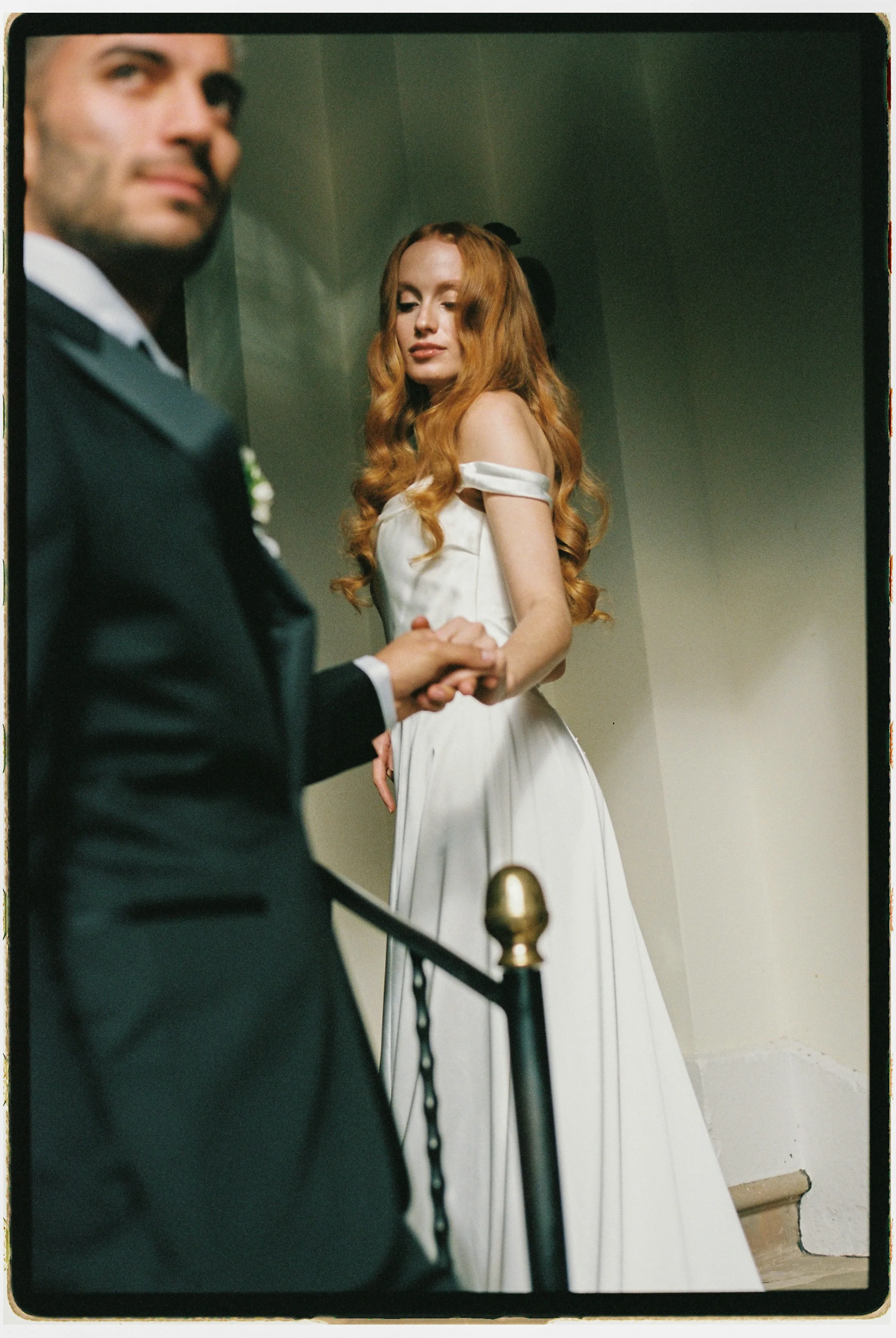
- The Shoot Day (08:00 – 18:00): The team arrived at Capesthorne Hall for hair and makeup styling. The morning sessions focused on the indoor "sovereign" shots, utilizing the hall’s stately rooms. The afternoon was dedicated to the "spring return" narrative, taking advantage of the natural light in the gardens.
- Post-Production (2-4 Weeks): Harrison processed the 35mm film and synchronized the digital assets. This phase involved careful color grading to ensure the blush tones remained consistent across both formats.
Industry Implications and Market Analysis
The release of this editorial comes at a time of relative stability for the UK wedding industry, which is estimated to be worth approximately £14.7 billion annually. Within this market, the "independent designer" sector is seeing growth as brides move away from mass-produced gowns in favor of labels like Wilderness Bride that offer clear brand identities and sustainable, local production.
Furthermore, the strategic use of high-quality editorial content has become a necessity for bridal brands looking to compete in a saturated digital landscape. By investing in a narrative-driven shoot at a prestigious location like Capesthorne Hall, Wilderness Bride positions itself as a luxury heritage brand. This approach not only attracts direct consumers but also builds "brand equity" within the professional network of wedding planners and high-end directories.
Official Responses and Future Outlook
Reflecting on the collaboration, Stephanie Mitchell emphasized the importance of the team’s synergy. "This editorial allowed us to explore the atmosphere of the Persephone collection before its full release," Mitchell stated. "The myth of transformation is incredibly relevant to the modern bride, and seeing that vision come to life through Georgina’s lens and the hall’s historic backdrop was a vital step in our creative process."
The management at Capesthorne Hall also expressed satisfaction with the production, noting that such collaborations highlight the venue’s versatility as both a historic site and a modern creative hub. The hall continues to support local designers and artisans, reinforcing its status as a cornerstone of the Cheshire creative economy.
The full Persephone collection is expected to debut later this year, with the images from this editorial serving as the primary marketing assets for the launch. As bridal trends continue to evolve, the success of this project suggests that the intersection of classical mythology, vintage fashion, and high-caliber photography will remain a potent force in the luxury wedding market. By focusing on "feminine strength" and "transformation," Wilderness Bride has tapped into a resonant cultural theme that transcends simple seasonal trends, offering a preview of a collection that is as intellectually grounded as it is aesthetically refined.