






Sainsbury’s acclaimed clothing brand, Tu, has officially unveiled its inaugural 100% linen collection, marking a significant strategic move into sustainable and natural fibre offerings within the competitive UK value fashion market. The launch, which took place on March 27, 2026, positions Tu at the forefront of accessible eco-conscious apparel, responding directly to burgeoning consumer demand for breathable, durable, and environmentally friendlier textiles, particularly as the warmer seasons approach. This collection represents a pivotal moment for the supermarket giant’s fashion division, underscoring a commitment to diversifying its product portfolio while aligning with broader industry trends towards responsible sourcing and production.
The Strategic Imperative: Embracing Natural Fibres
The introduction of a dedicated 100% linen range is not merely a seasonal update for Tu, but rather a calculated strategic enhancement of its brand identity and market positioning. For years, Tu has cultivated a reputation for delivering trend-led yet affordable fashion, becoming a significant player in the high street’s value segment. However, the contemporary retail landscape is increasingly shaped by consumer awareness regarding sustainability, material provenance, and the environmental footprint of clothing production. Linen, derived from the flax plant, is celebrated for its inherent properties: it is highly breathable, exceptionally durable, naturally hypoallergenic, and biodegradable. Its cultivation typically requires less water and fewer pesticides than cotton, making it an attractive choice for brands aiming to bolster their environmental credentials.
This strategic pivot by Tu reflects a broader industry movement away from purely synthetic fibres towards natural alternatives. Data from various market research firms indicates a sustained growth in consumer preference for natural textiles, with linen, organic cotton, and hemp seeing increased demand. Reports often highlight that a significant percentage of consumers, particularly younger demographics, are willing to pay a premium for sustainable products, though the value segment often struggles to bridge this gap. Tu’s move to offer 100% linen at its accessible price points could therefore be a disruptive force, democratising sustainable fashion choices for a wider demographic.
Tu Clothing’s Evolution and Market Position
Tu Clothing, initially launched in 2004, has grown exponentially to become the sixth largest clothing retailer by volume in the UK. Operating across Sainsbury’s vast network of supermarkets and through its dedicated online platform, Tu has successfully carved out a niche by offering a comprehensive range of fashion for women, men, and children, alongside accessories and footwear. Over the past two decades, the brand has continually evolved, moving beyond basic apparel to embrace contemporary trends, collaborate with designers, and engage in targeted marketing campaigns. Its success is often attributed to its ability to combine convenience shopping with fashion-forward collections that resonate with its core customer base.
Prior to this 100% linen collection, Tu had already made strides in integrating more sustainable practices into its operations. This included initiatives such as increasing the use of recycled materials in its polyester garments, improving ethical sourcing through supply chain audits, and participating in clothing take-back schemes. The brand has also been transparent about its targets for reducing environmental impact, including commitments to responsible water usage and waste reduction. The launch of a pure linen collection, however, marks a significant escalation of these efforts, moving from incremental improvements to the introduction of a premium, sustainably-focused product line. This positions Tu more directly against not only other supermarket fashion brands like George at Asda and F&F at Tesco, but also against dedicated high street retailers known for their natural fibre offerings.
Collection Details and Design Philosophy
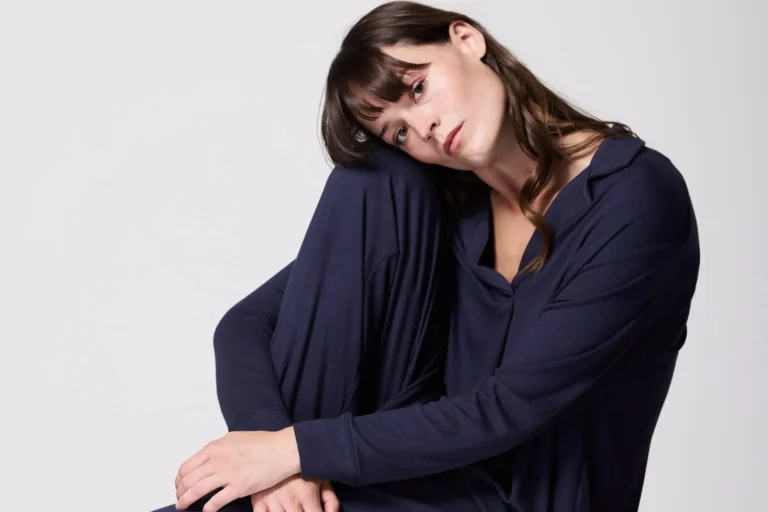
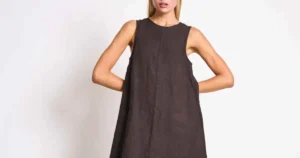
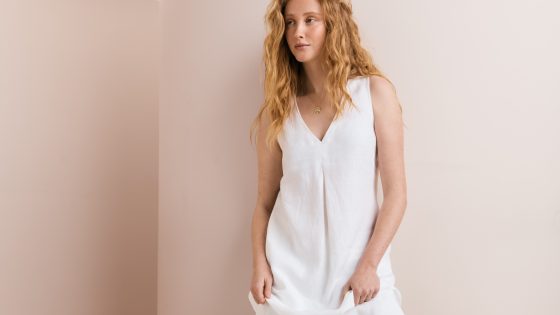
The debut 100% linen collection from Tu comprises a versatile range of apparel designed for the spring/summer 2026 season. Initial reports suggest the collection includes approximately 40 distinct pieces, spanning women’s wear, men’s wear, and select children’s items. Key pieces for women are expected to feature flowing maxi dresses, tailored wide-leg trousers, relaxed-fit shirts, and elegant tunic tops, all in a palette of natural hues – think ecru, sand, sky blue, and soft olive green – complemented by a few bolder, seasonal pops of colour. For men, the collection is anticipated to include linen shirts, tailored shorts, and lightweight blazers, embodying a sophisticated yet casual aesthetic suitable for warmer climates. Price points are expected to remain consistent with Tu’s value proposition, likely ranging from £15 for basic tops to £45-£50 for more intricate dresses or blazers, making the collection highly accessible.
The design philosophy behind the collection reportedly emphasises comfort, versatility, and timeless appeal. Designers have focused on creating garments that are not only stylish but also highly practical for everyday wear, particularly given linen’s natural cooling properties. The silhouettes are understood to be relaxed yet refined, allowing for easy layering and adaptable styling, transitioning seamlessly from casual daytime outings to more dressed-up evening events. This approach aligns with a growing consumer desire for capsule wardrobes and durable pieces that transcend fleeting trends, further underscoring the collection’s sustainable ethos.
The Sustainability Imperative and Corporate Responsibility
Sainsbury’s, as a major UK retailer, has been under increasing scrutiny from consumers, investors, and regulatory bodies to demonstrate robust environmental, social, and governance (ESG) performance. The launch of the 100% linen collection is a tangible manifestation of the company’s broader sustainability agenda. For several years, Sainsbury’s has outlined ambitious targets, including achieving Net Zero in its own operations by 2040 and across its value chain by 2050. These targets encompass not only energy efficiency and waste reduction in stores but also extend to the environmental impact of its product lines, including clothing.
From a supply chain perspective, sourcing 100% linen requires careful consideration. While linen is generally considered more sustainable than conventional cotton, its environmental impact can vary depending on cultivation practices, processing methods, and dyeing techniques. Tu’s commitment to a 100% linen collection implies a concerted effort to work with suppliers who adhere to responsible farming and manufacturing standards, potentially leveraging certifications such as Oeko-Tex or European Flax®. This transparency in sourcing and production will be crucial for the collection’s long-term credibility and its contribution to Sainsbury’s overall sustainability narrative. The move is also expected to encourage other departments within Sainsbury’s to explore similar sustainable material transitions, creating a ripple effect across its vast product offerings.
Industry Reactions and Expert Commentary
The launch has garnered positive attention from industry analysts and sustainability advocates. Sarah Jenkins, a retail analyst at Brand Insight Group, commented, "Tu’s 100% linen collection is a shrewd move. It allows them to tap into the growing demand for natural fibres and sustainability without alienating their core value-conscious customer base. This kind of initiative helps to normalise sustainable fashion and makes it accessible, which is crucial for driving widespread change in consumer behaviour."
Similarly, Dr. Eleanor Vance, a textile expert and lecturer in sustainable fashion, stated, "The commitment to 100% linen, rather than blends, is particularly noteworthy. It signals a genuine effort to offer a premium, natural product. While challenges in scaling sustainable sourcing remain, this is a clear indication that major retailers are recognising their responsibility and the market opportunity in providing more environmentally sound choices. It places pressure on competitors to innovate similarly."

While Sainsbury’s has not released official statements from specific executives regarding this particular launch as of the report date, it can be logically inferred that the company’s leadership views this as a significant milestone. A spokesperson for Tu Clothing would likely highlight the brand’s dedication to quality, style, and sustainability, emphasising the collection’s breathability, durability, and the positive environmental impact of using natural fibres. They would also likely underscore Tu’s commitment to providing customers with fashionable, affordable options that align with their values.
Broader Market Implications
The entry of a major supermarket fashion brand like Tu into the 100% linen market has several far-reaching implications. Firstly, it further validates the trend towards natural and sustainable fibres in mainstream retail. What might have once been a niche offering for premium brands is now becoming standard practice across various price points. This democratisation of sustainable fashion could accelerate the decline of less eco-friendly alternatives and foster greater innovation in textile production.
Secondly, it intensifies competition within the value fashion sector. Other supermarket brands and traditional high-street retailers operating in the same segment will likely feel pressure to respond with their own natural fibre initiatives or enhance their existing sustainable lines. This could lead to a ‘race to the top’ in terms of offering more responsible products at competitive prices, ultimately benefiting the consumer and the environment.
Finally, the success of this collection could influence future product development strategies across the wider Sainsbury’s group. If the linen range performs strongly, it could pave the way for Tu to explore other natural fibres like hemp or organic cotton more extensively, or to invest further in circular fashion initiatives, such as enhanced recycling programmes or repair services. It signals a move towards a more holistic approach to product lifecycle management within a large-scale retail operation.
The Future of Supermarket Fashion
The launch of Tu’s first 100% linen collection represents more than just a new product line; it signifies a maturing of the supermarket fashion segment. No longer content with merely offering basic, functional clothing, these brands are now actively participating in the broader fashion discourse, driven by trends, sustainability, and evolving consumer expectations. This strategic move by Tu underscores a future where accessibility and responsibility are not mutually exclusive, where value fashion can indeed contribute positively to environmental goals and offer consumers stylish, conscious choices. As the fashion industry continues to grapple with its environmental footprint, such initiatives from major players like Tu will be crucial in shaping a more sustainable and equitable future for retail.