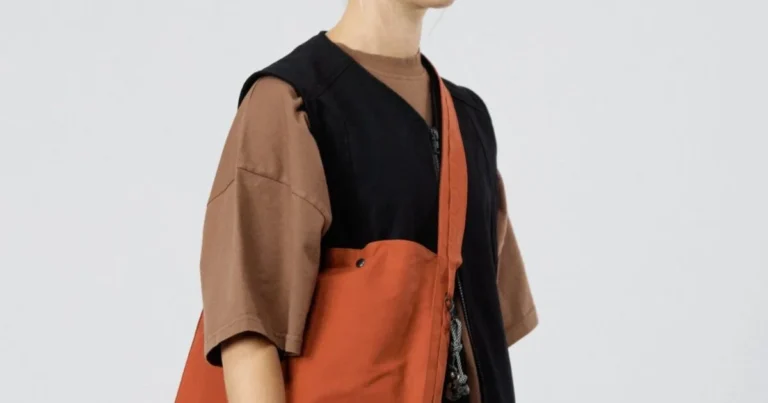












The Iberian Peninsula is emerging as a significant hub for ethical fashion, with a growing number of brands committed to sustainable practices. Through rigorous evaluation systems, consumers are increasingly able to identify and support companies that prioritize environmental stewardship, fair labor practices, and animal welfare. This burgeoning sector in Spain and Portugal represents a critical shift towards a more responsible global fashion industry, offering a curated selection of top-rated brands for the conscious consumer.
I. The Global Imperative: Reshaping the Fashion Landscape
The global fashion industry, a multi-trillion-dollar behemoth, has long been criticized for its profound environmental and social impact. From resource-intensive production cycles to exploitative labor conditions, the urgency for systemic change has become undeniable. Consumers, policymakers, and industry stakeholders are increasingly demanding transparency and accountability, driving a powerful movement towards sustainability.
A. Unpacking Fashion’s Environmental and Social Footprint
Fast fashion’s relentless cycle of production and consumption contributes significantly to global pollution. Textile production is estimated to be responsible for 10% of global carbon emissions, more than international flights and maritime shipping combined. The industry is also a major consumer of water, with an estimated 2,700 liters needed to produce a single cotton t-shirt. Chemical dyes and finishes pollute waterways, particularly in developing countries where environmental regulations may be lax. Furthermore, vast quantities of clothing end up in landfills, with less than 1% of materials used to produce clothing being recycled into new garments.
Beyond environmental concerns, the human cost of fashion is equally stark. The supply chain is notoriously opaque, often characterized by low wages, unsafe working conditions, and a lack of basic human rights for garment workers, many of whom are women in vulnerable positions. Reports of child labor, forced labor, and inadequate safety measures continue to surface, highlighting a systemic failure to protect human dignity.
B. The Rise of Conscious Consumerism and Regulatory Pressure
In response to these challenges, a new era of conscious consumerism has dawned. Consumers, particularly younger generations, are more informed and increasingly willing to invest in brands that align with their values. Research indicates a significant rise in demand for sustainable and ethically produced goods, with many individuals actively seeking alternatives to fast fashion. This shift is amplified by digital platforms and social media, which facilitate greater awareness and empower collective action.
Simultaneously, regulatory bodies, particularly within the European Union, are enacting stricter guidelines and promoting circular economy principles. The EU Green Deal, for instance, includes strategies aimed at making textiles more durable, reusable, repairable, and recyclable, effectively pushing the industry towards more sustainable business models. These legislative efforts aim to internalize the environmental and social costs that have historically been externalized by the industry.
II. Good On You’s Methodology: A Compass for Conscious Choices
Navigating the complex landscape of ethical claims can be daunting for consumers. The phenomenon of "greenwashing," where brands make misleading claims about their environmental or social practices, further complicates the purchasing decision. Independent assessment platforms play a crucial role in providing clarity and holding brands accountable. Good On You stands as a leading example, offering a robust and transparent rating system for fashion brands worldwide.
A. The Rigor of Rating Systems
Good On You’s methodology involves a comprehensive evaluation of brands across three key areas: people, the planet, and animals. This multi-faceted approach ensures a holistic assessment, moving beyond single-issue marketing claims to reveal a brand’s true commitment to sustainability. Their ratings, ranging from "We Avoid" to "Great," are based on publicly available information, industry standards, and third-party certifications. The editors curate highly-rated brands, which are first assessed by this rigorous ratings system. Purchases made through associated links may generate a commission, which supports the platform’s work in providing independent analysis. Consumers can learn more about this editorial mission and the underlying principles of transparency.
B. Pillars of Ethical Production: People, Planet, Animals
An ethical brand, as defined by platforms like Good On You, demonstrates a positive impact across its entire supply chain. This commitment is meticulously evaluated through distinct pillars:
-
People: This pillar scrutinizes a brand’s labor practices. Key indicators include policies and practices against child labor and forced labor, commitments to worker safety, and the recognition of workers’ rights to join unions. Crucially, it assesses whether a brand ensures the payment of a living wage across its supply chain. A living wage is distinct from a minimum wage; it is calculated to cover basic needs, including food, housing, healthcare, education, and discretionary income, allowing workers and their families to live with dignity. Brands that actively work towards and achieve living wage benchmarks score highly in this category. Transparency regarding supply chain factories and audit results also contributes to a higher rating.
-
Planet: The environmental impact of fashion is enormous, and this pillar evaluates a brand’s efforts to mitigate it. This includes responsible use of resources and energy, with a focus on reducing carbon emissions throughout production. Brands are assessed on their strategies to minimize waste, manage water usage efficiently, and safely handle and dispose of chemicals. The use of lower-impact materials (e.g., organic cotton, recycled fabrics, TENCEL™ Lyocell), renewable energy sources in manufacturing, and circular design principles are all factors that contribute to a positive "Planet" rating. Brands that actively track and report their environmental footprint, setting ambitious reduction targets, demonstrate stronger commitment.
-
Animals: This pillar addresses the ethical treatment of animals within the fashion supply chain. It evaluates a brand’s stance on animal-derived products, ideally favoring those that use no or very few such materials. This includes a critical look at the sourcing of wool, leather, fur, angora, down feather, shearling, karakul, and exotic animal skins and hairs. Brands that are 100% vegan, meaning they use no animal products whatsoever, receive the highest ratings in this category. The presence of animal welfare policies, certifications from organizations like PETA, and traceability of animal-derived materials are also considered.
C. Navigating Greenwashing
By providing a transparent, evidence-based rating system, Good On You empowers consumers to cut through the noise of marketing claims. It helps individuals understand what goes on behind the price tag, allowing them to make informed decisions and support brands that genuinely contribute to a more sustainable future, rather than those merely engaging in superficial "greenwashing" tactics.
III. Spain and Portugal: Iberian Leaders in Sustainable Apparel
Spain and Portugal, with their rich textile traditions and strategic location, are increasingly becoming key players in the sustainable fashion movement. Both countries boast a heritage of quality craftsmanship, which is now being re-imagined through an ethical lens, appealing to a growing segment of consumers who value local production and environmental responsibility.
A. A Rich Textile Heritage Meets Modern Values
Historically, the Iberian Peninsula has been a significant center for textile and garment manufacturing. Portugal, in particular, is renowned for its high-quality fabrics and skilled workforce, often serving as a manufacturing hub for international brands. Spain also possesses a vibrant fashion industry with a strong design identity. This established infrastructure and expertise provide a fertile ground for sustainable innovation. Many local brands are leveraging this heritage, combining traditional craftsmanship with modern, ethical production techniques and materials. This fusion allows them to maintain high quality while adhering to contemporary sustainability standards.
B. Benefits of Local Production
A significant advantage of supporting Spanish and Portuguese brands, especially for consumers within Europe, is the benefit of local production. Manufacturing closer to home significantly reduces the carbon footprint associated with long-distance shipping and complex global supply chains. This geographical proximity also often allows for greater oversight of working conditions and environmental practices, fostering stronger relationships between brands and their manufacturers. For consumers, shopping locally means directly supporting regional economies, creating jobs, and strengthening communities. It also offers a tangible connection to the production process, reinforcing the value of each garment.
C. The Iberian Consumer Landscape
The market in Spain and Portugal reflects the broader European trend of increasing demand for ethical products. Consumers are becoming more discerning, prioritizing longevity, quality, and transparency over fleeting trends. There’s a growing appreciation for unique designs that tell a story of responsible sourcing and production. This demand fuels the growth of local sustainable brands, creating a virtuous cycle where consumer choices encourage more businesses to adopt ethical practices.
IV. Showcasing Iberian Innovators: Top-Rated Sustainable Brands
The Good On You database highlights a compelling selection of brands from Spain and Portugal that have achieved "Good" or "Great" ratings, signifying their strong commitment to ethical and sustainable practices. This article spotlights a selection of 13 leading brands that exemplify the diverse approaches to sustainability in the region.
A. Portuguese Pioneers in Responsible Production
- NÄz: This Portuguese brand distinguishes itself by creating timeless womenswear using lower-impact materials. Their focus on classic designs encourages longevity, directly countering the fast fashion cycle. NÄz’s commitment extends to responsible material sourcing, ensuring their garments are as kind to the planet as they are stylish. Most garments available in sizes S-L.
- Organique: A Portuguese athleisure brand tailored for the contemporary woman, Organique is entirely produced in a high-end local atelier. They champion slow fashion by designing with durability in mind, utilising high-quality organic materials and lower-impact fabrics such as organic cotton and TENCEL Lyocell. Organique is also proudly 100% vegan. Find the range in sizes S-L. Also available @ Immaculate Vegan.
- ISTO.: ISTO.’s mandate is straightforward: to create trans-seasonal clothing that serves as wardrobe staples. They adhere to a philosophy of quality over quantity, aiming for permanent availability of their items. The brand uses organic materials and transparently displays the true cost of their garments, fostering consumer trust and informed purchasing. The range is available in XS-XL.
- ColieCo: Specializing in lingerie, underwear, and swimwear, ColieCo operates on a handmade-to-order basis from Portugal. This production model minimizes waste and ensures meticulous craftsmanship. Every garment is made using exclusively lower-impact and responsibly sourced fabrics, demonstrating a deep commitment to environmental responsibility. Find the range in sizes 2XS-3XL.
- Conscious the label: This brand brings ethical innovation to swimwear. Each piece is cut and sewn by hand in their Lisbon atelier, ensuring high quality and limited runs dictated by fabric availability. Committed to circularity, their swimwear is made of 78% recycled plastic from ocean waste and shipped in sustainable packaging, setting a high bar for responsible swimwear production. Find most swimwear in sizes S-XL.
B. Spanish Standard-Bearers for Ethical Design
- TWOTHIRDS: Positioning itself for consumers who appreciate both style and the immense value of oceans, TWOTHIRDS manufactures all products locally to reduce its carbon footprint. The brand also audits all stages of its final production, ensuring ethical practices throughout its supply chain. The clothes can be found in sizes XS-L.
- COSSAC: COSSAC advocates for creating timeless, feminine, and versatile apparel responsibly. They promote the minimalistic concept of capsule wardrobes, offering contemporary classics designed to be cherished beyond seasonal trends. The brand uses organic or lower-impact materials and works exclusively with small factories on limited production runs to minimize waste and deadstock. Find most of the range in sizes S-L. Also available @ Earthkind.
- SKFK: This Spanish brand creates women’s clothing collections characterized by a timeless, comfortable, and functional style. SKFK utilizes GOTS and Fairtrade certified cotton, ensuring both organic integrity and fair labor practices. Their Code of Conduct aligns with the ILO Four Fundamental Freedoms principles and ensures payment of a living wage in most of its supply chain. Find most items in sizes XS-2XL.
- Ecoology: Born in Barcelona, Ecoology is a sustainable fashion label dedicated to conscious individuals. They craft fashion using certified organic fabrics, natural fibers, and recycled materials, embodying a holistic approach to environmental responsibility. Find the collection in sizes XS to L.
- Lefrik: A Spanish brand designing urban bags, backpacks, and travel essentials, Lefrik innovates with the highest quality lower-impact fabrics made from recycled PET plastic bottles. Founded in 2012, the brand addresses the needs of modern digital nomads with fashionable and functional, yet sustainable, accessories.
- Vesica Piscis: This vegan footwear brand, based in Spain, stands out for its high proportion of lower-impact materials and the use of renewable energy in its manufacturing processes. Their made-to-order model further reduces waste, showcasing a comprehensive commitment to sustainability in footwear. Find most shoes in sizes 36-46.
- amt.: amt. studio, a Spanish clothing brand, commits to local production and the exclusive use of recycled materials. This focus on regional manufacturing and circularity minimizes environmental impact and supports the local economy. Find most items in sizes XS-L.
- Flamingos’ Life: Flamingos’ Life creates vegan sneakers for all, free from animal-derived materials. The brand incorporates lower-impact and PETA-approved vegan materials, including upcycled components, demonstrating a strong commitment to animal welfare and resource efficiency in footwear. Find the range in sizes 36-46.
V. The Path Forward: Empowering Consumers and Shaping Industry
The emergence and growth of sustainable fashion brands in Spain and Portugal signal a promising trajectory for the industry. These brands are not merely selling clothing; they are offering a blueprint for responsible business practices, demonstrating that style and ethics can coexist.
A. The Power of Informed Purchasing
Every purchase made from a brand committed to ethical practices sends a clear message to the broader fashion industry. By choosing transparent, responsible companies, consumers directly contribute to a shift away from exploitative and environmentally damaging models. Platforms like Good On You empower these choices by demystifying complex supply chains and providing accessible, reliable information. The collective power of informed consumers is a formidable force for change, driving innovation and accountability.
B. Challenges and Opportunities
While the sustainable fashion movement gains momentum, challenges remain. Scaling ethical production while maintaining affordability, increasing consumer awareness beyond niche markets, and navigating the complexities of global sourcing are ongoing hurdles. However, these challenges also present significant opportunities for innovation in material science, supply chain transparency, and business model development. The Iberian Peninsula, with its blend of traditional manufacturing expertise and a forward-thinking entrepreneurial spirit, is well-positioned to capitalize on these opportunities, potentially becoming a European leader in ethical fashion exports and innovation.
C. A Vision for a Regenerative Fashion Future
The ultimate vision for sustainable fashion extends beyond minimizing harm to actively regenerating ecosystems and empowering communities. Brands in Spain and Portugal are contributing to this vision by investing in organic agriculture, promoting fair wages, and developing circular production systems. As the industry evolves, the focus will increasingly be on creating closed-loop systems, where waste is eliminated, and resources are continually re-utilized. The commitment demonstrated by these Iberian brands offers a hopeful glimpse into a future where fashion is a force for good, enriching lives and protecting the planet for generations to come.
Editor’s Note:
Feature image via ISTO., all other images via brands mentioned. Good On You publishes the world’s most comprehensive ratings of fashion brands’ impact on people, the planet, and animals. Use their directory to search thousands of rated brands. This article was updated on March 5, 2026, with refreshed product round-ups to reflect brands with recent ratings, ensuring the information remains current and accurate.