










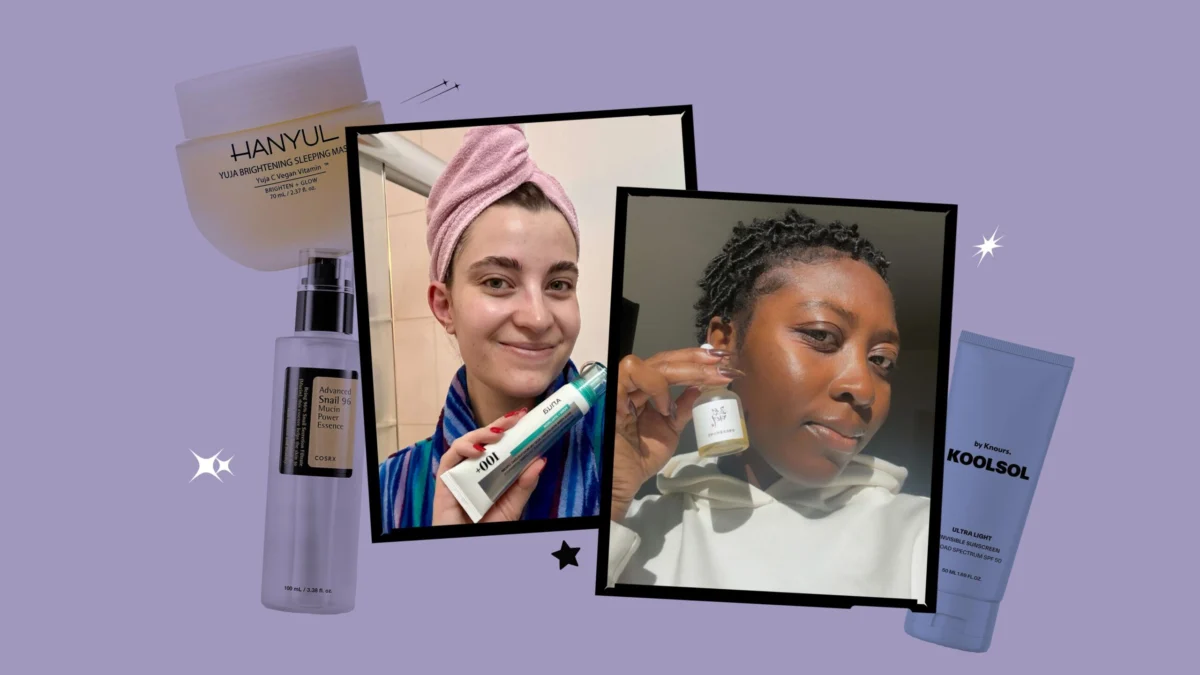
Korean skincare, a global phenomenon that has captivated beauty enthusiasts worldwide, continues to evolve at a remarkable pace. Far from being a monolithic routine, the "Korean skincare routine" is a dynamic concept, adapting to consumer preferences and scientific advancements. While the famed 10-step regimen once dominated the conversation, a more streamlined, results-driven approach is now taking center stage, emphasizing functionality and efficacy with fewer, yet more potent, products. This shift reflects a broader trend towards conscious consumption and a deeper understanding of individual skin needs.
The Modern Korean Skincare Routine: Efficiency Meets Efficacy
The notion of a rigid, 10-step Korean skincare routine, while instrumental in popularizing the genre, is increasingly being re-evaluated. "While some still adhere to [the 10-step routine], many prefer a more streamlined approach with three to five products, focusing on functionality and efficacy," explains Dr. Sarah Cho, a leading dermatologist specializing in Asian beauty trends. This minimalist philosophy prioritizes essential steps: a thorough cleanser, a nourishing moisturizer, and, crucially for daytime protection, a broad-spectrum SPF. For those venturing into building a Korean skincare regimen, or any skincare routine for that matter, Dr. Cho advises starting with these foundational elements before incorporating optional additions like toners and serums, which can further enhance specific skin concerns.
A significant advantage of many Korean skincare products lies in their multi-functional formulations. This innovation not only simplifies the routine but also offers economic and temporal benefits. A prime example is Laneige’s Cream Skin Toner & Moisturizer, a recipient of an Allure Best of Beauty Award. This innovative product seamlessly blends the hydrating properties of a toner with the emollient qualities of a moisturizer. Its milky texture, enriched with peptides and ceramides, works to soothe and soften the skin post-cleansing while effectively locking in moisture, demonstrating the Korean beauty industry’s commitment to creating efficient yet powerful skincare solutions. This approach aligns with a growing consumer demand for products that deliver multiple benefits, reducing the need for extensive layering and simplifying daily self-care rituals.
Trending Ingredients and Treatments: Innovation at the Forefront
The Korean skincare industry is characterized by its rapid adoption of cutting-edge ingredients and treatments, often setting global trends. One such ingredient generating significant buzz is PDRN, or polydeoxyribonucleotide. "PDRN is a DNA chain extracted from salmon that is a 95% match to that of humans," notes Dr. Cho. This remarkable compatibility has propelled PDRN into various sectors, including pharmaceuticals, medicine, and cosmetics within South Korea. It is lauded for its potent tissue regeneration properties and has become a popular choice for cosmeceutical injections. Beyond injectable treatments, PDRN is now making its way into topical formulations, such as Iope’s PDRN Caffeine Shot Serum, offering a less invasive avenue for achieving its rejuvenating effects.
The burgeoning demand for ethical and sustainable beauty has also influenced ingredient innovation. "The emergence of vegan PDRN, extracted from wild ginseng, caters to the growing demand for plant-based and cruelty-free skincare options," Dr. Cho elaborates. This development underscores the industry’s responsiveness to consumer values, ensuring that efficacy is not compromised by ethical considerations.
Beyond ingredient-driven advancements, certain treatments are also experiencing a surge in popularity. Microneedling, a minimally invasive procedure that utilizes fine needles to create controlled micro-injuries in the skin, is highly sought after in South Korea. "Microneedling treatments are big in South Korea because they stimulate natural healing and collagen production," explains Dr. Cho. This treatment harnesses the body’s innate regenerative capabilities to improve skin texture, reduce the appearance of scars, and enhance overall skin health. The popularity of these advanced treatments reflects a consumer desire for professional-grade results achievable through both topical applications and in-office procedures.
Navigating the Online Marketplace for Korean Skincare
The accessibility of Korean skincare products has been significantly amplified by e-commerce platforms. Amazon, in particular, has become a primary marketplace for these sought-after items. However, navigating this vast digital landscape requires a discerning approach. "As with anything else you buy on the site, you need to do your due diligence surrounding retailers and sellers," advises the editorial team at Allure. They emphasize the volatile nature of Amazon’s stock, pricing, and listed sellers, recommending a cautious approach. To mitigate risks, Allure prioritizes products sold directly by Amazon or the brand itself at the time of their review. It’s important to note that sometimes the "seller" may be listed as the parent company, as is the case with Dear Klairs products sold by Wishtrend.
Beyond Amazon, dedicated online retailers offer curated selections of Korean beauty products. Soko Glam, a prominent U.S.-based e-retailer, meticulously vets its offerings, ensuring authenticity and quality. For those willing to wait for international shipping, Asia-based retailers like Yesstyle and Olive Young provide extensive options.
However, a significant caveat exists for a particular category of Korean skincare: sunscreens. "The reality is that [many sunscreens from popular brands such as] Beauty of Joseon and Round Lab are not approved by the U.S. Food and Drug Administration (FDA), which is why they’re not sold on Soko Glam—since we import [our products] into the U.S. and have to go through FDA checks," Dr. Cho explains. This regulatory hurdle means that many highly effective and popular Korean sunscreens are not legally available through official U.S. import channels. Consequently, purchasing these products on platforms like Amazon carries an elevated risk of encountering counterfeit items. "I caution people buying off of Amazon, as it is rife with counterfeit products since Amazon U.S. would not be able to sell these either (it’s a matter of import)," Dr. Cho warns. This highlights a critical aspect of international beauty commerce, where regulatory compliance plays a pivotal role in product availability and consumer safety.
Allure‘s Commitment to Rigorous Testing and Review
Allure upholds a stringent methodology for testing and reviewing beauty products, including those within the Korean skincare domain. Their editorial process involves a comprehensive evaluation of each product from multiple perspectives. This includes a meticulous review of ingredients, a critical examination of brand claims, and, when necessary, an analysis of relevant scientific and medical studies. Beyond laboratory assessments, Allure relies on the expertise of leading professionals in dermatology, cosmetic chemistry, and medicine to validate ingredient efficacy and formulation integrity.
The review process for the best Korean skincare products specifically considers five key performance indicators: ingredient efficacy, packaging, fragrance, texture, and product wear. Every product featured undergoes rigorous testing by Allure‘s editorial team, comprising in-house writers and editors, as well as external contributors. Crucially, dermatologists provide specialized insights to further validate the performance and safety of these products. This multi-faceted approach ensures that Allure‘s recommendations are grounded in thorough research and expert opinion, providing consumers with reliable guidance. For a detailed understanding of their testing protocols, Allure offers a comprehensive guide to their reviews process and methodology.
A Diverse Team for Inclusive Recommendations
Allure‘s commitment to providing authentic and trustworthy beauty recommendations is deeply rooted in the diversity of its staff and testing panel. Recognizing that beauty products are personal purchases, the publication prioritizes inclusivity to ensure that its recommendations resonate with a broad spectrum of consumers. Their editorial team encompasses a wide range of ages, skin tones, hair textures, genders, and backgrounds. This diversity is considered essential for accurately assessing the efficacy and suitability of any beauty product.
The publication poses a critical question: "Can we really say a skin-care product is the ‘best’ for people over 50 if the only testers we’ve solicited opinions from folks who have yet to hit 30?" This rhetorical question underscores Allure‘s dedication to representative testing. Similarly, they question the validity of recommending a high-end hair product without testing it on various curl types. By actively fostering a team that mirrors the diversity of its readership, Allure aims to provide equitable and comprehensive evaluations, ensuring that their recommendations are truly applicable and beneficial to all. This commitment to a diverse testing pool is a cornerstone of their editorial integrity, allowing them to confidently assess and endorse products across the entire beauty landscape.