











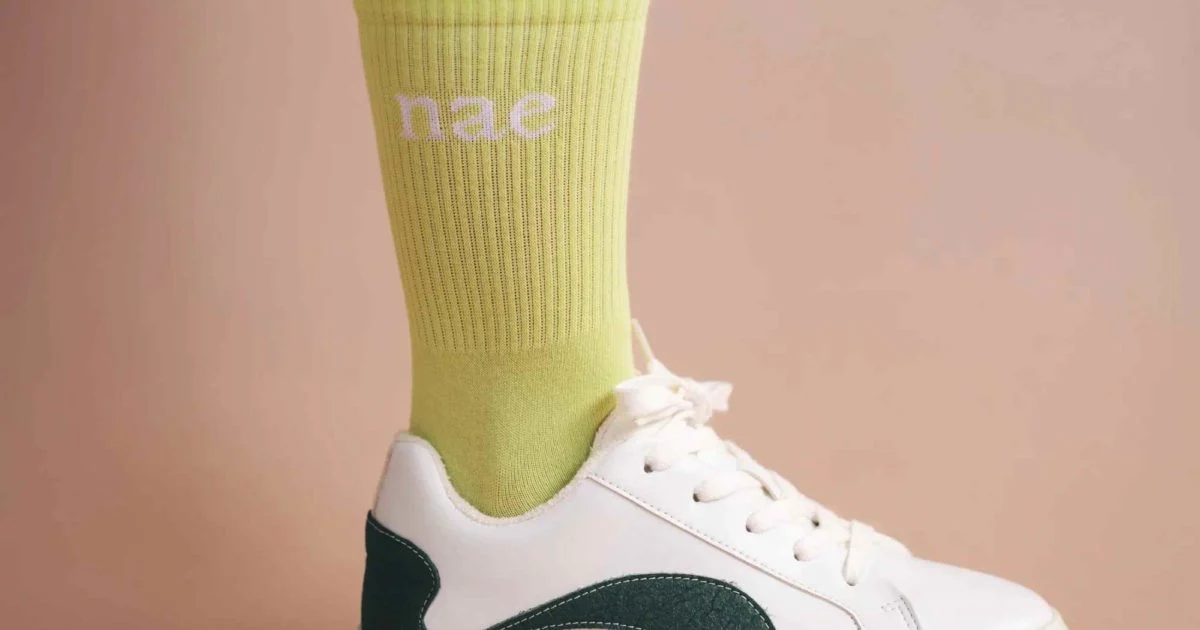
The global footwear industry, a colossal economic force, is increasingly facing scrutiny for its significant environmental and social footprint. With billions of pairs of shoes produced annually, the sector has long been intertwined with the challenges of fast fashion, characterized by rapid trend cycles, reliance on resource-intensive materials, and often opaque supply chains. However, a transformative shift is underway, driven by a growing consumer demand for transparency and responsibility, pushing brands to innovate and prioritize ethical and sustainable practices. This detailed exploration delves into the imperative for sustainable footwear, examines the impact of conventional manufacturing, and highlights the pioneering brands that are redefining what it means to create a truly responsible sneaker.
The Environmental and Social Footprint of Conventional Sneakers
The journey of a typical sneaker, from raw material extraction to retail shelf and ultimately to landfill, is fraught with environmental and social costs. Traditional sneaker production heavily relies on synthetic materials like polyester, EVA, and various plastics, which are derived from fossil fuels and are non-biodegradable, persisting in the environment for hundreds of years. Leather, while a natural material, comes with its own set of concerns, including deforestation for cattle ranching, intensive water usage, and the use of hazardous chemicals in the tanning process. Cotton, another common material, can be highly water-intensive and require significant pesticide use if not organically grown.
Quantifying the Impact
Industry estimates suggest that the global footwear industry is responsible for approximately 1.4% of global greenhouse gas emissions, a figure comparable to the emissions of some smaller countries. A single pair of running shoes can generate up to 13.6 kilograms of carbon dioxide equivalent emissions during its lifecycle. Furthermore, the sheer volume of production—exceeding 20 billion pairs annually—results in a monumental waste problem. A vast majority of these shoes eventually end up in landfills, where their synthetic components contribute to microplastic pollution and remain largely undegraded. The manufacturing process itself is resource-intensive, requiring vast amounts of water and energy, and often releasing chemical pollutants into local ecosystems if wastewater is not properly treated.
The Human Cost in Supply Chains
Beyond environmental degradation, the social dimension of footwear production presents equally pressing concerns. The global supply chains for sneakers are notoriously complex and often extend into regions with lax labor regulations. Workers in manufacturing facilities, particularly in developing nations, frequently face issues such as below-minimum wages, excessive working hours, unsafe working conditions, and a lack of freedom of association. The pressure for low-cost production, a hallmark of fast fashion, often translates into exploitative practices, with workers bearing the brunt of cost-cutting measures. Reports from various labor rights organizations consistently highlight these systemic issues, underscoring the urgent need for greater transparency and accountability from brands.
A New Paradigm: The Rise of Ethical Sneaker Production
In response to these pervasive challenges, the sustainable fashion movement has gained considerable momentum, with ethical footwear emerging as a critical component. This shift is not merely a trend but a fundamental re-evaluation of production philosophies, materials, and corporate responsibilities. The last decade, in particular, has seen an acceleration in the development and adoption of more responsible practices, moving from niche markets to a more mainstream appeal. Consumers, armed with greater information and a heightened environmental consciousness, are increasingly seeking products that align with their values, demanding not just style and comfort, but also ethical sourcing and ecological integrity.
Evolution of Sustainable Materials
The innovation in sustainable materials has been a key driver in this paradigm shift. Where once "eco-friendly" might have primarily meant recycled polyester, the landscape has dramatically expanded. Today, brands are experimenting with and adopting a diverse array of lower-impact materials, including:
- Organic and Recycled Cottons: Minimizing water and pesticide use, or repurposing existing fibers.
- Recycled Plastics: Transforming post-consumer waste into durable textiles for uppers and soles.
- Bio-based Leathers and Synthetics: Groundbreaking materials derived from agricultural waste, such as apple peels, grape stalks, pineapple leaves, corn, and mushrooms, offering alternatives to animal leather and petroleum-based synthetics with a significantly reduced environmental footprint.
- Natural Fibers: Hemp, linen, and cork, which are renewable, biodegradable, and require fewer resources to produce.
- Recycled Rubber: Utilizing end-of-life tires and other rubber products for soles, reducing waste and the demand for virgin rubber.
These material advancements represent a significant chronology in the sustainable footwear movement, moving beyond simple recycling to genuinely innovative solutions that aim to mimic nature’s circularity.
Transparency and Certifications as Cornerstones
Beyond materials, the push for ethical production has brought transparency to the forefront. Consumers and advocacy groups are demanding to know "who made my clothes" and under what conditions. This has led to an increased emphasis on certifications that verify ethical and environmental claims. Standards like the Global Organic Textile Standard (GOTS) for organic fibers, Fair Trade certification for labor practices, and PETA Vegan Approved for animal-free products provide consumers with verifiable assurances. Brands committed to sustainability often engage in rigorous auditing of their supply chains, from material suppliers to manufacturing facilities, to ensure fair wages, safe conditions, and environmentally sound processes. This commitment to due diligence and transparent reporting is becoming a non-negotiable aspect of credible ethical branding.
Leading the Charge: Innovators in Sustainable Sneaker Design
The market for ethical and sustainable sneakers is flourishing, with a diverse range of brands demonstrating that style, comfort, and responsibility can coexist. These trailblazers are not just selling shoes; they are offering a blueprint for a more conscientious industry, prioritizing people, the planet, and animal welfare through their core business models and product offerings.
Womsh: Craftsmanship and Local Production
Womsh exemplifies the potential for fashion and responsible production to converge. This Italian brand’s commitment to designing and manufacturing its shoes entirely within Italy serves as a powerful counter-narrative to the prevailing trend of offshore production. By maintaining local control over its supply chain, Womsh can ensure stringent labor standards, reduce transportation emissions, and uphold a high level of craftsmanship that contributes to product longevity. Their integration of lower-impact fabrics like organic cotton in their clothing range further underscores a holistic approach to sustainability, showcasing how traditional European manufacturing expertise can be leveraged for ethical ends.
Vesica Piscis: Vegan, Waste-Reduction, and Renewable Energy
Based in Spain, Vesica Piscis stands out for its comprehensive approach to vegan footwear. The brand’s use of a high proportion of lower-impact materials, combined with its innovative made-to-order production model, significantly reduces waste inherent in conventional manufacturing. By only producing what is ordered, Vesica Piscis minimizes excess inventory and resource consumption. Furthermore, their utilization of renewable energy in manufacturing facilities represents a direct and impactful commitment to reducing their carbon footprint, demonstrating that sustainable practices can be integrated across all operational facets.
Etiko: Pioneering Fair Trade and Human Rights
Australian designer Etiko has consistently set the benchmark for ethical trade in both clothing and shoes. Their unwavering commitment to Fair Trade principles ensures that the people involved in their supply chain, particularly those in traditionally exploitative industries, receive fair wages and work in safe, dignified conditions. Etiko’s continuous campaigning for human rights in the textile and footwear sectors extends beyond their own operations, aiming to elevate standards across the entire industry. This advocacy reflects a deep-seated belief that ethical production must encompass social justice as much as environmental stewardship.
Agazi & ID.EIGHT: Harnessing Bio-Based and Food Waste Materials
The innovation in material science is vividly showcased by brands like Agazi from Poland and ID.EIGHT from Italy. Agazi’s diverse range, including sneakers, utilizes non-animal-derived materials such as hemp and groundbreaking apple skin and grape-based alternative leathers. Similarly, ID.EIGHT, born from the combined expertise of Dong Seon Lee and Giuliana Borzillo, crafts sophisticated sneakers in Italy using waste from the food industry, including apple peels, grape stalks and seeds, and pineapple leaves, alongside recycled cotton and polyester. These brands demonstrate a critical shift towards circularity, transforming agricultural by-products that would otherwise go to waste into high-quality, fashionable footwear, thereby reducing reliance on virgin resources and minimizing environmental impact.
Komodo: Integrating GOTS Cotton and Living Wages
UK brand Komodo embodies a "people and planet first" ethos. Their commitment to using responsible materials, notably GOTS-certified cotton, ensures that their textile production adheres to strict environmental and social criteria, from farming practices to processing. Crucially, Komodo also prioritizes ensuring that most of its suppliers pay a living wage to their workers. This focus on a living wage addresses one of the most significant social challenges in the global garment and footwear industries, demonstrating a clear understanding that true sustainability must uplift communities and ensure equitable compensation.
Flamingos’ Life: Dedication to Vegan and Upcycled Materials
Flamingos’ Life, a brand dedicated to creating animal-free sneakers, champions the use of lower-impact and PETA-approved vegan materials. Their integration of upcycled materials further reduces their environmental footprint by diverting waste from landfills and transforming it into new products. This commitment extends beyond material choices to the core philosophy of the brand, appealing to a growing demographic of consumers who seek ethical fashion without compromising on style or quality, solidifying the market for conscious vegan alternatives.
tentree: Reforestation and Earth-First Principles
Canadian brand tentree has built its entire business model around a profound commitment to environmental regeneration. For every item purchased, ten trees are planted, a tangible and impactful initiative that has already resulted in over 65 million trees planted globally. This unique approach not only sequesters carbon but also helps restore ecosystems and provides vital planting jobs in communities worldwide. All tentree products, including their growing range of footwear, are developed with an Earth-first philosophy, ensuring fair and safe working conditions alongside the use of lower-impact and recycled materials, making their brand a powerful example of business as a force for good.
Elk: Design Longevity and Australian Innovation
Founded in Melbourne in 2004, Elk, a pioneer of independent Australian design, integrates sustainability into its design ethos through simplicity and innovation. While perhaps not as overtly focused on material innovation as some vegan brands, Elk’s commitment to creating bi-annual collections that are timeless and durable inherently promotes sustainability by encouraging longevity and reducing the need for frequent replacements. Their focus on quality craftsmanship and considered design aligns with the broader movement away from disposable fast fashion, emphasizing that well-made, enduring products are a cornerstone of responsible consumption.
Beyond Purchase: Embracing Circularity and Longevity
The journey towards sustainable footwear extends beyond the point of purchase. The longevity of a product, its care, and its end-of-life management are crucial components of a truly circular and responsible system. Even the most ethically produced sneaker has an environmental impact, and maximizing its lifespan is key to reducing that impact.
Extending Lifespan Through Care
Consumers play a vital role in the sustainability equation by adopting practices that prolong the life of their footwear. Proper care, including regular cleaning, appropriate storage, and timely repairs, can significantly extend the wearability of sneakers. This cultural shift from disposability to care is fundamental in challenging the fast fashion mindset and reducing overall consumption. Investing in high-quality, durable ethical shoes and committing to their maintenance is a powerful act of environmental stewardship and a smart financial decision.
Responsible Disposal and Recycling Initiatives
When shoes can no longer be worn or repaired, responsible disposal becomes paramount. Rather than discarding them in general waste, several initiatives offer avenues for donation or recycling. Organizations like Soles4Souls collect gently used shoes to create sustainable jobs and provide relief, distributing them to people in need worldwide. Major brands, such as Nike with its Reuse-A-Shoe Program, actively collect worn-out athletic shoes for recycling, transforming them into materials for sports surfaces and other products. These programs are vital for diverting textile waste from landfills and moving towards a more circular economy where materials are continually reused and repurposed.
The Broader Implications: Shaping the Future of Fashion
The rise of ethical and sustainable sneakers is more than a niche market trend; it is indicative of a fundamental shift in the broader fashion industry. It signals a growing recognition that business practices must align with environmental imperatives and social responsibilities.
The Growing Consumer Demand
The increasing availability and popularity of sustainable sneakers reflect a significant evolution in consumer awareness and purchasing behavior. Consumers are becoming more discerning, demanding transparency, ethical production, and environmental consciousness from the brands they support. This demand acts as a powerful market force, compelling more companies, including larger mainstream players, to integrate sustainability into their core strategies.
Industry Challenges and Future Prospects
Despite the progress, challenges remain. Scaling sustainable material production, ensuring complete supply chain transparency across complex global networks, and educating consumers on the value of ethical products are ongoing efforts. However, the continuous innovation in bio-materials, the development of advanced recycling technologies, and the growing emphasis on repairability and product-as-a-service models point towards a promising future. The industry is moving towards a model where sustainability is not an add-on but an intrinsic part of design, manufacturing, and consumption. This shift is poised to redefine the aesthetics, functionality, and ethical standing of footwear for generations to come, creating a landscape where every step taken is a step towards a more responsible world.