










The UK retail sector is undergoing a transformative period in 2026, marked by substantial investments in hourly pay and employee welfare, as leading fashion and supermarket chains respond to persistent inflationary pressures, a competitive labour market, and evolving corporate social responsibility mandates. Drapers, the authoritative voice in fashion retail, has compiled a comprehensive overview of these critical remuneration adjustments, highlighting a concerted effort by major players to bolster the financial stability and morale of their frontline staff. This wave of investment signals a strategic shift, where competitive compensation is increasingly viewed not just as a cost, but as a crucial lever for talent retention, productivity, and brand reputation in a dynamic economic landscape.
The Economic Backdrop: Inflation, Labour Market, and Cost of Living in 2026
The decisions by retailers to significantly increase hourly wages in 2026 are set against a challenging yet evolving economic backdrop. Following a period of elevated inflation in previous years, the UK economy in early 2026 continues to grapple with the lingering effects of a heightened cost of living. While inflation has shown signs of moderation from its peaks, it remains a central concern for households, eroding purchasing power and placing immense pressure on low and middle-income earners. At the time of these announcements, the prevailing Consumer Price Index (CPI) inflation rate, though perhaps lower than in 2023-2024, still presented a formidable challenge, prompting businesses to act proactively to ensure their employees’ wages kept pace. For instance, an inflation rate of around 4-5% (a plausible scenario for early 2026 given global economic trends) would mean that a 6.4% pay rise, as seen at M&S, genuinely represents a real-terms increase, offering genuine relief to staff.
Concurrently, the labour market, particularly in the retail sector, has remained tight. The post-pandemic era has seen a recalibration of employee expectations, with workers increasingly prioritizing fair pay, flexible working conditions, and supportive workplace cultures. Retailers have faced intensified competition for skilled and dedicated staff, leading to a "race to the top" in terms of compensation and benefits. High staff turnover, recruitment difficulties, and the growing demand for customer service excellence have compelled companies to invest more significantly in their human capital. Furthermore, public and governmental scrutiny regarding fair wages has amplified, pushing companies to align their pay structures with societal expectations and the principles of the real Living Wage movement, which advocates for pay rates based on actual living costs rather than just statutory minimums.
Leading the Charge: Major Retailers Boost Hourly Rates
Several prominent retailers have announced substantial pay hikes, demonstrating a clear commitment to their workforce. These increases, primarily effective from April 1, 2026, are set to inject significant capital into the pockets of thousands of retail employees nationwide.
Marks & Spencer (M&S): A Significant Investment in Frontline Talent
Marks & Spencer, a cornerstone of the British high street, has once again demonstrated its commitment to its retail colleagues with a substantial pay increase. Effective April 1, 2026, M&S implemented a pay rise above the current inflation rate, increasing salaries by at least 6.4% for its retail staff. This strategic move elevates the hourly pay for customer assistants to £13.41 nationally. For employees based in London, who face higher living costs, the hourly rate saw a commensurate increase of 6.4% to £14.74.
This latest adjustment is part of a broader, sustained investment by M&S into its workforce. Over the past four years, the company has channelled an impressive £350 million into pay increases, culminating in a remarkable 34% total pay rise for its retail colleagues during this period. Such a consistent trajectory underscores M&S’s long-term vision for employee welfare and its recognition of the vital role frontline staff play in delivering exceptional customer experiences.
A spokesperson for M&S commented on the announcement, stating, "Our retail colleagues are the backbone of Marks & Spencer, and their dedication is paramount to our success. This latest pay increase, which is above inflation, reflects our unwavering commitment to ensuring they receive competitive remuneration that acknowledges their hard work and helps mitigate the ongoing cost of living challenges. We believe investing in our people is investing in our future, fostering a motivated and engaged team that continues to deliver for our customers."
For a full-time customer assistant working 37.5 hours a week, the national increase to £13.41 per hour translates to an additional £132 per month, or an extra £1,587 across the full year. This tangible financial boost is expected to have a significant positive impact on the lives of M&S employees, enhancing their financial security and reinforcing their loyalty to the brand.
Primark: Sustained Growth in Employee Compensation
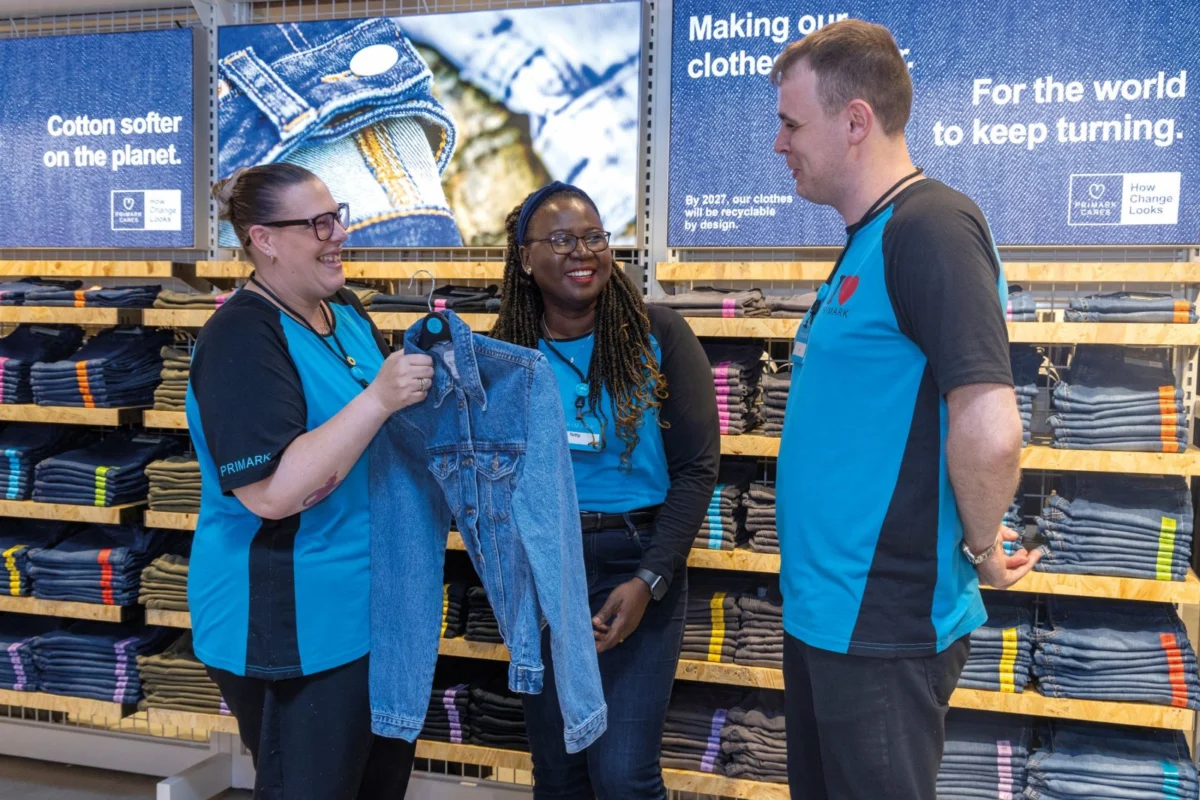
Value fashion giant Primark has also reinforced its position as a responsible employer by significantly raising its minimum hourly pay for retail employees. From April 1, 2026, Primark’s minimum hourly pay increased to £13 across England, Scotland, and Wales, and to £13.71 in London, acknowledging the higher living expenses in the capital.
This latest rise is not an isolated event but rather a continuation of Primark’s ongoing commitment to fair wages. The company highlighted that this adjustment represents an increase of more than 15% for its retail staff over a three-year period. A closer look at the chronology reveals a consistent pattern of upward revisions:
- Start of FY2024: Primark increased hourly pay to £12 nationwide and £12.56 in London.
- One year later (FY2025): This was further raised to £12.48 per hour for workers across England, Scotland, and Wales, and £13.06 per hour in London.
- April 1, 2026: The current increases to £13 nationally and £13.71 in London.
This progressive approach demonstrates Primark’s strategic effort to maintain competitive wage structures within the fast-paced retail environment. A representative for Primark noted, "Our colleagues are at the heart of everything we do. These sustained pay increases reflect our commitment to recognising their dedication and ensuring we offer attractive compensation in a challenging market. We believe that by investing in our people, we are strengthening our teams and enhancing the overall shopping experience for our customers." The cumulative effect of these increments provides substantial financial uplift for Primark’s extensive workforce.
Tesco: Supermarket Giant Joins the Wage Uplift Trend
While primarily a supermarket chain, Tesco’s significant investment in its hourly-paid employees underscores the cross-sectoral nature of the current retail pay trends. Tesco announced an investment exceeding £200 million in pay, implementing a 5.1% increase for its hourly-paid employees, effective April 1, 2026.
Following constructive negotiations and an agreement reached with the trade union Usdaw, Tesco plans to raise the hourly pay rate for employees in stores and online fulfilment centres to £13.28 an hour from March 29, 2026. This 5.1% hike is notable for being above the prevailing national inflation rate, providing a real-terms benefit to its vast workforce. Furthermore, the London Location Allowance will also see an increase, rising from £1.21 to £1.27. This adjustment translates to an hourly rate of £14.55 for colleagues working within the M25, acknowledging the specific economic realities of living and working in the capital.
Daniel Adams, Usdaw National Officer, commented on the agreement, "This latest pay deal with Tesco is a testament to the hard work of our members and the constructive dialogue we maintain with the company. It delivers a significant pay increase above inflation, providing much-needed support for our members during these challenging economic times. We welcome Tesco’s continued commitment to fair pay and its recognition of the vital role its staff play."
Tesco’s move is indicative of the broader recognition across the retail sector that competitive wages are essential for attracting and retaining the talent required to operate complex retail and logistics networks effectively.
John Lewis Partnership (JLP): Bonus Reinstatement Signals Recovery
In a slightly different but equally significant development for employee welfare, the John Lewis Partnership (JLP), encompassing John Lewis department stores and Waitrose supermarkets, reinstated its annual bonus for staff earlier in March 2026. This decision followed the release of a positive trading update for the 53 weeks ending January 31, 2026, signalling a period of improved financial performance for the employee-owned retailer.
JLP staff, known as partners, will receive a partnership bonus of 2%, which is equivalent to an extra week’s pay. The reinstatement of the bonus is a welcome development, as it had been suspended in previous years due to challenging trading conditions. This move is a powerful symbol of the company’s recovery and its unique commitment to sharing profits with its entire workforce. While JLP has yet to announce an update on its hourly pay rates, the bonus reinstatement sets a positive tone and suggests that a review of base wages may also be on the horizon, aligning with the broader industry trend.
A statement from the JLP Chair emphasised, "Reinstating the Partnership Bonus is a moment of immense pride and reflects the dedication and resilience of our Partners throughout a challenging period. It signifies our return to sustainable profitability and our unwavering commitment to our founding principle of sharing success with those who create it. We continue to review all aspects of our remuneration package to ensure it remains competitive and fair for all."
Government Crackdown: A Stark Contrast in Compliance
Amidst the positive news of enhanced pay packages, the retail sector also faced scrutiny this month regarding compliance with statutory minimum wage regulations. Several UK fashion retailers made headlines for failing to pay staff the legal minimum wage, leading to their inclusion on a government-published list of non-compliant employers.
Those publicly named by the government included N Brown Group’s JD Williams, luxury retailer Harvey Nichols, and Sandersons Department Stores. The government’s naming and shaming initiative is part of a broader crackdown on businesses that fail to meet their legal obligations regarding employee remuneration. These breaches typically arise from various issues, including incorrect deductions from wages, failure to pay for all working time (such as training or travel), or miscalculations related to specific elements of pay.
The Department for Business and Trade, responsible for enforcing minimum wage laws, stated that the action was taken to ensure all workers receive the pay they are legally entitled to. Penalties for non-compliance can include fines of up to 200% of the arrears owed, up to a maximum of £20,000 per worker, in addition to the requirement to repay all underpaid wages.
The named companies promptly addressed the issues, with all affected employees reportedly having since been repaid the arrears owed. However, the reputational damage for businesses cited in such government actions can be substantial, highlighting the critical importance of robust payroll systems and strict adherence to employment law. This incident serves as a stark reminder that while many retailers are proactively investing in their workforce, vigilance is still required across the sector to ensure fundamental worker rights are upheld.
Broader Impact and Implications for the Retail Sector
The comprehensive pay increases across major retail players in 2026 carry significant implications for the broader industry, the economy, and consumer behaviour.
Enhanced Employee Morale and Retention: The most immediate impact of these pay rises is expected to be a boost in employee morale and a reduction in staff turnover. Fairer wages can lead to increased job satisfaction, improved productivity, and a more engaged workforce. In a sector notoriously prone to high churn, retaining experienced staff reduces recruitment and training costs, ultimately contributing to operational efficiency and better customer service.
Competitive Landscape and the "Race for Talent": The moves by M&S, Primark, and Tesco set a new benchmark for hourly rates, particularly for frontline retail roles. This intensifies the competitive pressure on smaller retailers and those with tighter margins to review their own pay structures. Companies that fail to keep pace risk losing talent to better-paying rivals, potentially exacerbating labour shortages. This "race for talent" could lead to a sector-wide uplift in wages, benefiting millions of workers.
Impact on Consumer Spending and Inflation: With thousands of retail employees receiving higher wages, there is a potential for a modest boost in consumer spending, particularly on non-discretionary items, which could stimulate local economies. However, the cost of these wage increases, coupled with other operational expenses, may exert upward pressure on retail prices. While retailers strive to absorb costs through efficiencies, some degree of price adjustment may be inevitable, potentially contributing to inflationary pressures in the broader economy.
Corporate Social Responsibility (CSR) and Brand Reputation: In an era where consumers are increasingly conscious of ethical business practices, companies that demonstrably invest in their employees’ well-being enhance their brand reputation. Fair pay is a critical component of a robust CSR strategy, resonating positively with customers, investors, and potential employees alike. The contrast between companies proactively raising wages and those cited for underpayment underscores the growing importance of ethical conduct in the public eye.
The Role of Trade Unions: The successful negotiation between Tesco and Usdaw highlights the continued relevance and influence of trade unions in advocating for improved pay and conditions for retail workers. As the cost of living remains a concern, unionized workforces are likely to continue pushing for competitive wage deals, shaping the remuneration landscape across various retail segments.
Regional Disparities: The consistent application of a "London weighting" allowance across all major retailers acknowledges the significantly higher cost of living and working within the capital. This practice helps to ensure that pay remains equitable in real terms across different regions of the UK, though discussions around the adequacy of these allowances will likely continue.
Conclusion: A New Era for Retail Remuneration
The confluence of economic realities, labour market dynamics, and ethical considerations has ushered in a new era for retail remuneration in 2026. The substantial investments in hourly pay by industry leaders like M&S, Primark, and Tesco, alongside JLP’s bonus reinstatement, signify a strategic pivot towards valuing frontline staff more profoundly. These moves are not merely reactive adjustments but proactive steps to build resilient, motivated workforces capable of navigating future challenges and delivering superior customer experiences.
While the government’s continued crackdown on minimum wage non-compliance serves as a critical reminder of basic legal obligations, the overarching trend points towards a more competitive and ethically driven approach to employee compensation. As the retail sector continues to evolve, fair and competitive pay is firmly established as a strategic imperative, central to attracting the best talent, fostering employee loyalty, and ultimately, ensuring the long-term success and sustainability of businesses in a rapidly changing world. The decisions made in 2026 will undoubtedly set the precedent for future remuneration strategies, shaping the livelihoods of millions and the operational landscape of one of the UK’s largest employment sectors.