








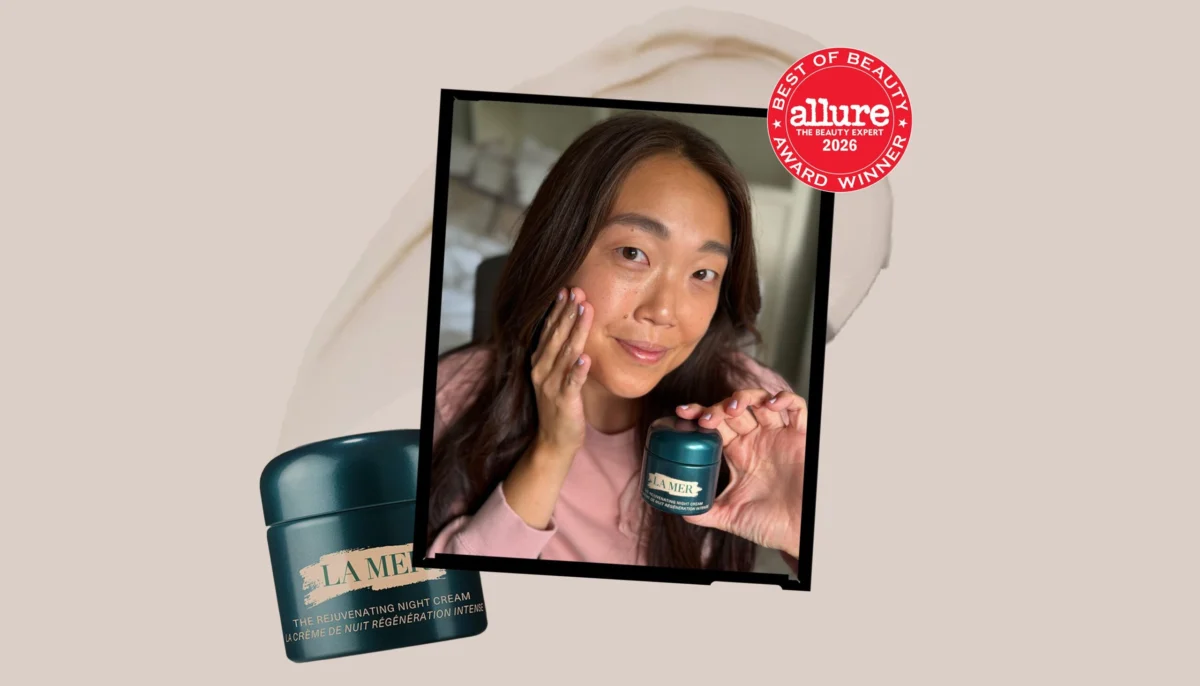
The launch of The Rejuvenating Night Cream by La Mer, a prestige skincare brand under the Estée Lauder Companies umbrella, marks a strategic evolution in the intersection of marine biology and anti-aging dermatology. As the recipient of the 2026 Allure Best of Beauty Award in the luxury category, this product has garnered attention not merely for its $450 price point, but for its role as a vessel for MRA-3, a proprietary ingredient the brand is positioning as a viable, non-irritating alternative to traditional retinoids. This launch arrives at a time when the global luxury skincare market is increasingly pivoting toward high-performance, barrier-supportive formulations that cater to a demographic concerned with both immediate cosmetic results and long-term dermal structural integrity.
Historical Context and Scientific Foundation

La Mer, originally conceptualized by aerospace physicist Max Huber, has maintained a consistent brand narrative rooted in the "Miracle Broth" fermentation process. The legend of the brand—which originated from Huber’s desire to treat chemical burns sustained in a laboratory accident—has served as the cornerstone of its identity for over half a century. According to company archives, the development of the proprietary Miracle Broth, a process involving the fermentation of sustainably harvested Giant Sea Kelp, required twelve years of experimentation and over 6,000 iterations to perfect.
The introduction of The Rejuvenating Night Cream serves as a modern extension of this legacy. While the original Crème de la Mer focused primarily on intense moisture and barrier repair, the new iteration integrates MRA-3, a marine-derived complex. Industry analysts suggest that this development is a response to the growing consumer demand for "retinol-like" efficacy without the associated side effects of traditional vitamin A derivatives, such as erythema, desquamation, and photosensitivity. By leveraging marine botanical sources, La Mer is attempting to tap into the "clean-clinical" movement, which prioritizes plant-based or synthetic alternatives that offer physiological benefits without compromising the skin barrier.
Chronology and Market Positioning

The trajectory of this product began with intensive internal research into coastal plant biology, specifically the resilience of species that thrive in high-stress, saline environments. Following the success of legacy products, La Mer shifted its R&D focus toward identifying ingredients capable of supporting natural support polymers and accelerating cell turnover. By mid-2025, the formulation was finalized, and initial clinical testing commenced.
The testing protocol, conducted on a cohort of 31 participants, yielded results that the brand utilized to support claims regarding improved skin density, elasticity, and the reduction of fine lines. Following a successful soft launch and positive reception among dermatological influencers and beauty editors, the product was honored with the 2026 Allure Best of Beauty Award, cementing its status as a top-tier contender in the high-end skincare segment. This recognition has served as a catalyst for increased market interest, particularly among the "pre-aging" and "pro-aging" consumer segments who are transitioning from basic moisturizers to active-ingredient-heavy night treatments.
Technical Analysis of Formulation

The Rejuvenating Night Cream is a complex emulsion that necessitates a deeper look at its ingredient list to understand the value proposition. The core of the product’s performance lies in the synergy between its marine actives and a robust peptide complex.
- The MRA-3 Complex: While the brand maintains proprietary control over the exact composition of MRA-3, cosmetic chemists have identified Crithmum maritimum (sea fennel) extract and callus culture filtrate as primary contributors. These ingredients are documented in peer-reviewed cosmetic science literature for their potential to mimic retinoid activity through the stimulation of collagen synthesis and the promotion of epidermal renewal. Unlike pure retinol, which interacts directly with retinoic acid receptors, these botanical alternatives generally function by modulating cell signaling pathways in a milder manner.
- The Peptide Matrix: The inclusion of Matrixyl 3000 (palmitoyl tripeptide-1 and palmitoyl tetrapeptide-7) signifies a commitment to proven anti-aging standards. These signaling peptides are widely recognized in dermatology for their role in stimulating the synthesis of extracellular matrix proteins, which are essential for maintaining skin firmness and reducing the appearance of wrinkles over time.
- Stabilized Vitamin C: The use of magnesium ascorbyl phosphate provides a strategic advantage. As a water-soluble derivative of ascorbic acid, it offers superior stability and a lower potential for irritation, making it suitable for sensitive skin types that often struggle with high-concentration L-ascorbic acid serums.
Dermatological Perspectives and Safety Implications
In evaluating the efficacy of such a luxury product, dermatologists emphasize the distinction between immediate hydration and long-term structural change. Dr. Jenna Queller, a board-certified dermatologist, notes that while the product’s rich, occlusive texture provides an immediate visual plumping effect due to its humectant and emollient profile—including shea butter, glycerin, and dimethicone—the long-term benefits are dependent on consistent use of the active peptides and the MRA-3 complex.

Furthermore, the presence of fragrance components, including eucalyptus oil, limonene, and linalool, remains a critical point for clinical consideration. While these ingredients contribute to the sensory experience of the product, they are known allergens for individuals with chronic conditions such as eczema or rosacea. Dermatological consensus suggests that while the product is formulated to be barrier-friendly, consumers with highly reactive skin should perform a patch test, a standard recommendation for any potent topical application.
The Broader Implications for the Skincare Industry
The release of The Rejuvenating Night Cream highlights a broader trend toward "all-in-one" high-performance night treatments. By combining the benefits of a vitamin C serum, a peptide complex, and a barrier-repairing emollient into a single, high-cost SKU, La Mer is catering to a consumer base that values both efficacy and simplicity. The "skinimalism" movement—which advocates for fewer, more potent products—has clearly influenced the brand’s product architecture.

Moreover, the emphasis on the "continuous lineage" of the Miracle Broth, where a portion of the previous batch is integrated into the next, serves as a powerful marketing and branding tool that reinforces the heritage and perceived value of the product. This creates a narrative of biological continuity that resonates with luxury consumers who are increasingly looking for a connection to nature and a sense of history in their personal care routines.
Looking ahead, the success of this product will likely force competitors to revisit their own "retinol alternative" offerings. As consumers become more sophisticated in their understanding of ingredient science, the demand for formulations that offer tangible anti-aging results without the downtime of traditional dermatology-grade actives will only increase. La Mer’s ability to justify a $450 price point rests not only on the efficacy of its ingredients but on the holistic experience of the product—a hallmark of the luxury skincare sector.
Conclusion

The Rejuvenating Night Cream is a sophisticated example of modern cosmetic engineering, balancing the heritage of marine-based fermentation with contemporary dermatological research into peptides and botanical alternatives. While the price point places it firmly in the ultra-luxury tier, the technical composition suggests a product designed for users who require both immediate relief from skin dryness and a multi-pronged approach to age-related skin concerns. As the brand continues to monitor consumer feedback and long-term clinical data, this product is positioned to remain a central figure in the conversation regarding the future of high-end skincare, setting a high bar for luxury beauty houses aiming to capture the interest of a well-informed and discerning global market.