



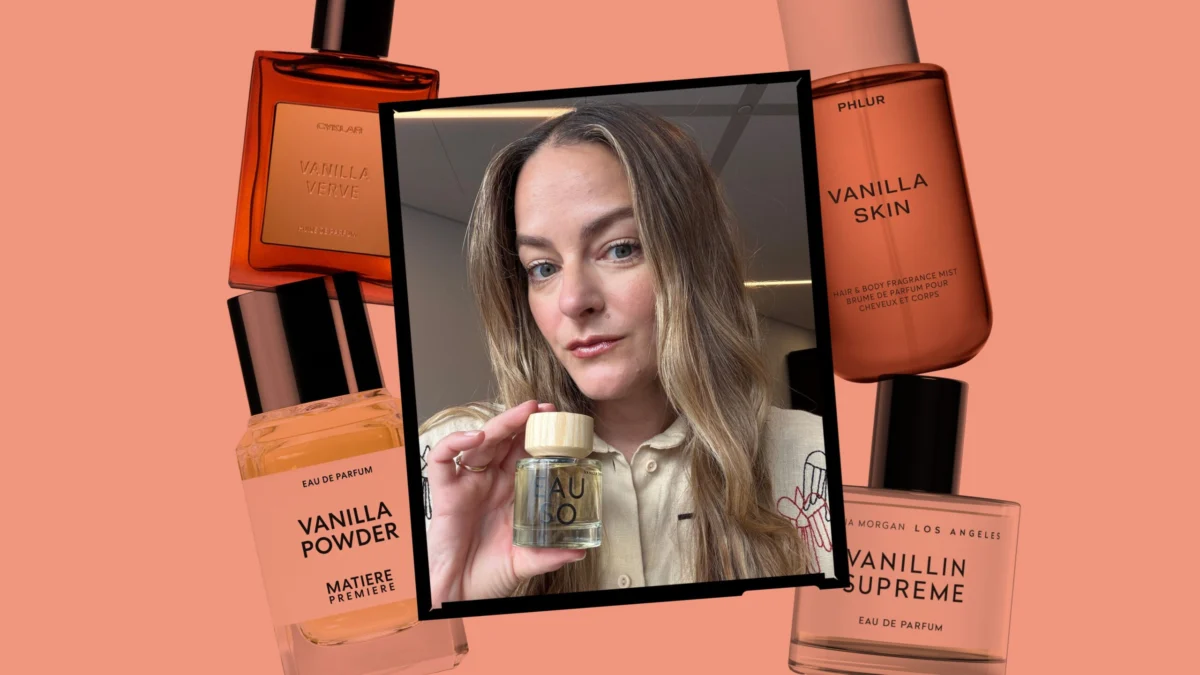
The phenomenon of how a single fragrance can evoke entirely different sensory profiles depending on the wearer is a subject that occupies the intersection of chemistry, biology, and sensory psychology. Vanilla, perhaps the most iconic and widely utilized note in modern perfumery, serves as the primary case study for this variability. While consumer perception often assumes a linear, consistent olfactory experience, the reality of fragrance interaction with human skin is a complex, multifaceted chemical reaction dictated by individual dermatological variables.
The Chemical Foundation of Olfactory Individuality
At the core of the fragrance experience is the interaction between volatile aromatic compounds and the skin’s unique biological landscape. According to Delphine Jelk, Guerlain master perfumer and creative director of fragrance, the perception of scent is fundamentally personalized. This individuality is not merely a matter of preference but a direct result of skin composition.
Skin pH levels play a critical role in how aromatic molecules are perceived. The average human skin surface has an acidic mantle, typically ranging between 4.5 and 5.5 on the pH scale. When a fragrance is applied, the chemical constituents of the perfume—ranging from alcohols to essential oils and synthetic fixatives—interact with this acidic environment. In the case of vanilla, which contains compounds such as vanillin and ethyl vanillin, a more acidic skin profile can cause the scent to shift from its expected creamy, gourmand profile toward a sharper, more piquant, or even spicy register.
Furthermore, individual skin oils—the sebum secreted by sebaceous glands—act as a solvent for fragrance molecules. Sebum is a complex mixture of triglycerides, free fatty acids, wax esters, and squalene. Because the concentration and composition of these lipids vary significantly between individuals based on genetics, diet, and environmental factors, they alter the rate at which fragrance molecules evaporate. High-lipid environments on the skin may trap certain base notes, such as musk or amber, for longer durations, while simultaneously intensifying the warmth of vanilla notes.
Chronology and Context: The Evolution of Vanilla in Perfumery
The historical trajectory of vanilla in fragrance dates back centuries, but its role has shifted dramatically in the last fifty years. Originally used primarily as a supporting base note to provide sweetness and longevity to floral compositions, vanilla emerged as a standalone star in the 1990s, coinciding with the rise of the gourmand fragrance family.
In 1992, the release of Angel by Thierry Mugler is widely credited by fragrance historians as the catalyst for the "gourmand revolution." This shift changed consumer expectations, moving away from the dominance of "clean" or "soapy" scents toward those reminiscent of edible treats. Since that turning point, the industry has seen an influx of research into the molecular stabilization of vanilla, aimed at ensuring that despite the natural variations in human skin chemistry, the core "vanilla experience" remains recognizable.
However, even with modern stabilization techniques, body temperature remains a significant, non-negotiable variable. Base notes like vanilla and amber are thermoreactive. Higher surface body temperatures, which fluctuate throughout the day and with physical activity, accelerate the evaporation of the top notes while amplifying the diffusion of base notes. This explains why a fragrance might project significantly more intensity in the afternoon than in the morning, or why a wearer may find their signature scent feels "richer" during warmer summer months.
Fragrance Wardrobing: A New Paradigm for Personalization
As the fragrance industry moves toward greater personalization, the concept of "fragrance wardrobing" has replaced the more traditional, restrictive notion of "layering." While layering implies the direct application of one liquid over another, wardrobing suggests a strategic distribution of scents across the body.
The rationale behind this approach is rooted in the way the human olfactory system processes scent clouds. By applying different fragrances to specific pulse points—such as the wrists, the neck, and the clothing—the wearer creates a dynamic olfactory trail. A perfumer like Jelk advocates for mixing contrasting profiles, such as pairing the warmth of vanilla with the earthy, powdery notes of iris or the clean, animalic properties of modern musks. This technique minimizes the risk of a "cloying" or overwhelming scent profile, which can occur when two potent perfumes are applied to the same patch of skin.
This strategic application also acknowledges the varying rates of evaporation across different body parts. Pulse points are warmer and facilitate faster scent diffusion, while clothing fibers act as a fixative, holding onto the top and heart notes of a fragrance long after they have dissipated from the skin.
Methodological Rigor: Testing for Inclusivity in Fragrance
The industry’s understanding of these variables has been significantly bolstered by rigorous, data-driven testing protocols. Major publications and fragrance houses have transitioned toward inclusive testing methodologies that reflect the global population’s dermatological diversity.
Modern testing panels are no longer confined to a narrow demographic. Best-practice protocols now require that fragrances be evaluated across:
- Diverse Skin Types: Assessing performance on dry, oily, and combination skin, as well as skin with varying levels of hydration and pH balance.
- Age-Related Skin Changes: Recognizing that skin chemistry shifts as the barrier function changes with age, impacting the longevity and projection of scent.
- Environmental Factors: Testing scents in various climates—from high-humidity tropical environments to dry, temperate conditions—to measure how ambient moisture and heat influence evaporation rates.
These methodological shifts are essential because they recognize that a product’s "success" is not determined by its composition in a lab, but by its performance on the individual consumer. By scrutinizing ingredients through the lens of cosmetic chemistry and dermatological standards, evaluators can better predict how a formulation will behave. This data-backed approach allows brands to communicate more effectively with consumers, managing expectations regarding how long a scent might last or how it might evolve throughout the day.
Broader Implications: The Future of Scent Personalization
The ongoing research into skin-scent interaction has implications that extend beyond the perfume industry and into the realm of biotechnology. As we gain a deeper understanding of the human microbiome and its role in scent production, the future of fragrance may move toward "biometric perfumery." This would involve custom-formulated scents designed to complement a specific individual’s unique bacterial and chemical skin signature.
For now, the industry remains focused on the "art of the trail"—the way a person leaves a scent behind them as they move through a room. This "sillage" is the final product of the perfume, the skin chemistry, the ambient temperature, and the method of application. As consumers become more educated on these factors, the trend is moving away from mass-market, one-size-fits-all fragrances toward artisanal, customizable, and high-performance compositions.
The fact that vanilla smells different on everyone is not a flaw in the perfume industry’s design; rather, it is a feature that turns a standard commodity into an individualized sensory accessory. By understanding the interplay of pH, body temperature, and sebum, consumers are better equipped to curate their own "olfactive wardrobe," treating fragrance not as a static purchase, but as a dynamic element of their personal identity. As the field of sensory science continues to evolve, the bridge between molecular biology and the aesthetic experience of scent will only continue to narrow, providing even more sophisticated tools for the personalization of the daily fragrance routine.