







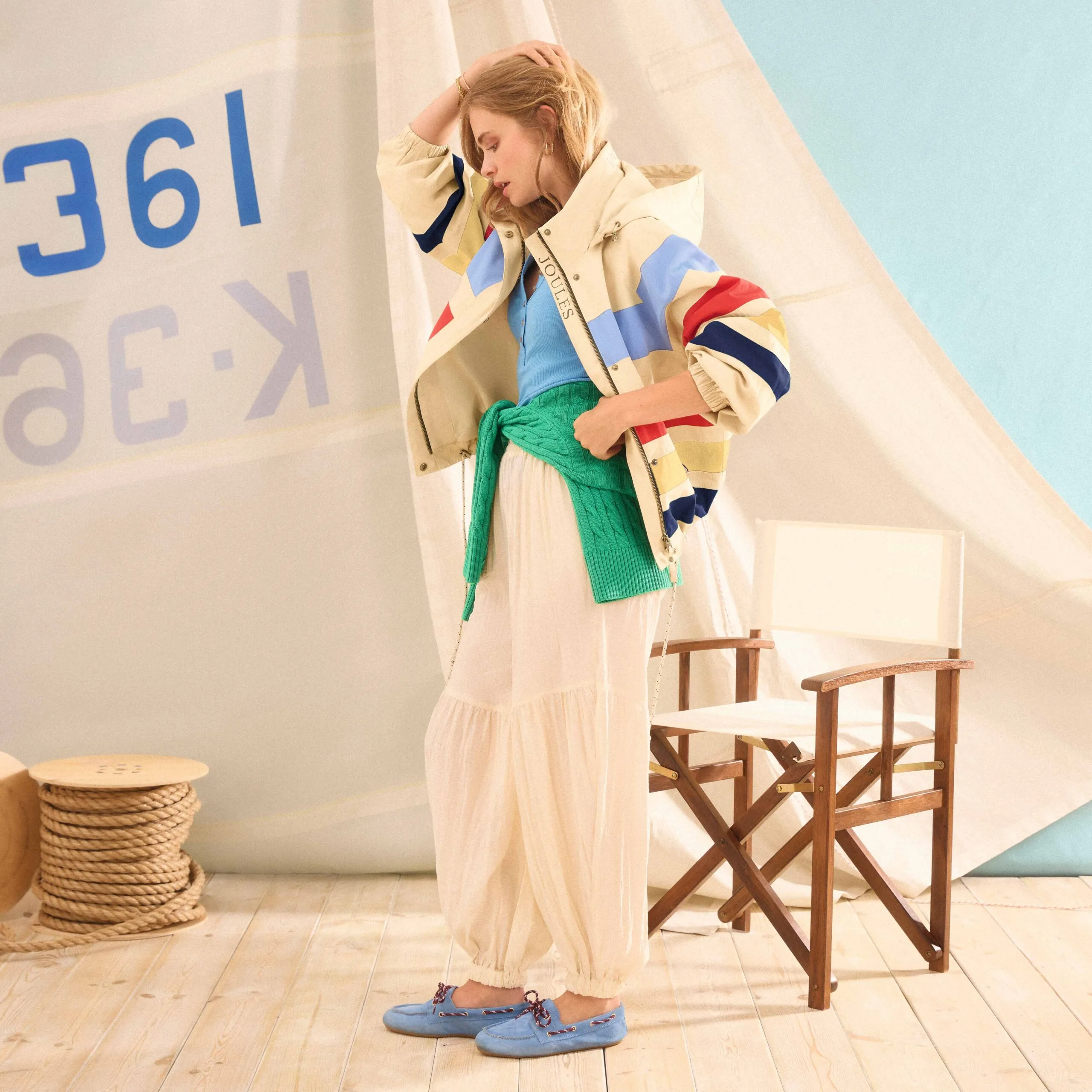
The British lifestyle retailer Joules has officially confirmed a return to profitability, marking a significant milestone in a four-year corporate recovery plan initiated after the company fell into administration in late 2022. Tom Joule, the brand’s founder and current chief brand officer, has transitioned from a period of strategic silence to active leadership, revealing how a fundamental return to the brand’s country-heritage roots has restored both consumer confidence and wholesale market dominance.
The recovery follows a tumultuous period for the Leicestershire-based retailer, which had struggled with supply chain disruptions, mounting debt, and a dilution of its product identity. The subsequent rescue deal, orchestrated in partnership with retail giant Next, saw the latter acquire a 74% controlling stake in a £34 million transaction, while Tom Joule retained a 26% share. This partnership has proven to be the bedrock of the brand’s resurgence, leveraging Next’s sophisticated operational infrastructure to allow the Joules creative team to pivot back toward product excellence and brand DNA.
A Chronology of the Recovery: From Crisis to Stability
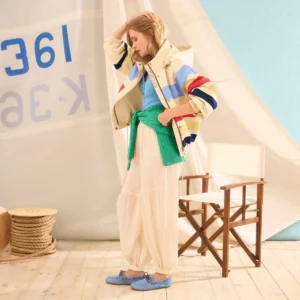
The trajectory of Joules since December 2022 has been defined by a deliberate, phased approach to restructuring. The initial year was characterized by rigorous internal housekeeping, specifically the liquidation of legacy stock that had congested warehouses and diminished the brand’s perceived value. By clearing this inventory, leadership was able to realign the company with suppliers who possessed a deep understanding of the "Joules handwriting"—the specific design language that prioritizes functional country attire with a modern fashion-forward aesthetic.
Following the stabilization of the supply chain in 2023, the focus shifted to wholesale relationships. Wholesale, often viewed as the primary indicator of a brand’s retail health, became the central pillar of the recovery strategy. Rather than relying solely on direct-to-consumer digital sales, the firm prioritized a "boots-on-the-ground" approach to re-engaging with 173 independent stockists across the UK. By showcasing new seasonal collections nine months ahead of market release, Joules provided its partners with the visibility necessary to rebuild trust in the brand’s consistency.
Strategic Operational Advantages and The Next Partnership
A critical component of the Joules turnaround is the operational synergy with its majority stakeholder, Next. Under the strategic guidance of Lord Wolfson, CEO of Next, the brand has effectively outsourced its back-office complexities. Next currently manages the entirety of the Joules logistical framework, including global warehousing, complex order fulfillment, inventory returns management, and delivery logistics.
This division of labor has allowed the Joules core team to isolate their efforts into four high-value streams: brand creative, product design, innovation, and merchandising. By decoupling the brand from the logistical burdens that contributed to its initial collapse, the company has achieved significant cost efficiencies. Furthermore, this platform has expanded the brand’s reach through strategic partnerships with major retailers such as Marks & Spencer, John Lewis, and Zalando, alongside the continued expansion of the proprietary Joules.com platform.
Wholesale Performance and Market Penetration
The data surrounding the wholesale recovery provides a clear picture of the brand’s current momentum. Since 2022, the wholesale division has recorded growth exceeding 20%, now representing approximately 18% of the total business volume. This growth is not merely numerical; it is qualitative. Retailers such as the Drapers Awards-winning A Hume in the Scottish Borders, Cavells in Oakham, and Spoilt Belle in Northern Ireland report that Joules consistently ranks among their top-performing brands in terms of sell-through rates.
To protect these partners from the volatility of discounting, Joules has instituted a strict pricing strategy. Last year, approximately 80% of sales across the brand’s own retail channels were conducted at full price. This commitment to price integrity ensures that independent stockists are not undermined by aggressive markdowns, a practice that previously eroded retailer margins and harmed the brand’s premium positioning. The introduction of eight to nine collection phases per year, combined with two intensive showroom windows over eight weeks, provides buyers with the agility to curate inventory that remains fresh and relevant throughout the changing seasons.

The Evolution of the Physical Retail Portfolio
Perhaps the most visible indicator of the company’s health is the strategic management of its physical estate. At the time of the 2022 insolvency, Joules operated 122 stores, a footprint that proved unsustainable during the restructuring phase, leading to the closure of 83 locations. However, the subsequent years have seen a measured, data-driven expansion.
The current portfolio stands at 53 stores, with a focus on high-traffic, high-affinity locations that align with the brand’s demographic. Recent successful openings in Chichester and Truro serve as templates for the company’s ongoing retail strategy. The firm has already confirmed its 2026 expansion roadmap, which includes new storefronts in Harrogate, Caledonia Park, and Northallerton, with a Basingstoke location scheduled for early 2027. This controlled growth indicates a departure from the rapid, aggressive expansion that preceded the brand’s financial difficulties.
Analysis: Implications for the Country-Lifestyle Sector
The Joules recovery offers several broader implications for the mid-market British fashion sector. First, it highlights the importance of "brand-DNA integrity." The collapse of Joules was largely attributed to a drift away from its core customer base toward a more generic fashion offering. The current leadership’s decision to reclaim the brand’s country-lifestyle heritage—focusing on durability, functionality, and classic aesthetics—has proven that the original customer base had not abandoned the brand; rather, the brand had abandoned them.
Second, the success of the Next-Joules model suggests a new blueprint for struggling heritage brands. By retaining the creative independence of the smaller brand while offloading the heavy lifting of logistics and fulfillment to an established, highly efficient retail conglomerate, smaller labels can achieve the economies of scale required to survive in an increasingly competitive e-commerce landscape.
Third, the resilience of the wholesale channel serves as a rebuttal to the "death of the high street" narrative. The fact that Joules has prioritized and successfully grown its presence in independent boutiques across Northern Ireland, Scotland, and England demonstrates that consumers still value the curated, localized shopping experience provided by independent retailers.
Looking Toward the Future
As the brand enters its fifth year post-administration, the focus is shifting from "recovery" to "sustainable growth." Tom Joule has emphasized that the business is now in a position of financial stability, with consistent quality and reliable margins serving as the foundation for future innovation. The challenge for the coming years will be to maintain this momentum without overextending.
The integration of the brand into the Next ecosystem appears to be reaching a point of maturity. With the logistics chain optimized and the retail portfolio rightsized, the company is now in a position to leverage its renewed brand equity to explore new product categories and demographic segments. While the brand has historically been synonymous with country living, the current, more disciplined management style may allow for a wider interpretation of that lifestyle, potentially capturing a more urban audience without alienating its traditional core.
Ultimately, the story of Joules is one of recalibration. By acknowledging the failures of the past and adopting a more cautious, data-informed approach to growth, the company has managed to avoid the common pitfall of over-promising. As the brand continues to open new doors and report strong sell-through figures, the focus remains firmly on the balance between tradition and commercial reality—a balance that has, for now, successfully secured the future of one of Britain’s most recognizable lifestyle brands.