










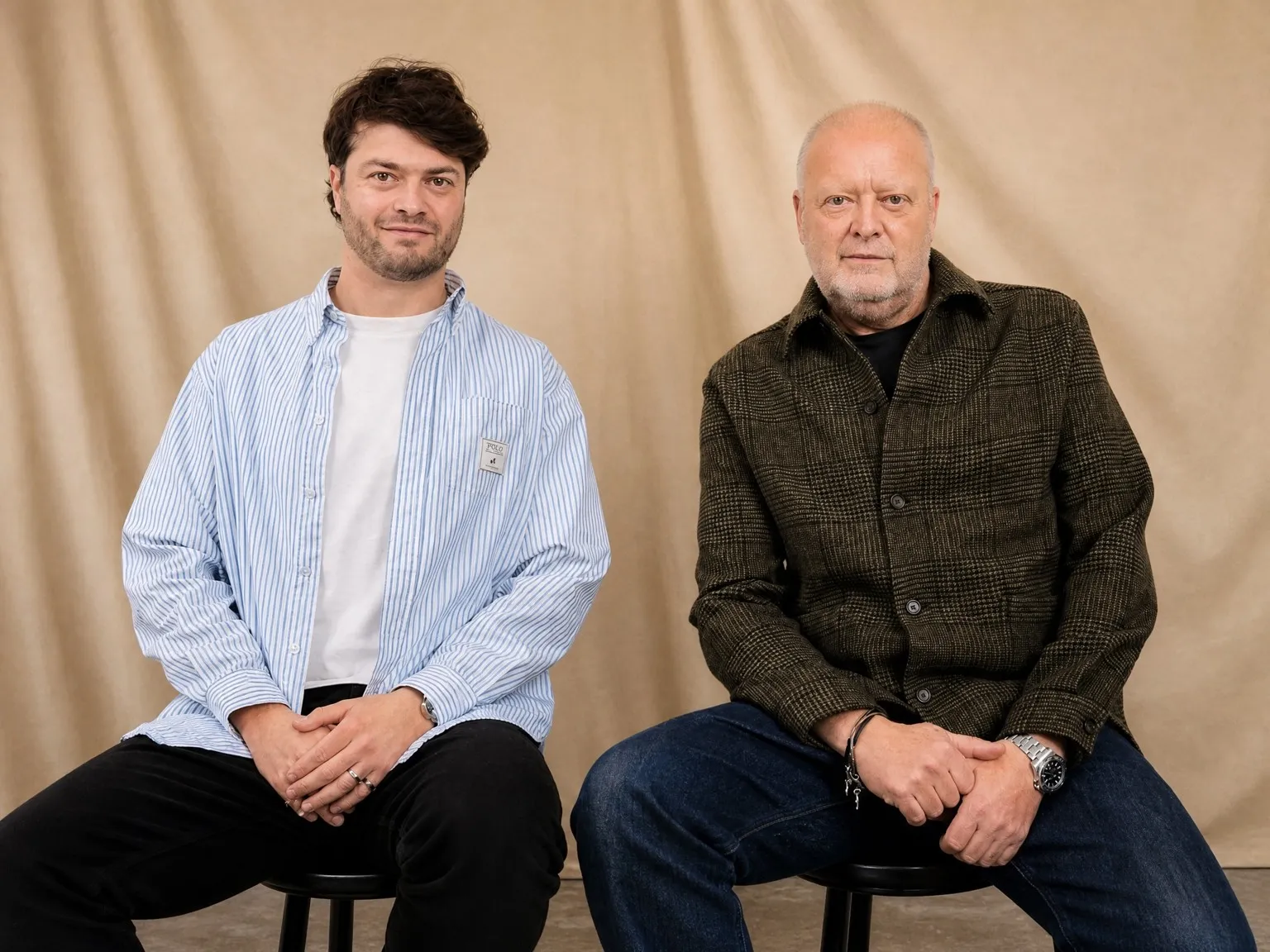
Renowned for its indelible mark on 1970s fashion and its status as the quintessential "rock ‘n’ roll" footwear brand, Terry de Havilland is currently executing a strategic pivot to secure its future in a crowded, digitised global marketplace. Under the stewardship of managing director Darren Spurling and operations director Josh Spurling, the Newcastle upon Tyne-based company is successfully blending its rich heritage of platform heels and bold aesthetics with modern, data-driven growth strategies. As the brand eyes a significant expansion into 2027, its leadership is balancing a robust direct-to-consumer (DTC) model with a calculated approach to international wholesale and physical retail, proving that a brand with over five decades of history can remain relevant through technological adaptation and unwavering brand identity.
A Legacy Reimagined: From 1970s Icons to Modern Footwear
The story of Terry de Havilland is inextricably linked to its founder, the late Terry de Havilland, whose contributions to footwear design were recognized by Drapers with a Lifetime Achievement Award in 2010. Passing away in December 2019 at the age of 81, de Havilland left behind a legacy that transformed the fashion landscape of the 1970s. His designs—characterized by striking metallics, platforms, and a rebellious spirit—found their way onto the feet of global icons and style mavens. Today, that torch is carried by his nephew, Darren Spurling, and his son, Josh Spurling, who oversee a dedicated team of ten professionals.
The brand’s survival and subsequent growth since the founder’s passing are testaments to the strength of its archive. The "Zia" platform, in particular, remains a quintessential representation of the brand’s DNA—a bold, block-heeled statement piece that continues to drive sales today. By maintaining the integrity of these iconic designs while incorporating contemporary comfort and material standards, the current leadership has successfully bridged the gap between vintage appeal and modern consumption.
The Strategic Pivot: Data-Driven Growth and Market Expansion
Operating from its headquarters in Newcastle, the company has seen consistent upward momentum. Website sales have recorded a 15% increase year-on-year, a significant figure in a climate where consumer spending has become increasingly fragmented. The brand’s geographic footprint is currently skewed toward the UK, which accounts for 80% of total sales, with the remaining 20% attributed to the United States.

This US presence is not merely incidental; it is the result of organic growth, bolstered by celebrity endorsements from high-profile figures such as Margot Robbie, Michelle Williams, and Sarah Jessica Parker. This organic PR, combined with an effective digital strategy, has allowed the brand to penetrate the American market without the necessity of massive traditional marketing spends. As the brand enters the 2027 fiscal period, the focus shifts to scaling this success. The management team has reported an 80% increase in wholesale growth for 2026 compared to 2025, signaling that retailers are increasingly keen to capitalize on the brand’s renewed cultural relevance.
Navigating Global Trade and Tariffs
One of the most pressing concerns for any international brand in the current political climate is the volatility of trade tariffs. For Terry de Havilland, the US market is a primary growth engine, yet it remains subject to the shifting regulatory landscape of American trade policy. Rather than retreating, the brand has adopted a strategy of radical transparency to mitigate the impact of these potential costs.
By utilizing platforms such as Global-e, the company ensures that all applicable duties and taxes are calculated and presented to the customer at the point of checkout. This removes the "sting" of unexpected charges upon delivery, which is a common pain point for international shoppers. Darren and Josh Spurling argue that this transparency is vital for maintaining brand trust. Their experience suggests that when a consumer understands the value, quality, and heritage behind a product, they are more willing to absorb the associated costs of international shipping and duties. Furthermore, the brand has leveraged its logistical partnerships to offer expedited shipping to East Coast US cities, sometimes achieving next-day delivery, thereby narrowing the gap between a domestic and an international shopping experience.
Sustainability as a Core Business Metric
In an era where "greenwashing" is frequently criticized, Terry de Havilland has opted for a granular approach to sustainability. The brand maintains a close-knit production cycle, centered around a single factory in Elda, Spain. This centralization allows for rigorous oversight of production conditions and material sourcing. By prioritizing leather suppliers associated with the Leather Working Group and utilizing recycled materials verified by the Global Recycled Standard, the company aligns its operational practices with contemporary environmental expectations.
Moreover, the brand’s approach to waste reduction is inherently tied to its production model. By utilizing suppliers that allow for smaller minimum order quantities (MOQs), the company avoids the trap of overproduction. The success of its biannual online sample sales—where prototypes, photoshoot samples, and minor-imperfection items are sold—demonstrates a commitment to circularity that resonates with its consumer base. The introduction of a vegan leather version of the "Zia" platform further underscores the brand’s willingness to evolve its product offering to meet the demands of a diverse, ethically conscious market without diluting its distinct aesthetic.
The Future of Physical Retail: Bridging the Digital-Physical Divide
While the company has thrived as a DTC entity, the leadership is increasingly focused on the role of physical presence. The Spurlings acknowledge that footwear is a tactile experience; the interplay of light on metallic textures and the physical weight of a platform heel are qualities that often fail to translate through a digital lens. Consequently, the brand is actively exploring the potential for a permanent brick-and-mortar presence.
This strategy is supported by the success of past pop-up events, which acted as testing grounds for the physical customer experience. The objective for a permanent store is not merely to create a point of sale, but to build an immersive environment that communicates the brand’s 50-year history. This, the directors believe, will be essential for attracting new customers who are unfamiliar with the brand’s origins but are drawn to its unique visual identity.
Wholesale Strategy and Future Collaborations
The brand’s wholesale strategy is characterized by selectivity and collaboration. By partnering with independent boutiques such as Annie’s Ibiza in the UK and Rarebird in Florida, the brand ensures its products are stocked in environments that align with its "rock ‘n’ roll" image. However, the management team is now looking toward a higher tier of retail. Negotiations are underway to explore potential partnerships with major department stores such as Nordstrom, Macy’s, and Bloomingdale’s, which would provide the scale necessary to support the brand’s next phase of international growth.
Collaborations, such as the womenswear collection with River Island launched earlier this year, serve as a blueprint for future diversification. The Spurlings recognize that there is significant potential to extend the Terry de Havilland aesthetic into new categories beyond footwear and bags. Licensing opportunities and cross-industry collaborations are expected to play a larger role in the brand’s 2027 roadmap, allowing it to reach audiences that may not yet be part of the core footwear demographic.
Challenges in a Competitive Landscape

Despite its success, the brand faces the persistent challenge of "cutting through the noise." The digital fashion space is saturated, and the competition for consumer attention is fierce. For a heritage brand, the challenge lies in leveraging its history without becoming a relic. The Spurlings note that the most effective marketing strategy involves storytelling—connecting the brand’s rich past in music, film, and celebrity culture with the lifestyle of the modern consumer.
The integration of artificial intelligence into the customer journey is viewed as both a necessity and an opportunity. By utilizing AI-powered product discovery and personalized marketing via email and SMS, the brand can foster deeper relationships with its customers. As search behavior shifts away from traditional search engines toward AI-curated recommendations and social commerce, the visual distinctiveness of Terry de Havilland products acts as a significant competitive advantage.
Conclusion: A Foundation for Sustained Growth
The trajectory of Terry de Havilland under the current leadership serves as a case study in the successful transition of a heritage brand into the modern retail era. By balancing the "bread and butter" of its DTC business with a selective wholesale strategy and an eye toward future physical expansion, the brand is positioned for significant growth. The combination of historical prestige, a commitment to quality and transparency, and an agile approach to international trade has provided a stable foundation for the brand’s next chapter. As the team looks toward 2027, the focus remains clear: to introduce the world to the unique DNA of Terry de Havilland, ensuring that the legacy of the "rock ‘n’ roll" shoe continues to resonate with new generations of fashion-conscious consumers across the globe.