






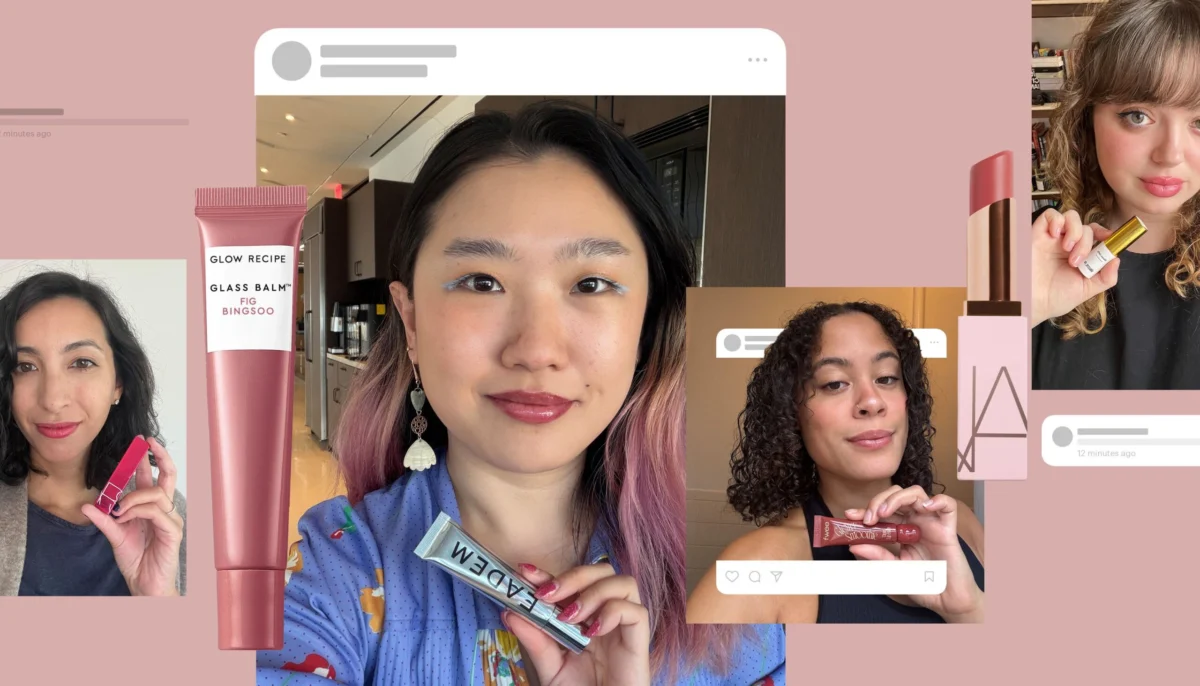
The modern beauty landscape has shifted significantly toward hybrid products that bridge the gap between clinical skincare and color cosmetics. Among the most prominent of these, the tinted lip balm has emerged as a daily essential for consumers seeking both therapeutic hydration and a subtle aesthetic enhancement. The market’s evolution is best exemplified by high-performing formulas like the clear SOS Vanilla shade, which secured a prestigious 2024 Allure Best of Beauty Award within the Sensitive category, signaling a broader industry trend toward prioritizing skin-barrier health alongside cosmetic appeal.
The Science of Lip Hydration and Barrier Repair
To understand the efficacy of contemporary lip balms, one must examine the physiological needs of the lip skin. Unlike the skin on the face or body, the lips lack sebaceous glands and contain a thinner stratum corneum, making them uniquely susceptible to environmental stressors, transepidermal water loss (TEWL), and chronic dehydration.
The industry’s response to these challenges has been the integration of high-potency ingredients typically reserved for sophisticated facial serums. Leading dermatologists emphasize a multi-pronged approach to lip care: the use of humectants to draw moisture inward and emollients to lock that moisture in place. Hyaluronic acid, a powerhouse humectant capable of holding up to 1,000 times its weight in water, is now a standard component in premium balms. Dr. Doris Day, a board-certified dermatologist based in New York City, notes that while the most dramatic results for volume restoration are achieved via clinical injection, the topical application of hyaluronic acid remains an essential strategy for improving surface resilience and plumping the appearance of the lips through hydration.
The Role of Emollients and Lip-Specific Antioxidants
While humectants provide the initial boost of hydration, they require a vehicle to prevent immediate evaporation. Shea butter has become the gold standard for this protective role. Rich in essential fatty acids, shea butter functions as an occlusive agent, effectively sealing the lip surface against harsh environmental elements.
The clinical profile of shea butter extends beyond simple moisture retention. It is a dense source of vitamins A and E, two critical antioxidants that work to soothe inflammation. For individuals suffering from chronic conditions such as eczema, psoriasis, or rosacea, the inclusion of shea butter in daily lip products can mitigate the symptoms of irritation and dryness. Cosmetic chemists and dermatologists, including Dr. Kim Nichols of Greenwich, Connecticut, advocate for these ingredients because they provide a dual-action benefit: softening the skin texture while simultaneously acting as a barrier against external irritants.
Innovation in Texture: The Case for Jojoba Oil
A common consumer complaint regarding traditional lip balms is the sensation of excessive greasiness or "heaviness." Recent advancements in formulation science have addressed this through the increased use of jojoba oil. Despite its nomenclature, jojoba oil is technically a liquid wax ester, structurally mimicking the natural sebum produced by human skin.
According to Ron Robinson, a veteran cosmetic chemist and founder of BeautyStat, the unique molecular structure of jojoba oil allows it to provide deep conditioning without the pore-clogging risks associated with heavier mineral oils or synthetic waxes. Furthermore, Dr. Marisa Garshick, a prominent dermatologist in New York City, highlights that jojoba oil serves a dual purpose: it acts as both a humectant to draw in moisture and an emollient to smooth the surface, resulting in a lightweight, non-comedogenic finish that appeals to modern consumers who prioritize skin health and comfort.
The Rise of Peptide-Infused Treatments
The most significant technological advancement in the current market is the incorporation of peptides into lip care. Peptides, which are short chains of amino acids, serve as the building blocks of proteins like collagen and elastin. As the industry moves away from heavy, invasive procedures, consumers are increasingly looking to topical "plumping" agents that offer subtle, temporary results.
Dr. Cindy Bae, a New York City-based dermatologist, explains that the efficacy of peptide lip treatments is largely dependent on the concentration and the specific sequence of the peptides used. When formulated correctly, these ingredients can improve the structural integrity of the lips, smoothing out fine lines and providing a firmer appearance. While not a permanent replacement for clinical fillers, these products represent a sophisticated middle ground for the "pre-juvenation" market—a demographic that values maintenance and long-term prevention over drastic surgical intervention.
Defining the Market: Tinted Balms vs. Lip Stains
A point of frequent confusion among consumers is the distinction between tinted lip balms and traditional lip stains. While both categories utilize colorants, their chemical compositions are engineered for different purposes. Tinted lip balms are essentially moisturizers with a pigment additive, designed for frequent reapplication and ongoing hydration. Conversely, lip stains are formulated to penetrate the upper layers of the skin, offering a long-wear color payoff that persists even after the emollient base has faded.
Kelly Dobos, a cosmetic chemist based in Cincinnati, notes that the chemistry of color additives is the primary determinant of a product’s categorization. Many modern stains now integrate moisturizing bases to avoid the drying effects associated with early-generation lip stains, which often relied on alcohol-based formulas. Consequently, the line between these two categories is increasingly blurred, with many brands offering "staining balms" that provide the best of both worlds: sustained hydration and long-lasting, natural-looking color.
Methodology and Editorial Rigor in Beauty Reporting
The credibility of beauty recommendations relies heavily on the transparency of testing methodologies. In an era of sponsored content and social media-driven marketing, professional outlets like Allure have adopted rigorous vetting processes. The selection of the best tinted lip balms is not merely a subjective preference; it is the result of an exhaustive audit across five key performance indicators: ingredient efficacy, packaging functionality, sensory experience (fragrance/texture), and product longevity.
This process involves collaboration between in-house editorial teams and independent experts, including board-certified dermatologists and chemists. The inclusion of diverse testing panels—representing various ages, skin tones, and sensitivities—is essential for ensuring that recommendations are inclusive. As the industry acknowledges, a product deemed "best" for one demographic may not perform identically for another. By assessing products through a diverse lens, the beauty industry moves closer to a standard where efficacy and accessibility are the primary benchmarks of quality.
Broader Implications for the Skincare Industry
The trend toward medicated, high-performance lip care reflects a broader evolution in the beauty industry: the "skin-ification" of cosmetics. Consumers are no longer willing to sacrifice their skin’s health for aesthetic results. This shift has forced brands to be more transparent about their ingredient sourcing, concentration levels, and clinical testing data.
The success of award-winning products, such as those recognized in the 2024 Best of Beauty awards, demonstrates that there is a significant market demand for products that are both effective and safe for sensitive skin. This trend is expected to continue as research into the skin microbiome and barrier health expands. As we look toward the future, the integration of more advanced active ingredients—such as ceramides, fermented extracts, and specialized antioxidants—will likely become the new baseline for lip care, moving the humble lip balm from a peripheral accessory to a foundational element of a comprehensive, medically-informed skincare routine.
In summary, the modern tinted lip balm is a testament to the progress of cosmetic chemistry. By combining the humectant properties of hyaluronic acid, the barrier-protecting benefits of shea butter, the lightweight conditioning of jojoba oil, and the structural support of peptides, these products represent the current pinnacle of accessible dermatological care. For the consumer, this means that the choice of a daily lip product is no longer just a matter of color preference; it is an active, ongoing investment in the health and vitality of the skin.