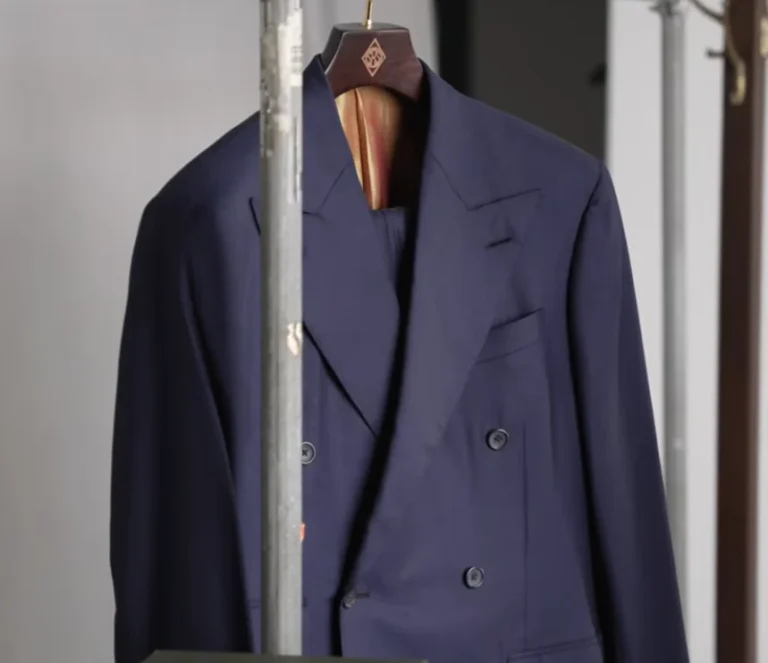









In the nuanced world of bespoke tailoring, the transition from a casual enthusiast to a seasoned professional is marked by a shift in philosophy: the move from chasing individual statement pieces to mastering a cohesive, functional wardrobe template. Ivan, a custom clothier with a decade of industry experience, recently provided an in-depth analysis of his personal collection, highlighting how a decade of sartorial evolution has led him to refine his requirements for the modern sport coat. By examining the construction, fabric selection, and finishing details of his three most-worn jackets, Ivan offers a masterclass in how a professional approaches the commission process—not as a consumer of fashion, but as an architect of a functional, long-term wardrobe.

The Evolution of a Sartorial Template
Over the past ten years, the bespoke industry has seen a significant shift toward versatile, modular clothing. Data from recent market reports indicates that consumers are increasingly prioritizing "cost-per-wear" over seasonal trends. Ivan’s approach aligns with this broader industry trend, moving away from high-fashion impulse buys toward a standardized template that ensures every new garment integrates seamlessly with existing pieces.
"Whatever I end up getting has to go with everything else in my wardrobe. It is not just a standalone piece," Ivan noted during his walkthrough. This methodology is central to the development of a sustainable wardrobe. By utilizing a consistent template—defined by specific shoulder construction, lapel width, and vent configuration—a client can ensure that a new commission does not sit idle in a closet but becomes a workhorse in their daily rotation.

A Decade of Industry Context
When Ivan began his career ten years ago, the landscape of custom menswear was heavily dominated by rigid, fully canvassed, and highly formal garments. The intervening decade has seen a dramatic shift toward softer, more relaxed construction methods, such as the rise of the Neapolitan-style jacket, which prioritizes comfort and mobility.
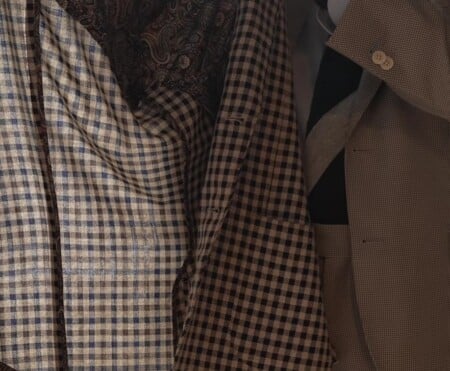
Ivan’s current rotation reflects this evolution. His selection includes a cream wool-silk sport coat, prized for its ability to function across nearly all seasons, and a robust Prince of Wales flannel jacket, specifically engineered for the rigors of deep winter. This selection demonstrates a calculated balance between thermal regulation and aesthetic adaptability. The ability to pivot from a lightweight, breathable wool-silk blend to a heavy, textured flannel is the hallmark of a seasoned professional who understands that the primary function of a jacket is to serve the wearer’s environment rather than merely dictate their look.
Decoding the Construction Details
One of the most informative segments of Ivan’s breakdown involves the technical specifications he mandates for his commissions. He places a heavy emphasis on the "three-roll-two" configuration, a design where a jacket is cut with three buttons but pressed to roll naturally to the middle one. This creates a softer, more fluid lapel line that mimics the ease of a two-button jacket while maintaining the traditional aesthetic of a three-button silhouette.
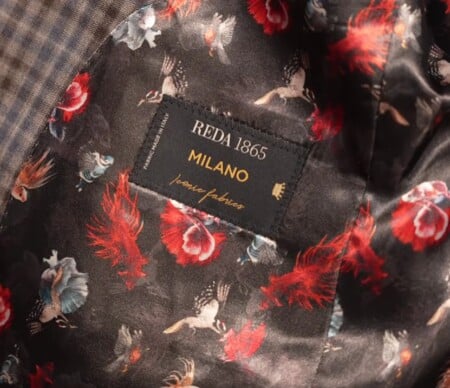
Furthermore, Ivan advocates for the use of "quarter-lining" in most of his jackets. By limiting the internal lining to only the upper portions of the jacket, he increases breathability and reduces weight, effectively turning the garment into a more versatile, year-round piece. This technical choice is increasingly popular among modern tailors who recognize that full-body lining is often unnecessary in contemporary climate-controlled environments.
The Significance of Subtle Personalization
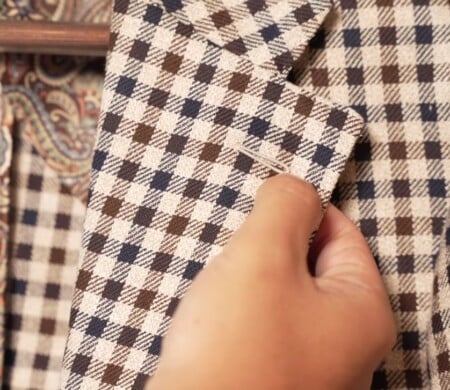
In the realm of custom clothing, the difference between an off-the-rack garment and a bespoke piece often lies in the "finishing details"—the micro-choices that do not necessarily impact the fit but certainly define the garment’s personality. Ivan highlights a deliberate strategy for thread color, noting that he avoids using colored thread on the lapel buttonhole.
"I don’t change the lapel buttonhole," Ivan explains. "It’s like a target or a bullseye, the first thing you see." By keeping the lapel buttonhole understated and matching the fabric, he ensures the jacket remains professional and versatile. Conversely, he often selects a subtle pop of color for the final cuff buttonhole. This, he argues, is a detail meant for the wearer and those in close proximity, serving as a quiet marker of customization that rewards closer inspection without being distracting.
Technical Analysis: Canvas and Structure
A crucial aspect of Ivan’s advice involves the choice of internal structure, or "canvas." The canvas is the structural foundation of the jacket, providing the shape that molds to the wearer over time.
- Full Canvas: Recommended for formal suits where structure and longevity are paramount.
- Half Canvas: The industry standard for a balance between structure in the chest and comfort in the midsection.
- Unstructured: Gaining massive traction in casual wear, this style removes the canvas entirely to create a lightweight, cardigan-like feel.
Ivan’s practice involves selecting the level of canvassing based on the intended use of the fabric. He notes that the specific weight and "hand" (the feel of the fabric) dictate the internal construction. A heavy tweed, for example, might require less internal structure than a fine, lightweight worsted wool.
Broader Implications for the Bespoke Industry
The shift toward a "template" system, as demonstrated by Ivan, has profound implications for the future of custom tailoring. By reducing the number of variables in each order, clients are less likely to experience "buyer’s remorse" or regret over overly experimental designs. This methodical approach to building a wardrobe is a response to the fast-fashion cycle, suggesting that the future of the bespoke trade lies in long-term relationships where the clothier and the client collaborate on a unified, multi-year collection.
Industry experts suggest that as more consumers move toward "slow fashion," the role of the clothier is shifting from a mere maker of clothes to a wardrobe consultant. Ivan’s own admission of the jackets he barely wears serves as a candid reflection on the common pitfalls of the custom process. By acknowledging that even a professional can occasionally miscalculate a commission, he provides a valuable lesson in humility and iterative improvement.
Conclusion: The Path Forward
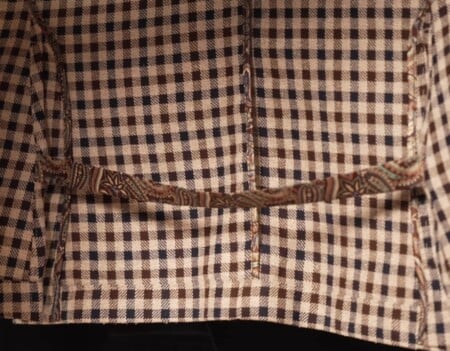
For those looking to transition their wardrobe into a cohesive collection, the advice offered here is actionable: identify your personal preferences regarding fit, structure, and fabric, and then codify them into a repeatable template. Whether it is the inclusion of a hidden strap in the back vent to prevent flapping or the decision to opt for a more breathable quarter-lining, these small, deliberate choices accumulate to create a style identity that is both authentic and functional.
As Ivan concludes, the ultimate goal is not to fill a closet with garments, but to cultivate a set of tools that allow the wearer to navigate their environment with confidence and ease. The modern gentleman does not chase the latest trends; he builds a legacy of well-considered, perfectly executed commissions that stand the test of time. By focusing on the fundamentals—the internal mechanics of the jacket, the seasonal utility of the cloth, and the deliberate restraint in finishing details—one can transform the act of buying clothes into the art of building a wardrobe.