









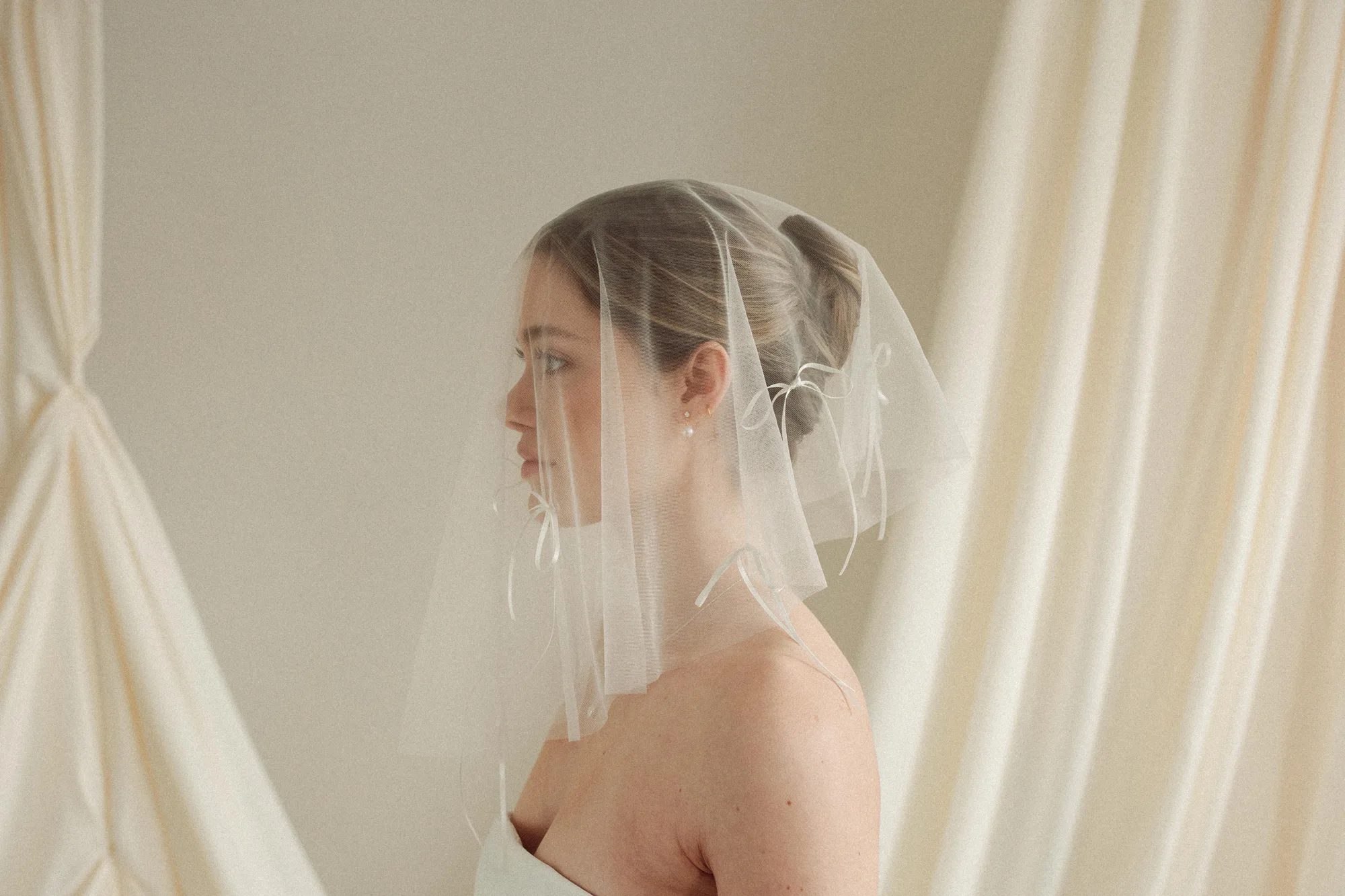
The launch of the Muse collection by acclaimed bridal designer Debbie Carlisle marks a significant moment in the UK bridal accessory industry. As the only bridal accessory designer in the country to be honored as a Master Craftsman by The Guild of Master Craftsmen, Carlisle’s latest release—which encompasses intricate headpieces, jewellery, hair vines, and a distinctive range of micro and birdcage veils—represents a culmination of nearly two decades of refinement in her Sheffield-based studio. This collection is not merely an aesthetic update; it reflects a broader industry shift toward sustainable, slow-fashion practices and a demand for deeply personalized, heirloom-quality bridal wear.
The Evolution of a Master Craftsman
Debbie Carlisle’s trajectory in the bridal market began in 2009, born from a personal necessity to find accessories that transcended traditional, mass-produced offerings. Over the subsequent sixteen years, her studio has transitioned from a small-scale operation into a globally recognized name. The attainment of the Master Craftsman status is a critical benchmark in her career, signifying that her work meets the most rigorous standards of technical proficiency and material quality.
The Muse collection follows her previous acclaimed release, Reverie, and serves as a natural, if more complex, evolution of her signature botanical and ethereal aesthetic. The development of Muse was an intensive, multi-month process that prioritized material integrity over rapid production. Unlike conventional design cycles that rely on digital sketching and outsourced manufacturing, Carlisle’s process is inherently tactile. It involves the manual testing of various tulles, laces, and stiffening agents to ensure that every crown, pin, and veil meets the high-performance requirements of a wedding day, where accessories must remain comfortable and secure for twelve hours or more.

Data-Driven Sustainability and the Made-to-Order Model
In an era of instant gratification and one-click global shipping, the two-to-three-week lead time for a piece from the Muse collection serves as a deliberate counter-narrative. From a logistical standpoint, the made-to-order model adopted by Carlisle’s studio is a strategic approach to sustainability. By producing only what is required, the brand significantly minimizes waste, avoiding the accumulation of unsold stock that often plagues larger, market-driven retailers.
Industry analysis suggests that this "slow bridal" movement is gaining traction among modern brides. Research into consumer behavior indicates that there is a growing desire for transparency and connection in the purchasing process. When a bride invests in a piece from the Muse collection, she is not simply purchasing a product; she is participating in a chain of custody that begins with the sourcing of freshwater pearls and high-quality crystals and ends with the physical creation of the item by the designer herself. This level of traceability acts as a safeguard against the proliferation of mass-produced, low-quality imitations that often flood online marketplaces under the guise of "handmade" goods.
The Anatomy of Quality: Distinguishing Artisan Work
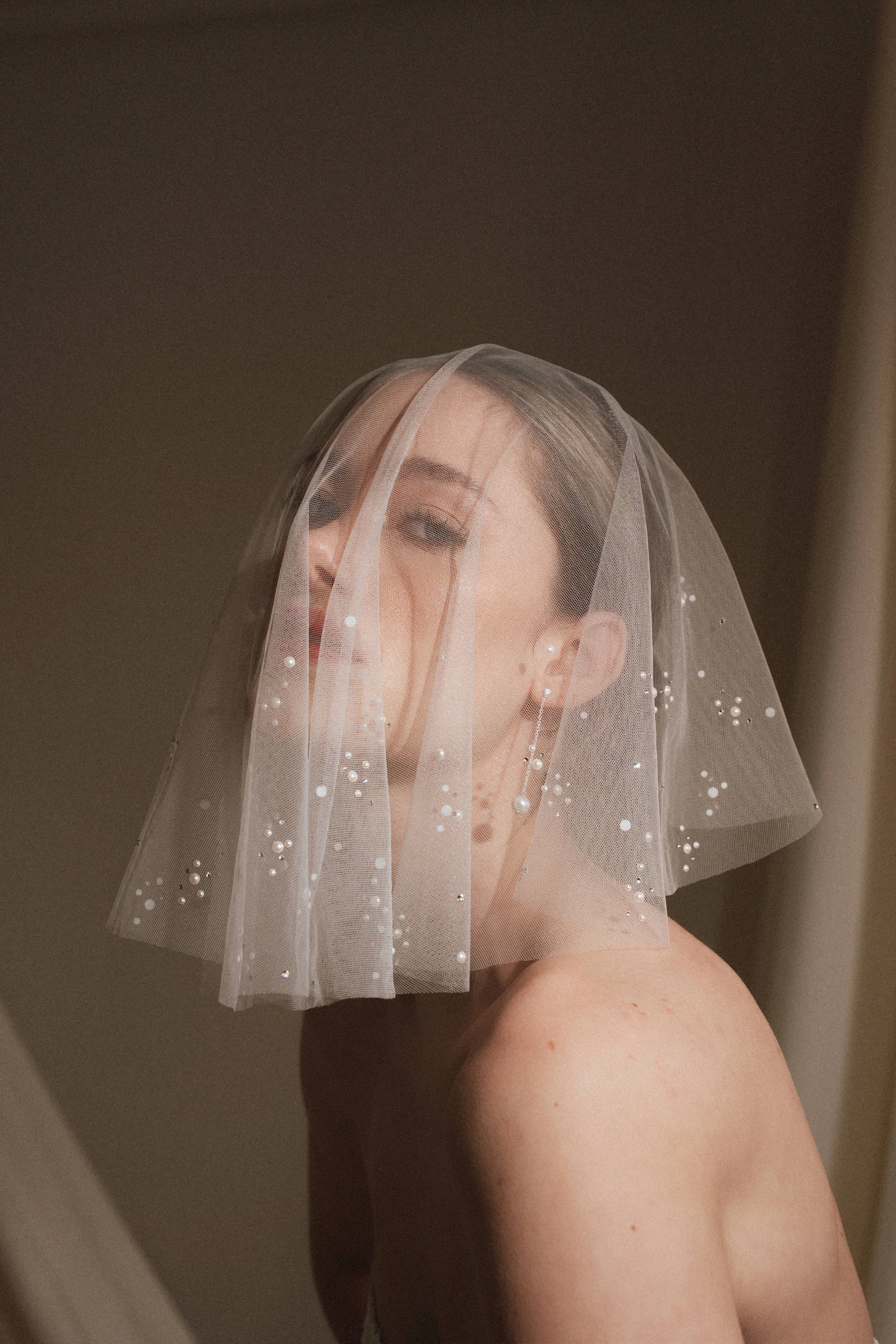
The rise of digital marketplaces has created an environment where the term "handmade" is frequently diluted. Carlisle provides a diagnostic framework for brides to distinguish between genuine artisan craftsmanship and mass-produced factory items. Key indicators include:
- Structural Integrity: Genuine hand-wired accessories feature tightly wrapped, clean, and finished wires, whereas mass-produced alternatives often show loose or exposed ends.
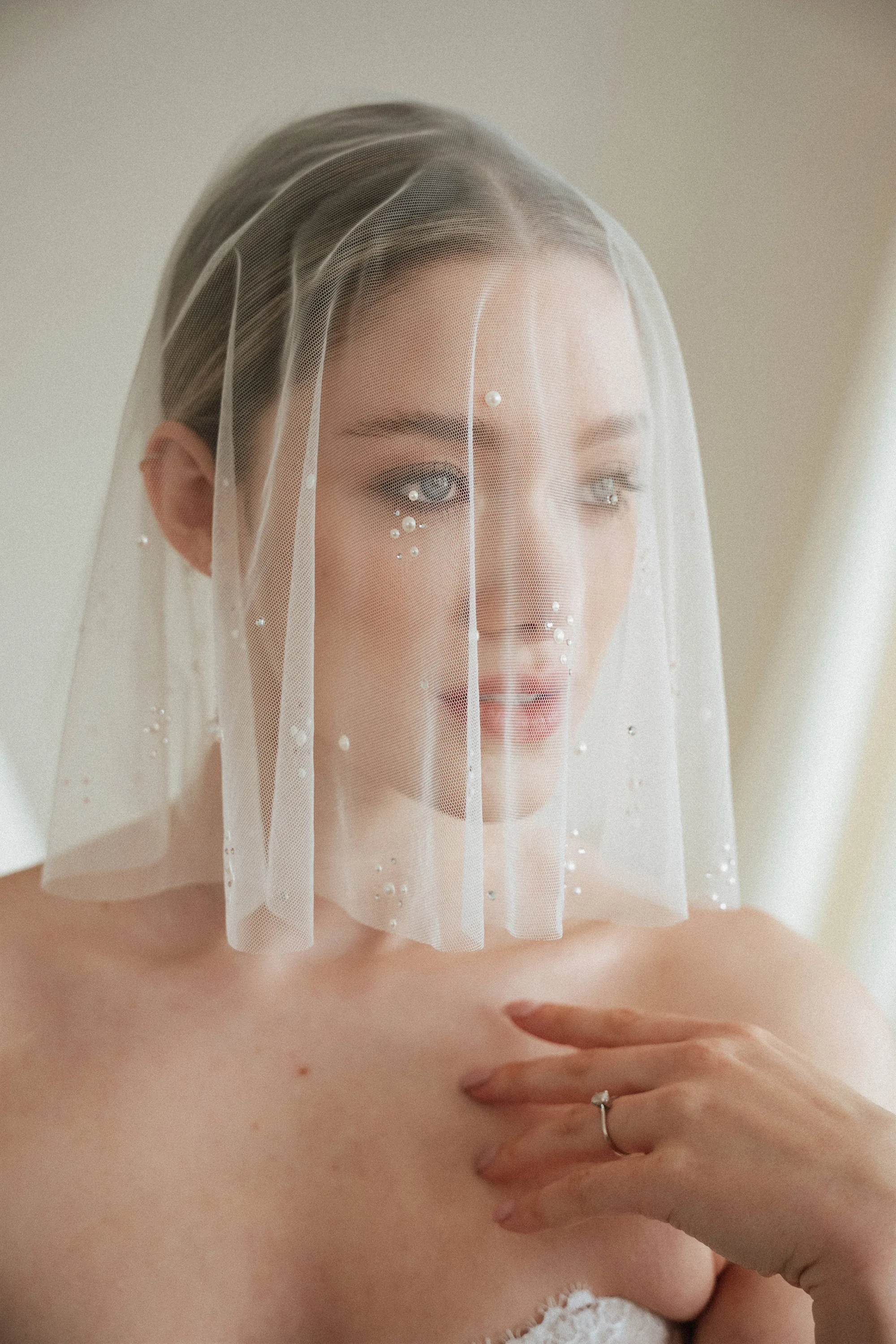
- Material Finishing: In the case of veils, raw, unfinished edges or haphazardly applied embellishments are indicative of cost-cutting measures, whereas professional artisan pieces demonstrate deliberate, uniform trimming.
- Transparency: The ability of a designer to demonstrate their making process—through video documentation or open studio consultations—serves as a verification of their claim to authentic production.
Carlisle’s commitment to this transparency is not merely marketing; it is a response to the challenges posed by artificial intelligence and digital deception in the modern retail space. By providing visual evidence of her techniques, she addresses the growing consumer anxiety regarding the authenticity of products ordered online.

The Shift in Bridal Research and Consumer Behavior
Since 2009, the landscape of bridal research has undergone a radical transformation. The pre-social media era, characterized by physical scrapbooks and bridal magazines, has been replaced by an algorithmic landscape of Pinterest, Instagram, and TikTok. While this offers unprecedented access to inspiration, it has introduced a secondary challenge: decision fatigue and the overwhelming pressure to conform to fleeting trends.
Carlisle notes that while the medium of research has changed, the underlying motivation of the bride remains consistent. The modern bride is increasingly seeking a version of herself that is both authentic and elevated, rather than one that feels "costumed" or constrained by rigid traditionalism. The Muse collection caters to this specific mindset, offering pieces that are adaptable to various hairstyles and wedding venues—from town hall ceremonies to formal estate weddings.
Implications for the Future of Bridal Retail
The success and longevity of the Debbie Carlisle label highlight a critical lesson for the wedding industry: the value of the "human connection" in an increasingly digital transaction space. By retaining knowledge of each client’s story—where they live, the nature of their ceremony, and the significance of their wedding day—Carlisle has fostered a loyal community that extends beyond the initial sale.
This relationship-based approach has broader implications for the future of luxury bridal accessories. As brides continue to prioritize "intentional consumption," the demand for designers who can offer a personal narrative alongside their products is expected to grow. The "unboxing" experience, often dismissed as a minor detail, is treated by Carlisle as a vital final step in the customer journey. The use of branded, gold-foiled packaging and personalized correspondence reinforces the sense of value and care, ensuring that the act of receiving the accessory is as memorable as the act of wearing it.

Strategic Outlook: Looking Beyond the Collection
As the Muse collection moves into the global market, the focus remains on the marriage of heritage techniques with contemporary styling. For the industry, Carlisle’s work serves as a case study in how small-scale, high-quality production can maintain relevance in a market dominated by rapid, large-scale manufacturing.
The "Master Craftsman" designation serves as more than an honorific; it is a signal of the brand’s stability and commitment to excellence. As the wedding industry continues to recover from the disruptions of the early 2020s, there is a clear appetite for products that offer longevity, both in physical durability and emotional resonance. Whether through the delicate arrangement of crystal leafy hairpins or the precise tailoring of a drop veil, the Muse collection provides a template for how traditional artisan skills can be successfully adapted for the 21st-century bride.
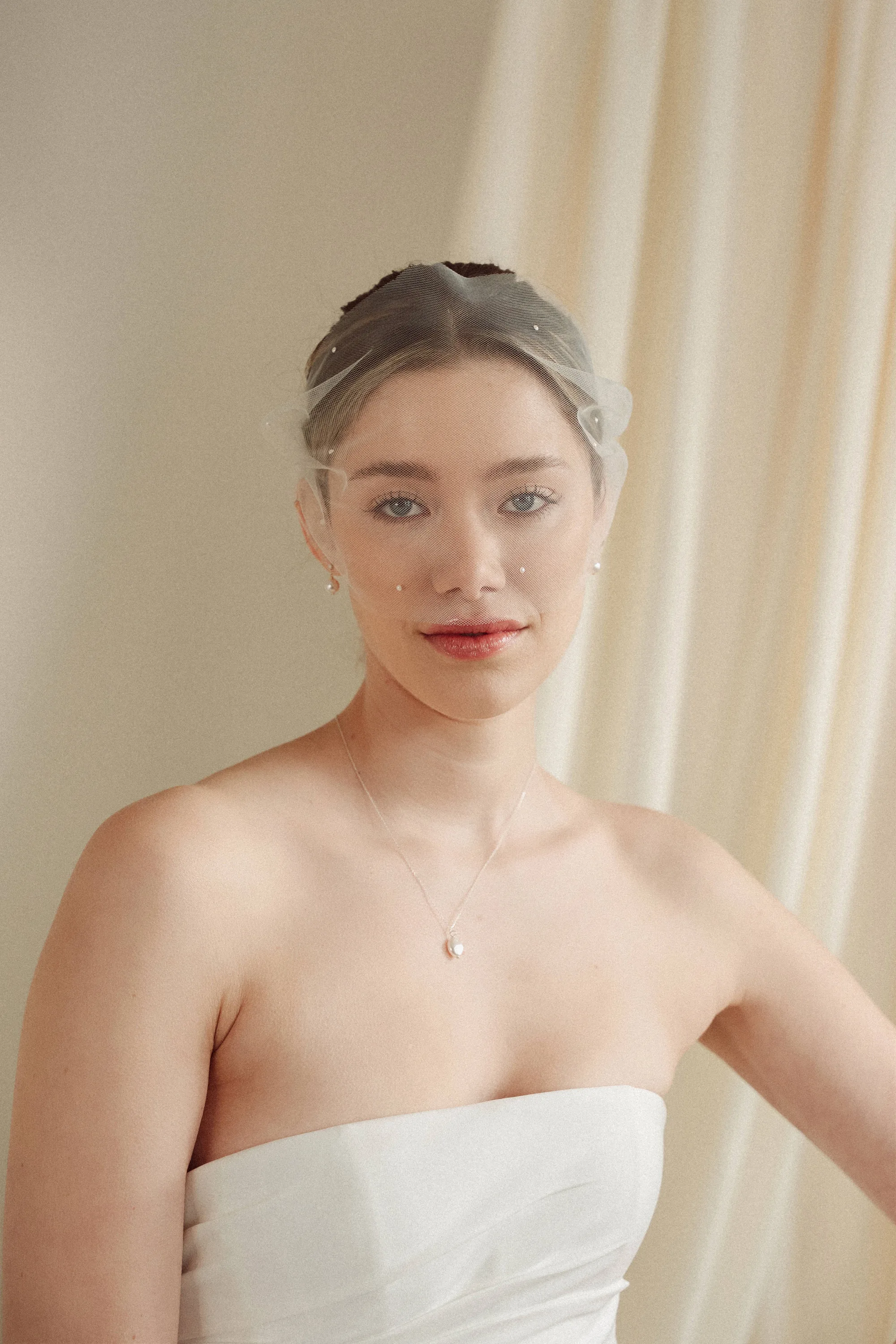
Ultimately, the Muse collection by Debbie Carlisle is a testament to the fact that when a product is made with intention, the waiting period becomes part of the luxury. It transforms the purchase from a simple retail transaction into a deliberate, meaningful act of preparation for one of life’s most significant milestones. As brides continue to navigate an increasingly complex and saturated market, the value of the "authentic artisan" will likely remain the gold standard for those seeking to balance tradition with personal expression.