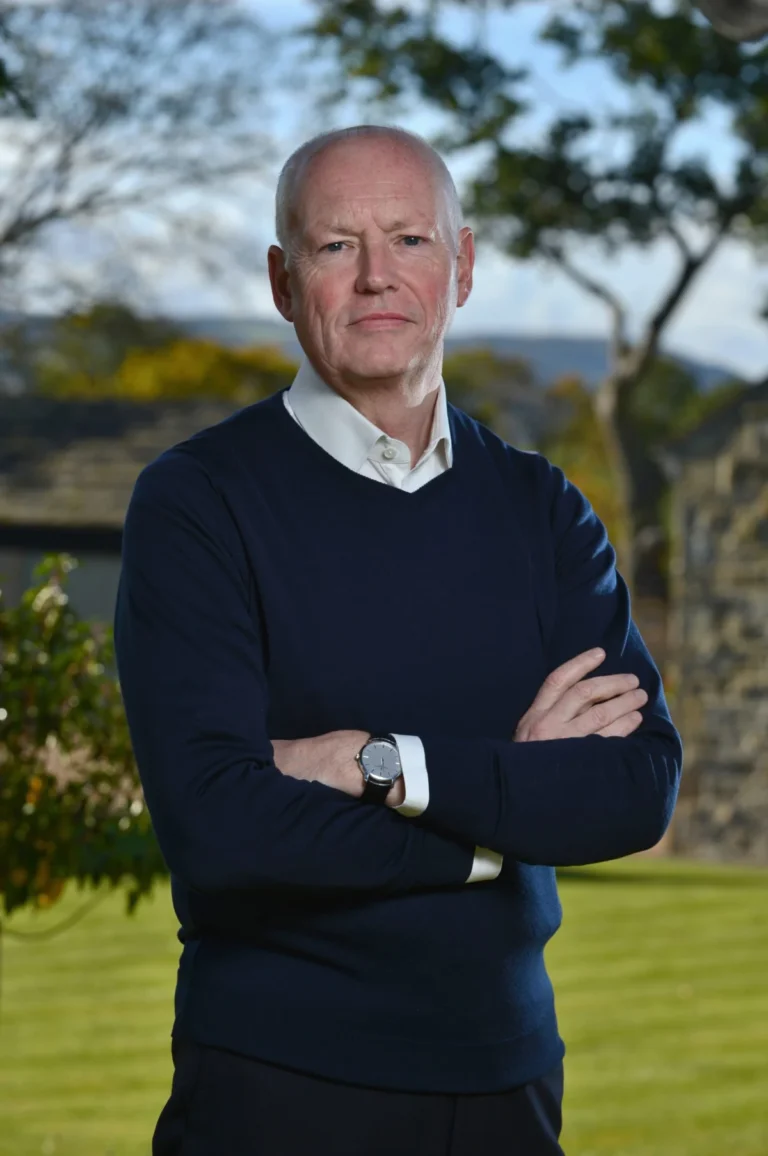









CARY, N.C. — INDA, the Association of the Nonwoven Fabrics Industry, officially announced on September 15, 2026, the appointment of Ben Muller as its new executive director. This leadership transition marks a significant milestone for the organization as it aligns its operational structure with the recently established Global Nonwovens Alliance (GNA). Muller, a seasoned professional with more than two decades of experience across the nonprofit, corporate, and trade association sectors, arrives at a critical juncture for the nonwovens industry, which is currently navigating a complex landscape of global supply chain shifts, sustainability mandates, and rapid technological innovation.
The appointment is designed to bolster INDA’s regional presence across the Americas while simultaneously facilitating a deeper, more cohesive integration with international counterparts. As the industry moves toward greater global standardization and collaborative advocacy, Muller’s background in strategic marketing and supply chain management is expected to be instrumental in driving the association’s long-term objectives.
A Career Built on Strategic Leadership
Ben Muller brings a diverse portfolio of expertise to his new role. His most recent tenure at the High Point Market Authority saw him spearheading marketing, public relations, and educational programming for one of the world’s most significant trade shows. This role required a high level of stakeholder management and a deep understanding of trade show logistics, both of which are core components of INDA’s annual operations and industry events.
Prior to his work with the High Point Market Authority, Muller held senior leadership positions at major textile and apparel entities, including Hanesbrands and Kayser-Roth. These roles provided him with a granular understanding of the textile supply chain—from raw material sourcing to consumer-facing retail strategy. His early career foundations were laid within mission-driven organizations, such as the American Cancer Society and the National Multiple Sclerosis Society, providing him with a unique perspective on the intersection of advocacy, member engagement, and public policy. This blend of commercial textile experience and nonprofit organizational management positions him uniquely to address the dual needs of INDA’s membership base: technical industry support and effective public representation.
The Evolution of INDA’s Leadership Structure
The transition plan for INDA is multi-phased and carefully calibrated. Tony Fragnito, who has served as president and CEO during a period of intense transformation for the organization, will transition to an executive consultant role effective January 2027. This period of overlap is intended to ensure continuity in member relationships and the stability of ongoing business operations. Fragnito’s primary focus during his final year with the association will be to support the maturation of the Global Nonwovens Alliance (GNA) and to manage his planned retirement, which is slated for December 2027.
The introduction of the executive director position is a structural response to the increasing administrative and strategic demands placed upon INDA. By separating the executive leadership into specific operational and strategic roles, the board aims to provide the necessary bandwidth to support the GNA. The GNA, formed through a partnership between INDA and EDANA, represents a unified front for the global nonwovens industry, seeking to streamline communications, share best practices, and unify advocacy efforts on issues such as environmental regulations and international trade standards.
Market Context and Industry Dynamics
The nonwovens industry is currently experiencing a period of robust change. According to recent industry reports, the global nonwoven fabrics market continues to see growth, driven by the increasing demand for high-performance materials in the hygiene, medical, and filtration sectors. However, this growth is tempered by inflationary pressures, energy costs, and the need for significant investment in sustainable production methods.

As of 2026, the industry is increasingly focused on the transition to circular economy models. Manufacturers are under growing pressure from regulatory bodies to reduce plastic waste and adopt bio-based, compostable, or recyclable materials. These challenges are not confined to a single continent, which highlights the necessity of the GNA. By fostering a global dialogue, the alliance aims to provide members with the resources required to meet regional compliance standards without sacrificing global operational efficiency.
INDA’s role in this ecosystem is to translate these global trends into actionable intelligence for members operating within the Americas. Muller’s leadership will be tested by the speed at which the industry adopts new environmental standards and the ability of the association to keep pace with digital transformation in manufacturing processes.
Perspectives from Industry Leadership
The reaction from the leadership of INDA and the GNA has been one of optimistic coordination. Mark A. Thornton, chair of the INDA Board of Directors and vice president of Baby Care, Fem Care and Family Care Quality Assurance at The Procter & Gamble Company, emphasized that the decision was driven by a need for future-proof leadership. "The Board is deeply appreciative of Tony’s leadership during a transformational period," Thornton stated. "As we look ahead, we are confident Ben brings the strategic thinking and collaborative leadership needed to guide INDA into its next chapter."
Murat Dogru, CEO of the GNA, highlighted the importance of this appointment in the context of the alliance’s mission. "The strength of the Alliance will depend on combining a truly global perspective with strong regional leadership that understands the priorities of its members," Dogru noted. The sentiment reflects the GNA’s overarching strategy: to function as a global powerhouse while remaining responsive to the specific regulatory and economic nuances of its member organizations.
For his part, Muller has expressed a commitment to a "listening tour" approach, intending to spend his initial months in the role engaging directly with members to gauge their primary pain points and expectations. "The formation of the Global Nonwovens Alliance creates an exciting opportunity to strengthen collaboration and expand the value we provide to members," Muller said in a statement. "I look forward to ensuring INDA continues to be a strong advocate and resource for the industry throughout the Americas."
Implications for the Future
The arrival of a new executive director during a year-long transition period provides several strategic advantages for INDA. First, it allows for the transfer of institutional knowledge from Fragnito, whose tenure has been marked by significant growth in membership and the successful conceptualization of the GNA. Second, it allows Muller to build credibility within the membership base before assuming full control over the association’s long-term agenda.
The industry at large can expect a continued focus on three key pillars under the new leadership:
- Advocacy and Policy: Increased focus on legislative and regulatory engagement regarding plastic usage and sustainability in the Americas.
- Global Integration: Closer alignment with EDANA and other international partners to ensure that technical standards for nonwovens are consistent across borders.
- Member Value: An evolution of educational programs and market data services to assist members in navigating the complexities of an increasingly volatile global economy.
As the nonwovens industry continues to expand its role in critical sectors like health and safety, the importance of a robust, well-led trade association cannot be overstated. By formalizing this leadership transition, INDA has signaled its intention to remain at the forefront of these developments, ensuring that its members are well-equipped to face the challenges of the late 2020s and beyond. The shift is not merely one of personnel, but a clear indication of a pivot toward a more interconnected and globally aligned trade environment.