







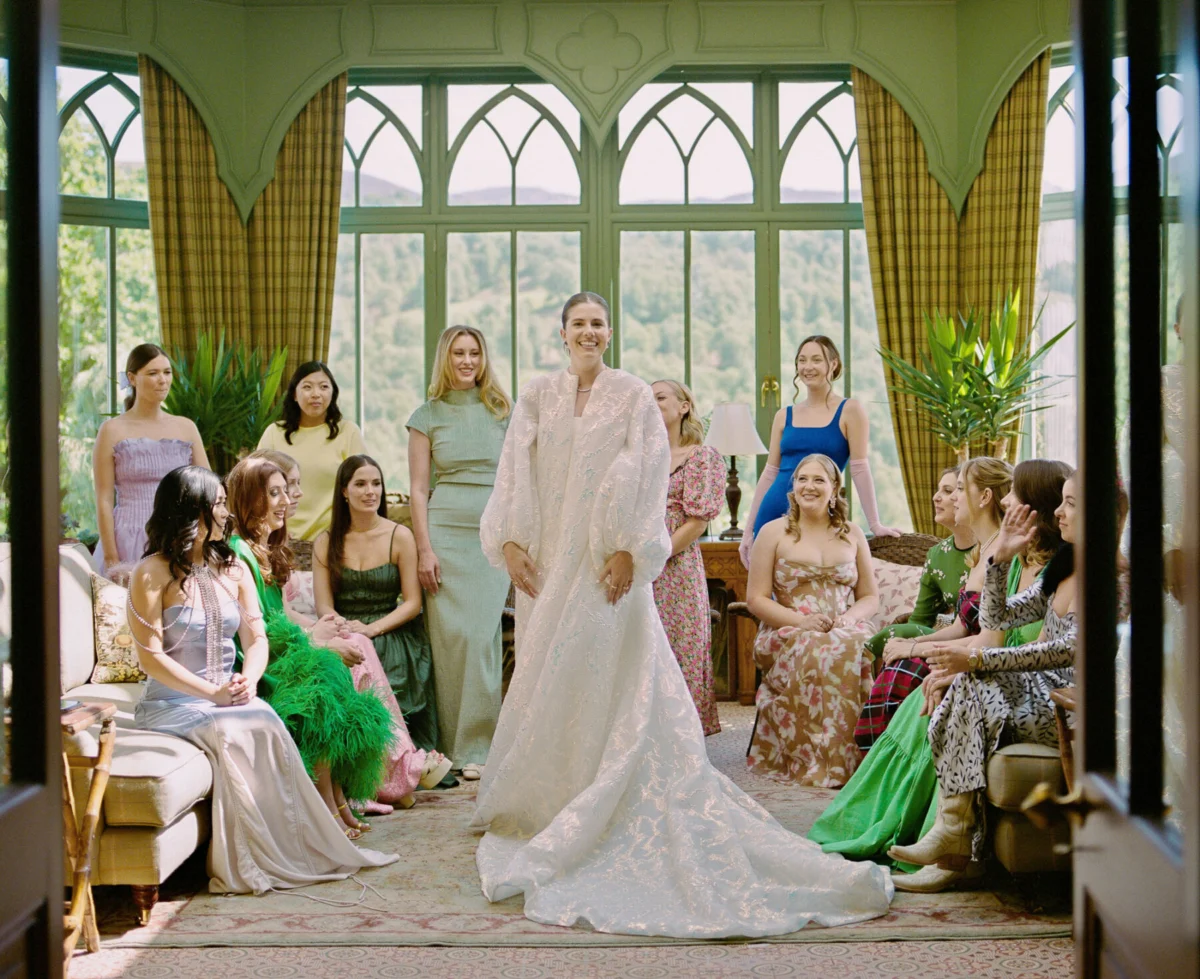
The digital landscape of the wedding industry is undergoing a profound transformation as artificial intelligence (AI) begins to challenge traditional methods of content creation, photography, and brand marketing. Following a summer of introspection, industry leaders are grappling with the ethical, economic, and creative implications of using generative AI to produce commercial campaigns. This shift has ignited a debate regarding the value of human craftsmanship versus the efficiency of automated imagery, raising critical questions about transparency and the future of creative professions.
The Rise of Generative Campaigns
The catalyst for this renewed industry discourse was the recent unveiling of a high-profile bridal fashion campaign. The collection, which featured visually striking imagery, was widely praised across major social media platforms before it was revealed that the entire project—including models, photography, and location sets—was created using AI tools.
Industry analysts note that this marks a significant departure from standard practices where bridal designers historically relied on professional photographers, stylists, and real-life models. When the artificial nature of the campaign was exposed, the designer in question initially defended the work as "AI-generated professional photography." The response prompted immediate backlash from creative professionals who argued that the terminology misrepresents the labor-intensive nature of professional photography. Following the criticism, the designer modified the campaign’s metadata to "original design, visualized with AI," yet the debate concerning the erasure of human creative labor continues to intensify.
The Economic and Creative Impact on Professionals
The economic structure of the wedding industry is built upon a ecosystem of independent contractors: photographers, videographers, hair and makeup artists, florists, and set designers. Data suggests that these creative services represent a multi-billion dollar sector. By bypassing human talent in favor of generative models, brands may reduce immediate production costs, but industry experts warn of long-term systemic consequences.
Professional photographers argue that AI models are trained on vast datasets of existing, human-captured images, often without the consent or compensation of the original creators. This practice has been described by critics as "data extraction," where the intellectual property of working artists is used to render those same artists obsolete. Furthermore, there is a tangible concern regarding the reliability of AI-generated content. Unlike traditional photography, which provides a faithful representation of a garment’s fit, fabric movement, and quality, AI-generated images are synthetic interpretations. This creates an informational gap for consumers who rely on accurate visual data when making high-value purchasing decisions.
Industry Standards and Ethical Concerns
The trend of utilizing AI in marketing has forced publications and platforms to define their editorial boundaries. For many established outlets, the commitment to human-led storytelling has become a point of differentiation. This approach emphasizes the "slow content" movement, which prioritizes curated, verified, and human-verified media over the rapid, algorithm-driven output that characterizes much of contemporary social media.
Fact-based analysis suggests that while AI can function as an administrative aid—streamlining logistics, scheduling, and data processing—its use in creative "front-facing" assets remains contentious. The ethical divide centers on the distinction between augmentation and substitution. While using AI to organize a calendar is widely accepted as an efficiency tool, using it to replace human artistry—and then labeling that output as "professional photography"—is viewed by many industry guilds as a deceptive practice that undermines the value of professional training and expertise.
Broader Implications of AI Integration
Beyond the immediate concerns of the bridal industry, the rapid deployment of AI technologies carries broader environmental and social costs. The infrastructure required to power generative AI—including massive data centers and high-energy cooling systems—is increasingly under scrutiny for its environmental footprint.
Furthermore, the "arms race" toward artificial superintelligence has raised concerns among researchers regarding safety and accountability. A recurring critique in the industry is that the pressure to constantly produce, perform, and chase algorithmic trends is leading to a homogenization of creative output. As platforms like Instagram shift toward short-form video and high-frequency posting, small businesses are finding it increasingly difficult to compete without resorting to automated tools. However, there is a growing movement among independent businesses to reject these pressures, opting instead for organic, search-engine-based discovery and long-form storytelling that prioritizes trust over ephemeral engagement.
The Shift Toward Human-Centric Business Models
Despite the prevalence of AI, there remains a persistent demand for authentic human experiences. Market data indicates that consumers are increasingly valuing transparency, particularly when it comes to the "story" behind a brand. This has led to a resurgence in the importance of directory-based platforms that vet their members, ensuring that the businesses showcased are legitimate, human-operated, and rooted in physical craftsmanship.
For entrepreneurs, this represents a return to sovereignty. By stepping away from the "always-on" culture of social media, businesses can reclaim their time and focus on the quality of their service. The evidence shows that long-term brand loyalty is built through human connection, not through the volume of content produced. As the industry moves forward, the divide between those who lean into synthetic automation and those who double down on human-led artistry is likely to widen.
Looking Ahead: The Value of Intentionality
The wedding industry is currently at a crossroads. As generative technology becomes more sophisticated, the distinction between reality and artifice will become increasingly blurred. The response from the creative community has been a push for higher standards of disclosure. Industry advocates are calling for mandatory labeling of AI-generated assets to protect consumers from misleading marketing and to ensure that human creators are not inadvertently erased from the value chain.
Ultimately, the sustainability of the creative industry depends on its ability to maintain the integrity of its work. The wedding sector, which is fundamentally predicated on the celebration of human connection, faces a unique challenge in reconciling its core values with the rise of machine-generated aesthetics. The coming years will likely be defined by a shift in consumer preference toward brands that can prove their human provenance, effectively using the "human touch" as a premium market identifier.
As digital spaces evolve, the focus for many will shift away from the "hook" or the "algorithm" and toward the preservation of true, unscripted moments. Whether this leads to a smaller, more specialized industry or a total restructuring of how creative services are sold remains to be seen. However, one fact remains clear: the human element—the person behind the camera, the hands that sew the gown, and the voice that tells the story—continues to be the bedrock upon which trust is established. In a world of synthetic perfection, the imperfections of human reality are increasingly becoming the industry’s most valuable asset.