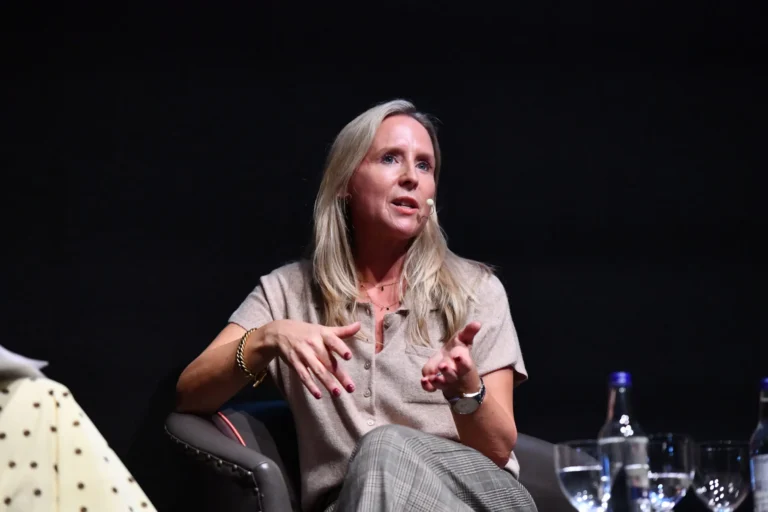











The British Fashion Council (BFC) has officially announced the appointment of Pavita Cooper as its new chair, marking a pivotal transition in the leadership of the organization responsible for promoting and supporting the UK’s fashion industry. In a strategic move to bolster the council’s governance and operational capacity, the BFC also confirmed the creation of a new deputy chair role, which has been filled by Caroline Issa. These appointments come at a critical juncture for the British fashion sector as it navigates evolving global trade landscapes, sustainability mandates, and the increasing integration of digital technologies within the luxury and retail markets.
A New Era for British Fashion Governance
Pavita Cooper brings a wealth of experience to the BFC, having built a distinguished career in leadership development, diversity, and talent management. Her appointment is widely viewed as a signal that the BFC intends to focus heavily on organizational resilience and the professionalization of the creative sector. As the industry faces pressures related to economic volatility and changing consumer behaviors, Cooper’s background in executive coaching and strategic advisory is expected to provide the council with a robust framework for long-term planning.
Caroline Issa, the newly appointed deputy chair, is a figurehead in the global fashion media landscape. As the chief executive and editor of Tank magazine, her involvement is expected to bridge the gap between traditional industry legacy and the modern, digital-first consumer experience. The creation of the deputy chair role suggests a desire for a more collaborative and shared leadership model, allowing the chair to focus on high-level institutional strategy while the deputy oversees industry engagement and brand positioning.

Chronology of Leadership Transitions at the BFC
The BFC has a history of appointing leaders who reflect the dual nature of the fashion industry: the need for commercial viability and the importance of cultural influence. The appointment of Cooper follows a period of significant change for the council, which has seen it shift from a primarily trade-focused entity to a global advocate for sustainable and ethical fashion practices.
- 2020–2022: Under previous leadership, the BFC navigated the complexities of the COVID-19 pandemic, implementing the "Great Reset" initiative to rethink fashion supply chains.
- 2023: The council expanded its focus on the "Institute of Positive Fashion," a project designed to track and reduce the environmental footprint of the industry.
- 2024–2025: A period of internal restructuring occurred, with an emphasis on diversifying the BFC’s board of directors to include more voices from the technology and sustainability sectors.
- September 2026: The appointment of Pavita Cooper and Caroline Issa is formalized, signifying a move toward a more diversified and specialized executive board.
The Economic Context of British Fashion
The BFC’s leadership transition does not occur in a vacuum. According to the most recent industry reports, the UK fashion industry contributes approximately £29 billion annually to the UK economy. Despite this significant economic footprint, the sector faces a trifecta of challenges: post-Brexit trade friction, the rising cost of raw materials, and the urgent need to comply with the EU’s Strategy for Sustainable and Circular Textiles.
Data from the Office for National Statistics (ONS) and BFC internal impact reports indicate that while exports of British luxury goods remain high, the domestic retail market has struggled with inflationary pressures. The BFC’s ability to influence government policy—particularly regarding trade agreements and visa requirements for creative talent—will be a primary measure of the new chair’s success. Cooper’s expertise in stakeholder engagement will be essential in navigating these delicate policy negotiations with the UK government and international trade bodies.
Industry Reactions and Strategic Implications
While formal statements from the council emphasized continuity and growth, industry analysts have interpreted the appointments as a tactical shift. Sarah Jenkins, a senior retail analyst at an independent consultancy, noted, "The dual appointment of a seasoned organizational strategist like Cooper and a media heavyweight like Issa creates a balance between institutional stability and industry relevance. The BFC needs to be both a lobbyist in Westminster and a tastemaker in London and Paris."

Members of the BFC—comprising a wide array of stakeholders from independent designers to global conglomerates—have largely welcomed the move. The focus, according to industry insiders, will likely be on three core pillars:
- Sustainability Compliance: Assisting British designers in meeting the rigorous environmental reporting standards required for export to the European Union.
- Digital Transformation: Leveraging AI and digital fashion assets to maintain the competitive edge of London Fashion Week in an increasingly crowded global fashion calendar.
- Talent Retention: Ensuring that the UK remains an attractive hub for international design talent despite the bureaucratic challenges that have arisen in recent years.
Future Outlook: Challenges and Opportunities
As Pavita Cooper steps into the role, the primary challenge remains the long-term funding model of the BFC. As a non-profit organization that relies on sponsorship and membership fees, the council must constantly demonstrate its value to commercial partners. The appointment of a deputy chair in Caroline Issa suggests a commitment to enhancing the BFC’s visibility and brand prestige, which may assist in securing high-value sponsorships for upcoming seasons.
Furthermore, the BFC must continue to manage the balance between representing the interests of heritage luxury houses and the needs of emerging, digitally-native brands. The "digital edition" aspect of this transition highlights the BFC’s intent to move beyond physical runway shows as the sole metric of success. The implementation of hybrid, year-round programming is anticipated to be a priority under the new leadership.
Conclusion: A Strategic Pivot
The leadership changes at the British Fashion Council represent more than just a change in personnel; they represent a fundamental pivot in the council’s operational philosophy. By elevating individuals with expertise in both management strategy and brand narrative, the BFC is positioning itself to be a more agile and influential entity.
As the global fashion industry enters a phase of correction—characterized by slower growth and higher expectations for corporate social responsibility—the new leadership team will be tested on their ability to maintain London’s reputation as a world-class fashion capital. With the backing of the board and a clearly defined mandate to support the next generation of designers while maintaining the economic interests of established houses, Pavita Cooper and Caroline Issa have a clear, albeit challenging, roadmap ahead. The industry will be watching closely as they take the helm, with the success of their tenure likely to be judged by the tangible support they can provide to British fashion enterprises in an increasingly volatile global market. The BFC’s next steps, including upcoming policy announcements and the strategy for the next series of industry events, will provide the first real test of this new executive structure.