





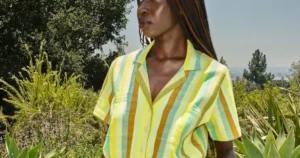


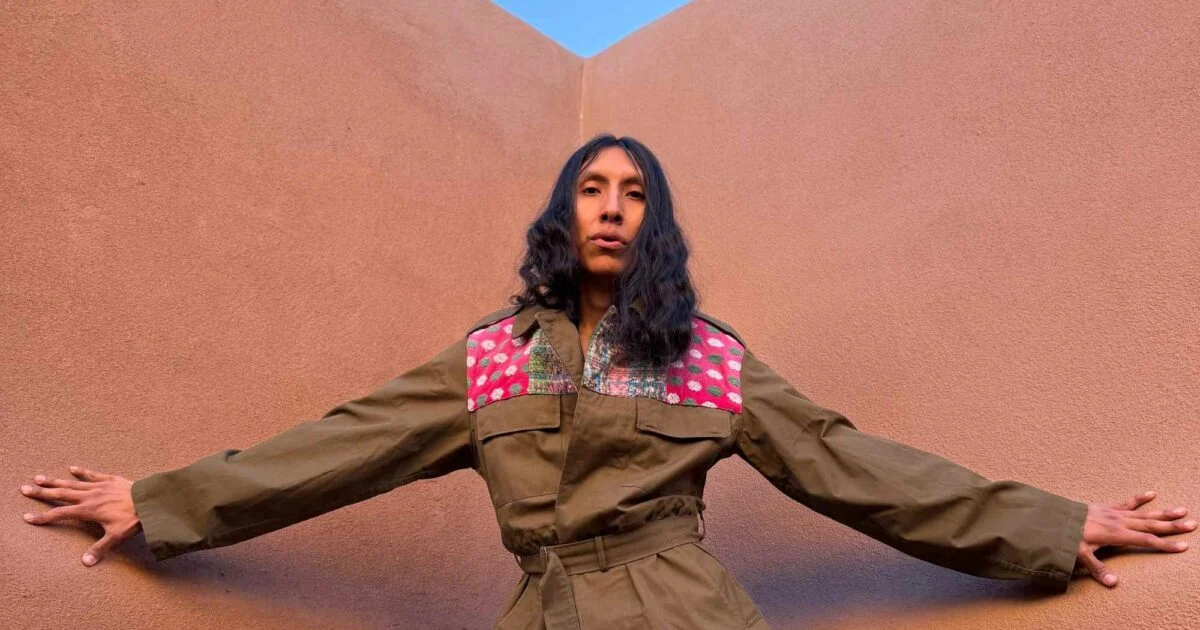
The global fashion landscape, dominated by rapid production cycles and a relentless pursuit of lower costs, poses significant threats to traditional craftsmanship, cultural heritage, and environmental sustainability. In this challenging environment, Indigenous-owned brands emerge as beacons of an alternative paradigm, championing ethical production, cultural preservation, and environmental stewardship. Their unique approach offers a stark contrast to the prevailing "fast fashion" model, presenting consumers with a compelling reason to redirect their purchasing power.
The Inherent Sustainability of Indigenous Craftsmanship
Analysis from platforms like Good On You, which rates over 7,000 brands on their environmental and social impact, consistently demonstrates that smaller, independent labels, including many Indigenous brands, often outperform larger corporations in sustainability metrics. This performance is not accidental but deeply rooted in their operational philosophies. Lacking the immense financial and logistical power of global conglomerates, these brands frequently adopt practices that are inherently more sustainable, not out of necessity alone, but often out of a profound respect for their environment and communities.
A key differentiator is their approach to production volume. Unlike large global brands that churn out vast quantities of clothing, often leading to significant overproduction and waste, many Indigenous brands operate on a smaller scale, or even a made-to-order basis. This localized, demand-driven model significantly curtails the problem of textile waste, which has become a monumental global challenge. The United Nations Environment Programme (UNEP) estimates that the fashion industry is responsible for 8-10% of global carbon emissions, and a staggering 85% of all textiles go to landfills each year. Indigenous brands, by their nature, mitigate their contribution to these statistics.
Furthermore, the localized nature of production for many Indigenous brands plays a crucial role in reducing their climate impact. By manufacturing within specific regions or communities, they drastically cut down on the long-distance shipping involved in globalized supply chains. This localized model supports local economies, fosters community resilience, and reduces the carbon footprint associated with international logistics.
Beyond production scale and location, the techniques and practices employed by Indigenous artisans are often intrinsically more sustainable. These methods are frequently rooted in ancestral wisdom and a reciprocal relationship with the environment. Niha Elety, a cultural sustainability advocate, influencer, and founder of Tega Collective, highlighted this in a 2024 interview with Good On You ratings analyst Jessica Ouano: "Many of our ancestral practices—such as regenerative agriculture, natural dyeing, block printing, hand-loom weaving, growing native bio-regional fibres, and stewardship by Indigenous communities—are used when creating clothing… Communities have reciprocal relationships with the environment and labour. These practices offer promising solutions to our climate crisis by Indigenising fashion supply chains to create a thriving ecosystem." This perspective underscores how Indigenous knowledge offers not just aesthetic value, but practical, scalable solutions to contemporary environmental crises.
Upholding Cultural Heritage: A Battle Against Erasure
The preservation of cultural heritage and traditional techniques is another critical aspect of supporting Indigenous brands. Handloom weaving, natural dyeing, block printing, and other artisanal methods are not merely production processes; they are repositories of cultural identity, historical narratives, and communal knowledge passed down through generations. These practices often involve intricate skills, deep understanding of local materials, and a spiritual connection to the land and its resources.
However, upholding these traditions has become increasingly difficult in the face of the modern fashion industry’s relentless pace and economic pressures. The challenges faced by local and Indigenous brands are multifaceted, ranging from direct intellectual property theft to broader market dynamics that devalue their craftsmanship.
The Shadow of Fast Fashion: Challenges for Indigenous Creators
Fast fashion, characterized by its rapid trend cycles, low prices, and high volume, is a primary contributor to many of the systemic challenges faced by Indigenous brands. Its business model, predicated on mass production and disposability, creates an uneven playing field where authenticity and ethical production are often sidelined.
Design Theft and Intellectual Property Infringement: One of the most egregious issues is design theft. Small Indigenous brands, which invest time, skill, and cultural significance into their creations, find themselves struggling to compete with cheaper knock-offs produced by fast fashion giants. These imitations often utilize unsustainable, low-cost materials and exploit labor, directly undermining the ethical and economic viability of authentic Indigenous craftsmanship.
A prominent example of this occurred recently when SHEIN, the ultra-fast fashion retailer, was accused of ripping off designs from the Indigenous Nations Apparel Company (INAC), a Winnipeg-based brand. The founder’s daughter was even pictured in one of the designs being sold on SHEIN’s website. Following public outcry and media attention, the items were subsequently removed by SHEIN, which attributed the issue to third-party sellers on its platform. This incident highlights the vulnerability of independent creators to larger corporations that may not adequately vet their suppliers or respect intellectual property rights. The economic impact on brands like INAC, whose unique designs are central to their identity and livelihood, can be devastating.
Cultural Appropriation: Beyond direct design theft, cultural appropriation remains a pervasive issue. This problem is not limited to fast fashion; luxury brands have also faced accusations. Mexico, for instance, has repeatedly brought accusations against high-profile designers like Carolina Herrera and Isabel Marant for incorporating designs and patterns unique to the region’s Indigenous communities into their collections without permission, credit, or fair compensation.
Cultural appropriation in this context refers to the adoption or use of elements of a minority culture by members of the dominant culture without understanding or respecting the original culture, often for commercial gain. It is highly unethical when cultural heritage is used in designs without asking for permission, offering credit, payment, respect, or establishing long-term, equitable commitments to the artisans who are custodians of such techniques or practices. Despite widespread criticism and increased awareness, major global brands continue to engage in these practices, eroding trust and causing significant harm to the communities whose heritage they exploit.
Economic Disparities and the Loss of Traditional Skills: A direct consequence of design theft and cultural appropriation is a significant trickle-down effect on Indigenous communities. As demand wanes for authentic traditional techniques due to the proliferation of cheap imitations, fewer financial opportunities and mechanisms exist to pass these invaluable skills down to future generations. This leads to a tragic loss not only of local jobs and economic independence but also of unique regional crafts, skills, and the cultural knowledge embedded within them.
Material Displacement and Environmental Impact: The global shift towards synthetic materials, driven by their lower production costs, further exacerbates these challenges. As the production of synthetics like polyester increases and their costs plummet, demand for traditional, often handwoven textiles made from a variety of natural fibers decreases. This is due to the comparatively higher costs of natural, ethically produced materials and the labor-intensive processes involved.
Jessica Ouano observed this phenomenon in the Philippines: "In the Philippines, the influx of imported cheap polyester yarn has led indigenous communities to abandon the use of endemic natural fibres (such as abaca, pineapple, local cotton) to create their textiles. This likely happens in other countries as well." This displacement has severe environmental implications, as synthetic fibers contribute to microplastic pollution and are often derived from fossil fuels, in contrast to the biodegradable and often regeneratively sourced natural fibers. It also represents a loss of biodiversity and traditional ecological knowledge associated with cultivating and processing native plant fibers.
A Path Forward: The Role of Conscious Consumerism
In light of these challenges, conscious consumerism plays a vital role. By choosing to purchase from Indigenous-owned brands, consumers directly support communities, uphold fair labor practices, and contribute to the preservation of invaluable cultural and environmental legacies. This act of consumption transcends a mere transaction; it becomes an investment in a more equitable, sustainable, and culturally rich future.
These brands often embody the principles of "slow fashion," prioritizing quality, durability, and timeless design over fleeting trends. Their products are not just garments or accessories; they are stories, traditions, and a testament to resilience and creativity.
Spotlight on Sustainability: Exemplary Indigenous Brands
The following brands represent a selection of highly-rated Indigenous fashion and beauty brands that exemplify these principles. While not exhaustive, this list highlights brands with strong recent ratings from platforms like Good On You, showcasing their commitment to ethical and sustainable practices across people, planet, and animal welfare. Even brands with a "Good Start" rating are included, acknowledging that progressive steps towards transparency and responsibility, even if not perfect, are crucial and commendable.
4kinship
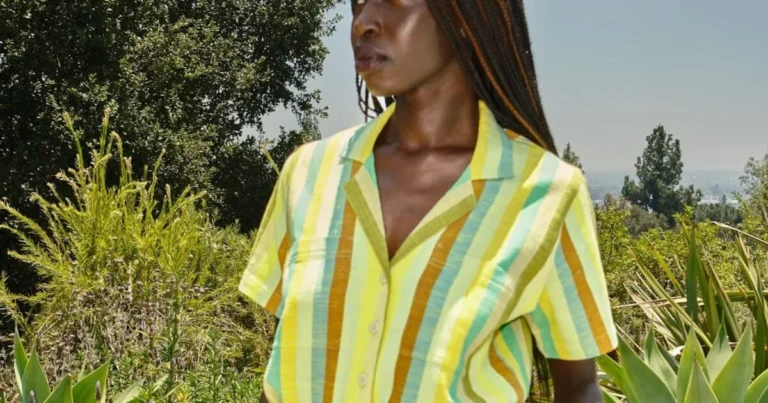
Founded by Amy Denet Deal, a Diné creative, 4kinship is a powerful example of circular fashion and community empowerment. The brand specializes in one-of-a-kind upcycled and restored vintage clothing, alongside new handwoven garments. Their mission extends beyond fashion, actively contributing to initiatives like the Diné Skate Garden Project, which provides a vital space for Navajo youth to gather, create, and heal. This holistic approach integrates cultural resilience with sustainable fashion.
Woven Wildly
Woven Wildly offers exquisitely handwoven Mochila bags, bracelets, and baskets, deeply inspired by the ancient Indigenous traditions of Colombia, particularly those of the Kogi, Wayuu, and Arhuaco tribes. The brand provides transparent evidence of long-term, responsible partnerships with its artisans, ensuring fair compensation and respect for their craft. They also utilize lower-impact dyes, further minimizing their environmental footprint.
Jiwya
Jiwya is a fashion brand that stands out for its commitment to lower-impact plant-based materials and the revitalization of heritage techniques. Their products feature hand-spinning and hand-weaving, processes that are not only sustainable but also embody the rich textile traditions that Jiwya seeks to preserve and celebrate.
Durban Bagii
Founded by Carly Wallace, a Dulguburra Yidinji woman from Yungaburra in Far North Queensland, Australia, Durban Bagii derives its name from the Yidiny language, translating to ‘carrying bags’. The brand offers a beautiful array of handwoven items, including earrings, baskets, and dilly bags, crafted from both traditional and contemporary fibers. Each piece tells a story of cultural continuity and connection to the land.
Rise of Andes
Operating between Poland and Chile, Rise of Andes celebrates the rich textile heritage of the Andes. The brand features ponchos produced by local women artisans in Chile, utilizing knitting techniques passed down through countless generations. The wool is sourced locally within the Andes, and the dyeing process employs lower-impact, plant-based dyes, ensuring both cultural authenticity and environmental responsibility.
noesa
Based in Indonesia, noesa collaborates directly with local artisans to produce a range of accessories. The brand is dedicated to upholding traditional techniques and crafts, such as weaving and dyeing, which are integral to Indonesian cultural identity. By working closely with artisans, noesa helps sustain these skills and provides economic opportunities within their communities.
Bush Medijina
Bush Medijina is a women-led beauty brand from Australia that exemplifies the powerful fusion of ancient knowledge with modern practices. It draws on generations of traditional knowledge passed down through the Anindilyakwa people to preserve and celebrate the healing power of native bush medicines. Their products offer a connection to Indigenous wisdom through ethical and sustainable beauty solutions.
Beyond the Purchase: Sustaining Indigenous Futures
Supporting Indigenous brands extends beyond simply making a purchase. It involves fostering awareness, advocating for intellectual property rights, and promoting ethical consumption practices across the board. Consumers can engage by educating themselves about the stories and traditions behind the products, sharing information about these brands, and demanding greater transparency and accountability from the wider fashion industry. By doing so, we contribute to a more just and sustainable global economy where cultural heritage is respected, and communities thrive.
The movement to support Indigenous brands is a powerful statement against the destructive tendencies of fast fashion and cultural exploitation. It is a choice for a future where fashion is not just about what we wear, but about how we connect with each other, respect our planet, and honor the diverse tapestry of human creativity and heritage.
Editor’s note: Feature image via 4kinship, all other images via brands mentioned. Good On You publishes the world’s most comprehensive ratings of fashion and beauty brands’ impact on people, the planet, and animals. Use their directory to search thousands of rated brands.