









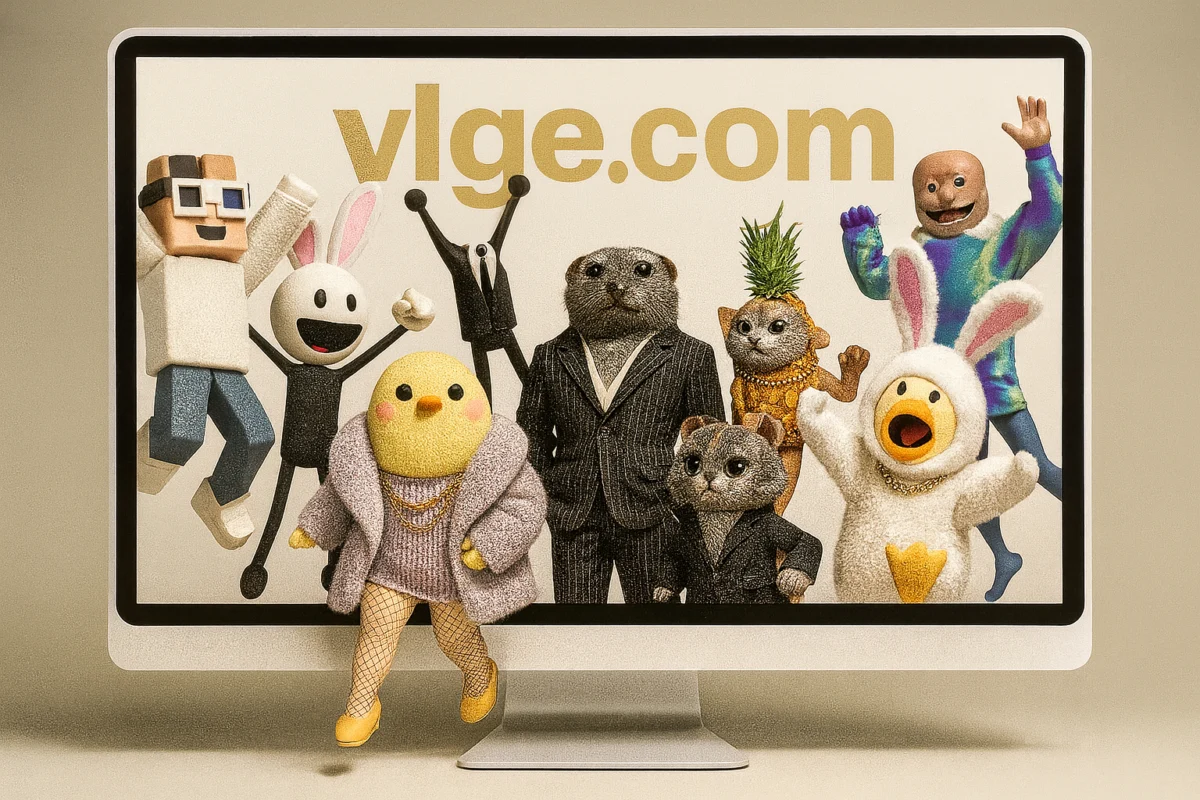
The intersection of high fashion and immersive technology has reached a pivotal milestone as VLGE, a pioneering gaming and world-building platform, announces a massive expansion of its digital ecosystem. Founded by entrepreneur Evelyn Mora in 2021, the platform is set to host "World Fashion Week," a digital-first initiative that will see 50 global fashion brands launch interactive, shoppable environments. This move signals a significant shift in how luxury and retail brands engage with younger demographics, particularly Gen Z and Generation Alpha, who increasingly inhabit virtual spaces rather than traditional media channels.
By providing a streamlined gateway for brands to build, host, and export 3D environments to platforms like Roblox, VLGE is addressing a critical gap in the market: the technical and financial barrier to entry for the metaverse. As the fashion industry grapples with the environmental and economic costs of traditional runway shows, the rise of "gamified commerce" offers a sustainable and scalable alternative that mirrors the digital-native habits of modern consumers.
The Genesis of VLGE: From Sustainability to Scalability
The origins of VLGE are rooted in the practical challenges of the traditional fashion industry. Evelyn Mora, the platform’s founder, began her career with a focus on sustainable fashion. During her early years in the industry, she observed a recurring paradox: while designers were increasingly committed to eco-friendly materials and ethical supply chains, the methods used to promote these collections remained inherently wasteful. Large-scale fashion shows require international travel for hundreds of guests, the construction of temporary sets that are often discarded after 15 minutes, and the production of physical samples that may never reach a retail shelf.
Recognizing that the "runway model" was incompatible with long-term environmental goals, Mora pivoted toward digital solutions. In 2021, she launched VLGE with the vision of creating a platform where brands could build immersive worlds that serve as both marketing campaigns and retail storefronts. Unlike static e-commerce websites, these worlds allow users to explore a brand’s aesthetic through interactive content, games, and social experiences.
The platform’s growth has been fueled by a total of $5 million in capital. This investment pool includes high-profile backers such as Lammot J. du Pont of the du Pont family, the L’Oréal Group’s investment arm, and the British Fashion Council. The involvement of these entities underscores a broader industry belief that the future of retail lies in interoperable, 3D-rendered experiences.
Bridging the Technical Gap for Roblox and Beyond
One of the primary value propositions of VLGE is its ability to democratize access to gaming platforms like Roblox. While Roblox has emerged as a premier destination for youth-focused branding—with millions of daily active users—building a presence on the platform has traditionally been a complex undertaking.
For a brand to establish a custom "world" on Roblox, it typically requires hiring specialized agencies and developers proficient in Luau, Roblox’s proprietary coding language. These projects can cost anywhere from $10,000 to $100,000 and take months to execute. VLGE eliminates these hurdles by offering a "no-code" or "low-code" environment where brands can build 3D spaces in real-time through a browser-based interface.
Once a world is created on VLGE, it can be exported instantly to Roblox. Mora noted that this interoperability is the core of the platform’s mission. "Roblox has become fashion’s most powerful youth frontier, yet until now, world-building there has been costly, technical, and complex," Mora stated. By making the process instant and affordable, VLGE allows smaller, emerging brands to compete on the same digital stage as global conglomerates.
Furthermore, VLGE is expanding its compatibility beyond Roblox. The platform is currently integrated with Unreal Engine—the powerhouse behind many AAA video games—and is developing compatibility with Meta’s Horizon Worlds. This multi-platform approach ensures that brands are not locked into a single ecosystem but can instead maintain a persistent digital presence across the evolving metaverse.

World Fashion Week: A New Paradigm for Global Showcases
The upcoming World Fashion Week serves as the largest proof-of-concept for VLGE to date. By facilitating the launch of 50 shoppable worlds simultaneously, the event challenges the traditional fashion calendar. Historically, fashion weeks in New York, London, Milan, and Paris have been exclusive, industry-only events. World Fashion Week, by contrast, is globally accessible to anyone with an internet connection.
The 50 participating brands will utilize VLGE’s infrastructure to create environments that go beyond simple product displays. These "shoppable games" allow users to complete challenges, earn digital rewards, and purchase items for their avatars or their physical selves. This integration of entertainment and commerce—often referred to as "shoppertainment"—is designed to increase dwell time, a metric that traditional e-commerce sites struggle to optimize.
Industry analysts suggest that this model is particularly effective for Gen Z. According to various consumer reports, younger shoppers value "experience" and "community" over transactional interactions. By turning a product launch into a game, brands can foster a deeper emotional connection with their audience.
The Economics of Gamified Commerce and the "E-Tail" Future
VLGE’s business model is designed to be scalable, offering four distinct payment tiers: a Freemium version for hobbyists and early-stage creators, and three paid tiers tailored for professional creators, small businesses, and large enterprises. This tiered approach allows the platform to capture a wide range of the market, from independent digital fashion designers to legacy luxury houses.
The next phase of VLGE’s evolution involves the launch of a dedicated "e-tail" store. This marketplace will be unique in its "phygital" offering, selling both physical garments and 3D digital assets. For example, a customer might purchase a limited-edition jacket that is shipped to their home, while simultaneously receiving a digital version of that jacket to be worn by their avatar in Roblox or other compatible virtual worlds.
This dual-revenue stream is becoming increasingly attractive to brands. Digital assets have zero marginal cost of production and no shipping overhead, offering high-profit margins. When paired with physical goods, they create a comprehensive brand experience that spans both the physical and digital realms.
Industry Reactions and Broader Implications
The fashion industry’s reaction to VLGE’s rise has been one of cautious optimism and strategic investment. Early adopters like Lancôme, Charlotte Tilbury, and Vogue Scandinavia have already experimented with the platform, signaling that the beauty and editorial sectors see as much value in immersive worlds as the apparel sector does.
From a strategic standpoint, the involvement of the British Fashion Council and L’Oréal suggests that the industry’s governing bodies and largest players are preparing for a future where digital presence is as mandatory as a physical storefront. "This moment isn’t just about fashion; it’s about the infrastructure that will power the next generation of commerce," Mora emphasized.
The broader implications of this technology extend to sustainability and data analytics. Digital worlds allow brands to test designs and gauge consumer interest before committing to mass production, potentially reducing the massive amounts of unsold inventory that currently plague the fashion industry. Additionally, the data gathered from user interactions within these virtual worlds—such as which items are tried on most or which areas of the world are most visited—provides brands with granular insights that traditional retail cannot match.
Chronology of Development
- 2021: VLGE is founded by Evelyn Mora with a focus on immersive brand experiences and sustainability.
- 2022-2023: The platform secures $5 million in funding from a diverse group of investors including the L’Oréal Group and the British Fashion Council. Initial pilots are conducted with high-profile brands like Lancôme and Charlotte Tilbury.
- Late 2023: VLGE launches the world’s first gamified fashion week, proving the stability of its browser-based 3D engine.
- Early 2025: VLGE announces the expansion of its interoperability, allowing real-time exports to Roblox and announcing future compatibility with Meta Horizon Worlds.
- Current: Announcement of World Fashion Week featuring 50 brands, marking the platform’s first large-scale activation and the debut of its integrated shoppable world technology.
As the retail landscape continues to shift, the success of VLGE’s World Fashion Week will likely serve as a bellwether for the industry. If the 50-brand activation succeeds in driving both engagement and sales, it may well signal the beginning of the end for the traditional, exclusive fashion show, replacing it with a more inclusive, interactive, and environmentally conscious digital future. For Evelyn Mora and her team, the goal remains clear: to provide the technological "rails" upon which the next generation of global commerce will run.