








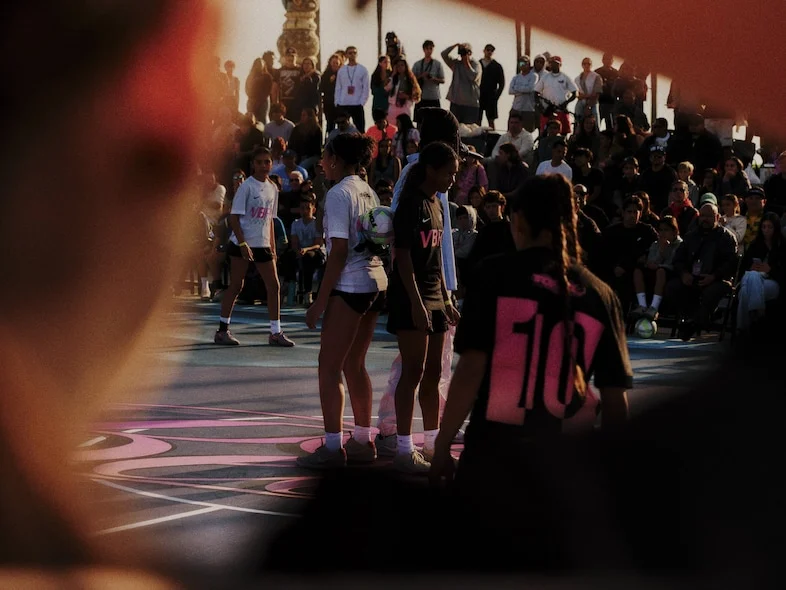
On a balmy May evening in 2026, as the sun dipped below the horizon of the Pacific Ocean, casting vibrant hues across the sky, the iconic Ocean Front Walk in Venice Beach transformed into an electrifying arena. Floodlights pierced the twilight, illuminating a concrete pitch where something truly special was unfolding: a high-octane street soccer tournament. Four young players per side, the rhythmic thud of the ball echoing off the pavement, scouts intently observing from the swelling crowd, and the pulse of a city collectively tuned in. This was the third of four stops on the TOMA La Noche tour, the nocturnal manifestation of Nike’s innovative small-sided street soccer movement. Powering this cultural phenomenon was the Venice Beach Football Club (VBFC), a local community institution deeply rooted in the city’s unique soccer landscape. This particular night marked a significant moment, bringing the raw energy of street football to one of Los Angeles’s most culturally resonant stretches of coastline and urban canvas.
The Genesis of a Movement: TOMA El Juego
The journey began in June 2025 with the launch of TOMA El Juego, aptly translated as "Take the Game," in Los Angeles. This initiative represented Nike’s considered response to a question that had quietly resonated within the global soccer community for years: what does the sport truly become when it is returned to the communities from which it organically springs? It sought to bypass the structured confines of traditional academies and formal leagues, instead reaching out to the players honing their craft in parking lots, schoolyards, and urban spaces – the unpolished "diamonds in the rough" whose talent often goes undiscovered.
Nike, a ubiquitous presence in the soccer world for decades, has long woven itself into the fabric of the sport, from its iconic advertising campaigns and cutting-edge product innovations to its steadfast commitment to youth development. TOMA La Noche, however, introduced a revolutionary dimension. More than merely harnessing and formalizing the raw, untamed energy of street soccer, these meticulously curated community-building events have evolved into powerful cultural catalysts. They are redefining the "beautiful game" for a new generation, seamlessly integrating it with the vibrant expressions of music, food, and fashion that characterize contemporary youth culture. The success in LA quickly propelled the platform’s expansion to major global cities including Seoul, Mexico City, Lima, Miami, and Atlanta, with ambitious plans now in motion to reach six continents and over 20 cities, underscoring its universal appeal and potential.

The Street Soccer Ethos: Freedom and Flair
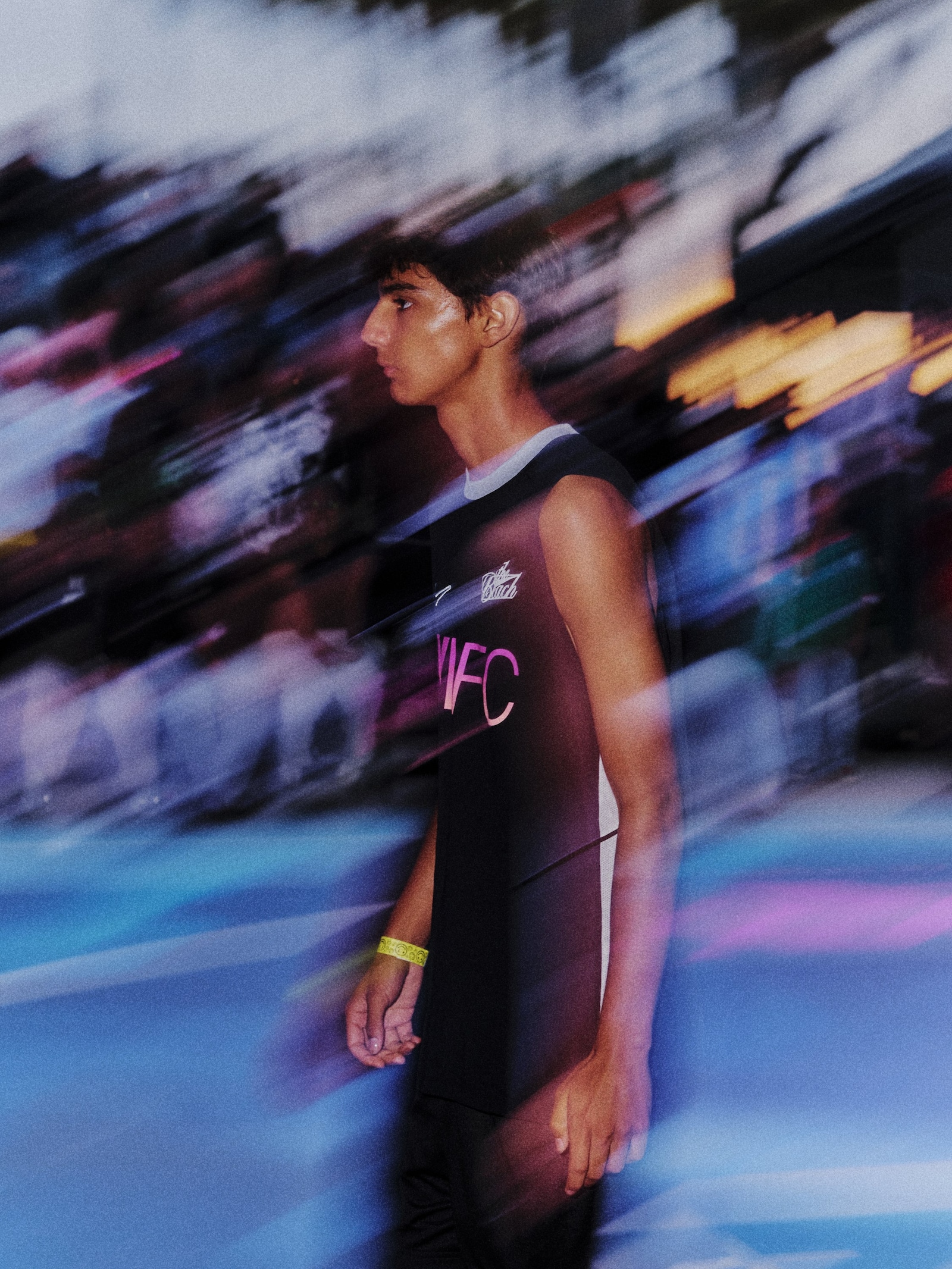
The tournament format is deliberately stripped back, designed to foster pure, unadulterated soccer. Featuring eight neighborhood teams comprised of young men and women aged 14 to 18, the knockout competition is not only intensely competitive but also entirely free to enter, watch, and play – a crucial element in its community-centric philosophy. For this particular Venice Beach edition, teams representing diverse corners of Los Angeles competed for a coveted spot in the summer’s LA Finals. These included Culture FC from Orange County, Football For Her from South Los Angeles, House of 626 from San Gabriel Valley, Insainz from San Fernando Valley, La Comunidad from East Los Angeles, Tiki-Taka Futbol from Central Los Angeles, Toque from South-East Los Angeles, and the host, Venice Beach Football Club from the Westside.
To truly grasp the significance of TOMA’s origins and continued presence in Los Angeles, one must first understand the fundamental distinctions of street soccer. Unlike traditional pitch soccer, which is governed by referees, substitution boards, and rigid formations, street soccer operates under a different set of rules – or often, a joyous lack thereof. It champions the audacious, the improvisational, and the player bold enough to attempt a move no one has witnessed before. As soccer entertainer Elischa Edouard eloquently explains, "The perimeter becomes smaller but your mind expands. You get more freedom and the fluidity of play is exponentially higher." This sentiment is echoed by soccer freestyler Janella Hernandez, who asserts, "You have more freedom on the street. You move with more style and are able to showcase different moves." It’s a game where individual brilliance, quick thinking, and creative expression are paramount, fostering a unique brand of skill that is both technically refined and aesthetically captivating.
Los Angeles: A Melting Pot of Soccer Culture
Los Angeles was not an arbitrary choice for the inception of TOMA. The city’s soccer culture is inextricably linked to its rich tapestry of people. According to the Pew Research Center, Los Angeles County boasts the nation’s largest Hispanic population. These communities did not merely arrive in LA and adopt soccer as a pastime; they brought it with them, embedded deep within their cultural heritage. Soccer is not just a sport here; it is a shared language, a communal ritual, and a vibrant expression of identity.
Content creator Megan Reyes vividly recalled the atmosphere of the very first edition, noting, "It felt like a celebration of LA’s Latino community and its cultural influence on soccer, from the local food and retail vendors to the teams and neighborhoods represented." Hernandez adds a personal touch, stating, "Street soccer has lived for years on a smaller scale. I remember my neighborhood playing against others." Edouard expands this perspective even further, recognizing the universality of this phenomenon: "TOMA is everywhere. It’s in Haiti, it’s in Harlem, it’s in south-east London, it’s in Soweto. We’re just lucky to have it packaged through the lens of TOMA now." This "packaging" is critical; it provides structure, a prominent stage, and, crucially, a defined pathway to the professional game for countless young athletes who have always possessed raw talent but lacked the visibility and formal opportunities.
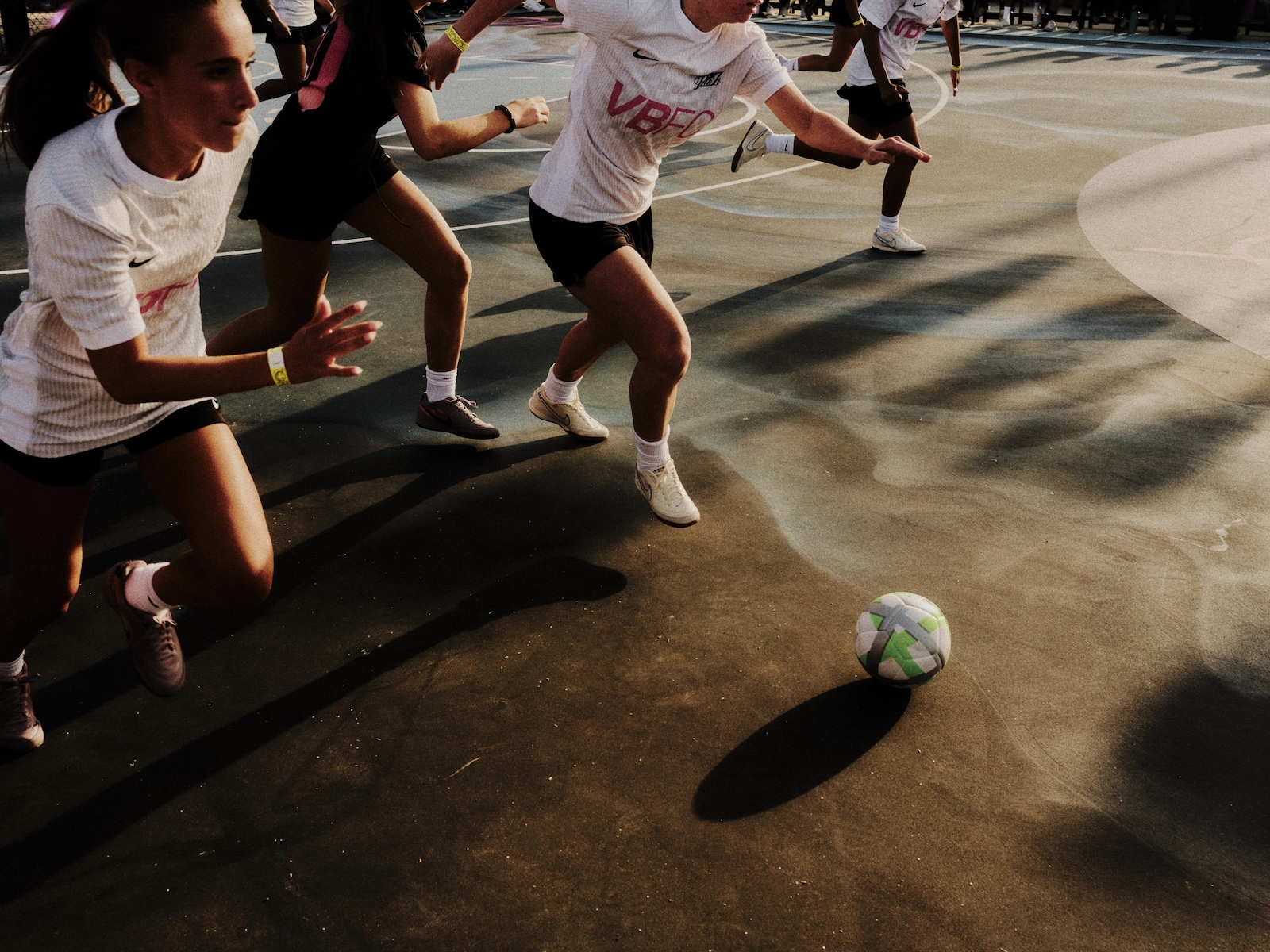
The TOMA La Noche tour deliberately selected locations that resonated with LA’s diverse street culture. It commenced at The Lawn in Compton, a community rich in cultural heritage and athletic prowess. The second stop was The Bridge on 6th Street, an iconic landmark symbolizing connectivity within the city. Now, Venice Beach, with its legendary boardwalk and ocean backdrop, has set a new benchmark, drawing the city’s finest street talent. The presence of the Pacific Ocean as a natural amphitheater only amplified the magic of a night built upon the Venice Beach Football Club’s decade-long legacy in street soccer. Players, fueled by the "ohs and ahhs" of the captivated crowd, freely unleashed their flair and audacious trick shots, becoming the pulsating heart of the spectacle.
Beyond the Ball: A Cultural Extravaganza
TOMA La Noche is emphatically more than just a soccer tournament; it’s a holistic cultural experience designed to engage all senses. Attendees come for the sport, but stay for the immersive environment. The air pulsated with live music, curated by renowned artists such as Andre Power, NAM, and Brazilian artist Rogê, whose sets reinforced the deep, intrinsic connection between music and soccer across global cultures. The culinary offerings were a vibrant testament to Los Angeles’s incredible diversity, with local food vendors serving dishes that celebrated every culture calling the city home. Fashion, too, was an event in itself, with attendees showcasing their unique styles, often complemented by limited-edition merchandise drops developed in collaboration with local streetwear brands. Even the players’ hair and nails on the court were not incidental; these young athletes brought their complete, authentic selves onto the concrete, expressing their identity through every detail. As Megan Reyes aptly summarizes, "About 80 per cent of TOMA La Noche is happening off the ball – fashion, hair, music and flair. What we see on the pitch feels like a personification of it all." This comprehensive approach creates an atmosphere of genuine celebration and self-expression that transcends typical sporting events.
Tangible Impact and Professional Pathways
A year into its existence, the crucial question of TOMA’s lasting impact looms large. The answer, unequivocally, is a resounding "yes." The initiative has already demonstrated tangible results, creating genuine pathways for aspiring athletes. At the inaugural LA Finals in July 2025, two standout Most Valuable Players, Noe Morales and Jennifer Alvarez, were awarded prestigious two-year Nike athlete contracts. This unprecedented opportunity not only provides them with financial support and brand endorsement but also immediately placed them into the highly selective US Soccer Talent ID Camp, offering a legitimate shot at joining the national team.
Janella Hernandez firmly believes in the authenticity of this new pathway: "It is a route to the professional game, because talent is talent, off the pitch or on." Elischa Edouard observes a broader, more significant shift in perception: "People don’t underestimate LA anymore. You don’t get that type of match without a genuinely established and already existing culture." TOMA La Noche is effectively formalizing and elevating a pre-existing, vibrant street soccer culture, showcasing it on a grand stage and connecting it to professional opportunities previously out of reach for many. This challenges traditional notions of talent identification and player development, proving that raw skill honed on concrete courts can indeed translate to the highest levels of the sport.
Championing Diversity and Inclusion in American Soccer
The impact of initiatives like TOMA La Noche extends far beyond individual player contracts; it is fundamentally reshaping the landscape of American soccer, particularly in terms of diversity and inclusion. The statistics reflect a significant, ongoing shift. In 1990, the U.S. Men’s National Team (USMNT) included only two Black players. By 2022, that number had surged to a record 12 Black players. Similarly, the 2023 Women’s World Championship squad featured a record seven Black women and two Mexican American players, demonstrating a broadening of representation at the elite level.
TOMA La Noche actively contributes to these positive trends by shining a brighter spotlight on the diverse talent pools that exist across the country, particularly within underserved communities. Data from "For Soccer" reveals that while 80 percent of teenage Hispanic soccer players are male, female participation has experienced an explosive growth, skyrocketing by 82 percent year-on-year and a remarkable 185 percent since 2021. This visible shift is celebrated on the TOMA pitches. Edouard emphasizes this empowerment, stating, "TOMA La Noche gives young street ballers a voice and a place to shine. The girls are ballers and the competition is just as fierce. I’ve seen the girls take a lot more risks, get a little more creative, and the crowd champions it as great soccer." For many, like Hernandez, the impact is deeply personal: "TOMA gives kids from the hood hope." It provides a platform where skill, passion, and creativity are celebrated, regardless of background, offering a tangible sense of possibility and belonging.
E Pluribus Unum: The Future of American Soccer
The enduring Latin motto of the United States, "E Pluribus Unum" – Out of many, one – resonates profoundly in conversations surrounding soccer in Los Angeles and, by extension, across the nation. While originally coined for a burgeoning nation, it perfectly encapsulates the spirit of a cohesive soccer team and, indeed, a thriving street tournament. What TOMA La Noche has accomplished in Los Angeles, through its ambitious and evolving framework, is to gather the many.
It unites the Salvadoran kid whose silky first touch commands attention, the young girl from East LA whose dazzling skills challenge perceptions of reality, and the myriad spectators, phones in hand, capturing every moment of raw brilliance. They are all here, converging on the concrete stage, united by a shared passion for the game. This is the compelling portrait of soccer in America in 2026: a vibrant tapestry woven with threads of community, individual expression, and collective celebration. TOMA La Noche is not just a series of tournaments; it is a movement that champions authenticity, nurtures talent, and reinforces the idea that the heart of soccer beats strongest where it began – on the streets, in the hands of the people. As it expands its footprint globally, this unique blend of sport and culture is set to inspire a new generation of players and fans, truly taking the game back to its roots while propelling it into a dynamic future.