




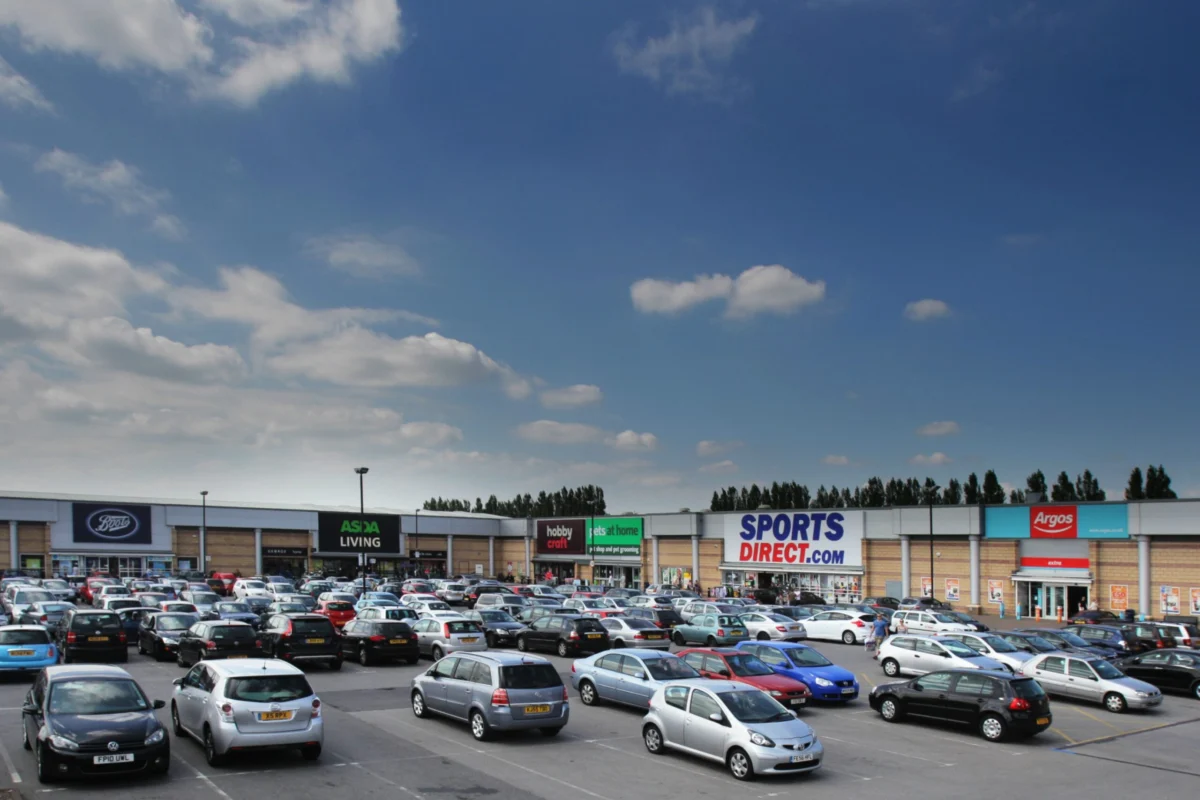
Data released by leading property consultancy Savills has unequivocally confirmed a significant shift in the UK retail landscape: Britain’s out-of-town retail parks are operating at near-full capacity. This development, previously a growing suspicion among industry observers, presents a complex array of implications, particularly for the dynamic and competitive fashion retail sector. Cara Imbrailo, a distinguished partner in the real estate team at law firm Charles Russell Speechlys, provides critical insights into the ramifications of this unprecedented saturation. The confirmation on 3 July 2026 underscores a long-term trend reaching its zenith, forcing a re-evaluation of expansion strategies, property investment, and the future physical footprint of fashion brands across the nation.
The Rise and Consolidation of Retail Parks: A Background Context
The journey of retail parks from utilitarian ‘sheds’ on the periphery of towns to highly coveted retail destinations is a testament to their adaptability and consumer appeal. Their initial growth in the late 20th century was driven by the availability of large, affordable land plots, ample free parking, and the ability to house larger format stores that traditional high streets struggled to accommodate. This model resonated with consumers seeking convenience and value, particularly for bulky goods, electronics, and DIY supplies.
Over the past two decades, retail parks have evolved significantly. Investment in aesthetics, landscaping, and the integration of food and beverage outlets transformed many into more attractive, leisure-oriented destinations. The advent of e-commerce, rather than universally diminishing their appeal, paradoxically strengthened their position in many respects. Retail parks proved adept at integrating ‘click and collect’ services, acting as crucial last-mile hubs for online orders, and providing easy access for returns. Their open-air, often single-level design also offered perceived safety advantages during the COVID-19 pandemic, drawing consumers away from enclosed shopping centres and densely packed high streets. This period accelerated a trend of sustained demand, pushing vacancy rates steadily downwards across the sector.
Savills’ Landmark Report: Unpacking the Data
Savills’ comprehensive Q2 2026 report, titled "UK Retail Park Occupancy Outlook," delivers a stark statistical reality. The national average vacancy rate for retail parks has plummeted to an unprecedented 1.8%, effectively classifying the sector as ‘full capacity’ given the natural churn of leases and minor redevelopment works. This figure represents a dramatic decrease from the pre-pandemic average of approximately 6-7% in 2019 and a significant tightening even from the 3.5% observed in late 2023.
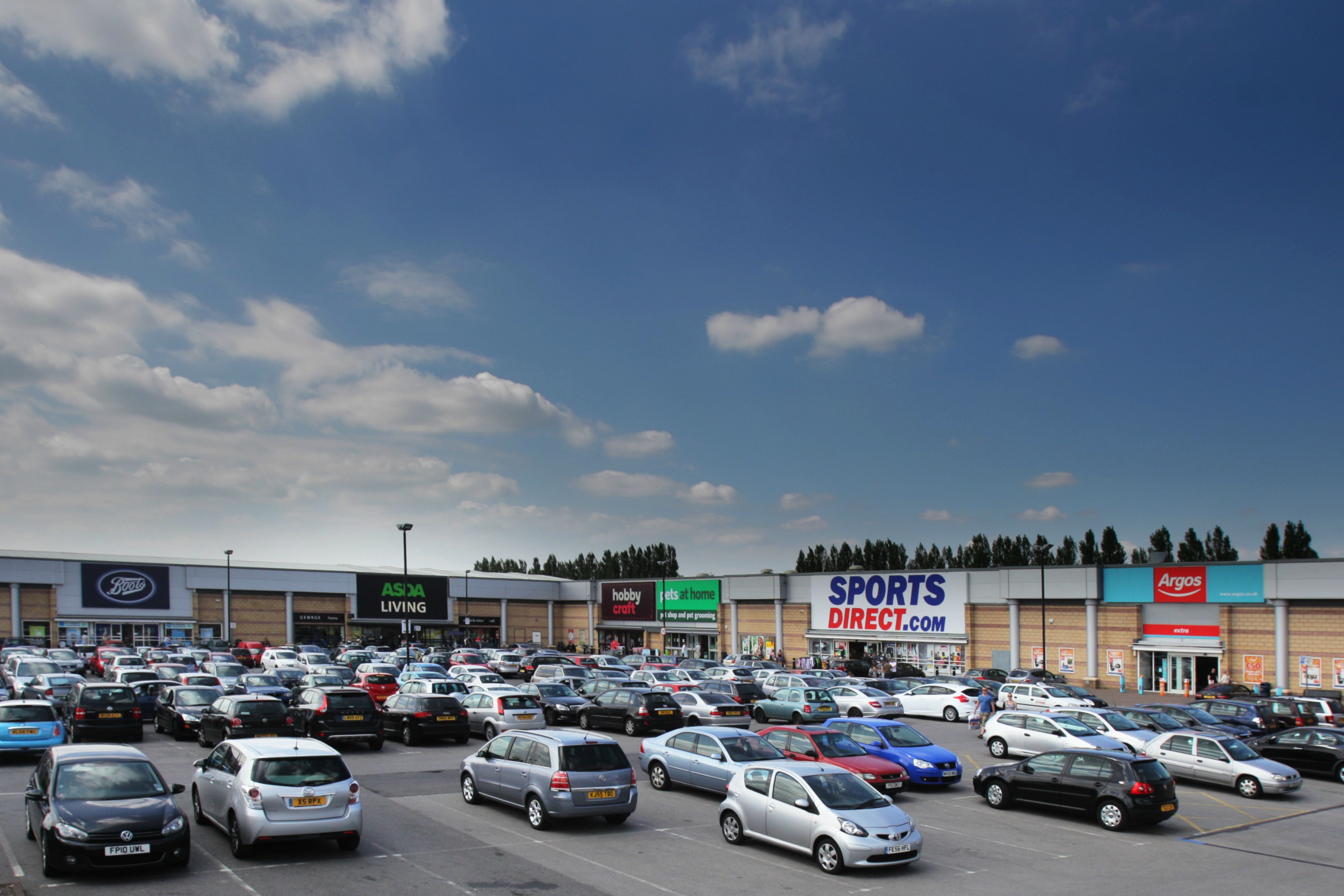
The report details that prime retail parks, particularly those in affluent catchment areas or with strong transport links, are experiencing near-zero vacancy, often with waiting lists for prospective tenants. Regional variations exist, with the South East and parts of the North West showing the tightest supply, frequently below 1%. Even secondary parks, once considered less desirable, are now reporting occupancy levels exceeding 95%.
This scarcity has had a predictable impact on rental values. Savills notes an average year-on-year rental growth of 4.5% across the sector, with prime locations witnessing increases upwards of 7% in the past 12 months. Investor confidence in retail parks remains robust, with investment volumes for the first half of 2026 reaching £1.2 billion, indicating sustained appetite for assets that demonstrate resilient performance and strong income streams. The report also highlights a shift in tenant mix, with a growing proportion of fashion, health & beauty, and leisure operators seeking space, signaling a diversification beyond traditional bulky goods retailers. This intense competition for space is at the heart of the current dilemma for fashion retailers.
Implications for Fashion Retailers: Navigating a Saturated Market
For the fashion retail sector, the confirmation of full capacity in retail parks presents a multifaceted challenge, demanding strategic adaptation and innovative thinking.
1. Constrained Expansion Opportunities: The most immediate implication is the severe limitation on physical expansion. Fashion brands, particularly those with an out-of-town strategy, will find it exceedingly difficult to secure new prime locations. This affects both established players looking to expand their footprint or introduce new concepts, and emerging brands hoping to gain market share through physical presence. The traditional growth model of opening numerous new stores annually will need to be fundamentally re-evaluated.
2. Intensified Competition for Available Space: With virtually no vacant units, any space that does become available will attract fierce competition. This drives up bidding wars for leases, pushing rental premiums higher and potentially leading to less favourable lease terms for tenants. Smaller, independent fashion retailers, or those with tighter margins, may find themselves priced out of the market entirely, favouring larger, more established brands with deeper pockets. Cara Imbrailo comments, "The bargaining power has decisively shifted towards landlords. Fashion retailers will need to be exceptionally agile and prepared for competitive tenders, often requiring quicker decision-making and potentially longer lease commitments to secure a spot."
3. Upward Pressure on Operating Costs: Increased rents, coupled with potential service charge escalations, will exert significant pressure on fashion retailers’ operating costs. In a sector already grappling with fluctuating material costs, supply chain complexities, and consumer price sensitivity, rising property expenses could squeeze profit margins considerably. Retailers will need to rigorously evaluate the sales potential and profitability of each store to justify the escalating costs of presence in retail parks.
4. Strategic Shifts in Physical Store Strategy:
- Focus on Existing Portfolio: Rather than new openings, fashion brands may pivot towards optimising their existing retail park locations. This could involve significant investment in store refurbishments, enhancing experiential elements, improving visual merchandising, and integrating advanced omnichannel capabilities to maximise sales per square foot.
- Smaller Format Stores: Brands might explore smaller, more efficient store formats designed for denser urban locations or even within existing large retail park units, perhaps co-locating with complementary businesses or operating as pop-up concepts.
- Diversification of Physical Footprint: The scarcity in retail parks could force fashion brands to reconsider other physical formats, including high street locations (which often have higher vacancy rates but different cost structures), or exploring innovative spaces like pop-up shops within other commercial properties, or even temporary installations in high-traffic areas.
- Mixed-Use Developments: As urban planning evolves, new mixed-use developments that integrate retail, residential, and leisure elements might offer new opportunities, but these are typically slower to materialise and come with their own complexities.
5. Enhanced Omnichannel Integration: The physical limitations will inevitably accelerate investment and sophistication in omnichannel strategies. Fashion retailers will need to ensure seamless integration between their online platforms and their limited physical stores. This means enhanced "buy online, pick up in store" (BOPIS) capabilities, efficient returns processes, and using stores as showrooms or experience centres to drive online sales, rather than solely relying on in-store transactions for growth. Digital presence becomes not just complementary, but a primary avenue for market expansion when physical space is scarce.
6. Impact on Brand Visibility and Market Entry: New and emerging fashion brands face a particularly tough challenge. Without access to prime retail park locations, gaining visibility and establishing a physical presence becomes significantly harder. This could foster greater innovation in digital marketing, social commerce, and direct-to-consumer models, but it fundamentally alters the traditional pathway for brand growth. Established brands, conversely, benefit from their entrenched positions, making it harder for new competitors to physically challenge them in these lucrative locations.
Statements and Reactions from Industry Stakeholders
Cara Imbrailo elaborates on the legal and strategic ramifications: "From a legal perspective, we’re observing a shift in lease negotiations. Landlords are increasingly favouring longer lease terms and robust break clauses that protect their investment. Retailers, in turn, need to be meticulous in their due diligence, understanding every clause and potential cost implication. There’s also an increased focus on planning permissions for minor reconfigurations or expansions within existing footprints, as horizontal growth becomes virtually impossible. Property values for retail park assets are expected to remain strong, attracting further institutional investment, which in turn fuels the demand for high-quality tenants and drives up rents."
A spokesperson for the British Retail Consortium (BRC) highlighted the broader economic implications: "The full capacity of retail parks, while a positive indicator of consumer confidence in these destinations, presents a real challenge for retail growth. It underscores the urgent need for a cohesive national strategy that looks at regenerating high streets and creating new, sustainable retail spaces to support the diversity and expansion of the UK’s retail sector. Fashion retail, being a dynamic and trend-driven industry, requires flexibility and opportunities for physical engagement with consumers."
Industry analysts also weigh in. Dr. Eleanor Vance, a leading retail economist, stated, "This isn’t just a property issue; it’s a strategic inflection point for retail. Fashion brands must now think beyond simply ‘opening more stores.’ The emphasis must shift to ‘optimising every single customer touchpoint,’ whether that’s a physical store, an online interface, or an integrated app. Data analytics will be paramount in understanding store performance and consumer behaviour to justify the premium cost of retail park presence."
Major retail park developers are also adapting. A representative from one of the UK’s largest property groups, speaking anonymously, indicated, "We are actively exploring options for vertical expansion and mixed-use redevelopment within our existing portfolio. This could mean multi-storey retail parks or integrating residential units to create vibrant communities around our retail hubs. The aim is to densify and diversify, offering more to both tenants and consumers."
Timeline and Future Outlook
The journey to full capacity has been a gradual yet accelerating process:
- 2010s: Post-financial crisis, retail parks offered value and convenience, attracting more diverse tenants.
- Early 2020s: The COVID-19 pandemic significantly boosted their appeal due to open layouts and easy access, accelerating footfall and reducing vacancy.
- 2023-2025: Sustained demand, coupled with limited new construction, led to a tightening market and steadily rising rents.
- Mid-2026 (Current): Savills confirms near-full national capacity, marking a critical juncture.
Looking ahead, the landscape for fashion retail within retail parks will likely be defined by several key trends:
- Premiumisation of Space: Expect an even greater emphasis on the quality and design of retail park units. Fashion brands will need to invest in creating compelling, experiential spaces to justify the higher rents and draw consumers.
- Technological Integration: Augmented reality, AI-driven personalised shopping experiences, and advanced inventory management systems will become standard to maximise the efficiency and appeal of limited physical space.
- Sustainability and ESG Considerations: With increased scrutiny on all business operations, fashion retailers in retail parks will face pressure to demonstrate strong environmental, social, and governance (ESG) credentials, from sustainable store design to ethical supply chains.
- Innovation in Store Formats: Expect to see more collaborative retail spaces, pop-up events, and flexible leasing arrangements as brands seek creative ways to gain physical presence without committing to long-term, high-cost leases.
- Increased Focus on Localisation: With limited national expansion, brands may deepen their engagement with local communities around their existing retail park locations, tailoring offerings and events to regional preferences.
The full capacity of retail parks is not merely a statistical anomaly but a structural shift that will redefine strategic thinking for fashion retailers. It necessitates a move beyond traditional growth models towards a more nuanced, digitally integrated, and resource-efficient approach to physical retail. The challenge is clear: how to thrive in a market where prime physical space is a finite and increasingly expensive commodity. The answer lies in innovation, adaptability, and a relentless focus on creating exceptional customer experiences, whether online or in the precious few square feet of a coveted retail park unit.